
Exhaust Wrap Explained: Benefits, Installation and Heat Control
Posted by Matthew Marks on 1st Aug 2024
Exhaust Wrap Explained: Benefits, Installation and Heat Control
Exhaust wrap helps control radiant heat from manifolds, downpipes and hot exhaust pipework, but it works best when you use it on the right part for the right reason.
We work with heat management parts every day at Exoracing, and the same questions come up again and again: does exhaust wrap work, where should it be fitted, and when is it the wrong fix?
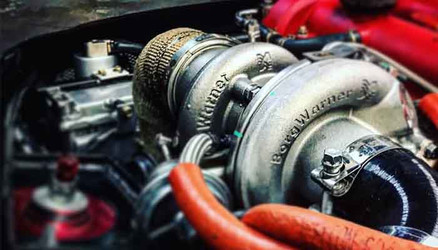
Shop Exhaust WrapIf your manifold, downpipe or screamer pipe sits close to wiring, hoses, brake lines, intake pipework or bodywork, exhaust heat wrap can make the engine bay much easier to manage. It is especially useful on turbo cars, track cars, drift cars and engine-swapped builds where the exhaust sits closer to sensitive parts than the factory layout allowed for.
This guide explains what exhaust wrap does, the real benefits, the risks, how to choose the right wrap, how to install it properly and when another heat management product is the better choice.
The simple answer
Exhaust wrap is a heat-resistant woven tape that wraps around exhaust manifolds, headers, downpipes and hot pipework to keep more heat inside the exhaust instead of radiating into the engine bay.
It is worth using when the exhaust is the heat source and nearby parts are at risk. It is not the correct product for wiring, hoses, intake pipes or flat panels.
For the best result, wrap the hot pipework, secure it with stainless steel cable ties, protect nearby hoses or wiring with a heat sleeve, and use a turbo blanket or heat shield where the heat source is too concentrated for wrap alone.
- Exhaust wrap controls radiant heat from manifolds, headers, downpipes and hot exhaust pipework.
- The main benefit is engine bay heat control, not a guaranteed horsepower gain.
- Use a 5cm wrap for most pipes and downpipes, and a 2.5cm wrap for tight runners or awkward bends.
- Wet the wrap before fitting, keep a 10mm to 20mm overlap, and secure the ends properly.
- Do not use exhaust wrap to hide leaks, cover rotten pipework or protect wiring directly.
What Does Exhaust Wrap Do?
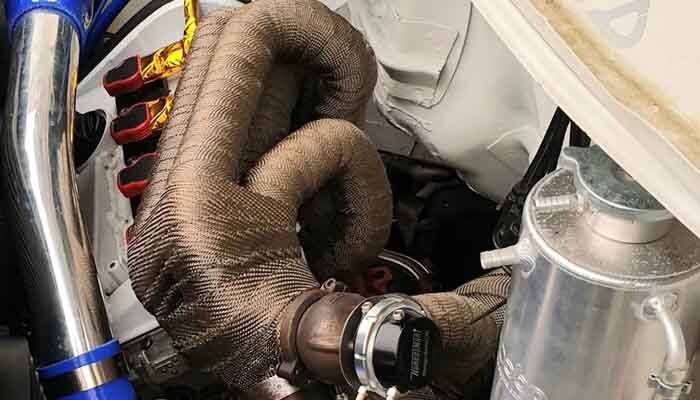
Exhaust wrap reduces the amount of heat that radiates away from hot exhaust parts. Radiant heat is the heat you feel when your hand is near a hot manifold, turbo housing or downpipe, even though you are not touching it.
On a modified car, that heat can reach wiring looms, vacuum hose, coolant hose, brake lines, clutch lines, fuel lines, intake pipes, plastic reservoirs and painted panels. Exhaust wrap helps by keeping more heat in the exhaust pipe, so less of it reaches those vulnerable parts.
The performance benefit is usually indirect. By reducing engine bay heat and heat soak, the wrap can help the rest of the setup work more consistently. That is very different from saying exhaust wrap adds a fixed amount of horsepower, because the result depends heavily on the car, the exhaust layout and the rest of the heat management setup.
Exhaust Wrap Benefits
Lower radiant heat around the exhaust
This is the main reason to use an exhaust wrap. A wrapped manifold, header or downpipe can reduce the heat that radiates into the engine bay and surrounding areas. That can help protect wiring insulation, vacuum hose, coolant hose, brake lines, fuel lines and bodywork from repeated heat exposure.
Better heat control on turbo and track cars
Turbo cars, drift cars and track builds spend more time under load, so heat builds up quickly. From our experience, wrap is most useful when a turbo manifold or downpipe sits close to wiring, brake lines, bulkheads or intake pipework and there is not enough space to move everything away from the heat source.
Reduced heat soak
Heat soak happens when parts absorb heat over time. Intake pipework, sensors, wiring, tanks, reservoirs and nearby panels can all suffer from this. Exhaust wrap is not the only answer, but it can be one useful part of a wider heat management setup.
More consistent performance
Keeping engine bay heat under control can help a performance car stay more consistent during hard use. The wrap itself is not a magic power mod, but lower heat exposure around intake parts, sensors and lines can help prevent the car from feeling strong for one pull and heat-soaked for the next.
Slight exhaust noise change
Exhaust wrap can slightly dull some high-frequency noise from the wrapped section, but it is not a proper exhaust silencer. If your main problem is exhaust volume, drone, a blowing joint or a missing silencer, wrap is not the right fix.
Is Exhaust Wrap Worth It?
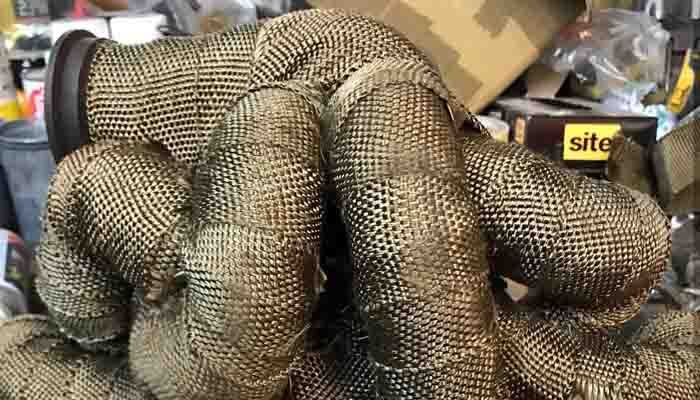
Exhaust wrap is worth it when you have a genuine heat problem to solve. It is most useful when the hot exhaust section is close to something that can be damaged, softened, heat soaked or made unreliable by repeated heat exposure.
Control the exhaust heat source, then protect the wiring route if it cannot be moved further away.
A blanket is made for the turbine housing. Use wrap for the manifold or downpipe around it.
A physical shield with an air gap is often better for panels and larger surfaces.
Wrap should not be used to hide corrosion, leaks, cracks or poor welds.
If you are not sure whether wrap, tape, sleeve or a shield suits your problem, our heat shield vs exhaust wrap vs heat tape guide gives a full product-by-problem breakdown.
 Exoracing Titanium or Carbon Exhaust Wrap
Reduces radiant heat from manifolds, headers, downpipes and hot exhaust pipework.
From £24.99
 10 x Exoracing Stainless Steel Cable Ties
Secure exhaust wrap in high-temperature areas where plastic cable ties would fail.
From £9.99
Pros and Cons of Exhaust Wrap
It helps reduce radiant heat from the wrapped section.
Especially useful around wiring, hoses, lines, reservoirs and panels.
A neat install can solve a lot of localised heat issues without remaking the exhaust.
Avoid wrapping old, rusty rear boxes or pipework that stays damp and never burns moisture away.
Repair damaged pipework, bad welds or blowing joints before wrapping anything.
Loose wrap, uneven overlap and weak fixings are the usual reasons installs look poor or move after heat cycles.
How to Choose the Right Exhaust Wrap
Choose exhaust wrap by application, width, temperature rating and how awkward the part is to wrap. For most performance cars, the key is choosing a quality wrap with enough length for the pipe diameter, bends and overlap.
Temperature rating
The Exoracing Titanium or Carbon Exhaust Wrap is rated to 980°C continuous and 1350°C intermittent. That gives a strong safety margin for most road, track, drift and turbo applications.
Wrap width
Use a 5cm wrap for most exhaust pipes, downpipes and easier manifold sections. Use a 2.5cm wrap for tighter bends, small runners and awkward manifold shapes where a wider wrap will bunch up and make it much harder to install.
Length
Pipe diameter, pipe length, bend count and overlap all change how much wrap you need. If you are unsure, use our exhaust wrap calculator before ordering. Running out halfway through a manifold runner is one of the easiest mistakes to avoid.
How to Install Exhaust Wrap
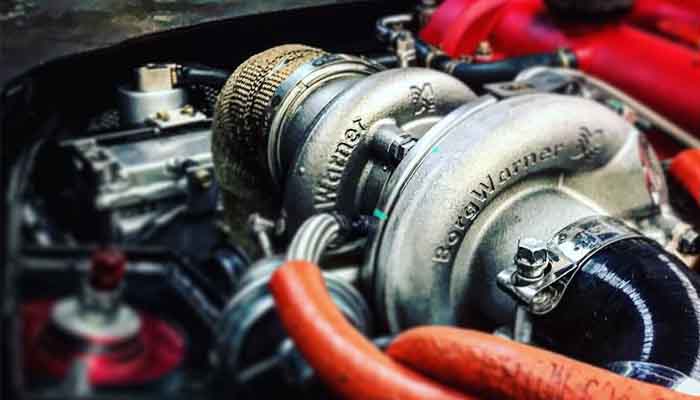
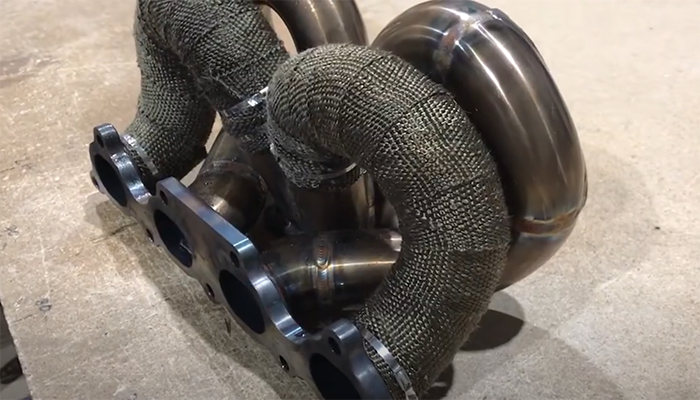
The best exhaust wrap installs are tight, even and planned before the first turn of wrap goes on. For a full photo walkthrough, use our dedicated How to Install Exhaust Wrap guide.
Watch: In our exhaust wrap install video, we show the wrapping process so you can see how wetting, pulling tension and securing the ends should look in practice.
1. Inspect and clean the exhaust
Only wrap pipework that is in good condition. Check for cracks, corrosion, blowing joints, bad welds, oil contamination and sharp edges. Clean dirt, grease and residue from the part before fitting the wrap.
2. Measure and cut the wrap
Measure the section you want to wrap, allow for bends and overlap, then cut the wrap with sharp scissors. Leave enough spare length to finish the end neatly rather than pulling the final section short.
3. Wet the wrap
Dampen the wrap before fitting. Wetting it makes it more flexible, easier to pull tight and easier to shape around bends. The wrap should be damp, not dripping.
4. Wrap with steady tension and overlap
Start at one end and keep steady tension as you wrap. A 10mm to 20mm overlap works well for most installs. Too little overlap can leave gaps; too much overlap wastes material and can make the finish bulky.
5. Secure with stainless steel cable ties
Secure the start and finish with stainless steel cable ties or stainless wire. Plastic ties are not suitable near exhaust heat. Trim sharp tie ends carefully so they cannot cut you later.
6. Heat cycle and recheck
The wrap may smoke during the first heat cycles as moisture and residue burn off. Do this in a well-ventilated area. Once the part has cooled fully, check the tension, ties and clearance again.
Common Exhaust Wrap Mistakes
Wrapping damaged or rusty pipework
Wrap should not be used to hide corrosion, cracks, holes or blowing joints. Fix the exhaust first, then wrap it if heat control is still needed.
Using a wrap on the wrong part
Exhaust wrap is for exhaust pipework. Do not wrap wiring, hoses, plastic covers, intake pipes or flat panels with exhaust wrap. Use a heat sleeve, reflective tape or a heat shield for those jobs.
Guessing how much wrap you need
A manifold uses more wrap than most people expect because every runner, bend and overlap adds length. Measure before ordering, or use the calculator if you want a cleaner estimate.
Covering sensors, clamps or service points
Plan around lambda bosses, v-band clamps, flexis, brackets, hangers and fasteners. You do not want to make basic inspection or future maintenance harder than it needs to be.
Ignoring nearby vulnerable parts
Wrapping the exhaust is source control. If a hose, fuel line or loom is still close to the heat source, move it if possible and protect it directly with a suitable sleeve. Our heat sleeve size chart explains how to choose the right sleeve size.
When Not to Use Exhaust Wrap
Do not use exhaust wrap as a shortcut for fixing a mechanical problem. If the exhaust is leaking, cracked, badly corroded, oil soaked or rubbing against another part, repair that first.
Avoid wrapping cooler rear sections, old mild-steel systems that already hold moisture, or exhaust parts that regularly sit wet and never get hot enough to dry out. That is where corrosion risk becomes more important than heat control.
Also, avoid using wrap to make an exhaust quieter. It may slightly change the tone from the wrapped section, but it will not fix a drone, a missing silencer, a bad baffle or a blowing joint.
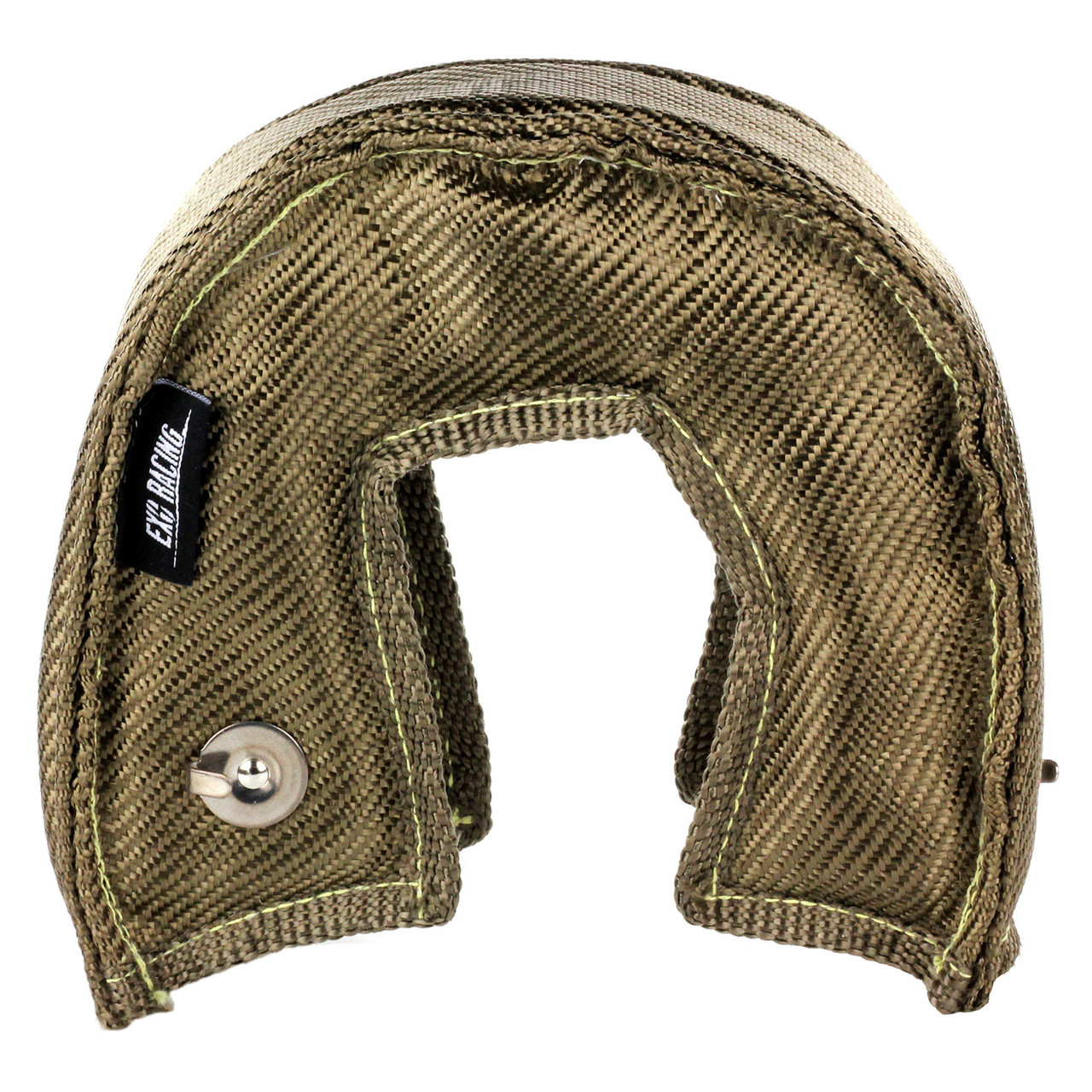 Exoracing Turbo Blanket V3
Controls concentrated turbine housing heat before it radiates into the engine bay.
From £119.99
 Exoracing Embossed Aluminium Heat Shield
Creates a physical barrier for panels, bulkheads, intakes, hoses and wiring near radiant heat.
From £49.99
What Happens If You Ignore Exhaust Heat?
Ignoring exhaust heat can turn a small packaging problem into a reliability issue. We commonly look at heat management by asking two questions: what is creating the heat, and what nearby part will suffer first?
On modified cars, the consequences can include brittle wiring insulation, softened vacuum hose, damaged coolant hose, heat-stressed brake or clutch lines, heat-soaked intake pipework, damaged paint, melted plastic, and uncomfortable cabin heat through a bulkhead or transmission tunnel.
The correction is not always just more wrap. Sometimes the right answer is rerouting a line, adding clearance, fixing a leak, fitting a heat sleeve, adding a shield, or using a turbo blanket to control the hottest source first.
Exhaust Wrap Maintenance Checklist
The wrap can settle as it dries and heats for the first time.
Look for fraying, movement, oil contamination, rubbing, loose ties or exposed pipe.
Moisture is one reason we prefer wrapping on hot front sections rather than cooler rear exhaust parts.
Frequently Asked Questions
Does exhaust wrap work?
Yes, exhaust wrap works when it is used to reduce radiant heat from hot exhaust pipework. It is most effective on manifolds, headers, downpipes and other hot sections that sit close to vulnerable parts.
Does exhaust wrap increase horsepower?
Do not expect a guaranteed horsepower gain from exhaust wrap alone. Its main job is heat control. Any performance benefit usually comes from reducing heat soak and helping the car stay more consistent under load.
Will an exhaust wrap make my exhaust rusty?
Exhaust wrap can hold moisture if it is used on the wrong part, especially on old or cooler pipework. Use it on hot front sections that dry out properly, and avoid wrapping rusty, damaged or damp rear sections.
Should I wet the exhaust wrap before installing it?
Yes. Wetting the wrap makes it more flexible and easier to pull tight. It should be damp enough to shape cleanly, but not so wet that the job becomes messy.
How much should the exhaust wrap overlap?
A 10mm to 20mm overlap is a good target for most installs. Keep the overlap consistent so there are no gaps, loose sections or bulky areas.
Does exhaust wrap reduce noise?
It can slightly dull the noise from the wrapped section, but it will not make the loud exhaust quiet. If the car is too loud, look at the silencer, resonator, baffles, leaks and exhaust design instead.
Can I use exhaust wrap on a motorcycle?
Yes, but be more careful about moisture, corrosion and whether you are wrapping for heat protection or appearance. On exposed bikes, the wrap often sees more water and dirt than it would in a car engine bay.
Can an exhaust wrap stop an exhaust leak?
No. Exhaust wrap is not a repair bandage for leaks, cracks or rotten pipework. Fix the exhaust leak properly before adding any heat management product.
Conclusion: Should You Use Exhaust Wrap?
Use exhaust wrap if your manifold, header, downpipe or hot pipework is creating a genuine engine bay heat problem. It is one of the simplest ways to reduce radiant heat from the exhaust source and protect nearby parts when space is tight.
Before fitting it, inspect the exhaust, fix leaks or corrosion, measure how much wrap you need, and plan what else needs protection. If the turbo housing is the main heat source, start with a turbo blanket. If wiring, hoses or lines are the vulnerable parts, use a heat sleeve as well. If a panel or bulkhead is the issue, add a proper heat shield or reflective barrier.
For most modified cars, the best heat management setup is not one product doing everything. It is the right combination of source control, component protection, clearance and rechecking after heat cycles.
Shop Heat Management PartsAbout the Author
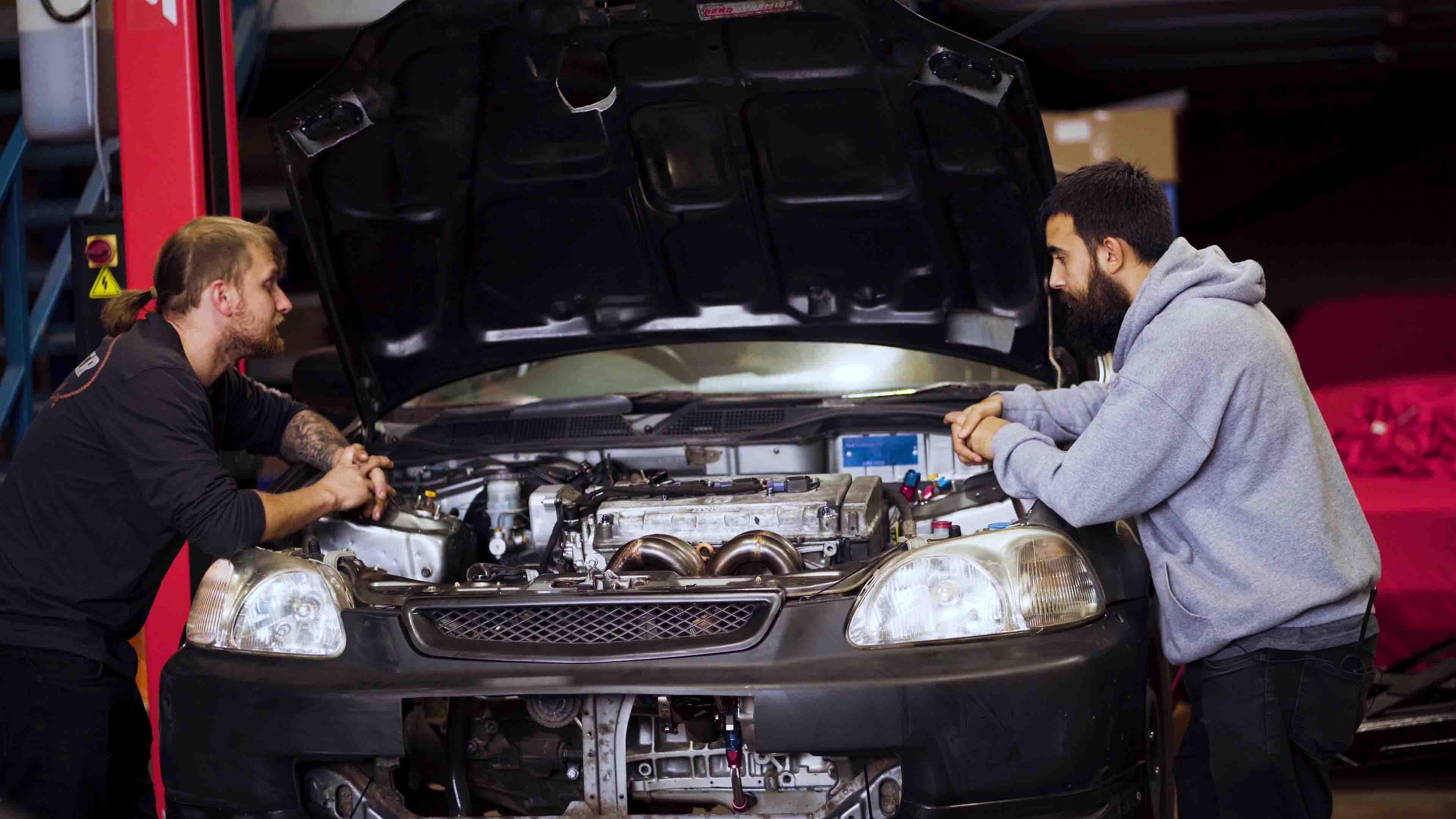
Exoracing is a UK-based performance parts and heat management specialist.
Since 2018, we have helped enthusiasts and workshops choose, fit, and troubleshoot parts for turbo builds, exhaust systems, wiring protection, fuel and oil lines, and high-temperature engine bay setups.