
Boost Controller 101: A Beginner's Guide
Posted by Matthew Marks on 1st Aug 2024
If your vehicle has a turbocharged or supercharged engine, a boost controller can be one of the most useful upgrades you add.
It does not just help you chase more boost. It helps you control boost properly.
That matters because a stable boost is safer, easier to tune, and usually makes the car feel better to drive.
In simple terms, a boost controller gives you more say over how much boost the engine makes and how consistently it makes it. That can mean better traction, fewer boost spikes, and more confidence when the car is driven hard.
Just as importantly, the whole system only works properly if the plumbing is correct and the lines are protected from heat.
A boost control setup with poor vacuum routing or lines cooked by manifold heat will never work as well as it should.
- A boost controller helps you control boost more accurately than wastegate spring pressure alone
- Good plumbing and heat protection matter just as much as the solenoid itself
- Bad vacuum line routing can cause unstable boost, spikes, or poor control
 Speedfactory Racing 3 Port Boost Control Solenoid Kit
A proven PWM boost solenoid for cleaner, more consistent boost control on internal or external wastegate setups.
From £124.82
What Is a Boost Control Solenoid?

A boost control solenoid plays a crucial role in regulating the airflow to the wastegate of turbocharged engines. Its primary function is to prevent over-boosting by opening the wastegate valve to release excess exhaust gases.
The solenoid is connected to the engine's electronic control unit (ECU), which uses a magnetic field to regulate the pressure that reaches the wastegate actuator on the turbocharger or supercharger.
The easiest way to think about a boost control solenoid is as a valve that lets the ECU manage what pressure reaches the wastegate actuator.
Instead of the actuator only seeing raw boost pressure, the ECU can use the solenoid to bleed or redirect that pressure so the turbo makes the target boost level more accurately.
That is why electronic boost control is such a big step up when the rest of the setup is tuned properly.
This pressure control mechanism ensures that the engine operates at optimal performance levels while maintaining fuel efficiency.
The boost control solenoid works by adjusting the pressure that reaches the wastegate actuator, which regulates the amount of boost pressure produced by the turbocharger or supercharger.
The ECU can also control the boost pressure in different gears to achieve maximum grip levels, making the car as fast as possible.
This feature is handy for racing applications, allowing drivers to maintain top speed and performance on the track.
The boost control solenoid is a critical component of any turbocharged engine, and its ability to regulate airflow and boost pressure ensures the engine operates efficiently and at peak performance.
Whether you're a racing enthusiast or simply looking to upgrade your vehicle's performance, a boost control solenoid is essential to any high-performance engine.
Differences Between a 3 and 4 Port Solenoid

The main difference between a 3-port and a 4-port boost control solenoid is the number of ports or connections that the solenoid has.
For most road and fast road builds, a 3-port solenoid is usually the most common place to start.
It is simple, effective, and gives a big improvement over running straight spring pressure.
A 4-port solenoid is normally more relevant once you are pushing harder, running more demanding external wastegate setups, or trying to get tighter control at higher boost levels.
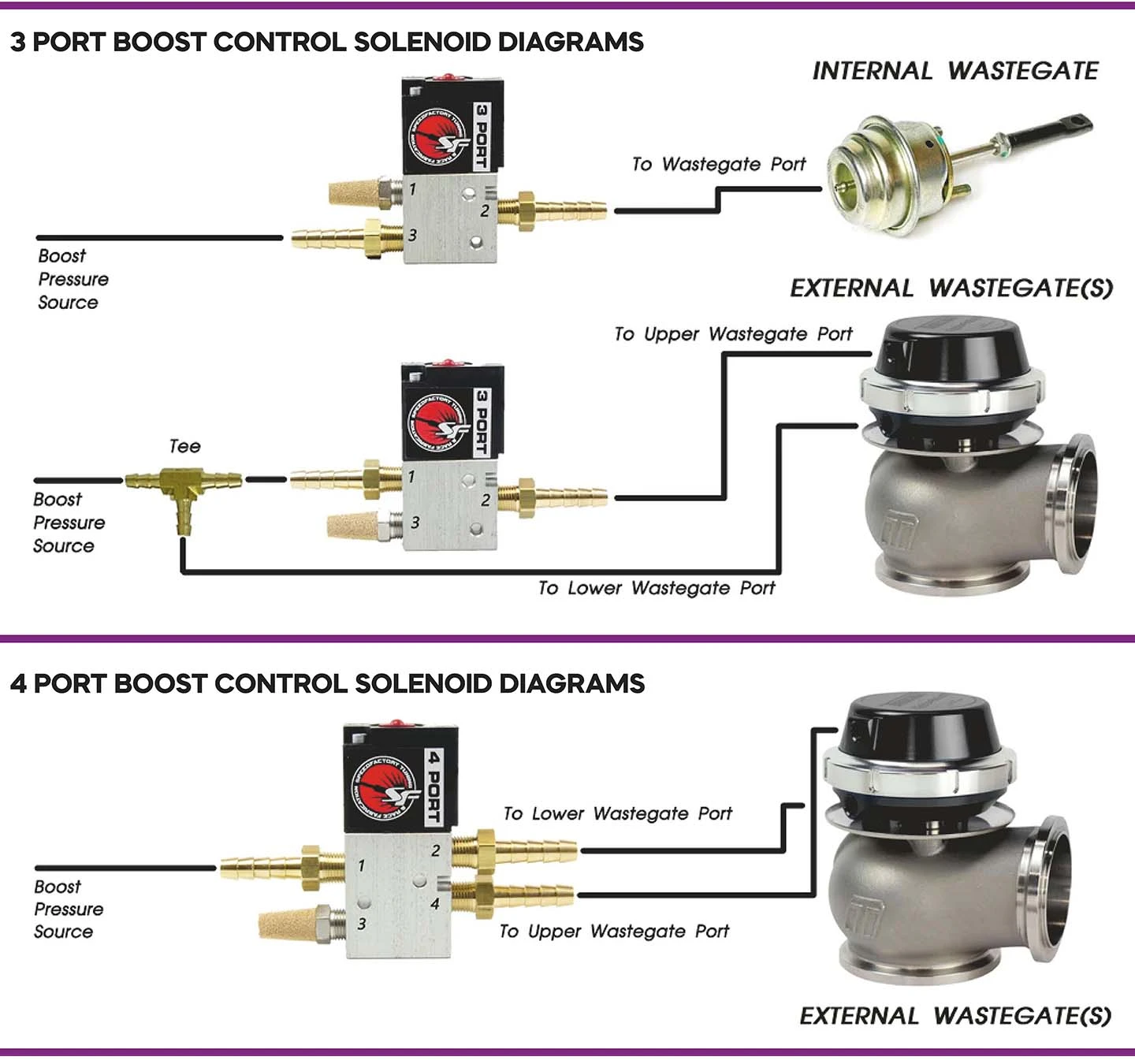
A 3-port boost control solenoid has three ports: an inlet, an outlet, and a vent.
The inlet port is connected to the pressure source (usually the turbocharger compressor outlet), the outlet is connected to the wastegate actuator, and the vent is typically vented to the atmosphere.
When the engine's ECU activates the solenoid, it regulates the air reaching the wastegate actuator by controlling the pressure vented to the atmosphere through the vent port.
Generally, with a 3-port boost control solenoid, you can raise the boost level around 2-4 times that of the wastegate spring.
A 4-port boost control solenoid has an additional port compared to a 3-port, commonly used to put pressure on the top and bottom of the wastegate ports, allowing for more accurate boost control at higher levels.
Using a 4-port solenoid can provide more precise control over boost pressure and allow faster spool-up of the turbocharger or supercharger.
With a 4-port boost control solenoid, you can get up to 6-10 times higher than the wastegate spring pressure.
How To Install a Boost Control Solenoid
There are a few different ways to install a 3 or 4-port boost control solenoid, but the most common methods are shown in the diagram below.
Speedfactory Racing have already done the hard work and shown a complete layout of how to install the 3 and 4-port to either an external or internal wastegate.
Installing a boost control solenoid or controller can vary depending on your vehicle's specific make and model. However, here are some general steps that may be useful:
- Choose a suitable place for the boost controller that allows easy access and secure mounting. This may be under the bonnet or inside the cabin, depending on the type of controller and your preference.
- Install the boost controller according to the manufacturer's instructions. This may involve connecting hoses, wiring, and mounting brackets. Ensure that all connections are tight and secure.
- Connect the hoses from the boost controller to the turbocharger, wastegate, and intake manifold. Ensure the hoses are correctly routed and do not interfere with other components.
- Start the engine and test the boost controller to ensure it functions properly. Use a boost gauge to monitor the boost pressure and adjust the controller to achieve the desired boost levels.

It's important to note that the installation process can vary significantly depending on the specific vehicle and controller.
It may be necessary to consult a professional mechanic or refer to the manufacturer's instructions for detailed guidance.
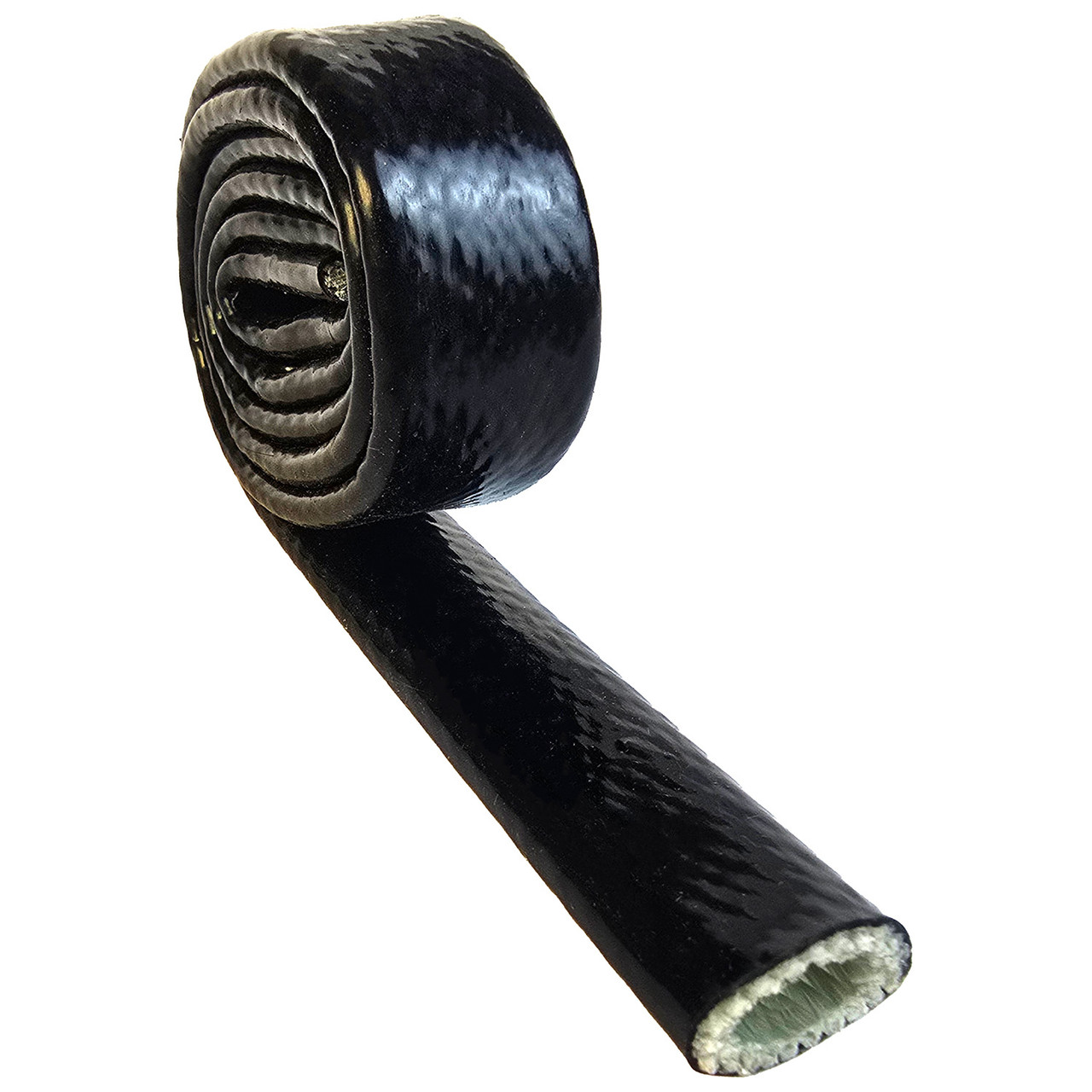 Exoracing Silicone Fibreglass High Temperature Heat Sleeve 0.5m
Ideal for protecting boost control, vacuum, and fluid lines that run too close to turbo or manifold heat.
From £14.99
 Exoracing Gold and Silver Velcro Heat Sleeve 0.5m
Great when you want to add heat protection without disconnecting existing lines or redoing the whole setup.
From £14.99
Why line protection matters more than most people think
We saw this first-hand with our friend Tom and his turbo Mazda MX5.
He was having problems with the vacuum lines going to his boost controller, and at first, it looked like a tuning or controller issue. But once we looked at the setup properly, the real problem was the environment the lines were living in.
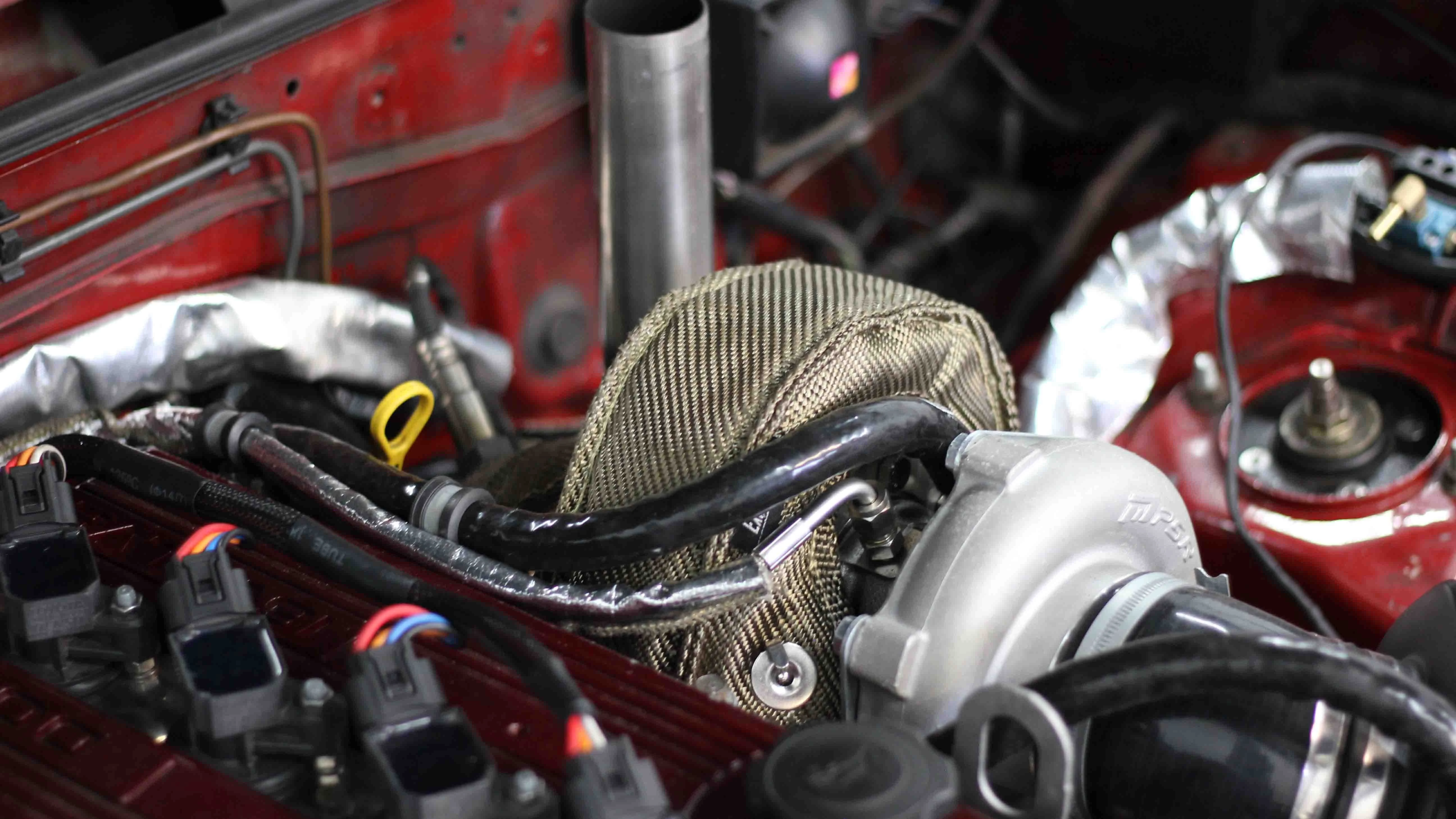
They were running too close to the heat, specifically the wastegate, which meant the lines were getting exposed to far more temperature than they should.
On turbo cars, that is a common issue. The boost control hardware might be good, but if the vacuum lines are routed near the manifold, turbo, or other hot side parts, the whole system can start to behave inconsistently.
We fixed Tom's setup by using our silicone heat sleeve on the lines.
That gave them a proper layer of protection from engine bay heat and made the setup much more robust.
It is a simple example, but it shows why boost control is not only about the solenoid. The surrounding plumbing and heat protection matter as well.
How Do I Choose Which One I Need?
When choosing a boost controller, it's essential to consider factors such as the engine's power output, the desired boost level, and what the car is used for.
Some factors to consider when choosing a boost controller include the controller's adjustability, the number of ports, the build quality, and the price.
Choosing a boost controller that is compatible with your engine and meets your specific needs is essential.
Boost controllers are generally compatible with most turbochargers as long as the controller is correctly matched to the size and capabilities of the turbocharger.
However, it's important to note that many different types of boost controllers are available, and not all controllers may be suitable for all turbocharger setups.
The most common boost controllers we sell are the Speedfactory Racing 3 or 4-port solenoids.
Some boost controllers are designed specifically for internal wastegates, while others are intended for external wastegates.
Some controllers may be more suitable for small turbochargers with lower boost pressures, while others may be better suited for larger turbochargers with higher boost pressures.
If you have a turbocharged or supercharged engine and do not install a boost controller, the boost pressure will be determined solely by the engine's design and the exhaust backpressure.
This means you cannot adjust the boost pressure to your specific needs or preferences, and the engine may not be operating at its full potential.
With a boost controller, the boost pressure will fluctuate less and be more consistent, reducing potential issues such as boost spikes, which can cause engine damage.
In addition, the engine may not achieve the same performance or fuel efficiency level as it would with a boost controller.
Manual Vs Electronic Boost Controllers

Boost controllers can be either manual or electronic.
Manual boost controllers are adjusted manually by turning a knob. In contrast, electronic boost controllers use a solenoid to control the boost pressure based on input from a controller unit such as an ECU.
Electronic boost control solenoids are more flexible than manual ones.
Manual controllers still have their place because they are simple and cost-effective, but electronic control is where things get much more flexible.
Once the ECU is involved, you can shape boost much more intelligently instead of just raising it.
That is where features like boost by gear, better traction management, and more stable control under different loads become really useful.
You can change the boost pressure on the fly without manually adjusting the solenoid, making it much easier to fine-tune it to suit your driving needs and conditions.
Electronic solenoids can be integrated with other engine management systems using traction and launch control features to provide a more comprehensive engine control system.
This integration can optimise overall engine performance and driving experience.
There are several electronic boost controllers, including simple on/off controllers, closed-loop controllers that use feedback from sensors to adjust boost pressure, and boost-by-gear controllers that adjust boost pressure based on the selected gear.
While we have discussed the advantages of electronic boost controllers, it is worth noting that manual boost controllers are still commonly used in many applications due to the dramatically decreased cost.
Manual boost controllers are simple, reliable, and can control boost pressure when properly adjusted, and they are also typically less expensive than electronic boost controllers.
Manual boost controllers are also much easier to install and adjust. Place them inline and twist the top of the housing until you have the desired boost, removing the need for it to be controlled by the ECU.
Common boost control mistakes that cause problems
A lot of boost control issues come from the basics rather than the solenoid itself.
Vacuum lines that are too long, poorly routed, kinked, loose, or exposed to too much heat can all create inconsistent control.
That can lead to boost spikes, lazy response, or a car that behaves differently when hot compared with when it is cold.
Another common mistake is treating the boost controller like a magic fix.
If the wastegate setup is poor, the base spring choice is wrong, or the engine is not tuned correctly, the controller alone will not solve everything.
The best results come when the controller, plumbing, wastegate, and tune are all working together.
What Are Boost Spikes?
Boost spikes are expected when the boost pressure surges beyond the intended level due to abrupt changes in throttle position or engine load.
To prevent this problem, boost controllers can be installed to regulate the boost pressure more accurately.
However, tuning the engine correctly after installing a boost controller is essential to ensure it runs safely and efficiently at the desired boost pressure.
This may involve adjusting the fuel and ignition maps and monitoring engine parameters like air/fuel ratio and exhaust gas temperature.
By taking these steps, you can prevent boost spikes and optimise your engine's performance while ensuring it runs smoothly and reliably.
It is also worth noting that heat can make boost control problems worse.
A setup that behaves one way on a cold start may behave differently once the bay is heat-soaked after a few hard pulls.
That is another reason why protecting boost reference lines and nearby components is worth doing, especially on tightly packaged turbo builds.
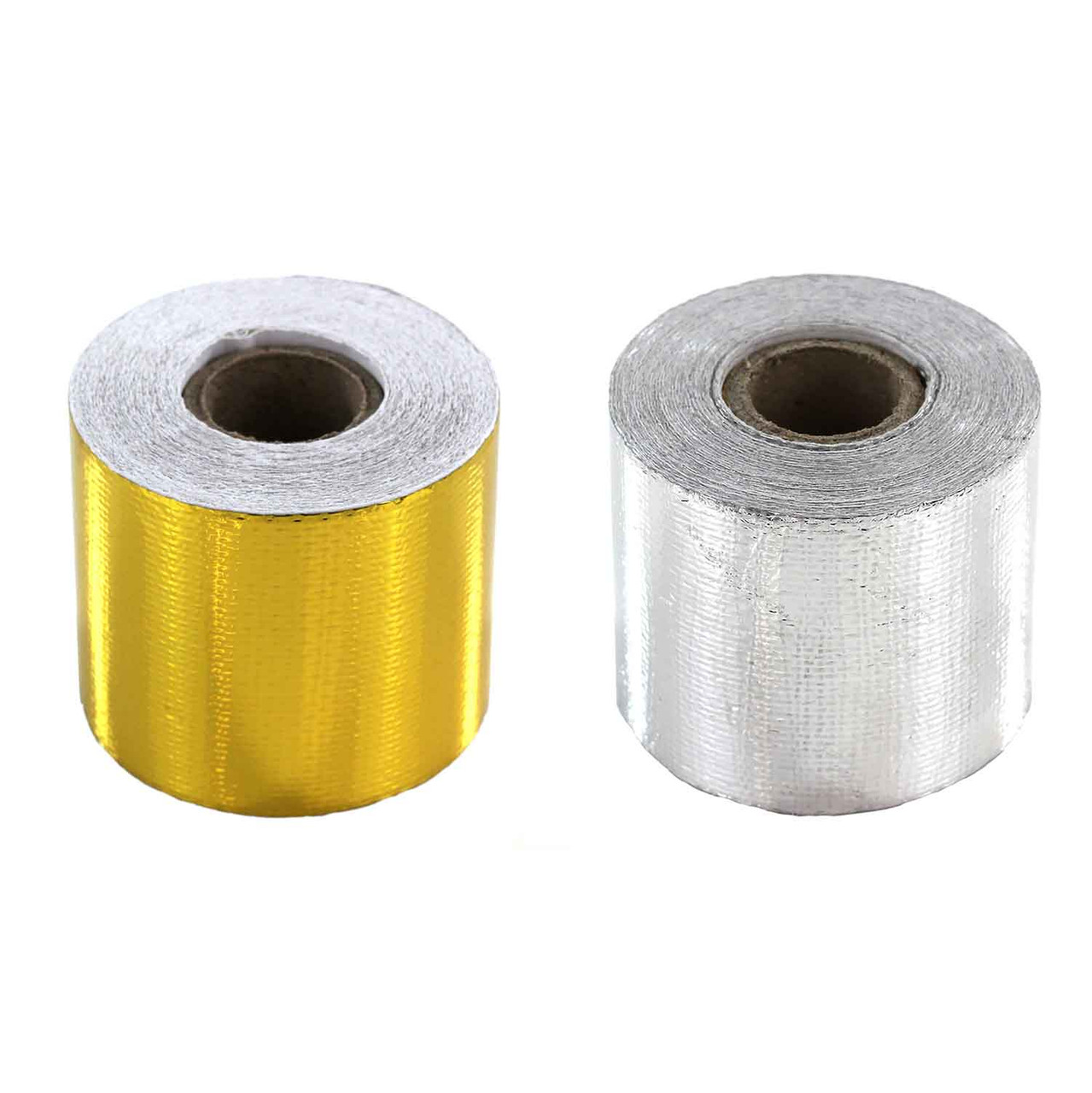 Exoracing Gold and Silver Heat Reflective Tape
Useful for shielding nearby areas from radiant heat where boost lines, wiring, or sensors sit close to hot side parts.
From £29.99
Conclusion

In the real world, good boost control is a combination of the right controller, correct plumbing, proper tuning, and sensible heat management.
If any one of those parts is weak, the whole system can become harder to trust.
That is why it makes sense to think about the full setup rather than only the solenoid itself.
Stable boost is not just about making more power. It is about making the car more consistent, more reliable, and easier to tune properly.
If you still need clarification, please comment below or contact us, and we will happily point you in the right direction.