

First Track Day Car Preparation Checklist
Posted by Matthew Marks on 1st Aug 2024
Jump to a section
First Track Day Car Preparation Checklist
Prepare your car properly before a track day with a practical checklist covering safety, brakes, tyres, fluids, weight, heat and what to pack.
Built from our experience helping UK track, fast road, and modified car owners solve braking, heat and reliability issues since 2018.
Shop Heat Management PartsYour first track day should be about learning the car, building confidence and getting home safely. It should not end after two sessions because the brake pedal has gone soft, the tyres are cooked, the coolant has pushed out, or a hose has melted near the exhaust.
We see the same pattern on performance builds: people spend money on power before checking the basics that actually keep the car alive on the circuit. This guide gives you the order we would use before taking a road or project car to its first UK track day.
The simple answer
Before your first track day, inspect the car for leaks, loose parts, tyre condition, brake condition, wheel torque and fluid levels. Remove loose items, take a helmet that meets the organiser's rules, and make sure the car can pass noise limits.
If you upgrade anything first, prioritise brake fluid, brake pads and tyres before chasing power. Track driving creates far more heat than road driving, so brakes, engine oil, coolant and nearby hoses or wiring need special attention.
For a beginner, the goal is not to build a race car. The goal is a safe, predictable car that can complete the day without avoidable failures.
- Start with safety checks: leaks, belts, seats, wheel nuts, battery security, tow point, lights and loose items.
- Brakes are the first serious upgrade area because heat causes pad fade and brake fluid boiling.
- Use tyres that suit the weather, car weight, power and whether you need to drive home legally.
- Refresh fluids before the event and take spares for oil, coolant and brake fluid.
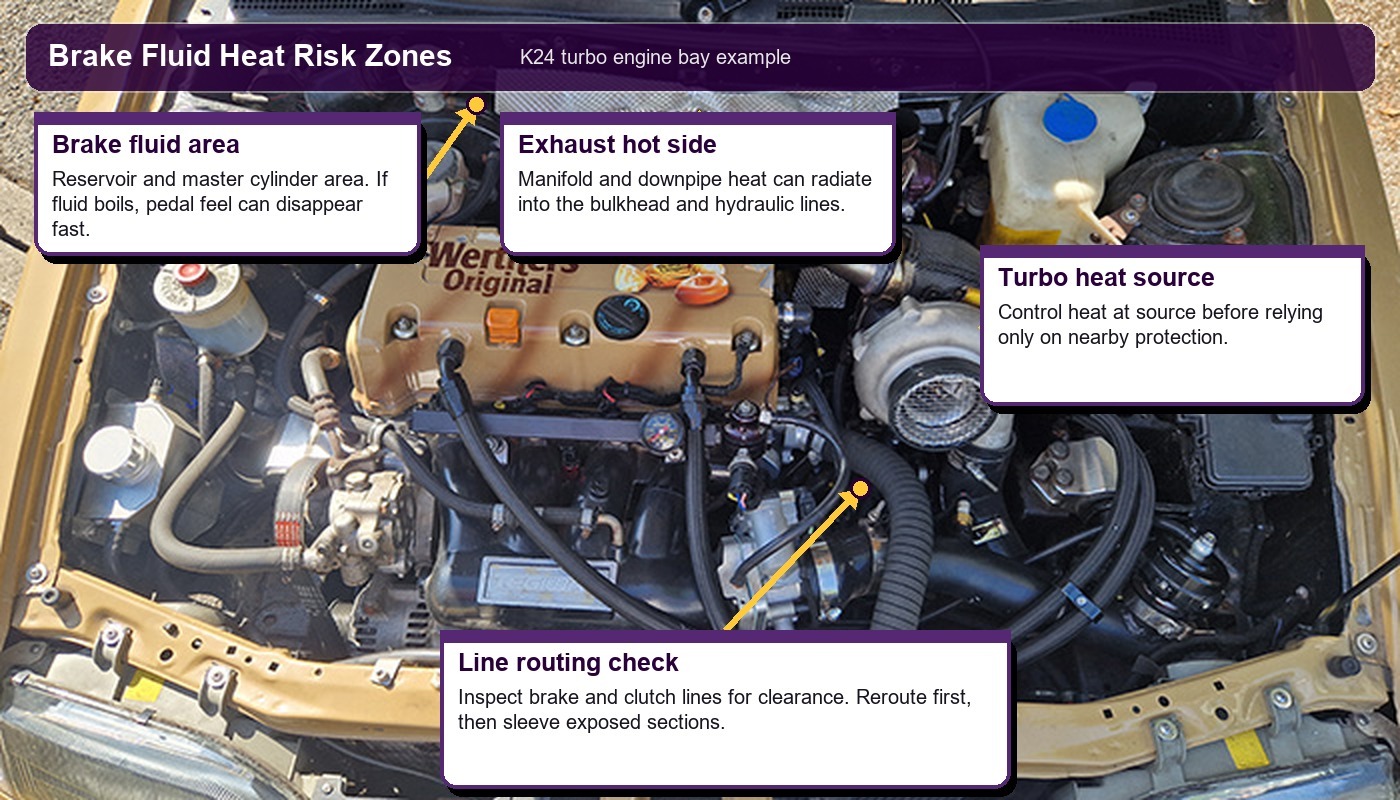
- On turbo or modified cars, check exhaust heat near wiring, hoses, fuel lines and brake lines before the day.
Track Day Preparation Checklist
Use this as the final check before you leave for the circuit. Do the mechanical checks several days before the event, not the night before, so you still have time to fix problems.
Check belts, harnesses, seat mounts, wheel nuts, tow eye, lights, mirrors and anything in the cabin or boot.
A firm pedal on the road is not proof that the fluid will survive repeated heavy braking.
Bring a pressure gauge and pump because hot pressures rise during sessions.
Track use increases temperature and load, so old fluids are a common weak point.
Turbo cars, wrapped manifolds, downpipes and modified routing need extra checks after heat cycles.

1. Start With Safety Before Performance
A track day lets you drive much harder than you can on the road, so minor issues become serious quickly. A weak seat mount, loose battery, old tyre, leaking hose or unsecured extinguisher can turn into a real safety problem under braking, kerb strikes and repeated heat cycles.
Check seatbelts or harnesses, seat mounts, steering play, suspension play, wheel bearing movement, battery security and all fluid leaks. Remove anything loose from the cabin and boot, including tools, bottles, trim, mats and spare parts.
Helmet and clothing
Check the organiser's helmet rules before you buy anything. Many UK track day organisers can hire helmets, but if you are buying your own, choose one that meets the required motorcycle or motorsport standard for that event.
Wear comfortable thin-soled shoes and avoid loose clothing that can catch on pedals or the wheel. Some organisers require arms and legs to be covered, so check the event instructions before travelling.
Fire extinguisher and mounting
A fire extinguisher is only useful if it is mounted securely and reachable.
Do not leave it loose behind the seat or in the boot. In a crash, anything unsecured becomes a projectile.
2. Prepare The Brakes Properly
Brakes are where many first track days go wrong. On the road, the brakes get time to cool. On circuit, they are asked to slow the car from high speed again and again, often with very little recovery time.
Brake fade usually comes from two areas: the pad getting too hot for its compound, or the brake fluid boiling. Pad fade feels like the car will not slow properly, even though the pedal is firm. Boiled fluid usually gives a long or spongy pedal because vapour compresses inside the system.
Brake pad choice
Choose pads based on how the car is used. A dedicated track car can run a pad that needs heat before it works properly. A road-driven car needs a pad that still bites from cold for emergency stops on the way to and from the circuit.
For fast road and beginner track use, a pad such as Ferodo DS2500 brake pads is often a more usable starting point than a full race compound. More aggressive options, such as Ferodo DS3000 brake pads, make more sense when the car is used hard enough to keep the pads in their working temperature range.
Brake discs, lines and fluid
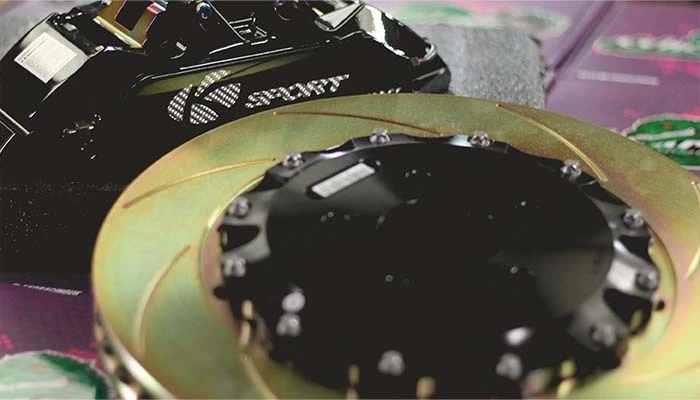
Brake discs do not usually transform braking on their own, but they must be in good condition. Check for heavy lips, cracks, warping, scoring and uneven pad deposits. If you are upgrading, grooved or performance discs, such as RPB brake discs, can help with consistency when paired with a suitable pad.
Brake fluid is cheap compared with losing a session or losing the pedal. If you do not know when it was last changed, replace it before the event. A high-temperature fluid, such as Motul RBF 660 Factory Line 500ml, is designed for the higher temperatures generated by hard braking.
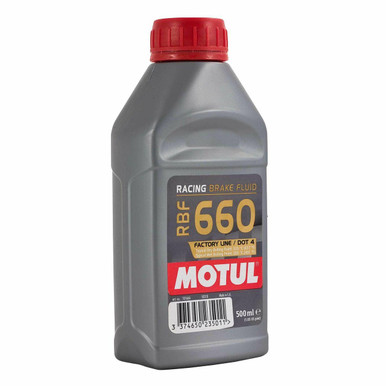 Motul RBF 660 Factory Line 500ml
High-temperature DOT 4 brake and clutch fluid for track day braking loads.
From £22.99
3. Choose Tyres For The Car, Weather And Journey Home
Tyres are the only part of the car touching the track, so do not treat them as an afterthought. Check tread depth, age, cracks, sidewall damage and whether the tyre is suitable for the conditions.
A road-legal performance tyre is usually the sensible starting point for a first track day because it can work in mixed UK weather and still get you home. Semi-slicks can be excellent in the right conditions, but they can be poor in standing water and may need heat before they work properly.
Fully slick tyres are a track-only choice and need the right car, driver, weather and safety setup. If the car is driven to the circuit, make sure your tyre choice is legal for the road both before and after the event.
4. Refresh Fluids Before They Become The Weak Link
Track driving keeps the engine at higher RPM for longer, loads the gearbox and differential harder, and puts far more heat into the brakes. Fresh fluids are basic insurance.
Engine oil
Use the correct grade and specification for your engine, especially if it is VTEC, turbocharged, supercharged or known for oil temperature issues. If the oil is old, change it before the day and check the level between sessions.
For oil options, see our Motul engine oils range and match the oil to the vehicle manufacturer's requirements.
Coolant
Old coolant, weak caps, trapped air and tired hoses can all cause overheating. Use the correct coolant mix for the car, bleed the system properly and check for leaks after the car has reached temperature.
Gearbox and differential oil
Gearboxes and differentials work hard on track, especially on cars with limited-slip diffs or sticky tyres. If the fluid age is unknown, replace it with the correct specification before the event.
5. Remove Weight Without Making The Car Worse
Removing weight helps braking, acceleration, tyre wear and direction changes, but do it sensibly. Start with loose items, unnecessary boot contents and anything that can move around. That is free, safe and reversible.

If the car is still road driven, think carefully before stripping carpets, sound deadening and interior trim. A completely stripped road car can become tiring, noisy and less pleasant to use, which often means it gets used less.
For a deeper breakdown, use our car weight reduction guide.
6. Check Heat Management On Modified And Turbo Cars
Track sessions build heat quickly. On turbo cars, exhaust manifolds, downpipes and turbine housings can sit close to wiring, brake lines, fuel lines, coolant hoses, clutch lines and intake pipework. If the routing is poor, heat protection should not be used to hide the problem. Fix clearance, leaks and damaged parts first.
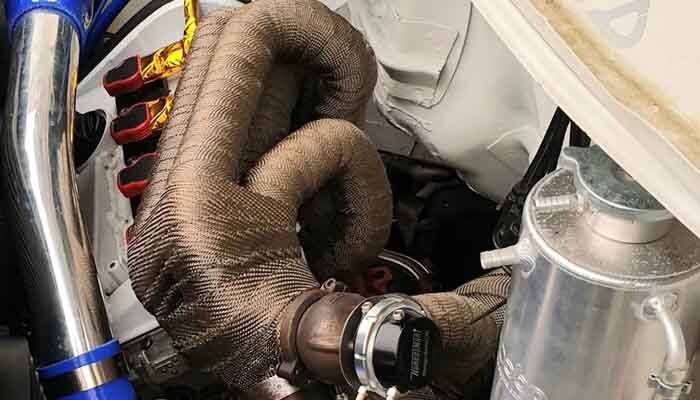
Our usual heat-management order is simple: identify the heat source, identify the vulnerable part, check routing and clearance, control the heat source where possible, then protect the vulnerable part. For the full background, read our guide to automotive heat management.
Use a correctly sized turbo blanket where suitable, then sleeve nearby hoses, wires and lines.
Do not use reflective tape or a heat sleeve directly on exhaust pipework.
Do not sleeve damaged wiring, leaking hoses or unsafe brake lines. Repair first.
Watch: In our silicone heat sleeve video, we show how to protect lines, hoses and wiring from nearby engine bay heat.
 Exoracing Silicone Fibreglass High Temperature Heat Sleeve 0.5m
Protects wiring, fuel lines, oil lines, brake lines and coolant hoses near hot exhaust parts.
From £14.99
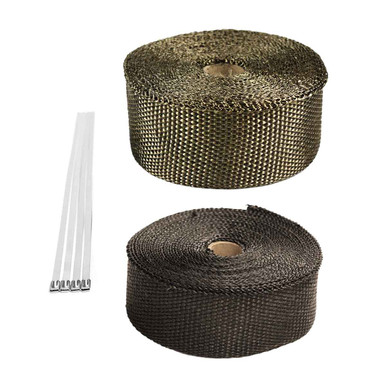 Exoracing Titanium or Carbon Exhaust Wrap
Helps reduce radiant heat from manifolds, downpipes and hot exhaust pipework.
From £24.99
What Happens If You Ignore Track Day Prep?
Ignoring preparation usually costs seat time first. The common failures are brake fade, boiled fluid, overheating, loose wheel nuts, worn tyres, oil leaks and heat-damaged hoses or wiring.
On modified cars, heat damage can be more expensive than people expect. A wire loom near a manifold, a fuel line close to a downpipe, or a brake line routed near exhaust heat can all become serious reliability and safety problems under repeated sessions. From our experience, it is better to spend time fixing routing and protection before the event than trying to repair a heat-soaked car in the paddock.
Common Track Day Prep Mistakes
Only checking the car the night before
Do the main checks at least a few days before the track day. If you find a seized bleed nipple, cracked tyre or leaking hose the night before, you may not have time to fix it properly.
Buying track pads without thinking about road use
A very aggressive pad can be noisy, dusty and weak from cold. If the car is driven on the road, choose a compound that suits both environments.
Using heat protection to cover a fault
Heat sleeve, exhaust wrap and reflective products are not a shortcut for repairing cracked hoses, damaged wiring, oil leaks or poor routing. Fix the fault first, then protect the part.
Common Concerns Before Your First Track Day
Do I need to modify the car? Not necessarily. A healthy standard car is often fine for a first beginner day, but brakes, tyres and fluids must be in good condition.
Should I remove all the interior? No. Remove loose items first. Strip weight only if it suits how the car is used away from the track.
Is heat management only for turbo cars? Turbo cars need it most often, but naturally aspirated cars with hot manifolds, tight engine bays or brake/fuel line routing near exhaust heat can also benefit.
Track Day FAQs
What should I check before my first track day?
Check brakes, tyres, fluids, wheel nuts, leaks, battery security, loose cabin items, seat mounts, belts, lights, tow point and noise limit requirements. Do the checks early enough to repair anything you find.
Do I need track brake pads for a first track day?
Not always, but you need pads with enough material and a compound that can handle the heat you will generate. For a heavier, faster or more powerful car, performance pads are a sensible upgrade before the event.
Should I change brake fluid before a track day?
Yes, if the fluid age is unknown or the pedal already feels soft. Track braking can boil old or low-temperature fluid, causing a long pedal and reduced braking confidence.
Can I use normal road tyres on track?
Yes, if they are in good condition and suitable for the weather. They may overheat if you push hard for long sessions, so monitor pressures, wear and grip throughout the day.
What should I take to a track day?
Take your driving licence, booking details, helmet if needed, tyre pressure gauge, pump, torque wrench, basic tools, engine oil, coolant, brake fluid, tape, cable ties, water and food. If you drive the car home, avoid packing more than you can secure safely.
How do I stop my car from overheating on track?
Start with a healthy cooling system: correct coolant, no airlocks, working fans, a good radiator cap and no leaks. On modified cars, also check exhaust heat near hoses, wiring and intake parts because local heat soak can cause separate problems.
When should I use a heat sleeve or exhaust wrap before a track day?
Use exhaust wrap on hot exhaust pipework, such as manifolds and downpipes, when you need source control. Use a heat sleeve on vulnerable hoses, wiring and lines near heat. Repair damage and improve routing before adding protection.
Final Track Day Prep Advice
For your first track day, keep the plan simple: make the car safe, make the brakes consistent, choose suitable tyres, refresh fluids and remove anything loose. Once the car survives a day reliably, you will know what needs upgrading next.
If your car is turbocharged or heavily modified, do not ignore heat. Check manifolds, downpipes and turbine housings against nearby hoses, wiring, brake lines and fuel lines. Use heat management parts where they solve a real clearance or heat exposure problem, and fix damaged parts before protecting them.
Shop Heat Management PartsAbout the Author
Exoracing is a UK-based heat management and performance parts specialist.
Since 2018, we have helped enthusiasts and workshops choose parts for modified, fast road, track, drift and turbo builds, with a focus on practical heat control, reliability and real installation guidance.