
Can You Drive Without an Exhaust Heat Shield?
Posted by Matthew Marks on 9th Jun 2026
Can You Drive Without an Exhaust Heat Shield?
A missing or loose exhaust heat shield may look harmless, but the correct decision depends on what the shield protects and how close the exhaust sits to the floor, fuel system, wiring or other vulnerable parts.
Exoracing has helped enthusiasts and workshops manage exhaust, turbo and engine bay heat since 2018.
If an exhaust heat shield has fallen off, started rattling or been removed during repairs, it is tempting to ignore it. The car may still run normally, but that does not mean the surrounding parts are safely protected from radiant heat.
We work with heat management parts every day, and a useful way to assess this problem is to identify the hot exhaust section, identify what the shield protects, and check the clearance between them.
This guide explains when you should stop driving, when a short, careful journey to a repairer may be reasonable, and how to choose the correct repair or heat-management solution.
The simple answer
You should not routinely drive without an exhaust heat shield. The shield is fitted to protect the vehicle body, fuel tank, lines, wiring, interior or other parts from exhaust heat.
A short journey to a repairer may be reasonable only after the car has cooled and you have confirmed that nothing is loose, touching the exhaust, leaking, melting or directly exposed to a hot catalytic converter, manifold or downpipe.
Stop driving if the shield is hanging down, scraping, touching the exhaust, near the fuel tank, or if you notice burning smells, smoke, an unusually hot floor or damaged nearby parts.
- Do not assume a missing heat shield is harmless just because the car still drives normally.
- A loose or hanging shield should be secured or removed safely before the car moves.
- Shields near catalytic converters, fuel tanks, floors, wiring and hoses are particularly important.
- Repair or replace the original shield where possible; custom shielding is for suitable applications, not a shortcut.
- Check the repair again after several heat cycles.
What Does an Exhaust Heat Shield Do?
An exhaust heat shield creates a physical barrier between a hot exhaust component and something that needs protection. Most shields reduce radiant heat, which is the heat travelling through the air in a direct line from a manifold, catalytic converter, downpipe or silencer.
Factory shields are commonly fitted above or around exhaust sections to protect floor pans, carpets, underseal, fuel tanks, fuel and brake lines, wiring, plastic parts and nearby bodywork. A well-positioned shield can also create an air gap, which helps reduce heat transfer into the protected area.
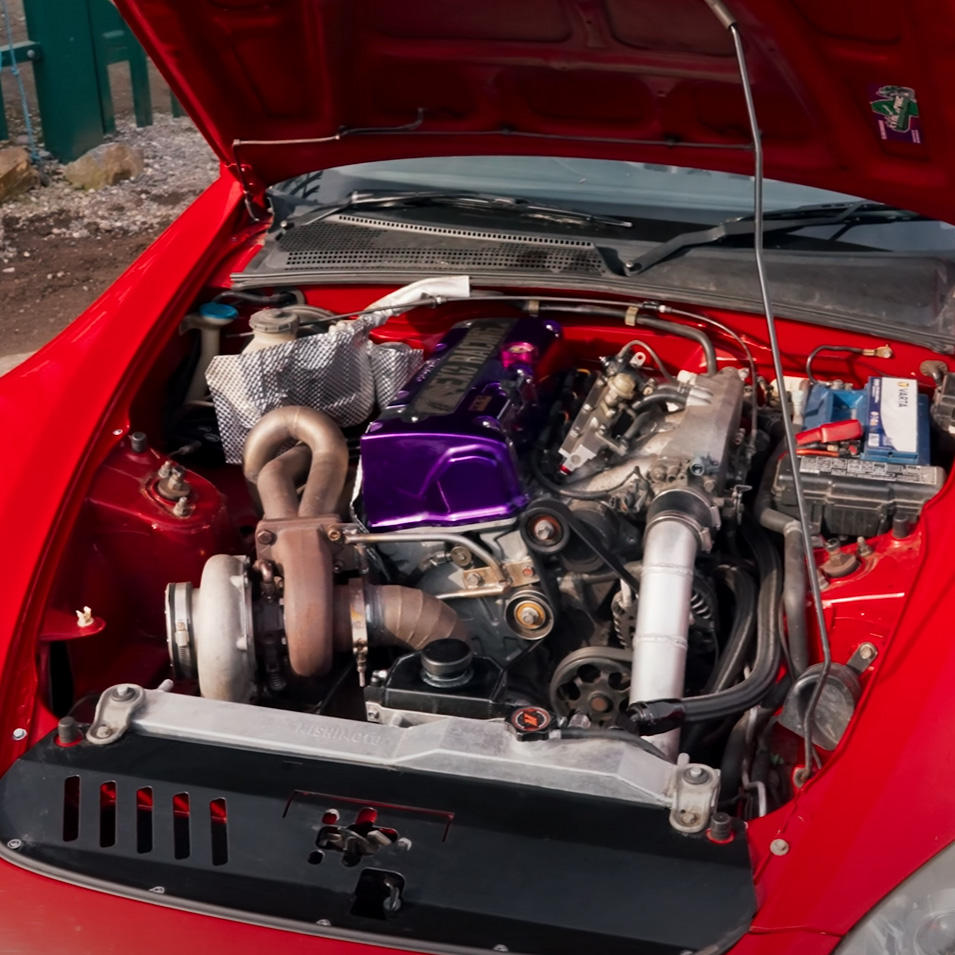
For a deeper explanation of radiant, conductive and convective heat, see our guide to how engine bay heat transfer works.
Should You Stop Driving Immediately?
Use the condition and location of the shield to decide. Do not inspect the exhaust while it is hot. Park safely, switch the engine off and let the system cool fully before looking underneath.
A loose shield can detach, catch on the road or transfer heat into the wrong area. Have it secured safely.
Avoid driving until a competent repairer confirms the area is protected.
Do not continue until the cause and any heat damage have been inspected.
A short, careful journey may be possible, but only after a cold inspection and with no warning signs.
What Can Happen If You Ignore a Missing Heat Shield?
The risk is not normally that the engine suddenly stops.
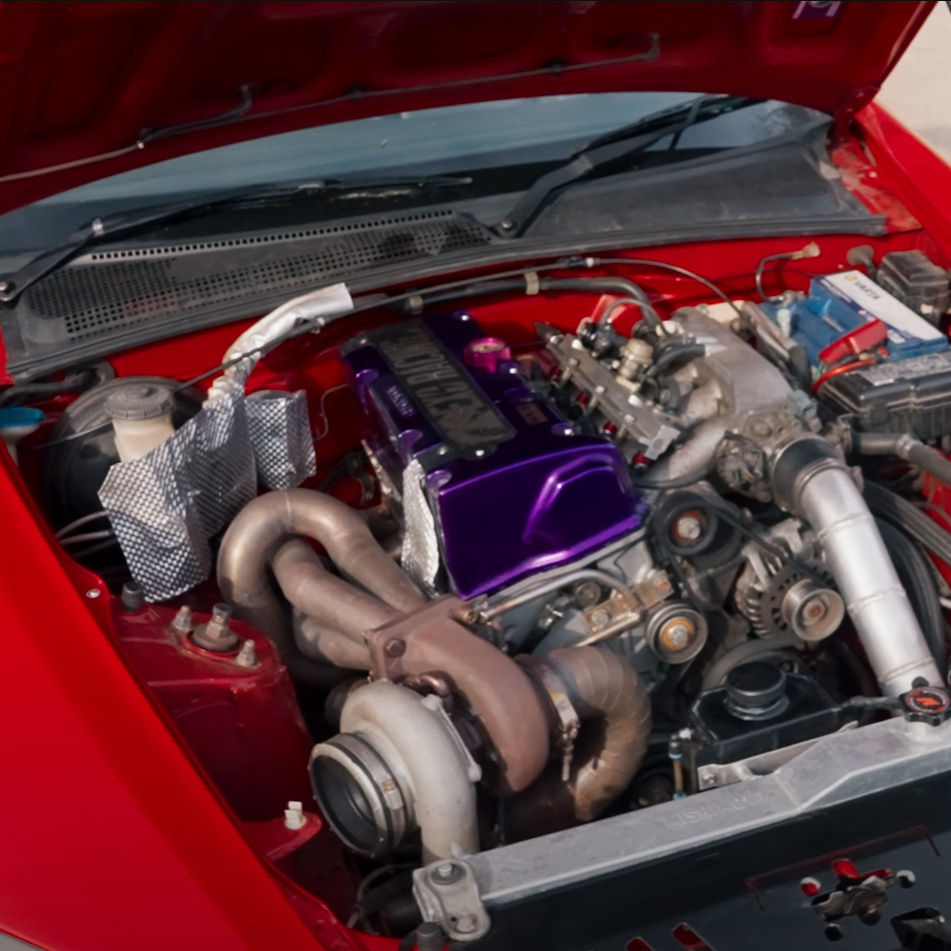
The concern is repeated heat exposure damaging the parts the shield was designed to protect.
Heat damage above the exhaust
Without a shield, more radiant heat can reach the floor pan, underseal, sound deadening, carpet and interior trim. Warning signs include a hot footwell, a burning smell or visible discolouration.
Damage to hoses, wiring and lines
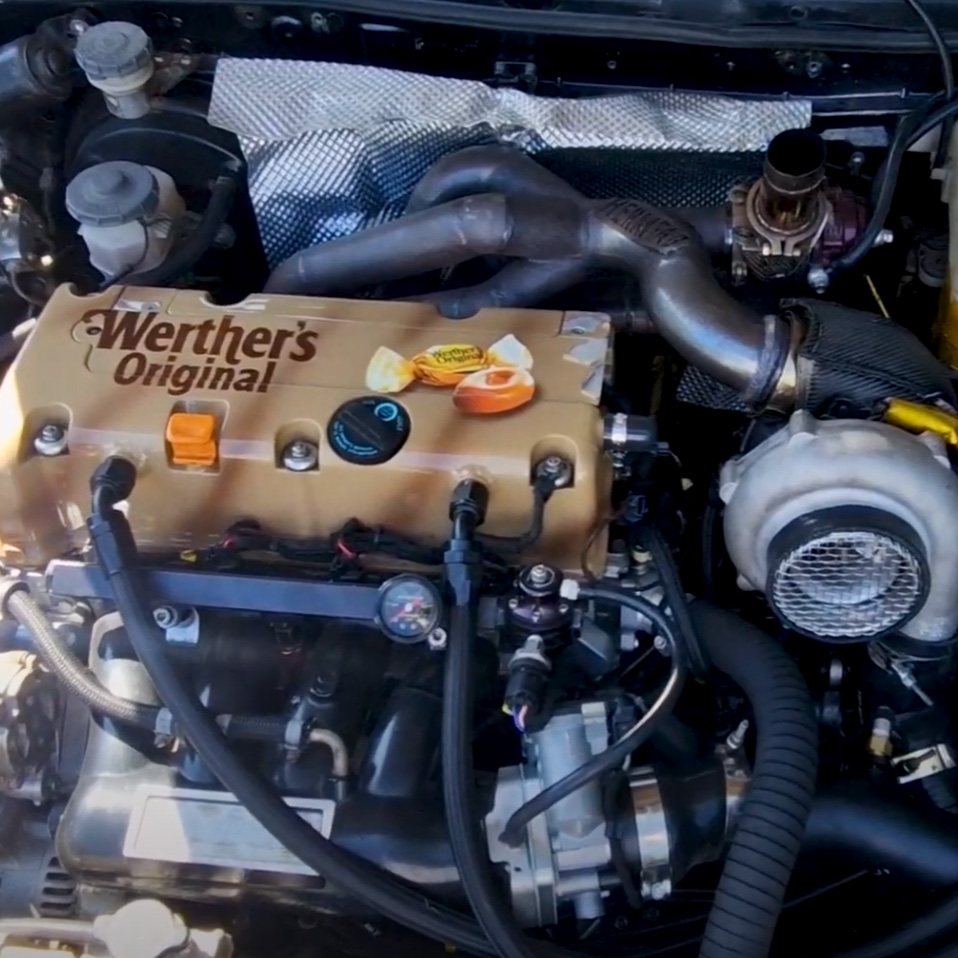
Wiring insulation can become brittle, hoses can soften or harden, and nearby lines can receive more heat than intended. From our experience, the correct sequence is always to check routing and clearance first, then control the heat source and protect the vulnerable part.
MOT and roadworthiness concerns
In Great Britain, MOT inspection guidance includes missing fuel tank and exhaust shields among body, structure and attachment failure items. A loose shield or an unsafe heat-related modification can also create an obvious roadworthiness concern. Repairing the shield properly is safer than relying on whether a particular fault will be noticed at the next test.
How to Inspect a Loose or Missing Exhaust Heat Shield
Never crawl under a vehicle supported only by a jack; always make sure to use a bare minimum of a jack and stands.
If you cannot inspect the area safely, use a workshop.
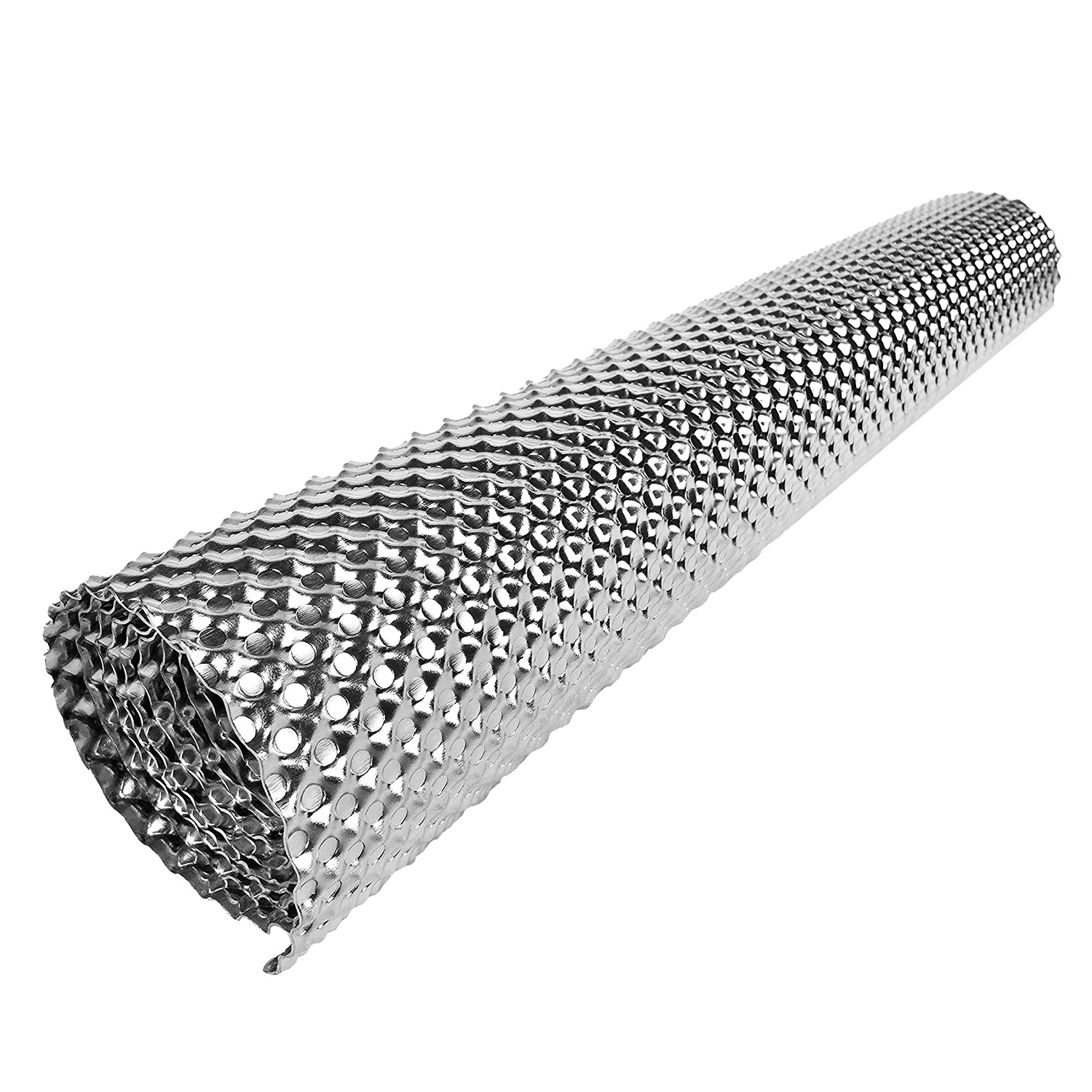
- Let the exhaust cool fully. Catalytic converters, manifolds and downpipes remain hot after the engine is switched off.
- Locate the heat source. Identify whether the shield sits around a manifold, downpipe, catalytic converter, centre section or rear silencer.
- Identify the protected part. Look for the floor, fuel tank, wiring, hoses, brake lines, bodywork or plastic parts directly opposite the shield.
- Check every mounting point. Look for missing fixings, enlarged, corroded holes, cracks and sharp edges.
- Look for heat damage. Check for melting, brittle insulation, discolouration, scorched underseal and burning smells.
- Check again after repair. Once the vehicle has completed several heat cycles, confirm that the shield remains secure and clear of moving or hot parts.
Repair, Replace or Use a Different Heat Solution?
The original-equipment shield should normally be repaired or replaced when it protects a factory-designed area such as a fuel tank, catalytic converter or vehicle floor. Custom heat-management products are useful on modified vehicles, but they must match the exact heat source and vulnerable component.
Preserve the factory shield position and air gap where possible.
This is especially important around catalytic converters, floors and fuel tanks.
Shape it to protect the wider area and leave an air gap where possible.
Only use it on sound exhaust pipework, and do not treat it as a universal replacement for factory shielding.
Repair damaged parts before adding a heat sleeve or shielding.
Our exhaust wrap guide explains when wrapping hot pipework is useful and when it is the wrong fix. Our installation guide also shows how the wrap should be fitted to suitable manifolds and downpipes.
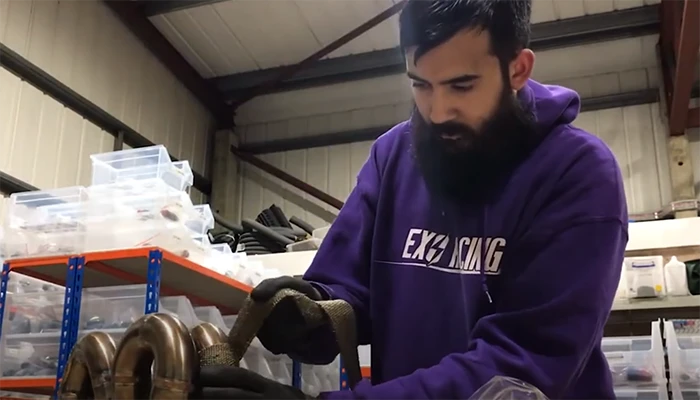
Watch: In our exhaust manifold wrap video, we show how source control is fitted when the exhaust pipework itself is creating the heat problem.
Heat-management options for suitable custom installations
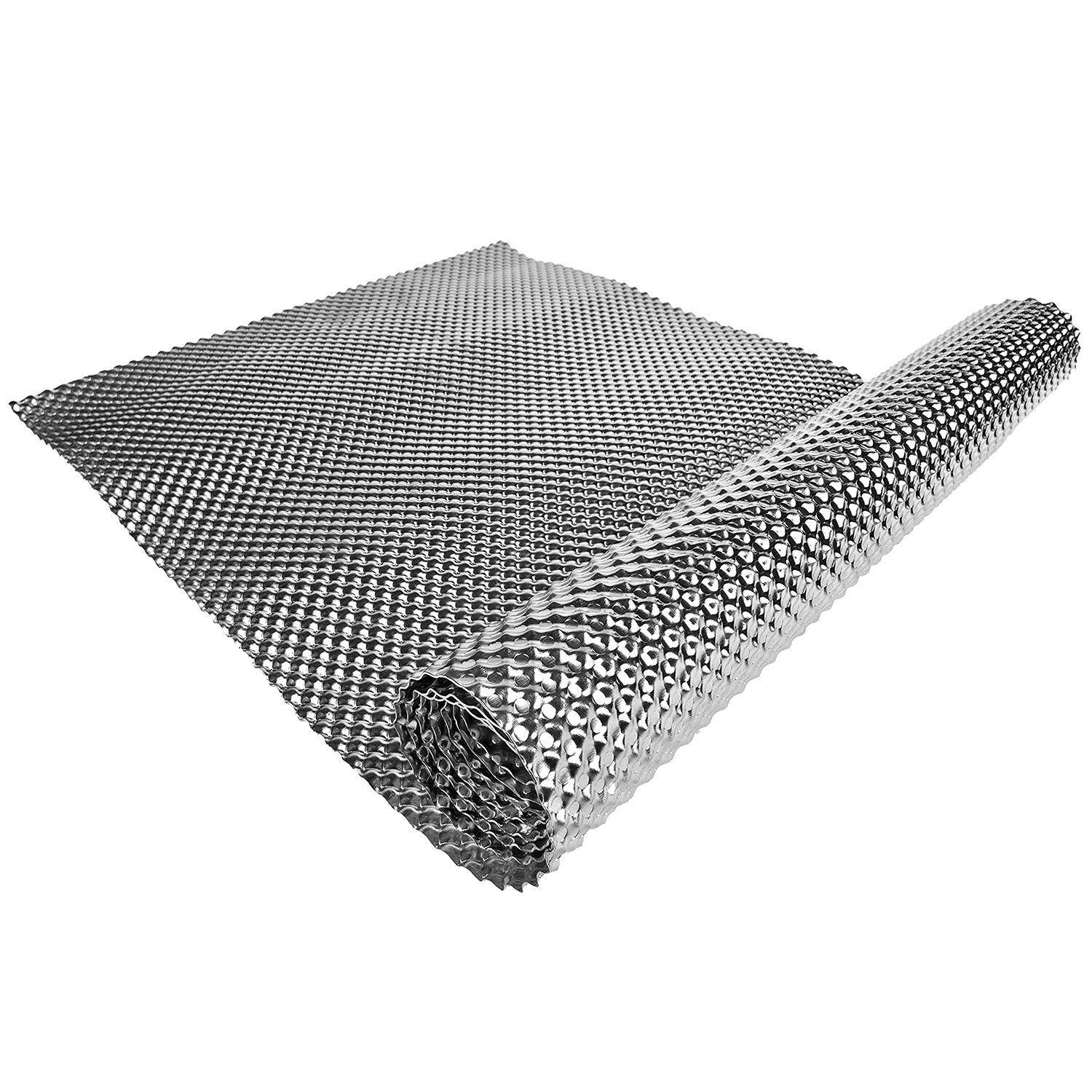 Exoracing Embossed Aluminium Heat Shield
A trim-to-fit rigid barrier for protecting panels, bulkheads, wiring and hoses from radiant heat.
From £49.99
 Exoracing Titanium or Carbon Exhaust Wrap
Controls radiant heat directly from suitable manifolds, downpipes and hot exhaust pipework.
From £24.99
Common Mistakes to Avoid
Removing a rattling shield without finding its purpose
The rattle is annoying, but removal may expose the floor, fuel tank or another part to heat. Identify what the shield protects before deciding what to do.
Using an exhaust wrap to hide a leak or a rotten pipe
Heat protection must not cover a mechanical fault. Repair leaks, cracks and corrosion first.
Wrap should only be fitted to suitable sound pipework.
Fitting a custom shield without clearance
A custom shield must be securely mounted away from the exhaust, steering, driveshafts, suspension, belts and other moving parts. Leave an air gap where possible and manage sharp cut edges safely.
Protecting damaged parts instead of replacing them
Do not put shielding over melted wiring, leaking hoses or damaged lines and assume the issue is solved. Replace the damaged part, improve its routing and then add suitable protection.
Frequently Asked Questions
How long can you drive without an exhaust heat shield?
There is no universally safe distance because the risk depends on the shield location, exhaust temperature, vehicle load, journey length and surrounding parts. Treat a missing shield as a repair issue, not a permanent condition.
Can I remove a rattling exhaust heat shield?
Do not remove it before identifying what it protects. A repairer may be able to secure it with the correct fixings, washers or brackets. If it is hanging dangerously, stop driving and have it made safe.
Will a missing exhaust heat shield fail an MOT?
Great Britain MOT guidance includes a missing fuel tank and exhaust shields among relevant failure items. The exact result depends on the vehicle and defect, but the correct approach is to repair the shield before the test.
Can a missing heat shield cause a burning smell?
Yes. Extra radiant heat can affect underseal, sound deadening, trim, wiring or debris near the exhaust. Stop safely if you notice a burning smell or smoke and have the vehicle inspected.
Is exhaust wrap a replacement for a heat shield?
Not automatically. Exhaust wrap controls heat at suitable pipework, while a shield protects a wider nearby area and can create physical separation. Factory shielding around floors, fuel tanks and catalytic converters should normally be replaced correctly.
Can I make a custom exhaust heat shield?
A suitable rigid shield can be trimmed and shaped for a custom installation, but it must be mounted securely, kept clear of moving parts and positioned with an air gap where possible. Use professional help if you are unsure.
Why does my exhaust heat shield rattle?
Common causes include corroded mounting holes, missing fasteners, broken brackets and a shield touching the exhaust. The repair should remove the movement while preserving clearance and the shield's protective position.
The Practical Decision
You may be able to move a car a short distance without an exhaust heat shield after a careful cold inspection, but you should not treat the missing part as harmless or continue normal driving indefinitely.
Stop immediately if the shield is loose, the protected area includes the fuel system or catalytic converter, or you notice heat damage, smoke or burning smells.
Repair or replace the factory shield where possible. On a suitable modified setup, identify the heat source and vulnerable component before choosing a custom rigid shield, exhaust wrap or another targeted solution.
Browse our heat management range, or contact Exoracing for product guidance if you are unsure which type of protection suits your application.
Shop Heat Management PartsAbout the Author
Exoracing is a UK-based heat management and performance parts specialist.
Since 2018, Matt and the Exoracing team have helped enthusiasts and workshops choose practical solutions for turbo, exhaust, wiring, hose, and engine bay heat using product testing, real installations and customer builds.