

What Are Coilovers? Types, Benefits & Fitment Guide
Posted by Matthew Marks on 1st Aug 2024
andhat Are Coilovers? Types, Benefits, and Fitment Guide
Coilovers can lower your car, sharpen handling and give you more suspension adjustment, but only if you choose the right kit for your exact vehicle and driving use.
At Exoracing, we help enthusiasts and workshops match suspension parts to real modified car setups, from daily-driven Hondas to track-focused builds.
Shop CoiloversCoilovers are one of the most popular suspension upgrades for modified cars, but they are also one of the easiest parts to buy incorrectly. The right kit can improve stance, response and control. The wrong kit can make the car harsh, noisy or difficult to align.
Before choosing a set, it helps to understand what coilovers do, which type suits your driving, how they compare with shocks and springs, and what fitment details matter for your exact car.
The simple answer
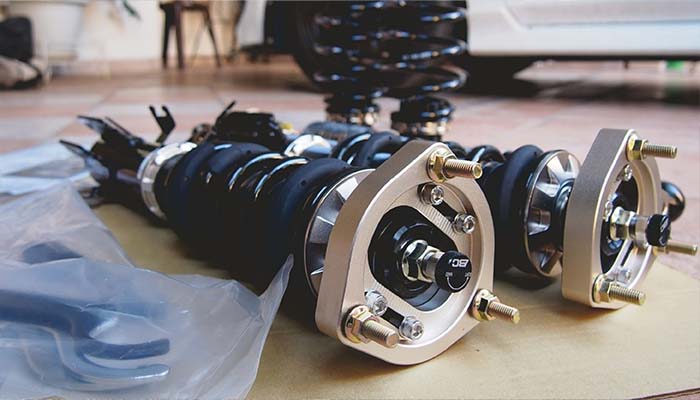
Coilovers are adjustable suspension units that combine a coil spring and shock absorber into one assembly. They let you control ride height and, depending on the kit, damping, preload, camber and corner balance.
They are not universal. To know what coilovers fit your car, you must match the chassis, year, body shape, suspension layout, lower mount style, top mount style and intended use.
For most road cars, the best coilovers are not the stiffest or lowest option. They are the kit that gives usable height adjustment, sensible spring rates, good damper control and proper fitment for your exact vehicle.
- Coilovers combine a coil spring and a damper into a single adjustable suspension unit.
- The main types are street, track, race, full coilovers and sleeve-style coilover conversions.
- Coilovers can improve stance and handling, but a poor setup can make ride quality worse.
- Fitment is vehicle-specific, so check chassis code, mount style, drivetrain and suspension layout before buying.
- After fitting coilovers, the car should be aligned and rechecked after the suspension settles.
What Are Coilovers On A Car?
Coilovers, short for coil spring over shock absorber, are suspension units where the spring sits around the damper body. The spring supports the vehicle and resists compression. The damper controls how quickly the spring compresses and rebounds after bumps, braking, cornering and acceleration.
On a standard suspension setup, the spring and damper may be separate or only lightly adjustable. A coilover normally gives more control over height and suspension behaviour, which is why they are popular on modified road cars, track cars and stance builds.
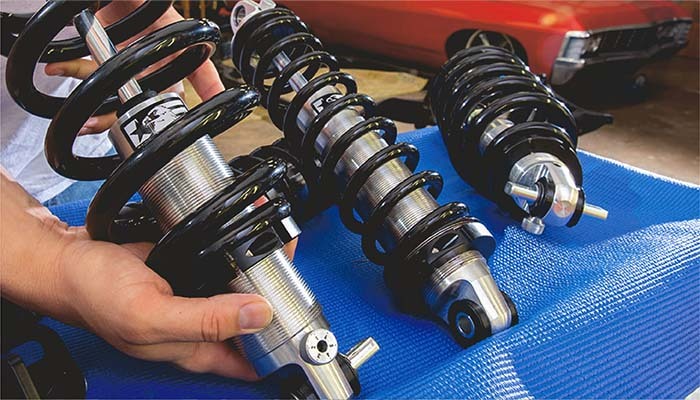
The important point is that coilovers are not only for lowering. Ride height is one benefit, but the bigger value is being able to tune how the car sits, responds and transfers weight.
What Do Coilovers Do?
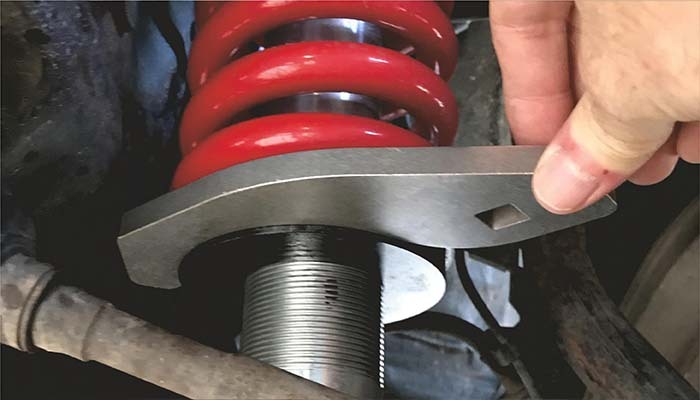
Coilovers let you adjust how the car sits and how the suspension reacts. Depending on the kit, they can lower the car, reduce body roll, improve steering response, help with wheel fitment and allow a more controlled setup for road or track use.
They do this by changing the relationship between spring stiffness, damper control, suspension travel and vehicle height. If those parts work together, the car can feel more stable and responsive. If they are badly matched, the car can feel harsh, bouncy or unpredictable.
Useful for stance, centre of gravity and wheel fitment, but too low can reduce travel and grip.
Higher spring rates feel firmer, and control roll more, but can be too harsh for rough roads.
Good damping stops the car feeling floaty, bouncy or unsettled after bumps.
Pillow ball or camber plates can sharpen response, but may add extra noise in road cars.
Types Of Coilovers
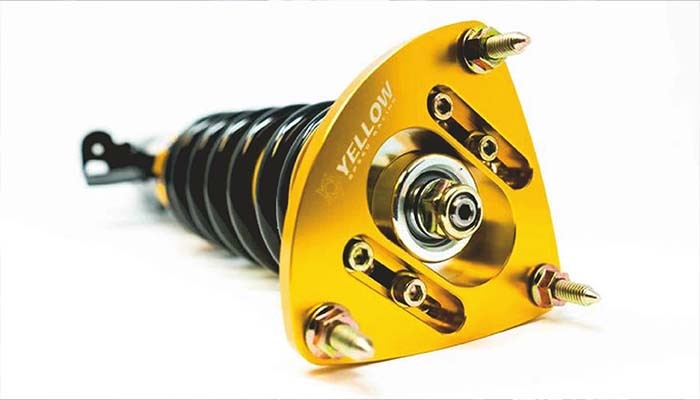
Not every coilover kit is designed for the same job. The right choice depends on whether the car is used for daily driving, fast road use, track days, racing or stance-focused fitment.
Best for drivers who want lower ride height, better control and acceptable comfort.
Firmer and more controlled, but it can feel too harsh if used only on rough roads.
Only worth choosing when the car, tyres and setup support the extra adjustment.
Usually the best route for modified cars because the damper and spring are designed to work together.
Can work in some cases, but they depend heavily on the damper they are paired with.
How To Know What Coilovers Fit Your Car
Coilovers are car-specific. Even if two cars look similar, small suspension differences can make a kit incompatible. Fitment mistakes often happen when a kit is ordered by model name alone instead of checking the chassis and mount details.
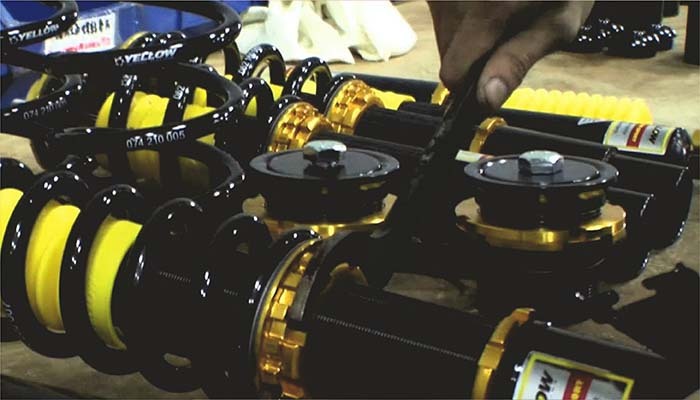
To know what coilovers fit your car, check the exact chassis code, model year, body shape, engine or trim variation, front and rear suspension layout, lower mount style and top mount requirement. On some Honda Civic models, for example, rear fork and rear eyelet shock bottoms are different and must be ordered correctly.
Model names can cover several chassis versions with different suspension parts.
Fork, eyelet, strut and separate spring layouts are not interchangeable.
Daily, track, drift and race cars need different compromises.
More adjustment is only useful if you understand what to change and why.
If you want to search by application, start with our coilovers range or browse by vehicle, such as our Honda performance parts category.
Coilovers Vs Shocks, Springs, and Struts
Coilovers are often compared with shocks, springs and struts, but those terms do not all mean the same thing. Understanding the difference helps you avoid buying the wrong suspension part for the result you want.
Some cars use separate springs and shocks, while coilovers combine them in one adjustable unit.
Springs are cheaper and simpler, but coilovers offer more setup control.
Some coilovers are strut-style, depending on the vehicle suspension design.
Benefits And Disadvantages Of Coilovers
Coilovers have real benefits, but they also introduce setup and maintenance responsibilities. This is where many generic guides oversell them. The right answer depends on what you expect from the car.
Benefits Of Coilovers
The main benefits are adjustable ride height, improved body control, sharper response, better wheel fitment control and the ability to tailor the suspension to road, track or show use. Good coilovers can make a modified car feel more composed and more predictable.
Disadvantages Of Coilovers
The disadvantages are cost, extra maintenance, possible ride harshness, more noise from some top mounts and the need for correct setup. If the car is lowered too far or aligned badly, coilovers can make the car worse rather than better.
How To Choose Coilovers For Daily Driving, Track, or Stance
A daily car, track car and stance car can all use coilovers, but they should not be set up the same way. The key is deciding what compromise you are willing to make.
Choose moderate spring rates, usable height and simple damping adjustment.
Look for a proven street or fast-road kit from a recognised brand.
Choose a kit that suits your tyres, brake setup and track frequency.
Check wheel fitment, arch clearance, driveshaft angle and usable travel before going very low.
For brand and range comparison, our BC Racing coilovers guide covers the V1, BR, DS, ER, RM, HM and ZR series in more detail. You can also compare BC Racing and Yellow Speed Racing options on Exoracing.
Common Coilover Buying And Setup Mistakes
Buying By Model Name Only
Two cars with the same model name can use different suspension layouts. Always check the exact chassis, year and mounting style before ordering.
Choosing The Stiffest Spring Rate
Stiffer is not automatically better. On rough roads, an overly stiff setup can reduce grip because the tyre struggles to stay in contact with the surface.
Lowering Too Far
A car can look good and still handle badly. If the car is too low, it can bottom out, rub tyres, sit on poor suspension angles or lose damper travel.
Skipping Alignment
Ride height changes affect alignment. If you fit coilovers and skip alignment, expect poor tyre wear, pulling, instability or a car that does not feel right.
Ignoring Maintenance
Road salt, grit and brake dust can seize collars and damage threads. Many coilover problems are not caused by the original product choice, but by leaving the adjusters dirty and unprotected after fitting.
What Happens If You Choose The Wrong Coilovers?
The wrong coilovers can make the car harsh, noisy, unstable or difficult to align. The most common consequences are rubbing tyres, poor ride quality, knocking noises, seized collars, uneven tyre wear and reduced grip on bumpy roads.
The correction is to inspect the full suspension system before blaming the damper. Check ride height, preload, collars, top mounts, lower mounts, bushes, tyres and alignment. If the kit is wrong for the car, adjustment will not fully solve it.
When Not To Fit Coilovers First
Do not fit coilovers as a shortcut around worn bushes, damaged top mounts, poor tyres, bent arms, tired ball joints or unresolved suspension knocking. Coilovers can improve a healthy chassis, but they will not fix worn parts around them.
If the car already feels loose, unstable or noisy, inspect and repair the suspension first. Fit coilovers once the base car is healthy enough to benefit from them.
Coilover Maintenance Checklist
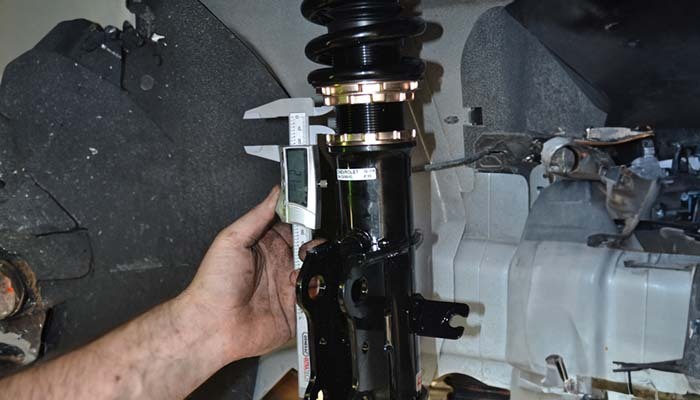
Coilovers need basic maintenance, especially on UK road cars. Use this checklist after fitting and during normal servicing.
This helps prevent seized height adjustment.
Oil on the body may indicate a seal or service issue.
Height and collar tightness should be checked after initial driving.
Tegiwa coilover socks help shield threaded bodies from water, salt and grit.
FAQs
Are coilovers universal?
No. Coilovers are normally vehicle-specific. You need the correct chassis, year range, suspension layout, lower mount and top mount style for your car.
How do I know what coilovers fit my car?
Check your exact chassis code, model year, body shape, suspension layout, lower mount type and intended use. If a product title lists specific chassis codes or mount details, those details matter.
Do coilovers improve handling?
They can improve handling when the spring rates, damping, ride height and alignment are correct. Poor setup can make handling worse, especially on rough roads.
Can coilovers be comfortable?
Yes, but comfort depends on the kit and setup. Street coilovers with sensible spring rates and damping can be comfortable enough for road use. Race-focused kits are usually much firmer.
Are coilovers better than lowering springs?
Coilovers give more adjustment than lowering springs, but they cost more and need more setup. Lowering springs can suit mild road use, while coilovers suit drivers who want more control over height and handling.
Do I need alignment after fitting coilovers?
Yes. Changing ride height affects alignment. After fitting coilovers, let the car settle, then have the alignment set for road, track or stance use.
How long do coilovers last?
Lifespan depends on build quality, road conditions, mileage and maintenance. Cleaning threads, protecting collars and checking for leaks helps extend coilover life.
Are coilovers worth it for daily driving?
They are worth it if you want adjustable ride height and a sharper feel, but choose a street-focused kit. If you only want a standard comfort replacement, OEM-style shocks and springs may be more suitable.
Final Decision: Should You Buy Coilovers?
Buy coilovers if you want height adjustment, better control over stance and handling, and a setup that can be matched to your driving style. For most road cars, choose a street or fast-road kit with sensible spring rates and good corrosion protection.
Do not buy coilovers just because they are the lowest, stiffest or cheapest option. Confirm fitment first, choose the right type for your use, align the car after fitting and maintain the threaded parts properly.
If you are ready to compare options, browse our coilovers range, or use the brand categories above to narrow the choice by vehicle and driving use.
 Shop Coilovers
About the Author

Exoracing is a UK-based performance parts specialist helping enthusiasts and workshops since 2018.
We supply suspension, heat management and performance parts for modified road and track cars, with advice based on real product fitment, customer builds and practical setup questions.