

What Does an Oil Catch Can Do and Is It Worth It?
Posted by Matthew Marks on 1st Aug 2024
What Does An Oil Catch Can Do?
An oil catch can helps separate oil vapour, moisture and crankcase contamination before it gets pulled back into your intake system.
Written for modified road cars, turbo builds, track cars, and anyone trying to keep their intake system cleaner.
Read The AN Fittings GuideIf you have ever removed an intake pipe and found oily residue inside, your crankcase ventilation system is probably sending oil vapour back through the intake. That is normal to a point, but on direct-injected, turbocharged or high-mileage engines, it can become a bigger problem.
This guide explains what an oil catch can does, when it is worth fitting one, how to choose the right setup, and the common installation mistakes that cause leaks, smells or poor crankcase ventilation.
The simple answer
An oil catch can sits in the crankcase ventilation system and catches oil vapour before it reaches the intake manifold or intake pipework.
It is most useful on engines that suffer from heavy blow-by, high boost pressure, direct injection intake valve build-up, or hard track use.
It is not a repair for worn piston rings, blocked breathers, poor hose routing or an engine that already has a serious crankcase pressure problem.
- An oil catch can separates oil vapour and moisture from crankcase gases.
- It helps reduce oily intake deposits, especially on direct-injected and boosted engines.
- Closed systems route filtered gases back into the intake; vented systems breathe to the atmosphere.
- AN10 plumbing is common on higher-flow catch can setups because it gives a good internal diameter.
- The can must be mounted securely, drained regularly and plumbed without kinks or restrictions.
How An Oil Catch Can Works
Inside an engine, a small amount of combustion pressure escapes past the piston rings and enters the crankcase. This is called blow-by. The pressure carries oil mist, moisture and combustion by-products with it.
The positive crankcase ventilation system, usually called the PCV system, allows those gases to leave the crankcase instead of building pressure inside the engine. On many factory setups, the gases are routed back into the intake so they can be burned rather than vented straight out.
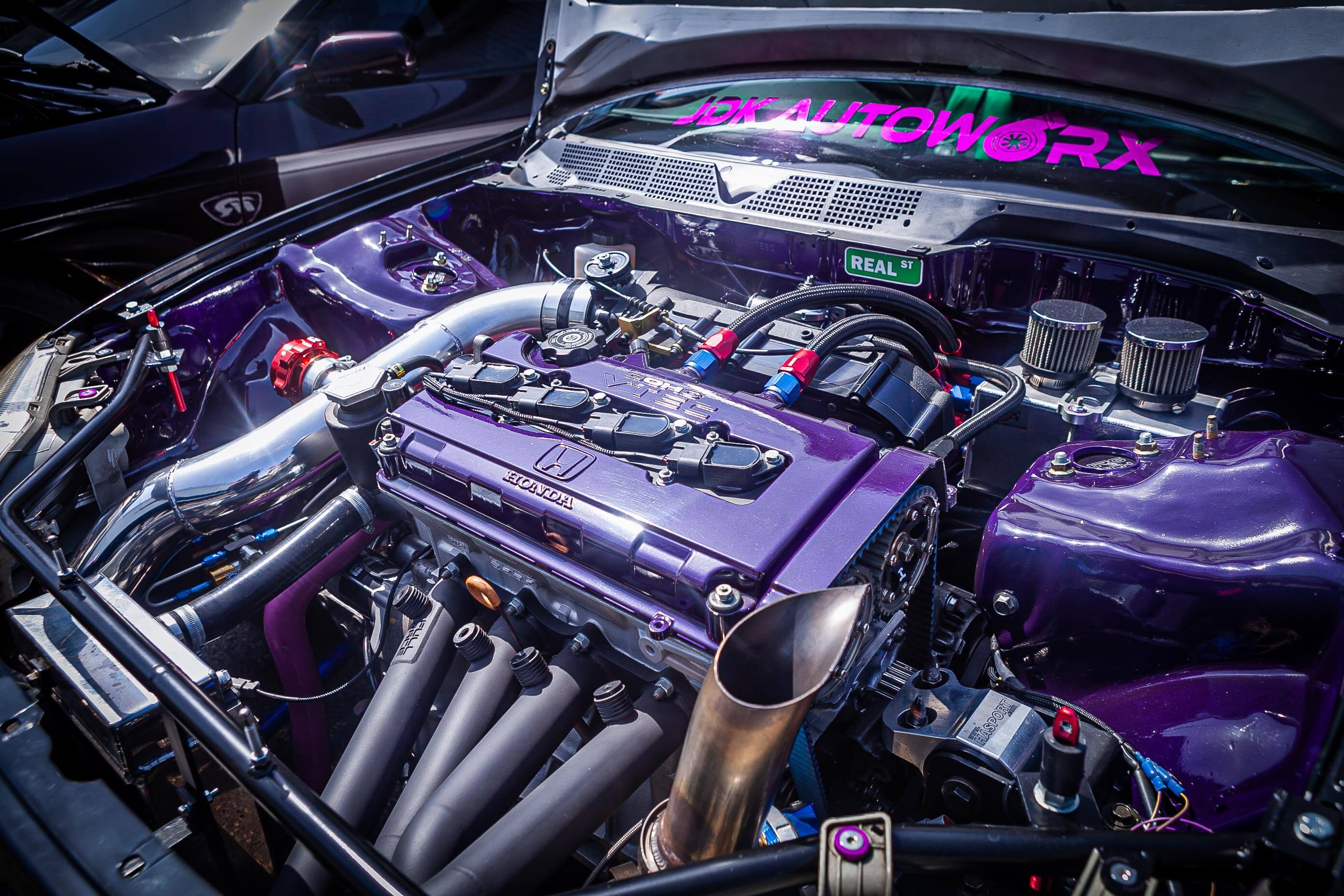
The catch can is fitted into that route. As crankcase vapour passes through the can, internal baffling slows and separates the oil droplets from the air. The oil collects in the can, while the cleaned gas either returns to the intake or exits through a breather filter, depending on the setup.
Why Oil Vapour In The Intake Matters
A light film of oil in the intake is common, but too much oil vapour can create messy deposits inside the intake pipework, throttle body, intercooler, inlet manifold and intake valves.
Direct-injected engines are more sensitive because fuel is injected directly into the cylinder rather than washing over the back of the intake valves. That means oily vapour and carbon deposits can build up on the valves more easily over time.
Turbocharged engines can also benefit because boost, higher cylinder pressure and hard use can increase crankcase pressure. A properly sized catch can gives that vapour somewhere controlled to go rather than letting oil mist coat the intake system.
Do You Actually Need A Catch Can?
A catch can is not essential for every engine. A standard, healthy road car with a well-designed factory PCV system may not need one unless you are seeing clear signs of oil vapour problems.
It becomes more worthwhile if your car is direct-injected, turbocharged, used on track, running higher boost, showing oil inside the intake pipework, or built with a custom breather system.
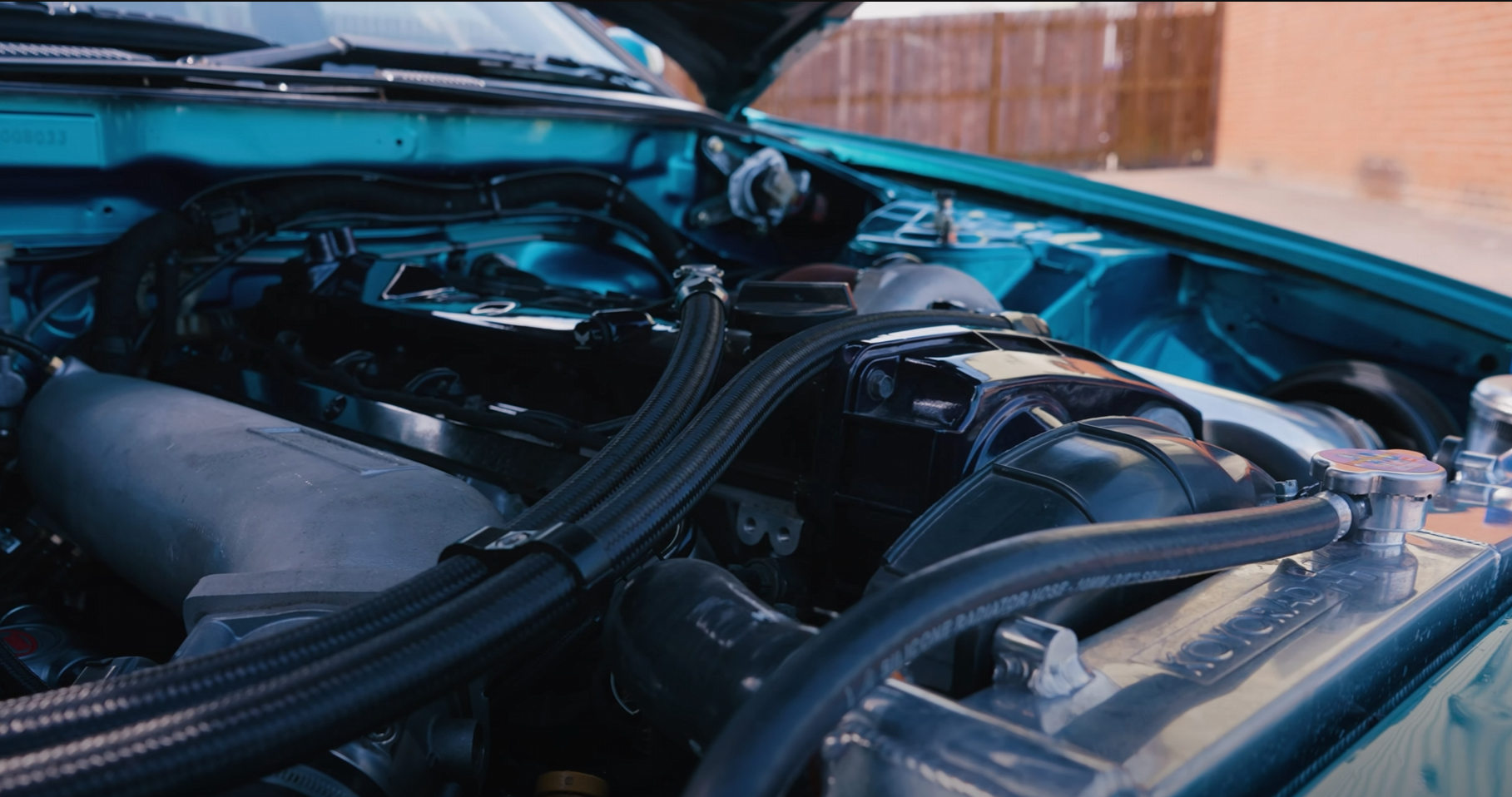
Check the intake first. If it is mostly dry and the engine is healthy, a catch can may not be a priority.
Useful for reducing oil vapour before it reaches the intake valves and manifold.
Higher cylinder pressure can increase blow-by, so flow and hose size matter more.
Choose capacity, ports, routing and drain access around sustained high-load use.
Closed System Or Vent To Atmosphere?
A closed catch can system routes the cleaned crankcase gases back into the intake. This is normally the better choice for road cars because it keeps the original recirculation idea and is less likely to create smells around the engine bay.
A vent-to-atmosphere setup uses breather filters and lets pressure escape outside the intake system. This is common on race cars and high-power builds, but it can create oil vapour smell and may not be suitable for road use, depending on local rules and MOT/emissions requirements.
If the car is mainly road driven, start with a properly routed closed system unless you have a clear reason to convert the breather layout.
How To Choose The Right Oil Catch Can
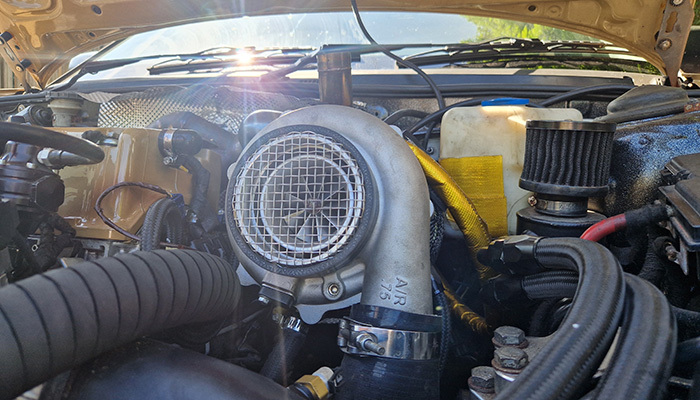
The right oil catch can depends on engine layout, power level, breather port size, available space and whether you want a simple universal install or a full AN10 breather system.
For mild road cars, a baffled universal can with a drain plug is usually enough. For turbo, track or high-boost engines, look for larger ports, good internal baffling, secure mounting and hose routing that does not restrict flow.
If you are using AN fittings, AN10 is a common size for breather and catch can plumbing because it gives a useful internal diameter without making routing unmanageable. You can also use our ultimate AN fittings guide if you need help matching hose, fittings and thread sizes.
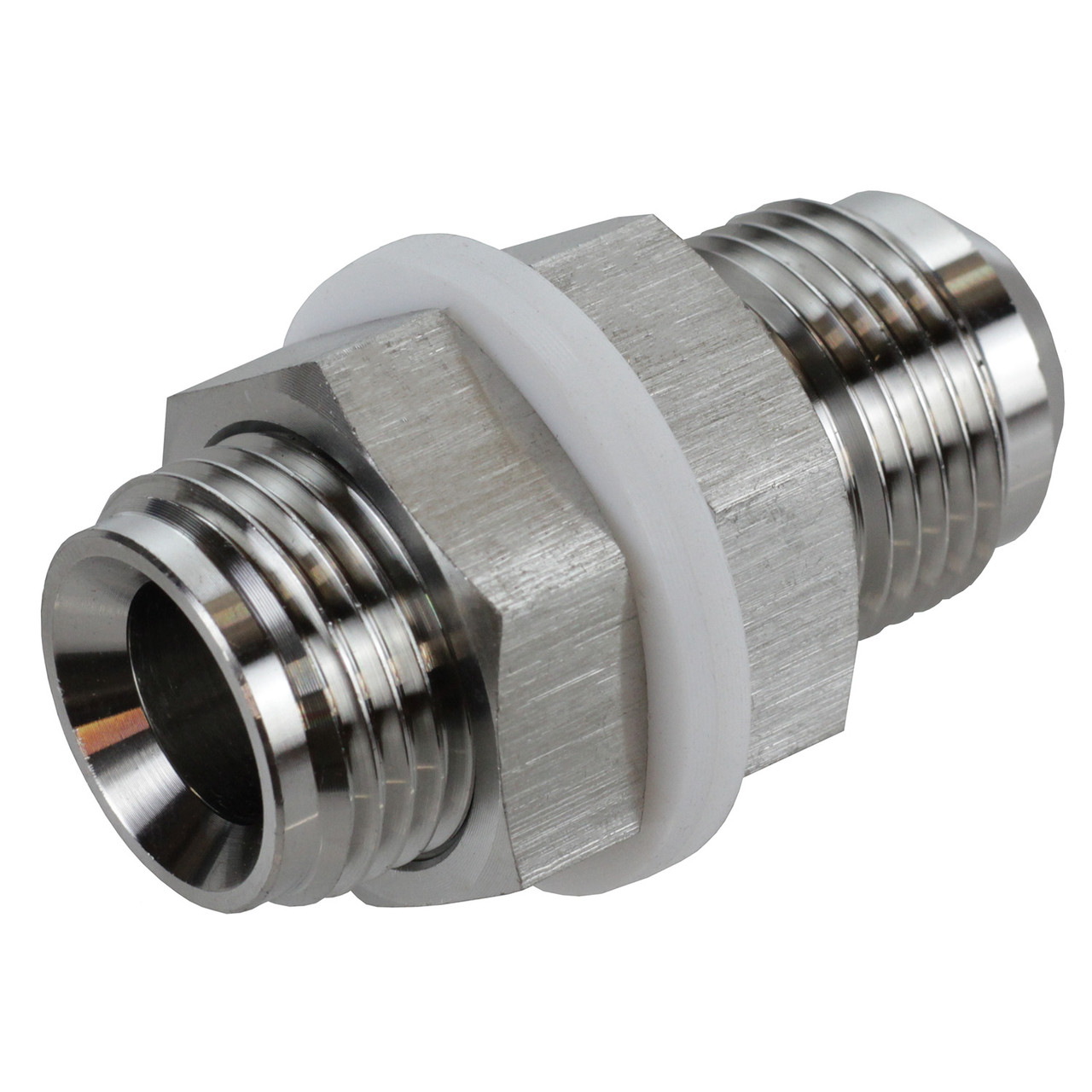 Exoracing An10 Turbo Oil Return Drain Fitting Stainless Steel
Useful for adding a no-weld AN10 male port to custom catch cans, breather tanks or fabricated setups.
From £29.99
 Exoracing AN Black Nylon Braided Hose 1.0m
Braided AN hose for catch can plumbing when paired with the correct swivel hose ends.
From £19.99
How To Install An Oil Catch Can
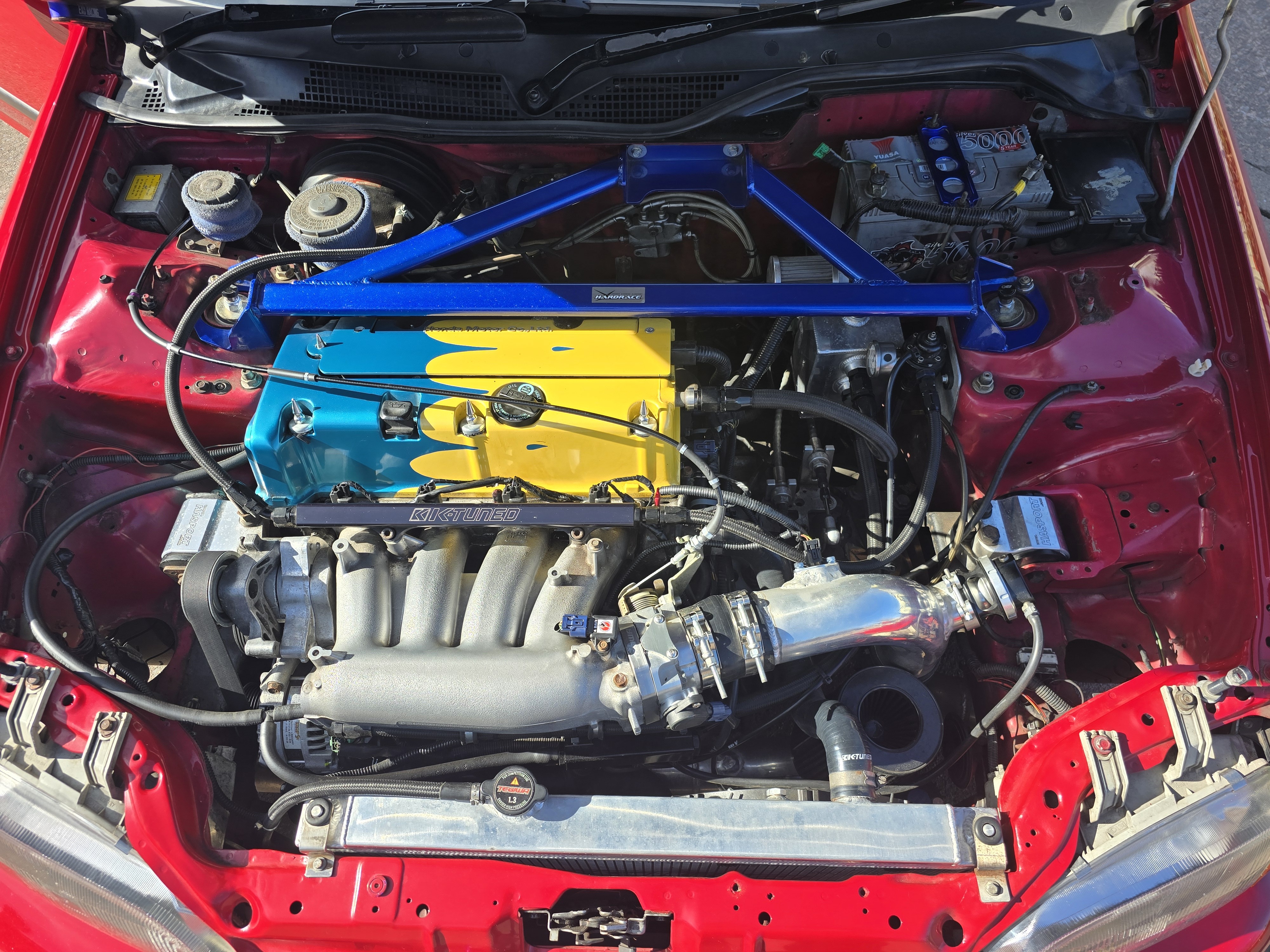
The exact installation depends on the car, but the basic process is the same: choose a secure mounting location, identify the breather route, connect the inlet and outlet correctly, then check the system after a few heat cycles.
1. Choose the mounting position
Mount the can where it is secure, away from excessive heat, and easy to drain. Do not hide it somewhere that makes maintenance impossible, because it can only work properly if it is emptied when needed.
2. Route the inlet from the breather source
The inlet normally comes from the rocker cover, valve cover or crankcase breather port. Keep the hose route smooth, supported and free from kinks. If you are building an AN10 system, make sure the fittings and hose type match.
3. Decide where the outlet goes
On a closed system, the outlet routes back to the intake. On a vented system, it breathes through filters. Do not mix parts randomly without understanding the original PCV layout, because poor routing can create idle issues, oil leaks or crankcase pressure problems.
4. Check for leaks and drain access
After installation, run the car, check for oil leaks, check that hoses are not collapsing, and inspect the can after a short period of driving. If it fills quickly, that can point to heavy blow-by, poor baffling, incorrect routing or an engine health issue.
Watch: If you are making your own AN hose for a catch can install, our AN fitting video helps show the hose and fitting assembly process before you start cutting lines.
Oil Catch Can Pros And Cons
Pros
- Helps keep oil vapour out of the intake system.
- Can reduce oily residue inside intercooler pipework and intake manifolds.
- Useful on direct-injected engines where intake valve deposits are a concern.
- Gives custom and high-boost builds a more controlled breather layout.
- Available in simple universal options and more advanced AN10 systems.
Cons
- It needs draining and periodic inspection.
- Poor routing can restrict crankcase breathing.
- Some engine bays have limited space for a neat install.
- Vented setups can create a smell and may not be road legal in some situations.
- A catch can will not fix worn rings, blocked breathers or serious engine problems.
Common Oil Catch Can Mistakes
Using a hose that is too small
A small hose can restrict crankcase breathing, especially on high-boost engines. Match the hose size to the breather ports and avoid unnecessary reducers.
Mounting the can where it cannot be drained
If you cannot easily access the drain, the can will get ignored. Choose a location that makes inspection and maintenance simple.
Removing the PCV system without a plan
Factory PCV systems are designed to manage pressure and emissions. If you delete or reroute parts without understanding the system, you can create more problems than you solve.
Ignoring heat and hose routing
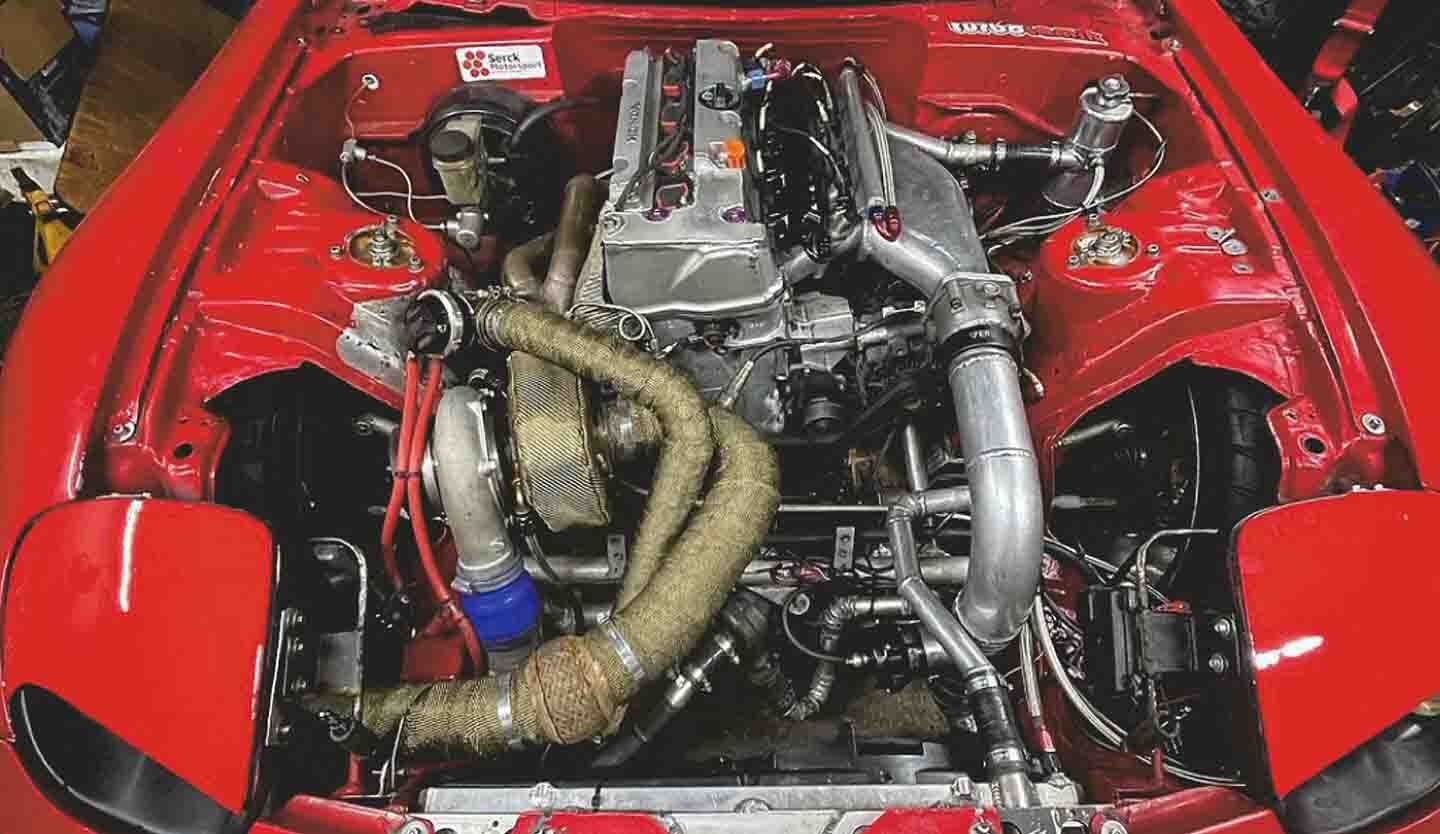
Catch can hoses often run through tight engine bays near manifolds, turbos and downpipes. Keep hoses away from heat sources where possible, and use suitable heat protection for vulnerable lines if routing cannot be improved.
When Not To Fit One First
Do not use a catch can as a shortcut around engine diagnosis. If the engine is pushing out large amounts of oil, smoking heavily, pressurising the crankcase, or filling a catch can very quickly, check the engine condition first.
Also, fix damaged hoses, blocked PCV valves, collapsed breather lines and poor routing before adding more parts. A catch can works best as part of a healthy, properly planned breather system.
Oil Catch Can FAQs
Does an oil catch can add horsepower?
A catch can should not be treated as a power upgrade. Its main job is to reduce oil vapour entering the intake and help keep the intake system cleaner.
How often should I drain an oil catch can?
Check it after the first few drives, then build a schedule around how quickly it fills. Some cars collect very little; others need draining much more often, especially in cold weather or hard use.
Is an oil catch can good for direct-injected engines?
Yes, it can be useful because direct-injected engines do not wash the back of the intake valves with fuel in the same way as port-injected engines. Reducing oil vapour can help reduce one source of intake deposit build-up.
Can I run a vent-to-atmosphere catch can on the road?
That depends on the vehicle, MOT/emissions requirements and local rules. For most road cars, a closed system that routes filtered gases back into the intake is the safer starting point.
What size hose should I use for a catch can?
Use a size that does not restrict the original breather flow. AN10 is common on performance catch can setups, but the correct choice depends on your engine, ports and breather layout.
Will a catch can stop oil leaks?
Not directly. If oil leaks are caused by excessive crankcase pressure, improving the breather system may help, but you still need to diagnose the cause of the pressure and repair any failed seals, gaskets or hoses.
Conclusion
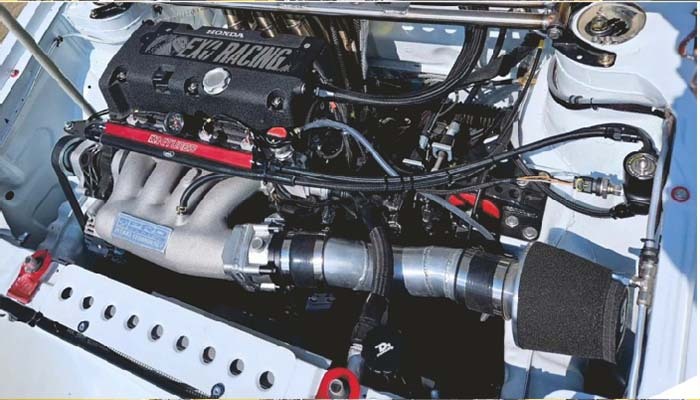
An oil catch can is a simple part, but it needs to be chosen and installed properly. On the right car, it helps keep oil vapour out of the intake and gives the breather system a cleaner, more controlled route.
For a mild road car, keep the setup simple and easy to drain. For a turbo, high-boost or track build, pay more attention to hose size, baffling, AN fittings and breather flow. If you are unsure which route suits your car, contact us with your engine setup and we can help you choose the right parts.
Read The AN Fittings GuideAbout the Author
Exoracing is a UK-based performance parts and heat management specialist.
Since 2018, we have helped enthusiasts and workshops choose parts for turbo builds, track cars, road cars and custom engine bay setups, using practical product knowledge, installation guides and customer support experience.