
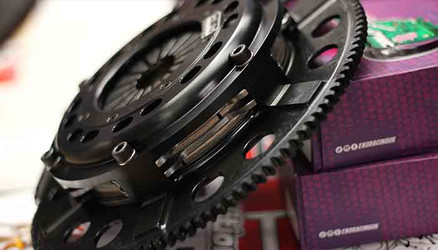
8 Best Honda Civic EP3 Gearbox and Transmission Upgrades
Posted by Matthew Marks on 2nd Aug 2024
Welcome to our Honda Civic EP3 gearbox and transmission upgrades guide, where we will run through the 8 best modifications you can make to increase performance.
We've all been there when either going for more power or needing to upgrade a specific part, but not knowing the best option.
We'll fix that in this guide and run you through the best performance and value-for-money Honda Civic Type R EP3 gearbox and transmission modifications.
We have picked a wide range of parts, from power upgrades to OEM replacement options, so wherever you are in your journey, this guide will apply.
The best EP3 transmission setup depends on how you use the car.
A stock or lightly modified road car needs something very different from a turbo road car, drag build, or track-only setup.
That is why it helps to think in stages. First, make sure the worn parts are sorted. Then choose the upgrades that match your real power level, budget, and use.
Another thing that often gets overlooked in EP3 transmission builds is heat.
As you add power, grip, and harder driving into the mix, you also add more heat into the clutch, gearbox oil, and engine bay.
That matters because heat can shorten fluid life, make gear changes feel worse when everything is hot, and increase stress on nearby hoses and lines in turbocharged builds.
So while this guide is mainly about gearbox and transmission parts, good heat management still plays an important supporting role.
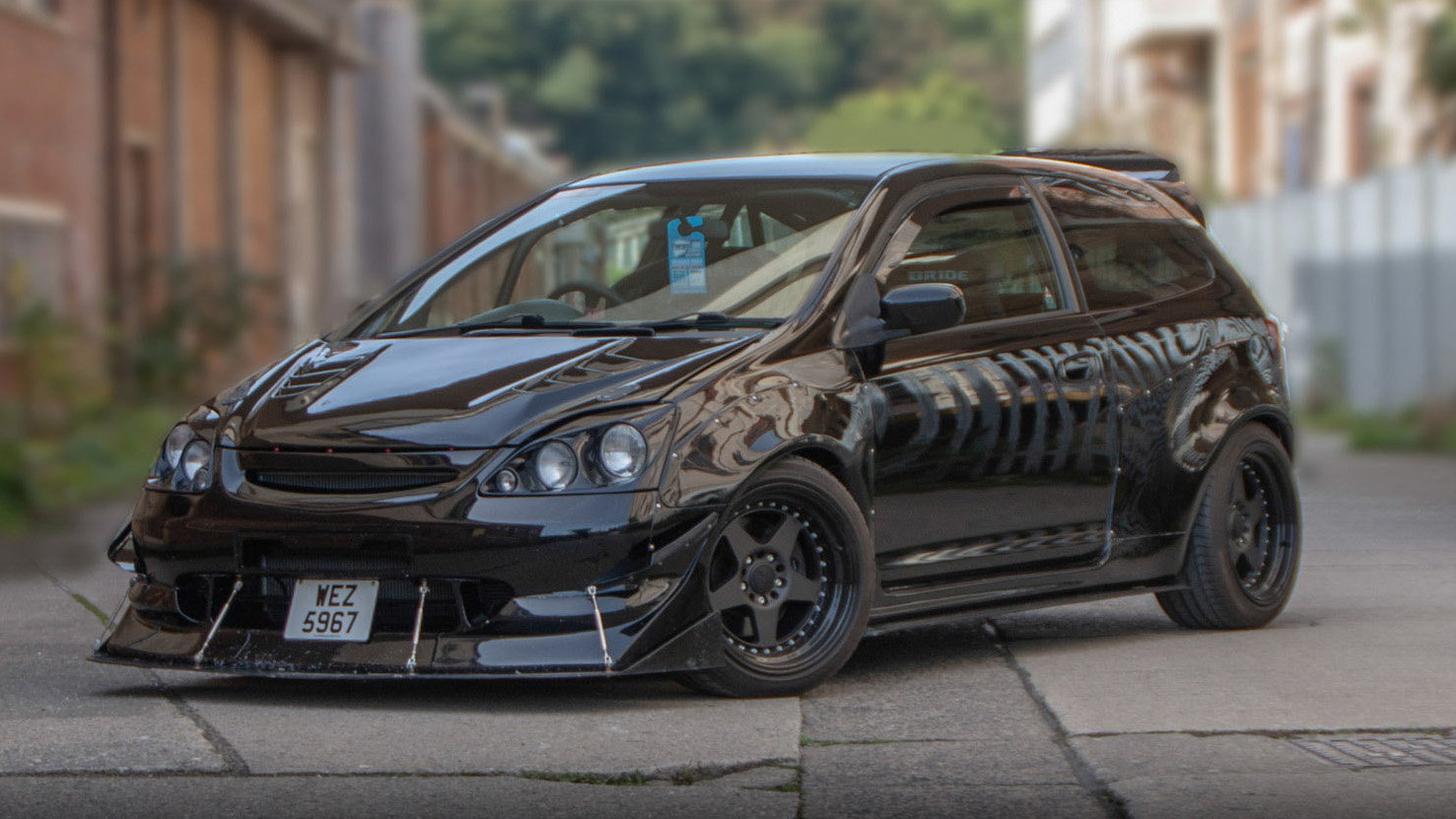
Photo: Instagram @Widearch_ep3
- Match your clutch and flywheel to your actual power level, not just what sounds best
- A final drive and LSD can completely change how fast the EP3 feels
- Small upgrades like oil, bearings, and springs can make a bigger difference than people expect
1. EP3 Clutch Upgrades
The clutch is one of the key parts that transfers your K20 power through the gearbox and down to the road.
As these cars are getting older, the OEM clutch is more prone to being worn or slipping.
Here are the best options for anything from totally stock engines to high-horsepower K20 drag cars.
Clutches do not just need to hold torque. They also need to deal with heat.
The harder you launch the car, the more you slip the clutch, or the more track abuse it sees, the more heat you generate through the clutch and flywheel assembly.
That is one reason why choosing the right clutch matters so much. A clutch that is underspecified for the build can start to suffer once heat builds up, even if it feels acceptable at first on a mild road drive.
EP3 Exedy OEM Clutch Replacement
If you have just bought your Honda Civic EP3 or are running stock power, an Exedy OEM replacement clutch is the best option.
Even if you are slightly modified, these are still an excellent option. However, as soon as you go much further than 240bhp, I recommend using a higher-stage clutch.
These are much cheaper than the Genuine Honda clutches and are just as reliable in our experience.
Also, currently coming in at £155, they are relatively inexpensive compared to any other manufacturer.
EP3 Competition Stage 2 Clutch
If you've started to increase your power over stock, then stage 2 is a good option.
The stage 2 Competition Clutch has been manufactured to hold an 80% increase over the stock torque figures, roughly 300bhp. It is made for aggressive street use or moderate track use.
Stage 2 is also a sprung disc, which makes it feel much nicer to drive on the road compared to an unsprung disc.
Currently, they are coming in at £456, and given how reliable they are on the road, they are outstanding value for money.
EP3 Competition Stage 4 Clutch
The next Competition Clutch worth considering for your EP3 gearbox upgrade would be stage 4.
I've specifically skipped stage 3 as stages 2 and 4 are the most popular, and there is a slight price difference between them, so it makes sense to skip a step.
If you did specifically want stage 3, though, for that little bit of extra driveability, then click here!
At a massive 250% torque increase, which is around 450-500bhp, this would be the most popular clutch we sell.
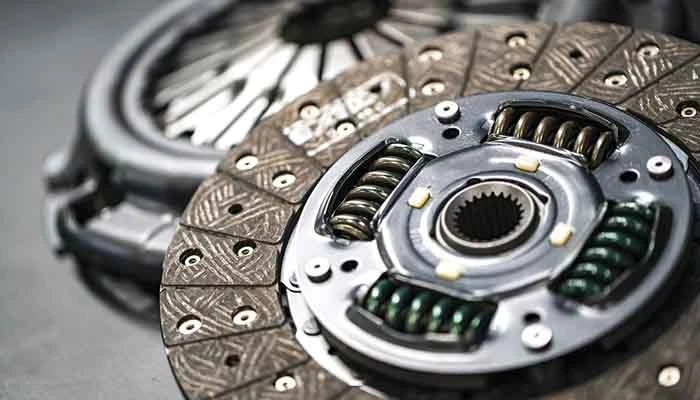
For most stock block EP3 turbo builds, this would be the clutch to go for, as they are designed for heavy street or track use.
Right now, they are retailing at £484, so only a £30 increase on stage 2, and they can handle much more power.
EP3 Competition Twin Plate Clutch
The last upgrade for the EP3 clutch would be the twin plate.
This clutch can hold up to a 300% increase in torque at the wheels and is rated from 500-1200bhp.
Because of this massive power increase over stage 4, this is a very popular clutch for high-horsepower track and drag builds.
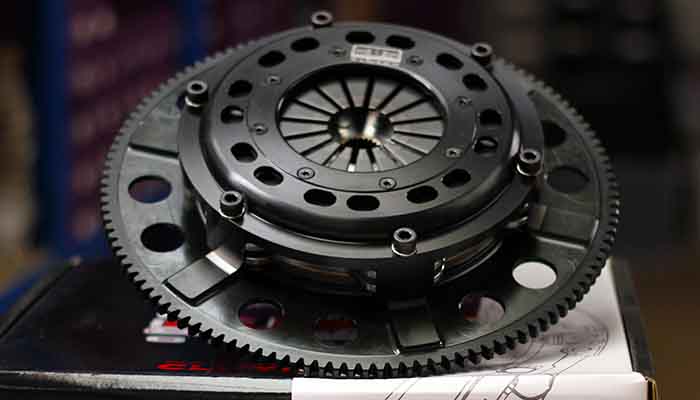
Also, the friction plates are replaceable, which makes this clutch a no-brainer!
Due to being able to hold much more power, they are also at a significantly higher price.
Currently, they are coming in at £1292, but they are one of the most cost-effective for this power range. Plus, they also come with a flywheel, which makes them even better value.
2. EP3 Flywheel
Going off the back of the clutch, you will also need to look at the flywheel.
A lighter flywheel can make the EP3 feel more eager, but it is important to keep your build goal in mind.
On a road car, you may want a balance between response and drivability. On a more aggressive build, the lighter options can help the engine rev faster and feel sharper between shifts.
If you've decided on a twin plate clutch with a flywheel or are happy using your stock flywheel, you can skip this step. Still, there are a few advantages to upgrading here.
Firstly, aftermarket flywheels are lighter than their OEM counterpart, and usually, one-piece designs are made from hardened steel to reduce the chance of warping.
Having a lighter flywheel is an excellent advantage as it reduces the work the engine has to do, which will allow the engine to rev more freely.
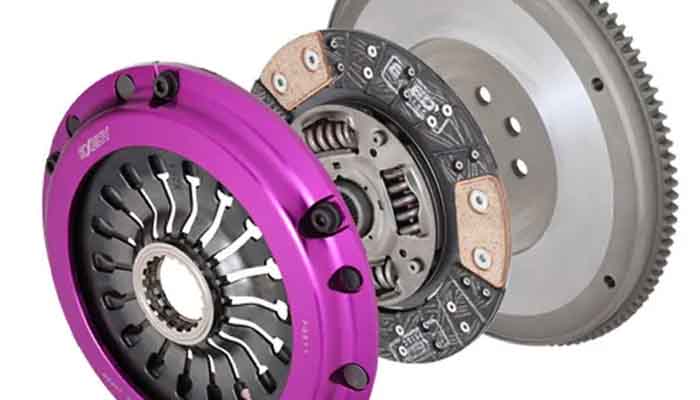
The OEM flywheel is between 7-8kg, so there is a significant saving here as most aftermarket flywheel weights are between 3.2-6.5kg.
Flywheel choice also affects how the car behaves once everything is hot.
A lighter flywheel can make the engine feel sharper and more eager, but on a harder-driven build, you still want a quality unit that deals well with repeated heat cycles and abuse.
This becomes more important if the car is used for track days, drag launches, or turbo road use, where temperatures climb quickly.
There are a few options here, depending on which clutch you decide to go with:
OEM to Stage 2 K20 Clutch
You will want a lightweight flywheel such as the Competition Clutch lightweight flywheel, which is 5.28kg.
Stage 3 to Stage 4 K20 Clutch
You will want the Competition Clutch ultra-lightweight flywheel at 3.99kg or the RPC lightweight chromoly flywheel at 3.2kg.
 Competition Clutch For Honda Civic Integra Ep3 Dc5 K-Series
Covers OEM through twin and triple disc options, so it fits almost any EP3 build stage.
From £217.79
 Competition Clutch Flywheel For Honda Civic Integra Ep3 Dc5 K-Series
A lighter one-piece steel flywheel to help the engine rev more freely and feel sharper.
From £298.17
3. EP3 Driveshafts
When driving the car for a while, either on the road or racing, you'll know that over time, you will wear down the driveshaft CV joints.
This is much faster if you launch the car in situations like drag racing.
You can quite easily snap a driveshaft whilst launching or, at the minimum, break the CV joint or have excessive play.
To counter this, new driveshafts are always a welcome upgrade, and there are a few options here to choose from depending on your power level.
First, if you wanted to go with OEM power driveshafts, the best value for money would be the Tegiwa driveshafts, currently coming in at £336, but they are only really good for either stock power or a slight increase.
Next is anything up to 500bhp, where you can go with Insane Shafts or Driveshaftshop. Both are good options here, but Insane shafts right now are easier to get hold of.
Last would be anything over 500bhp and more for race use. There is only one good option here, and that would be Driveshaftshop. It will hold up to 850bhp but comes in at a high price tag of around $2400 right now!
4. EP3 Gearsets
The next thing on the list to talk about would be the EP3 gearset and the different versions you can choose to go with.
There are multiple options here, such as helical, straight cut, and sequential, depending on what you're using the car for.
For example, if you're building a 250bhp road car and want to keep spending to a minimum, you won't be running an £8,000 sequential!
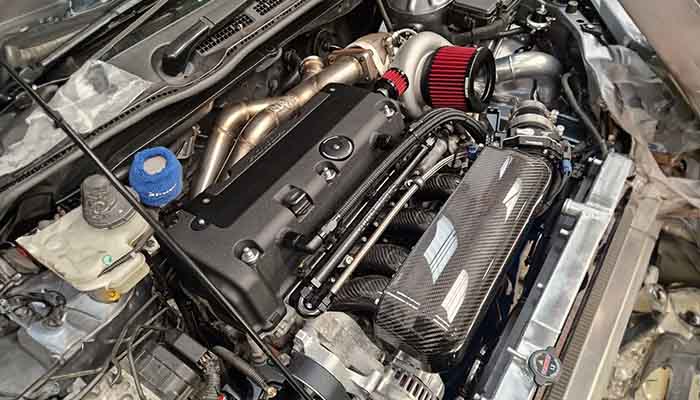
Oem EP3 Helical Gearsets
OEM gearsets use a synchromesh, or as it's more commonly called, synchro engagement, with helical cut gears for a smooth engagement when changing gears.
The gears, being helical cut, have been designed in a way to be quiet and easy to use on the road, and there are a few upgrade options here if you don't want to go for anything more aggressive.
The first option would be to go with an OEM retrofit gear set, such as the genuine Honda JDM 4th-6th gears.
This gearset is found in a Honda Integra DC5 and will shorten the gears from:
- 4th gear from 1.147 (107mph) to 1.212 (101mph)
- 5th gear from 0.921 (134mph) to 0.972 (127mph)
- 6th gear from 0.738 (167mph) to 0.780 (158mph)
This is the cheapest option for a closer ratio gearset, and being OEM, you can buy them second-hand or currently brand new for around £720.
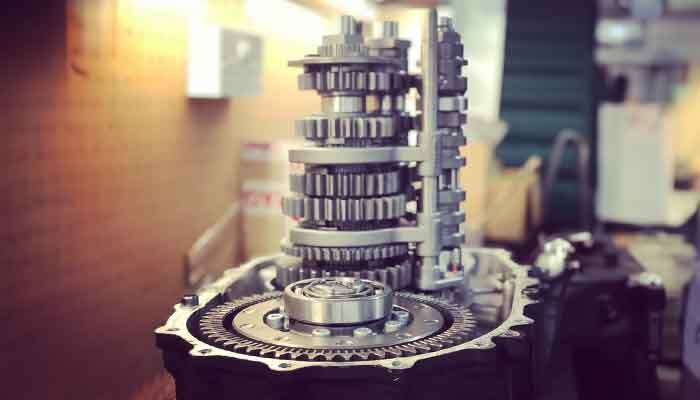
Close Ratio EP3 Aftermarket Helical Gearset
The next section of our gearset upgrade would still be a close ratio set, but more at the higher end, being aftermarket.
The best brand for helical gears would be Mfactory, as they are tried and tested on multiple race-winning cars and are mainly used for up to around 400-500bhp and light or heavy track use.
The Mfactory gears actually go through a heat treatment, which makes them much more robust and more reliable than the stock gearset, but they are also much more expensive.
There is a considerable price gap here, where the total close ratio set from Mfactory is currently £3557. Still, it is also one of the stronger options for close-ratio helical gearsets.
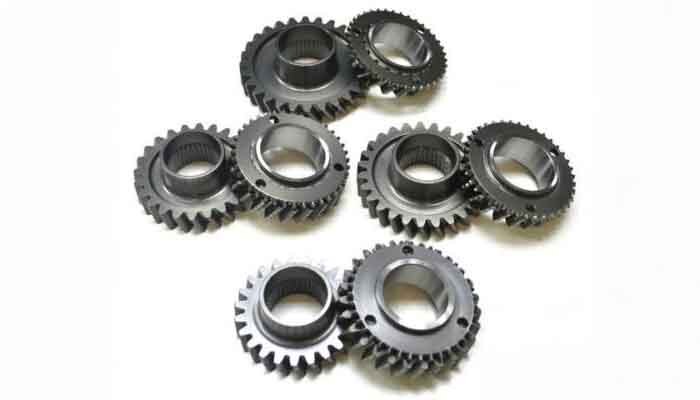
Straight Cut EP3 Gearsets
The next upgrade would be to go from a helical gearset to a straight-cut gearset, commonly known as a dog box.
The dog tooth engagement is perfect for high horsepower and drag racing applications as the straight-cut gears are less prone to shearing than the helical design and, in turn, can hold much higher loads.
The main downside here would be the cost of the straight-cut gears, as being designed for high horsepower, they are made from premium materials and incur a premium cost.
For example, if you were going with a 1st-4th PPG dog gearset, you would be looking at around £6600, but once you get to a certain horsepower or drag-only use, you won't have a choice.
You either must replace broken gears or bite the bullet and upgrade!
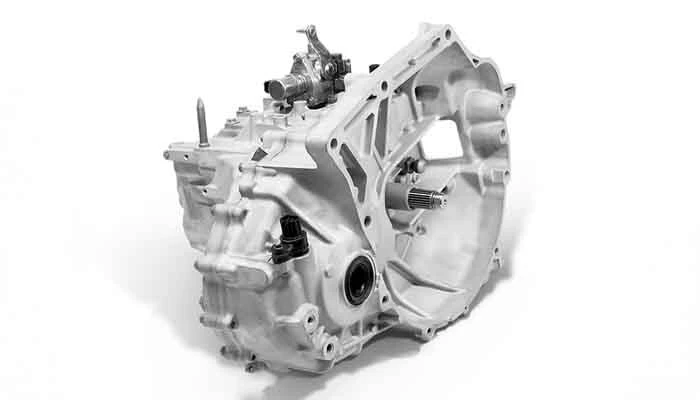
Sequential EP3 Gearbox
The last option on the gearset list would be a fully sequential gearbox.
This option is rarely used on the road due to the cost, but it does sound incredible on acceleration. (I'm sure you've seen some mad sequential videos!)
So, with a sequential gearbox, you cannot jump gears as you can in a manual, for example, going from 1st gear to 4th gear. You have to run up and down the gears in order.
Because they are designed for going harshly through gears, they are much more reliable for drag racing than an H-pattern gearbox, and it's much harder to miss a gear.
For drag racing or track use, sequential gearboxes are one of the fastest and most efficient gearboxes to use. Again, everything goes up in cost from all of the other options.
Currently, Quaife offers a fully sequential gearbox, which is literally drop-in but costs an eye-watering £10,000.
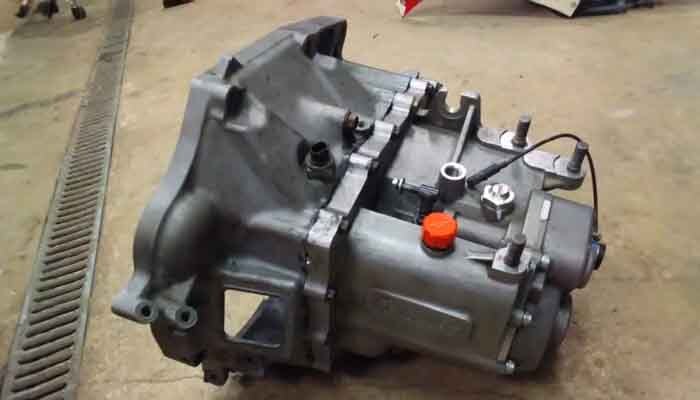
5. EP3 Final Drive
Changing out your final drive can make one of the most significant differences in your acceleration.
Final drive upgrades are popular because they change how the car accelerates without needing more engine power.
On a naturally aspirated or mild setup, a shorter final drive can make the car feel much more urgent. On a higher-horsepower turbo build, you may need a longer ratio to make traction easier to manage.
Just by swapping out this one part for an aftermarket option, you can increase your acceleration, on average, by up to 15% over the entire rev range.
They are relatively inexpensive for the difference they can make, especially if you're in a turbocharged application.
It is also worth remembering that a shorter final drive can make the engine work harder more of the time.
That can be brilliant for acceleration, but it can also mean more heat going through the drivetrain on a car that is driven hard for long periods.
On a road car, this is usually manageable, but on a track or turbo build, it is another reason why servicing and heat control matter.
What Is a Final Drive?
A final drive is a gear between your transmission and the wheels to transfer the power from the engine.
By changing the ratio of this gear, you can dramatically improve either the acceleration or the top speed of the car.
The EP3 comes with a 4.76 final drive, so lowering this number would mean less torque at the wheels but a higher top speed.
The opposite is also true; a higher final drive number will mean more torque at the wheels but a lower top speed.
Because you don't need to increase power for this to benefit you, this is a very common modification for an EP3 straight out of the gate.
One thing to note, though, is that because your engine will be working harder with a higher ratio final drive, your fuel economy will drop.
Best Final Drive Options
There are a few final drive options on the market, but the most common Stock EP3 upgrade would be the Mfactory 5.08 final drive or the Spoon Sports 5.1 final drive.
There is a situation where you are better off going with a lower final drive than stock, and that's for high-horsepower builds or drag racing.
You get to a point where you need more top-end speed and longer gears for traction, so going lower here with something such as the Mfactory 4.0 Final drive would be beneficial.
 Mfactory Final Drive Gears For Honda Civic Integra Ep3 Dc5 K20a
One of the strongest upgrades is for changing how quickly the car accelerates through the gears.
From £778.38
 Mfactory Helical Lsd Differential For Honda Civic Integra EP3 DC5 FN2
A fit-and-forget traction upgrade that helps put more power down without plated diff noise or rebuilds.
From £727.80
6. EP3 Synchro Upgrades
A synchro is a ring device which goes between the gear and the gear hub and equalises the speed between the main shaft and the gear you're going into.
Because they use friction to achieve this, they are expected to wear out over time and to feel the dreaded crunch between certain gears (normally 2nd or 3rd).
As the synchros are such a common replacement item, there is a company specifically for replacement and upgrade parts.
The company is called Synchrotech and manufactures a range of synchros for the Honda Civic Type R EP3 in either brass or carbon, depending on your budget or what you're using the car for.
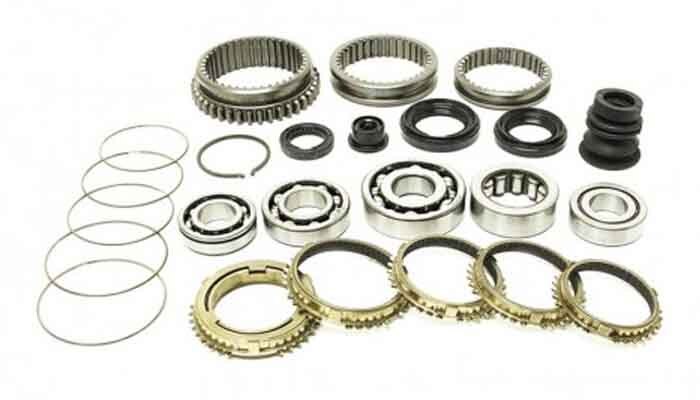
K20 Single or Dual Cone 5th/6th
The EP3 comes with either a single or dual cone synchro on the 5th/6th gears, depending on which year your car is.
This is worth checking before you order synchros to ensure they are correct, and you won't need to rebuy individual synchros.
EP3 Brass Synchro Replacement
First would be the brass Synchro upgrade, which is found in the OEM gearbox.
This is an excellent upgrade if you want to refresh your gearbox or are running high compression or low boost and want to go with something other than the carbon option.
If you just wanted to replace the synchros themselves, you'd be looking at the 1st-6th K20 brass synchro set, which will set you back around £365.
EP3 Carbon Synchro Upgrade
The last option here would be the carbon fibre-lined synchro upgrade.
This is the strongest option with the K20 synchros being carbon-lined, so although they aren't necessarily longer-lasting, they will take more abuse than the standard brass versions.
The K20 carbon synchros are worth going for if you're going with either a race car or turbocharged build to make it less likely you have synchro and gear change issues.
7. EP3 Limited Slip Differential
Most of the EP3s from the factory came without an LSD (limited-slip differential), which can result in one of the front wheels having grip whilst the other is spinning.
To overcome this, installing an LSD is a massive upgrade, as you can then have power distributed to both of the front wheels, which will increase your grip and either lap or drag times.
For most road and fast-road EP3 builds, a helical LSD is the easiest recommendation because it provides more traction without the extra servicing and noise that come with plated diffs.
It is one of the upgrades that often makes the car feel faster everywhere, not just in one specific situation.
One thing to note here would be if you went for a Mfactory differential, they recommend using Torco gearbox oil and will only warranty it if you're using this.
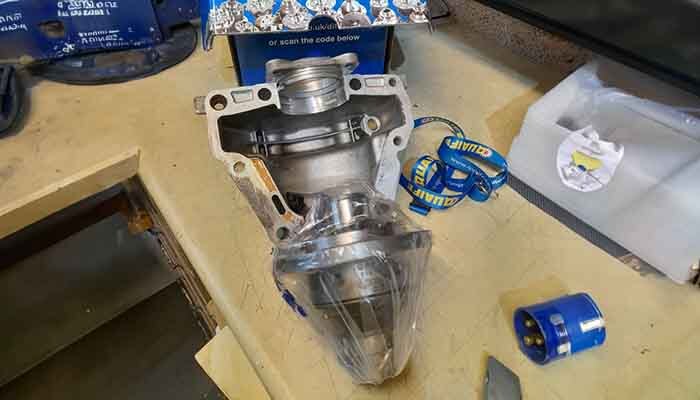
EP3 Helical Limited Slip Differentials
The most popular upgrade here is to go with a helical LSD for a road car or light track use.
This is because the helical diff is quieter than a plated diff, is easier to use on the road, and doesn't need rebuilding, so it is fit and forget.
They are also cheaper than the more aggressive plated diffs, so we recommend this for road use.
One of the best LSDs you can buy currently, as a complete drop-in, would be the Mfactory helical differential. If you want to upgrade further, they do a racepack stage 1, which is slightly more aggressive than the standard version.
For the price, this would be our top choice, and including bearings, they are currently retailing for £886.
EP3 Plated Limited Slip Differentials
Now, onto the more aggressive of the diffs, the metal-plated option.
This is only recommended for track or race use, as the clutch plates need replacing and servicing after a while and are much noisier than helical diffs.
They also offer more traction and are much more aggressive than helical diffs.
If you're going for a complete race build, then plated is nearly always the best option, as you get the most grip and most aggressive lock possible.
In the future, we will write an entire article going further in-depth regarding metal plate LSDs, as there are a few options available. Still, the most popular for acceleration and deceleration would be the 1.5-way diff shown below.
Also, currently at £990, including bearings, it is one of the best upgrades you'll install on your race car!
8. EP3 Servicing and Optional Upgrades
Last on our 8-point EP3 gearbox and transmission guide would be servicing and optional upgrades to further enhance everything on this list.
Although more service-based, it is as important as all the other shiny upgrades. It will allow you to get the maximum performance out of your transmission.
Servicing parts are easy to overlook because they are less exciting than a clutch or differential, but they are often what make the finished gearbox feel right.
Fresh oil, healthy bearings, and stronger springs all help the transmission feel tighter, cleaner, and more confidence-inspiring once the bigger upgrades are installed.
EP3 Gearbox Oil
The most important thing here would be to choose the correct gearbox oil.
There are thousands of options, but the most common would be to go with genuine Honda MTF gearbox oil.
You will need 2 litres for a K-Series, but it's always worth carrying a spare in case you ever need it!
If you've decided to go with an Mfactory or any other aftermarket differential, always check to see which oil they recommend.
For example, as I said above, Mfactory will only warranty the differentials if you use Torco MTF, so it's always worth checking with the manufacturer just in case you ever come into problems.
As mentioned above, you will need 2 litres for your K-Series, so grab 2 bottles as Torco is generally only sold in 1ltr bottles.
Heat is one of the biggest reasons gearbox oil choice matters. As the oil gets hot, it has to keep protecting the gears, bearings, synchros, and differential under load.
If the oil is wrong for the setup or is past its best, the gearbox can feel worse when hot, and you risk adding wear over time.
That is why it is worth using the fluid recommended by the manufacturer, especially if you are fitting an aftermarket differential.
EP3 Gearbox Bearings
The next most important thing would be to replace your gearbox bearings.
Unless you know when they were changed, they are more than likely worn. Whilst you're doing other gearbox upgrades, it would be worth getting them changed out to reduce play in everything.
Synchrotech sells a handy bearing and seal kit, which is a complete OEM replacement for the entire gearbox and at a pretty good price!
If you want to see the entire contents, click on the bearing and seal kit product listing below:
EP3 Detent and Gearbox Springs
The last parts on this list would be the detent and gearbox springs, which both have advantages.
Both parts here will make shifting much easier and feel more positive, and bearing in mind you can usually grab both for under £50, makes them one of the most cost-effective options in this article.
EP3 Detent Spring Upgrade
So the detent springs work by having a spring and a ball, which puts pressure on the shift fork, which helps it move into gear when you're changing.
There are a few companies now that have developed stronger springs, which help you move into gear more quickly and with a more positive feel.
The best option on the list would be Speedfactory Racing, as their EP3 K20 detent springs have an increased spring rate of 80% over stock.
Bearing in mind how much difference they make, the fact that they are only currently £22 makes them a no-brainer to go with.
Also, they are straightforward to install by removing the detent bolts, swapping the springs and reinstalling!
EP3 Gear Selector Springs
Lastly, we move on to gearbox springs, which are more involved to install but, paired with the detent springs, are the perfect combination.
The best brand here that we recommend would be Hybrid Racing, as they have the stiffest spring (that I know of) currently on the market at a massive 82% increase over stock.
The stronger gear springs make the shifter centre much faster after gear changes and require less effort to centre the shifter.
This is always a positive and will make gear changes faster!
Again, they are also relatively simple to install, although more effort is required than for the detent springs.
Currently, at £26.99, they are cheap and easy to get hold of and will make a massive difference in your EP3 build.
 Torco MTF Manual Transmission Fluid 1ltr
The manual transmission fluid MFactory specifically recommends for its helical LSD.
From £16.64
 Speedfactory HD Detent Spring Kit B/H/F-Series
A cheap but noticeable upgrade to make shifts feel more positive and more precise.
From £18.94
 Hybrid Racing Heavy Duty Gear Selector Springs
Helps the shifter centre faster and makes the whole gear change feel cleaner.
From £27.00
Do not ignore the heat on higher power EP3 builds
As you move into turbocharged or harder-driven EP3 setups, the gearbox and clutch are no longer the only things to think about.
Engine bay heat starts to matter more as well. Downpipes, manifolds, and turbo setups can raise temperatures around nearby hoses, wiring, and fluid lines, especially in a compact bay like the EP3.
That means heat management upgrades can support transmission reliability indirectly.
Protecting nearby lines and reducing radiant heat helps the whole car cope better with repeated hard use, which is especially important on fast road, track, and drag builds.
We've dealt with turbo EP3's now for the past 8 years at the time of writing, and they all suffer from the same heat problems, usually around the bulkhead area. A small bit of protection goes a long way for the longevity of the engine, gearbox and wiring.
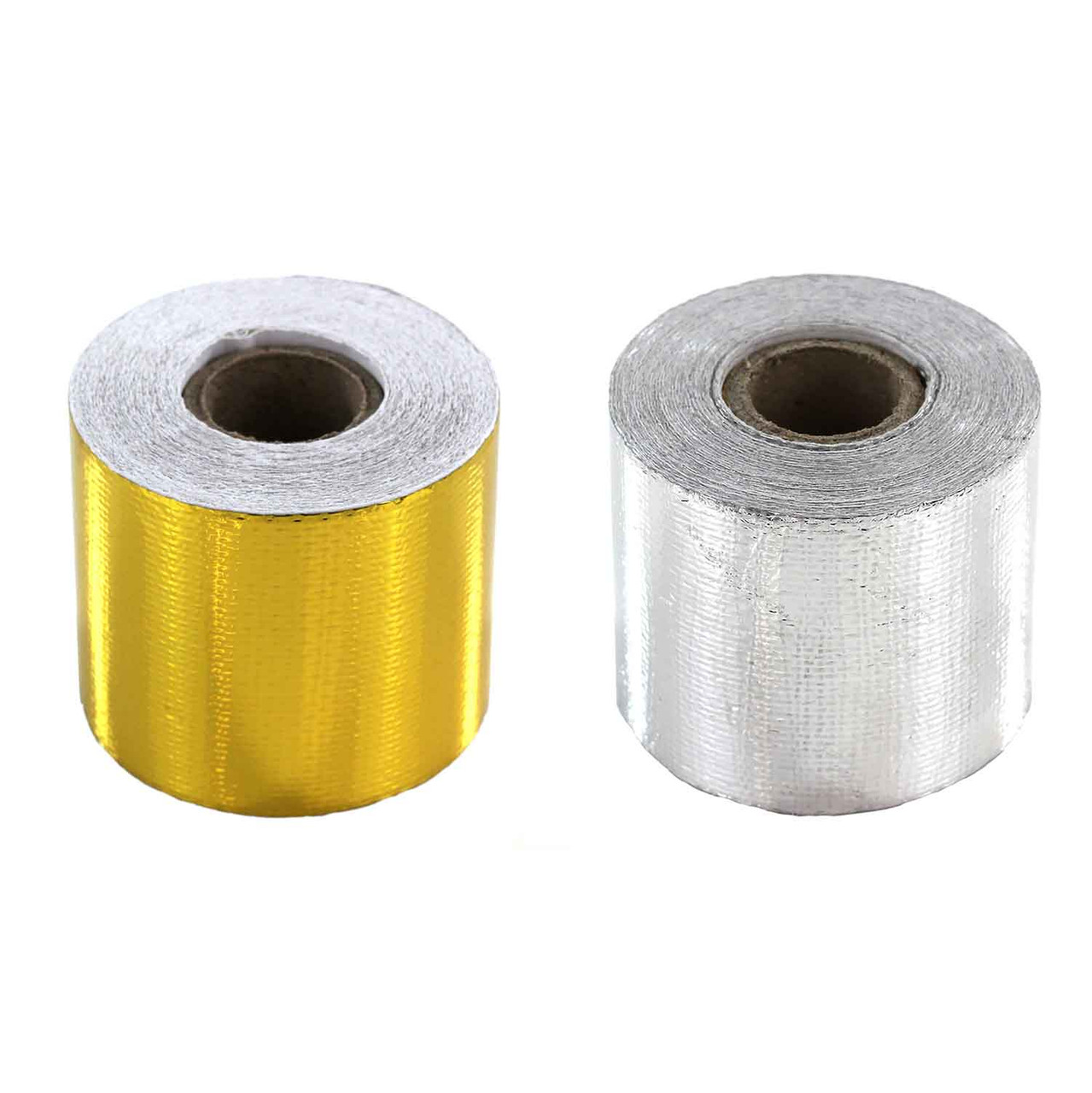 Exoracing Gold and Silver Heat Reflective Tape
Useful for protecting nearby areas from radiant heat on turbocharged or harder-driven EP3 builds.
From £29.99
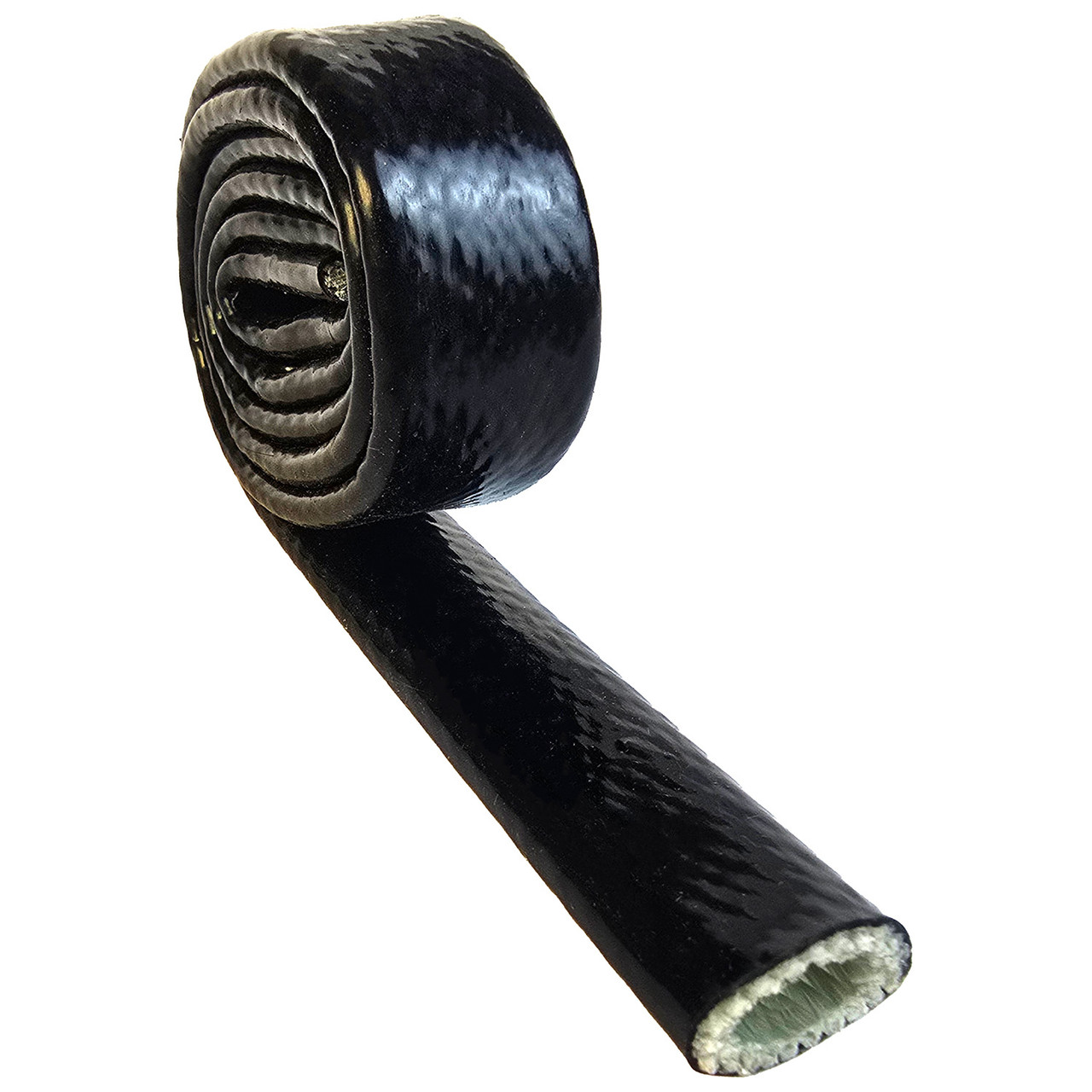 Exoracing Silicone Fibreglass High Temperature Heat Sleeve 0.5m
Ideal for shielding hoses and lines that sit close to hot exhaust or turbo components.
From £14.99
Which EP3 gearbox upgrades should you do first?
If your car is stock or only lightly modified, start with the basics.
A healthy clutch, fresh gearbox oil, and any worn bearings or springs sorted will usually make the biggest difference for the least money.
If you are building a fast road or turbo EP3, the usual next step is choosing the right clutch and flywheel, then looking at a final drive or LSD, depending on whether you want more acceleration or more traction.
For higher power builds, it becomes more important to think about the whole package rather than one part at a time.
Frequently Asked Questions
There are quite a few questions regarding transmissions, so hopefully, I can get as many as possible answered here!
Which Clutch Shall I Fit To My Ep3?
So, this one is open-ended, but generally, we suggest going with an OEM clutch if you have a mild bolt-on build.
A stage 2 for up to around 300bhp, a stage 4 for anywhere up to 500bhp, then past there, would be a twin or triple plate, depending on what you're using the car for.
How Do I Choose An LSD?
The easiest answer to this question would be if it's a road car to use a helical diff or a track/race-only car to use plated, and the stage of diff depends on what you're aiming to achieve.
If you need more help here, please get in touch with us, and we can point you in the right direction to choosing your perfect LSD.
How Do I Choose a Final Drive?
So the most common for an EP3 would be the Mfactory 5.08 final drive gears, but if you need to get to a target top speed or want to make sure you're getting the correct one, then finding a gear ratio calculator online would be your best option.
This way, if you want to perfectly refine your choice, you can!
Do I Need To Install New Gearbox Bearings?
The answer to this is almost always a yes. There are only so many situations where you would not need to replace them once the gearbox is out of the car.
Unless you are regularly dropping and inspecting the gearbox for wear, then refreshing the bearings keeps the gearbox working as intended.
Which Flywheel Shall I Upgrade To?
This one mainly depends on the use of the car, your budget and the type of clutch you're fitting.
Competition clutch recommends that anything up to stage 2 uses a lightweight flywheel, and anything up to stage 4 uses an ultra-lightweight flywheel.
If you're going with a twin or triple plate, then the majority of the time you will also get a flywheel supplied, so you don't need to worry about this.
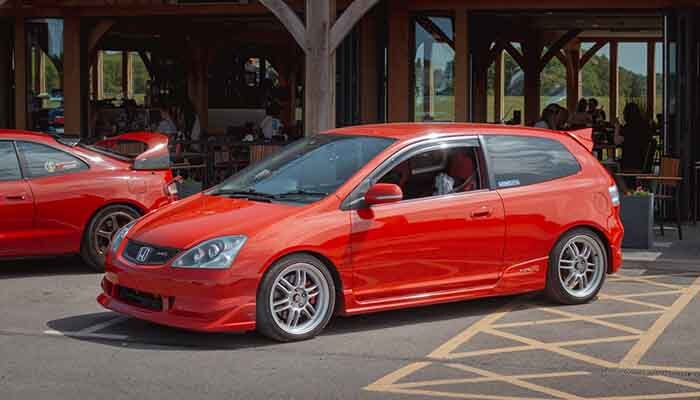
Photo: Instagram @redepthree
Conclusion
So that's it, our 8-point guide for upgrading your EP3 gearbox and transmission.
Hopefully, I've answered any questions you may have regarding anything transmission-related, but there is something I have missed. Please drop us a message below, or contact us.
We've created a specific discount code for any of our blog readers, so if you've decided to go through to any product link in this article, use this discount code for 5% off:
BLOG5
Now that you've been through and upgraded your transmission, it may be worth looking at these EP3 guides to squeeze as much performance as you can from the rest of the car: