
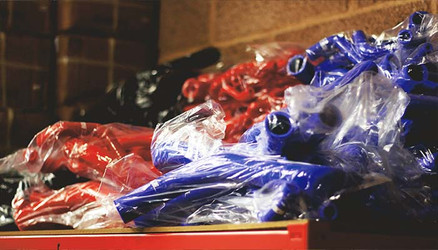
Silicone Hoses for Cars: Benefits, Uses & Buying Guide
Posted by Matthew Marks on 1st Aug 2024
Silicone Hoses: The Superior Choice For Automotive
Silicone hoses are a popular upgrade for coolant, intake and vacuum systems because they handle heat cycles, ageing and pressure better than tired rubber hoses. The important part is knowing where they help, where they do not, and how to choose the right kit.
This guide covers the real benefits, the best applications, the key buying checks, common installation mistakes and when silicone is not the first fix.
Shop Silicone Hose KitsThe simple answer
Silicone hoses are usually better than old rubber hoses because they resist heat cycles, cracking, ageing and pressure better over time.
They are especially useful for coolant hose kits, radiator hoses, turbo intake couplers and vacuum lines, provided the hose is designed for that exact job.
They are not magic. You still need correct fitment, the right clamps, sensible routing, proper coolant bleeding and enough clearance from serious heat sources.
- Silicone hoses are a strong upgrade when old rubber hoses are brittle, cracked, swollen or heat-damaged.
- Coolant hose kits must match the exact car, engine and year range (and any swaps or custom radiators can change routing).
- Silicone handles heat well, but hoses still need clearance from manifolds, downpipes and turbo hardware.
- Most problems come from poor hose seating, wrong clamps, over-tightening or trapped air in the cooling system.
Why Rubber Hoses Fail Over Time
Rubber coolant hoses live in a harsh place. They deal with heat cycles, pressure, coolant, vibration, engine movement and years of being clamped to metal outlets. Over time, the rubber can harden, crack, swell or become brittle.
On a standard road car, that ageing process may take years. On a modified car, the hose often has a harder life because engine bay temperatures are higher, access is tighter and nearby parts such as manifolds, downpipes, turbos and radiators create extra heat load.
That is why old radiator hoses can look fine from a distance but feel stiff, crusty or swollen when you inspect them properly. If a hose is already damaged, replacing it is better than waiting for it to split under pressure.
Why Silicone Hoses Are Better Than Rubber (When You Buy The Right Ones)
The main benefit of silicone is its durability under heat cycles and ageing. A good automotive silicone hose is designed to keep its shape, flexibility and sealing performance across repeated heat cycles.
Silicone is also useful when a car has been modified beyond the original factory setup. More power, harder driving, track use, larger radiators, turbo conversions and tighter packaging can all put more stress on the cooling and intake system.
Cracking, swelling and brittleness usually show up after years of heat cycles.
Correct bends and lengths help avoid kinks, rubbing and tension.
Silicone handles heat well, but no hose should sit against exhaust parts or turbo hardware.
Watch Our Silicone Hose Install
In our install video, we show why old radiator hoses are worth replacing and how a silicone hose kit goes onto a Honda Civic D-Series engine. If you are fitting your first kit, the video is useful to see the physical hose removal, seating and coolant bleeding process before you start.
For the step-by-step version, use our guide on how to install a silicone hose kit and bleed the coolant system.
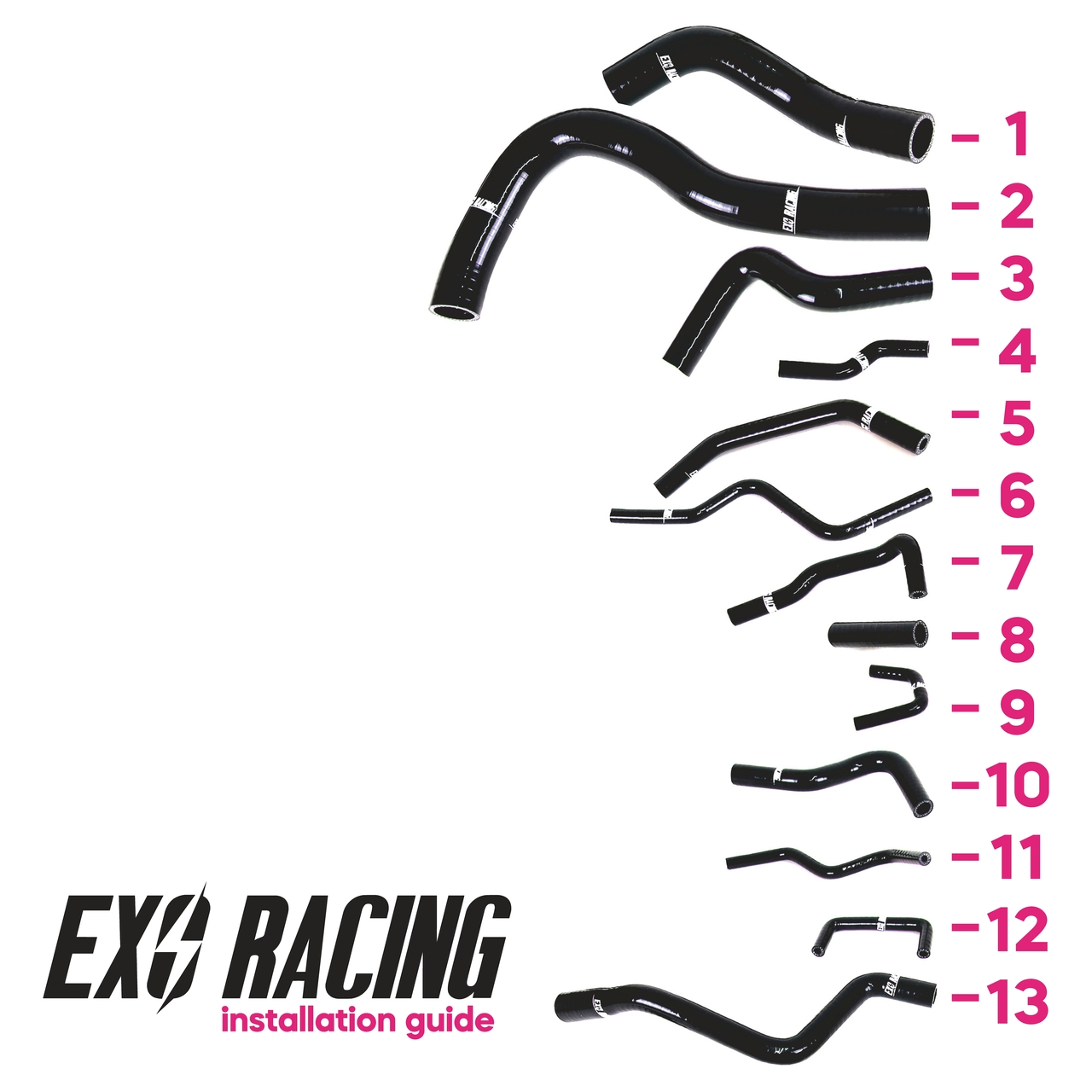

These product-page install photos show why routing matters: the hose needs to sit naturally, clear moving parts and stay away from concentrated exhaust heat.
Where Silicone Hoses Are Used On Cars
Silicone hoses are used in several automotive systems, but the correct hose type depends on what is flowing through it and where it sits in the engine bay.
Coolant hoses
Coolant hose kits replace the main radiator and heater hoses that carry coolant around the engine. This is the most common upgrade when old rubber hoses are ageing or when a car is being refreshed during a build.
Intake hoses and couplers
Silicone intake hoses and couplers are used on induction pipes, intercooler pipework and turbo systems. They are popular because they are flexible, heat-resistant and available in shapes that make custom routing easier.
Vacuum hoses
Silicone vacuum hose is used for small vacuum and boost reference lines. It can help replace old cracked lines that cause idle issues, boost control problems or inconsistent sensor readings.
 Exoracing Black Silicone Vacuum Hose 4/5/6mm
Flexible black silicone hose for refreshing old vacuum and boost reference lines in common small bore sizes.
From £6.99
Choosing The Right Silicone Hose Kit
The right kit is the one that matches your vehicle, engine and use case. Do not choose only by colour. A hose that looks close but is slightly wrong can kink, rub, sit under tension or fail to seal properly.
- Confirm the exact chassis, engine and year range.
- Check how many hoses are included and which ones (radiator only vs full coolant/heater set).
- Check whether clamps are included or need ordering separately.
- Check if your radiator, engine swap, turbo kit or custom pipework changes the original hose routing.
- Dry fit and check clearance from manifolds, downpipes, belts, pulleys and fans before final tightening.
 Exoracing Silicone Hose Kit For Honda Civic D-Series 92-00 10pc
Direct replacement silicone coolant hose kit for refreshing aged rubber hoses on 1992-2000 Honda Civic D-Series builds.
From £149.99
 Exoracing Silicone Hose Kit For Honda Civic Ep3 K20 K20a2 13pc
13-piece silicone coolant and vacuum hose kit for refreshing Honda Civic EP3 Type R K20A2 engine bays.
From £149.99
 Exoracing Black Silicone Hose Kit Honda Civic FN2 K20Z4 14pc
14-piece black silicone hose kit for refreshing Honda Civic FN2 K20Z4 coolant hose routes.
From £149.99
 Exoracing Silicone Hose Kit For Honda Civic B16 B18 6pc
6-piece silicone coolant hose kit for older Honda B16/B18 builds where original rubber hoses are ageing.
From £99.99
You can also browse the wider silicone coolant hose kit range if you need a different application.
When Silicone Hoses Are Not The First Fix
Silicone hoses are useful, but they should not be used to hide another cooling or heat problem. If your car is overheating, losing coolant or pushing coolant out of the overflow, diagnose the cause before assuming hoses alone will fix it.
- Do not fit new hoses over damaged, corroded or dirty sealing necks without cleaning or repairing them.
- Do not route hoses against manifolds, downpipes or turbo housings.
- Do not ignore a blocked radiator, faulty thermostat, failed fan or air trapped in the cooling system.
- Do not use a standard silicone coolant hose for fuel, oil or applications it was not designed for.
If your wider issue is engine bay temperature (turbos, manifolds, downpipes, heat soak and parts sitting too close), read our guide to common engine bay heat problems and simple solutions.
Installation And Maintenance Tips
Silicone hoses last best when they are fitted carefully. The hose should sit fully over the outlet, the clamp should apply even pressure, and the hose should not be twisted or pulled under tension.
- Match every hose before removing the old kit.
- Use suitable clamps in the correct size (and replace rusty or distorted old clamps).
- Avoid sharp bends, kinks and rubbing points.
- Bleed the cooling system properly after changing coolant hoses.
- Recheck clamps and coolant level after the first heat cycle.
To clean silicone hoses, use a mild cleaner, engine bay degreaser or glass cleaner with a soft cloth. Avoid harsh tools that scuff the surface, and wipe off coolant or oil residue so future leaks are easier to spot.
Common Mistakes (And How To Avoid Them)
- Buying the wrong kit: Match the exact chassis/engine/year (and remember swaps, custom radiators and turbo kits can change routing).
- Not seating the hose fully: Push the hose fully over the bead/outlet before tightening the clamp, then recheck after the first heat cycle.
- Using tired clamps: Old clamps can be distorted or weak. Use fresh, correctly sized clamps so you get even pressure without cutting into the hose.
- Over-tightening: Tighten to seal, not to crush. If you can see the clamp digging in aggressively, back it off and check the clamp size and hose position.
- Routing too close to heat: Silicone is heat-resistant, but it is not designed to sit against a downpipe, manifold or turbo. Fix routing first, then add the right heat protection if needed.
- Skipping coolant bleeding: Trapped air causes overheating, poor heater performance and inconsistent temps. Bleed the system properly after any coolant hose change.
Frequently Asked Questions
Are silicone hoses worth it?
Yes, if your original hoses are old, brittle, heat-damaged, or you are building a modified car where better heat and ageing resistance is useful. They are not essential on every standard car, but they are a sensible upgrade during a cooling system refresh.
Do silicone hoses increase performance?
Coolant hoses mainly improve reliability rather than power. Intake hoses and smooth couplers can support consistent airflow compared with restrictive or collapsing old parts, but gains depend on the full intake setup, not the hose alone.
Can silicone coolant hoses handle oil or fuel?
Do not use a standard silicone coolant hose for fuel or oil unless the hose is specifically designed for that fluid. Always match the hose material to the application.
Do I need new clamps with silicone hoses?
It is usually a good idea to use fresh, correctly sized clamps. Old clamps can be rusty, distorted or too weak to seal evenly. The clamp should secure the hose without cutting into it.
How long do silicone hoses last?
A good silicone hose can last for years when fitted correctly and kept away from direct exhaust heat, sharp edges and incorrect fluids. Regular inspection is still important, especially on track or turbo cars.
Can silicone hoses be used near a turbo?
They can be used in turbo engine bays, but they should not sit against the turbo, manifold or downpipe. Route hoses away from the heat source and use proper heat management where clearance is tight.
Conclusion
Silicone hoses are a strong upgrade when you want a more durable, heat-resistant replacement for ageing rubber hoses. They are especially useful on modified cars, older cooling systems, turbo builds and engine bays where reliability matters.
The best results come from choosing the correct hose kit, fitting it carefully, bleeding the cooling system properly and checking routing after the first few heat cycles.
You can browse our silicone coolant hose kits, watch our install guide above, or contact us if you want help checking which kit fits your car.
About the Author

We are Exoracing, a UK based heat management and performance parts specialist. Since 2018, we have helped enthusiasts and workshops build more reliable cars by focusing on real installs, practical testing and clear buying guidance, so customers do not waste money on the wrong parts.