
Wiring Loom Melting Near Exhaust? What To Do First
Posted by Matthew Marks on 26th May 2026
Is Your Wiring Loom Melting Near Your Exhaust? What To Do First
If your wiring loom has melted near a manifold, downpipe or turbo, treat it as a fault-finding job first. Find out whether the loom is electrically damaged, why it got too hot, then repair, reroute and protect it in the right order.
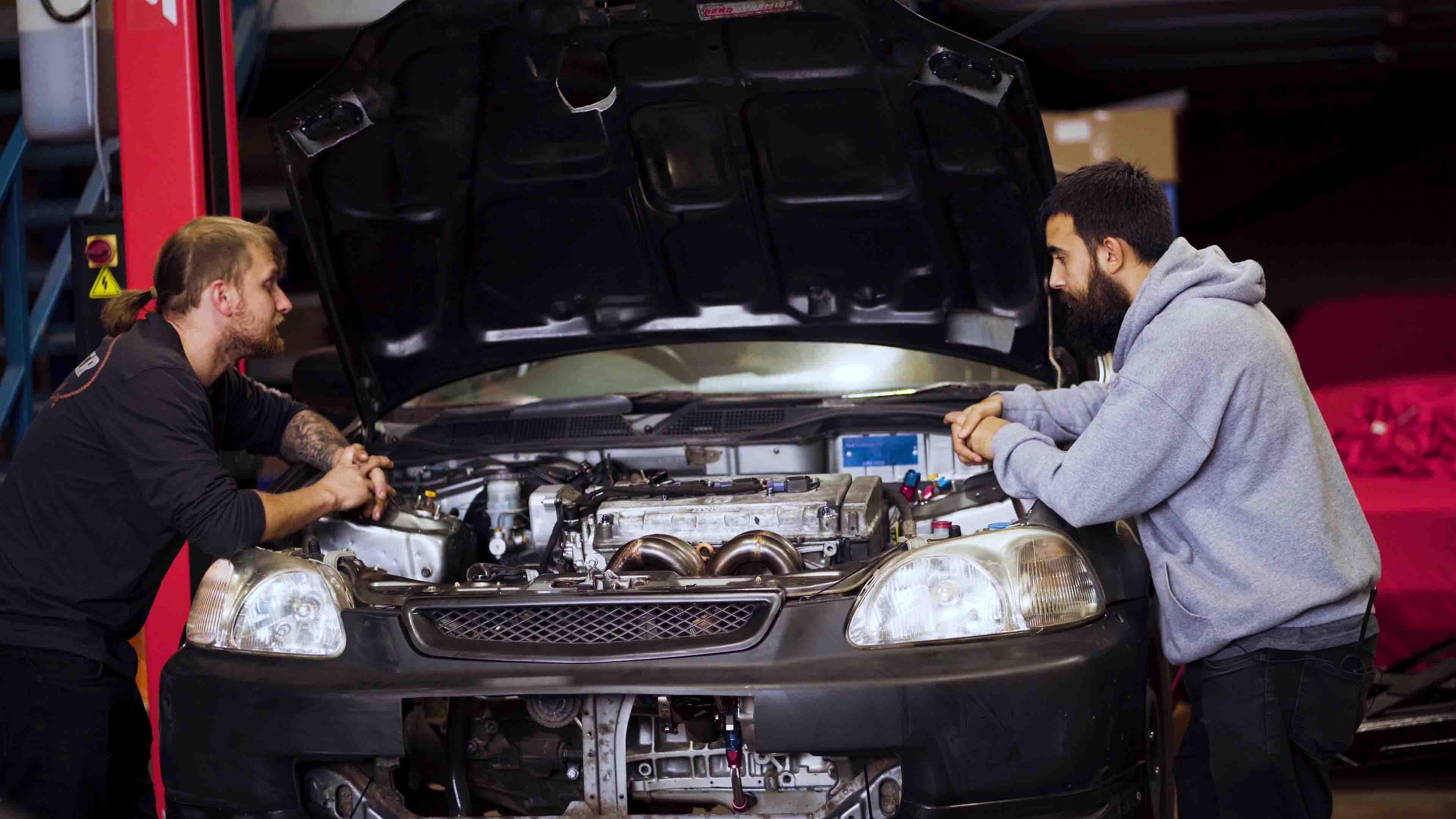
We have dealt with this exact problem on our own turbo Civic and recreated the failure with a controlled loom heat test.
Shop Heat Management PartsA melted wiring loom near the exhaust is a repair job first and a heat protection job second. The visible problem may be a burnt conduit, split insulation, a melted plug or a loom that smells cooked.
The cause is usually radiant heat from a manifold, downpipe, turbo housing or wastegate pipe, often made worse by poor routing or bad clearance.
From our experience with modified turbo cars, the biggest mistake is covering damaged wiring before checking whether the copper, terminals or connectors have already been compromised. Heat sleeve, exhaust wrap and shielding are there to protect healthy parts. They are not a shortcut for repairing unsafe wiring.
The simple answer
If a wiring loom has melted near the exhaust, stop driving if any copper is exposed, any fuse has blown, the car misfires, the loom smells burnt, or a connector has deformed. Disconnect the battery before touching the loom.
Repair or replace the damaged wiring first. Then identify the cause: not enough clearance, a loom routed in direct line of sight to the exhaust, a missing heat shield, or a hotter aftermarket manifold or downpipe. After that, reroute the loom, secure it properly, control the exhaust heat where appropriate, and protect the loom with the correct heat sleeve.
If the loom is already fitted and cannot be removed, a Velcro heat sleeve is often the easiest retrofit option. If the loom can be removed or rebuilt, a silicone fibreglass heat sleeve may be better for high-temperature areas.
- Disconnect the battery before inspecting melted wiring.
- Do not sleeve over burnt insulation, exposed copper or damaged connectors.
- Fix routing and clearance before adding heat protection.
- Use an exhaust wrap or a heat shield to reduce heat from the source where suitable.
- Use a heat sleeve to protect the wiring route after the loom is repaired.
Which Problem Do You Actually Have?
Before buying heat protection, separate the electrical fault from the heat management fault. The loom may need repair, the route may need changing, the exhaust may need source control, or the car may need all three.

Disconnect the battery, inspect the circuit and repair damaged wires, terminals or plugs before adding the sleeve.
Heat sleeve helps, but it should not be used to compensate for contact or a loose loom.
Use a heat sleeve on the wiring route and consider an exhaust wrap or shielding on the heat source.
Aftermarket parts can move the heat source closer to factory wiring, so the original loom route may no longer be safe.
First, Work Out How Bad the Wiring Damage Is
Start by checking whether you have cosmetic loom damage, insulation damage or electrical damage. A melted plastic outer cover is not ideal, but exposed copper, hardened insulation, fused wires, blown fuses or heat-damaged connectors are much more serious.

On our own Civic wiring failure, the car would turn over but would not restart properly because heat-damaged wiring had shorted and blown fuses. That is why the first job is diagnosis, not buying the first heat protection product you see.
If the wire insulation is still flexible and undamaged, reroute and protect the loom.
Do not rely on the external sleeve to restore damaged insulation.
The loom may short, blow fuses, damage sensors or cause a non-start.
A deformed connector can create poor contact even after the wire is repaired.
The Safe Repair Order
Use this order before you fit any protection. It keeps the job practical and stops you from hiding a fault that will come back later.
- Let the exhaust and engine bay cool fully.
- Disconnect the battery before touching damaged wiring.
- Open the loom covering and inspect every wire in the heat-affected section.
- Repair, replace or rebuild any damaged wiring, terminals and connectors.
- Check the related fuse, relay, sensor and circuit before driving.
- Reroute the loom away from the exhaust where possible.
- Add heat protection only after the loom is electrically sound.
- Recheck the loom after the first heat cycle and again after hard use.
Why the Loom Melted Near the Exhaust
Exhaust parts create a lot of radiant heat. Radiant heat travels in line of sight from hot parts such as manifolds, downpipes and turbo turbine housings. A wiring loom does not need to touch the exhaust to suffer; it can slowly bake from being too close.
Modified cars make this worse when the loom has been moved for a turbo conversion, engine swap, manifold change, downpipe upgrade, or aftermarket ECU install. The factory route may have been safe with standard parts, but that does not mean it is safe beside a hotter manifold or larger downpipe.
The correct heat management order is simple: identify the heat source, identify the vulnerable part, improve clearance and routing, control the heat source where possible, and then protect the wiring directly.
What Happens If You Ignore Melted Wiring?
Ignoring melted wiring can turn a small repair into an electrical fault that is difficult to trace. The common failure path is brittle insulation, exposed copper, wires touching each other, blown fuses, sensor faults, misfires, non-start issues or intermittent cut-outs when the loom moves with engine vibration.
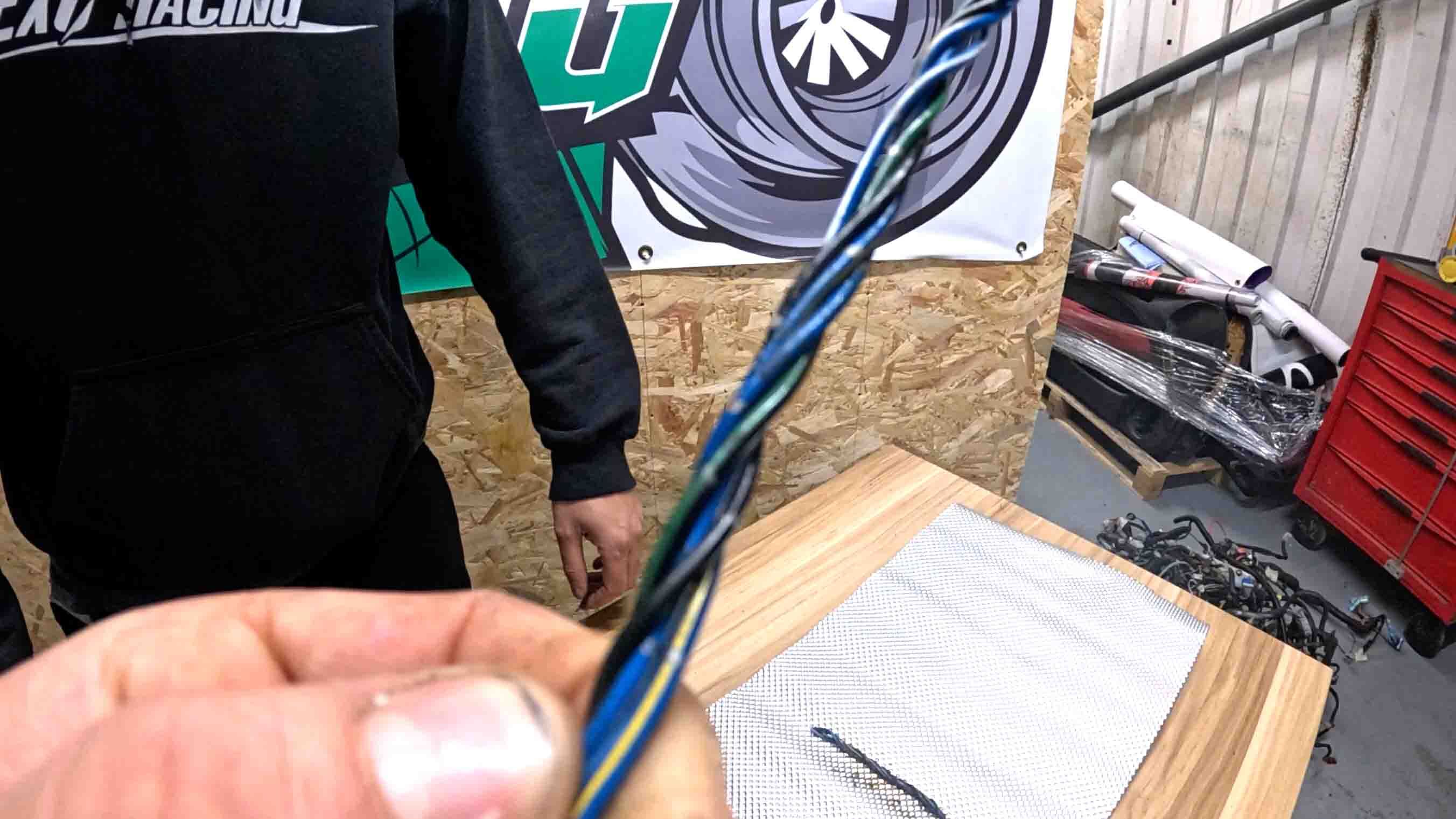
This is exactly why our wiring heat test is useful. In the bare loom test, the outer covering failed quickly under direct heat. With a silicone fibreglass sleeve fitted over the wiring, the sleeve took the abuse, and the wiring underneath stayed intact in the test conditions.

Watch: Our wiring heat sleeve test shows why a repaired loom should be protected before it goes back near the exhaust.

How To Protect the Loom After Repair
Once the wiring is safe, choose protection based on the layout. A loom that is still too close to a manifold needs a routing fix first. A loom that has sensible clearance but still sees radiant heat can be sleeved, shielded or protected as part of a layered setup.
For most repaired looms near exhaust heat, the practical solution is simple: secure the route, sleeve the vulnerable wiring, then reduce heat from the exhaust side if the area still gets too hot.
Heat protection should not be used as a cover-up for contact or poor clearance.
It can wrap around the loom without removing terminals or connectors.
Measure the loom outside diameter and size up where connectors or bends need clearance.
Exhaust wrap, a heat shield or a turbo blanket can reduce the heat reaching the loom.
If you are not sure what size sleeve you need, use our heat sleeve size chart. If you want the fitting process in more depth, use our silicone fibreglass heat sleeve installation guide.
If the loom is already fitted, start with the Velcro heat sleeve. If the exhaust pipework is the heat source, add source control with an exhaust wrap where the application suits it.
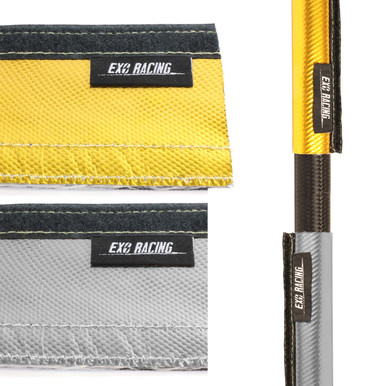 Exoracing Gold and Silver Velcro Heat Sleeve 0.5m
Retrofit protection for wiring looms, hoses and lines that are already fitted to the car.
From £14.99
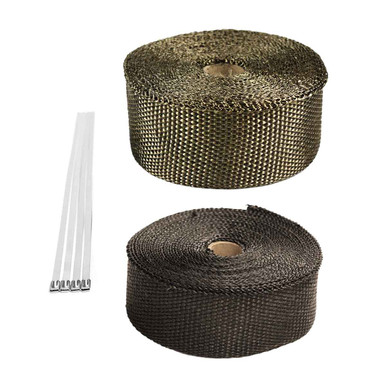 Exoracing Titanium or Carbon Exhaust Wrap
Reduces radiant heat from manifolds, headers, downpipes and hot exhaust pipework.
From £24.99
Common Mistakes When Fixing Melted Looms
Covering damaged wiring without repairing it
A sleeve over damaged wiring may hide the problem, but it does not restore the insulation, terminal grip or connector condition. Repair the loom first.
Leaving the loom in the same route
If the loom melted in that position once, it can happen again. Move it away from the manifold, downpipe, turbo or wastegate pipe wherever possible.
Using an exhaust wrap on the wiring
Exhaust wrap is for manifolds, headers, downpipes and exhaust pipework. Use a heat sleeve for wiring, hoses and lines.
Forgetting to secure the loom after repair
Engine movement and vibration can move a loom back towards the heat source. Use proper mounting points, clips, P-clamps or high-temperature fixings where needed.
When Heat Sleeve Is Not the First Fix
Do not fit the heat sleeve as the first fix if the loom is touching the exhaust, the wiring is already damaged, the connector has melted, the wire gauge is wrong, the circuit is overloading, or the exhaust part is loose and moving towards the loom.
In those cases, the correct first fix is repair, rerouting, clearance, mounting or exhaust movement control. Heat protection comes after the cause has been corrected.
Common Concerns
Will a heat sleeve fix already melted wiring? No. It protects the loom after repair. If the insulation, copper or connector is damaged, the wiring needs to be repaired or replaced first.
Should I protect the exhaust or the loom? Usually, both if the layout is tight. Control the heat source with an exhaust wrap, a turbo blanket or a heat shield where appropriate, then protect the vulnerable loom with a sleeve.
Can I use reflective tape on a loom? Reflective tape is best for surfaces such as panels, covers and airboxes. For wiring routes, use a proper heat sleeve because it surrounds the loom and stays with the cable route.
FAQ
Can I drive with a melted wiring loom near the exhaust?
Do not drive if copper is exposed, fuses have blown, the car misfires, the loom smells burnt, warning lights are present, or the connector has melted. Disconnect the battery and inspect the loom first.
What should I replace after the wiring melts?
Replace or repair any damaged wire, insulation, terminal, connector, fuse or relay affected by the fault. If the loom is old, brittle or damaged in several places, replacing a loom section may be safer than patching one visible spot.
How far should wiring be from an exhaust manifold or downpipe?
There is no single safe distance because exhaust temperature, airflow, shielding and engine movement all matter. As a rule, create as much clearance as the bay allows, avoid direct line-of-sight radiant heat where possible, and add shielding or a sleeve when the loom still runs close to hot pipework.
Is a Velcro heat sleeve good for wiring looms?
Yes, it is useful when the loom is already fitted, and you cannot slide a closed sleeve over the connectors. Make sure the sleeve is sized correctly, fully closed and not touching the exhaust.
Should I wrap the exhaust to stop the wiring from melting?
If the manifold, header or downpipe is the heat source, exhaust wrap can help reduce radiant heat. It should be used on the exhaust part, not the wiring. Pair it with rerouting and a heat sleeve where the loom still needs direct protection.
Can melted wiring cause a car not to start?
Yes. Melted wiring can short, blow fuses, interrupt sensor signals, damage ignition or fuel circuits and cause a non-start. That is why the electrical fault should be diagnosed before the car is used again.
Final Decision
If your loom has melted near the exhaust, the winning order is repair, reroute, secure, sleeve and source-control. That gives you a fixed electrical system and a heat management setup that tackles the cause rather than only hiding the damage.
For the next step, use the wiring heat sleeve test to see what heat does to an unprotected loom, check the heat shield, exhaust wrap, heat tape and heat sleeve guide if you are choosing between products, or go straight to the Exoracing heat management range if you already know what needs protecting.
Shop Heat Management PartsAbout the Author
Exoracing is a UK-based heat management and performance parts specialist.
Since 2018, we have helped enthusiasts and workshops protect wiring, hoses, fuel lines, intake parts and engine bay components from turbo, manifold and downpipe heat using practical product testing, installs and customer build experience.