
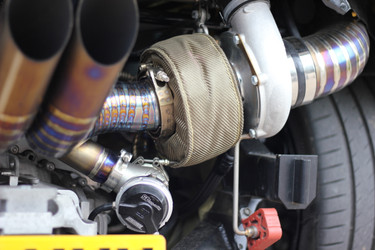
Heat Shield vs Exhaust Wrap vs Heat Tape: What To Use
Posted by Matthew Marks on 4th May 2026
Jump to a section
Heat Shield vs Exhaust Wrap vs Heat Tape vs Heat Sleeve: What Should You Use?
Not sure what to fit? This guide shows which heat management product solves which problem, using our own testing, customer builds and real thermal data.
This guide is brought to you by Exoracing, UK specialists in heat management and performance parts.
Shop Heat Protection PartsEver opened your bonnet after a hard drive and wondered whether the wiring, hoses, intake pipe or paint nearby is slowly being cooked? That is normally when people start searching for heat shield, exhaust wrap, heat tape and heat sleeve, then end up more confused than when they started.
I'm Matt, owner of Exoracing. Since 2018, we've helped thousands of customers and workshops deal with engine bay heat on road cars, turbo builds, track cars and tight engine swaps. We have tested our own heat products with thermal cameras, including a 550bhp Audi RS4, before-and-after turbo blanket test and a direct blowtorch test with thermal data.
By the end of this guide, you'll know exactly whether your car needs exhaust wrap, reflective heat tape, a heat sleeve, a turbo blanket, a heat shield, or a combination of them. More importantly, you'll know why, so you are not wasting money on the wrong part.
The simple answer
Use an exhaust wrap when the exhaust pipework is the heat source.
Use heat reflective tape or sheet when a surface is being hit by radiant heat.
Use a heat sleeve when wiring, hoses, fuel lines, brake lines or oil lines need direct protection.
Use a turbo blanket or heat shield when the heat source itself needs to be contained or separated.
We'll go through the simple decision process first, then each product, then the real test data and the common mistakes we see when people try to manage heat in modified cars. The biggest ones are buying the wrong amount of exhaust wrap, fitting turbo blankets badly, ignoring oil leaks before installation, and guessing instead of asking for help.
- Use exhaust wrap on manifolds, headers, downpipes and hot pipework.
- Use heat reflective tape or sheet on surfaces such as airboxes, panels, bulkheads and covers.
- Use a heat sleeve on wiring, fuel lines, brake lines, oil lines, coolant hoses and AN hose.
- Use a turbo blanket or heat shield when the heat source itself needs to be contained or separated.
- Best results usually come from controlling the heat source first, then protecting the vulnerable part.
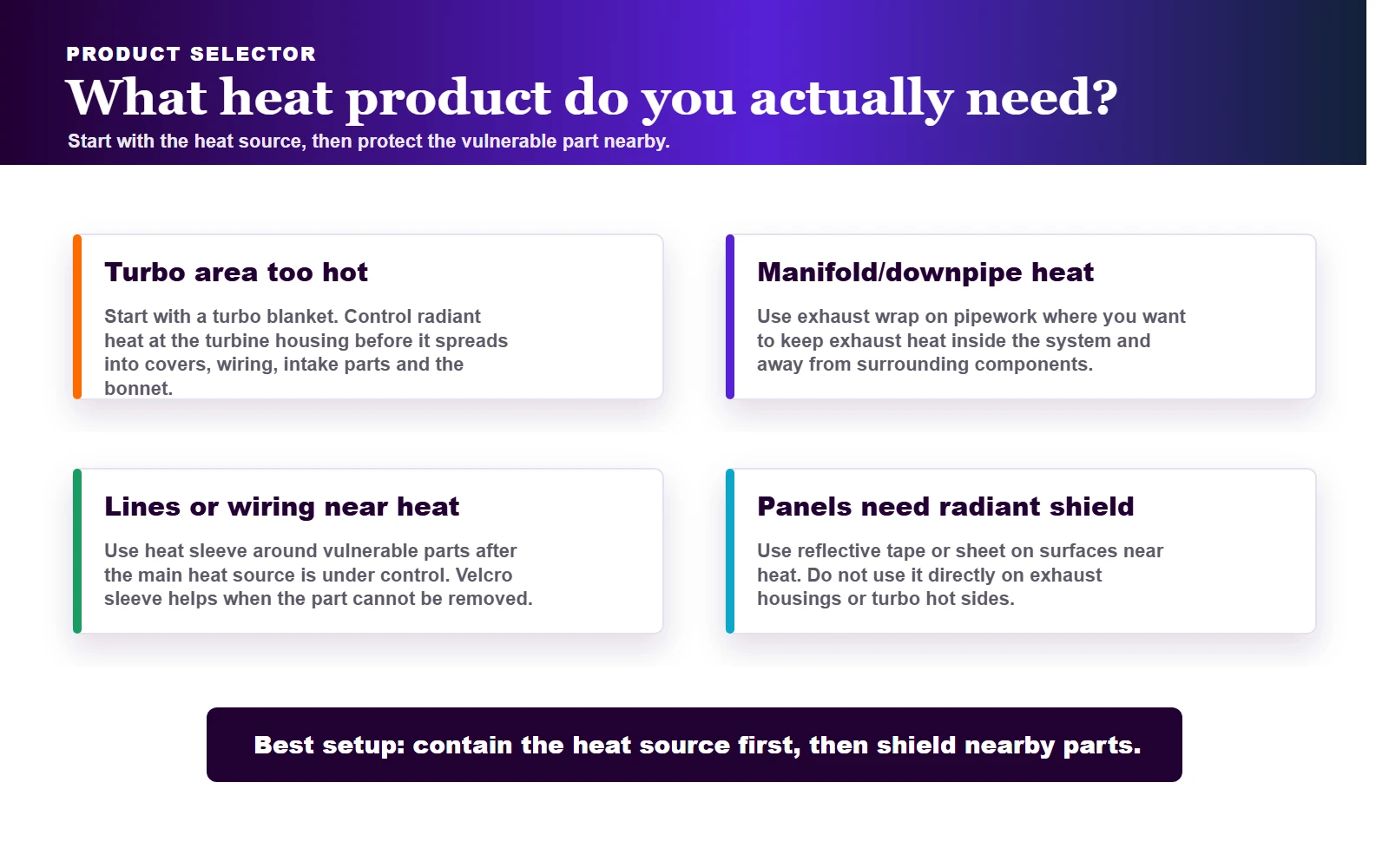
1. Start With the Part Causing the Heat
The easiest way to choose the right product is to stop thinking in product names and start thinking in heat sources. Is the heat coming from the turbo? The manifold? The downpipe? The radiator? The exhaust tunnel?
Once you know the source, you can decide whether to contain it, reflect it, block it or protect the part nearby. This is the same process we use when customers send us photos of their setups.
Controls a concentrated heat source before it spreads.
Reduces heat coming off long, hot pipework.
Protects the vulnerable line directly.
Protects the cable route without wrapping the exhaust.
Reflects radiant heat away from a surface.
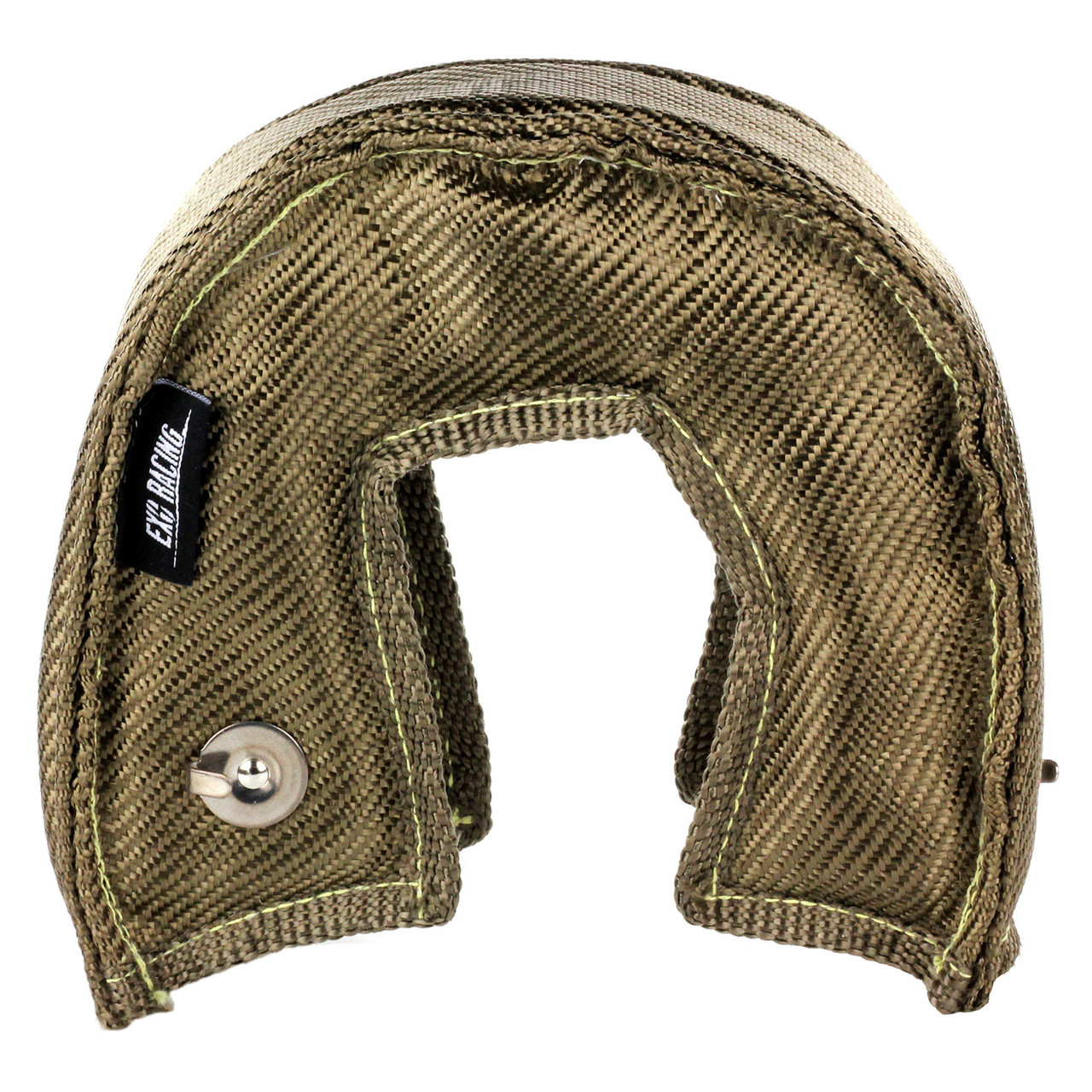 Exoracing Turbo Blanket V3
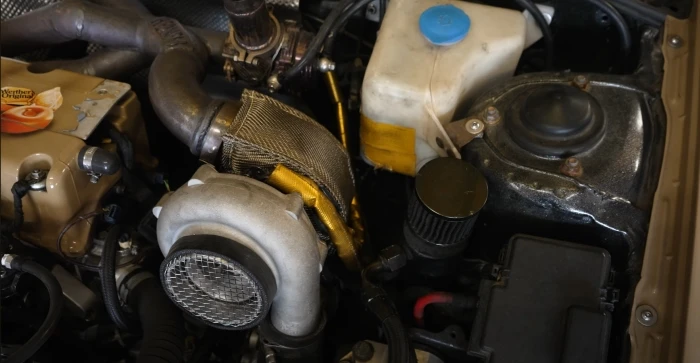
Contains turbo heat at source and helps protect hoses, wiring and bonnet-area components.
From £119.99
 Exoracing Titanium or Carbon Exhaust Wrap
Reduces radiant heat from manifolds, headers, downpipes and hot exhaust pipework.
From £24.99
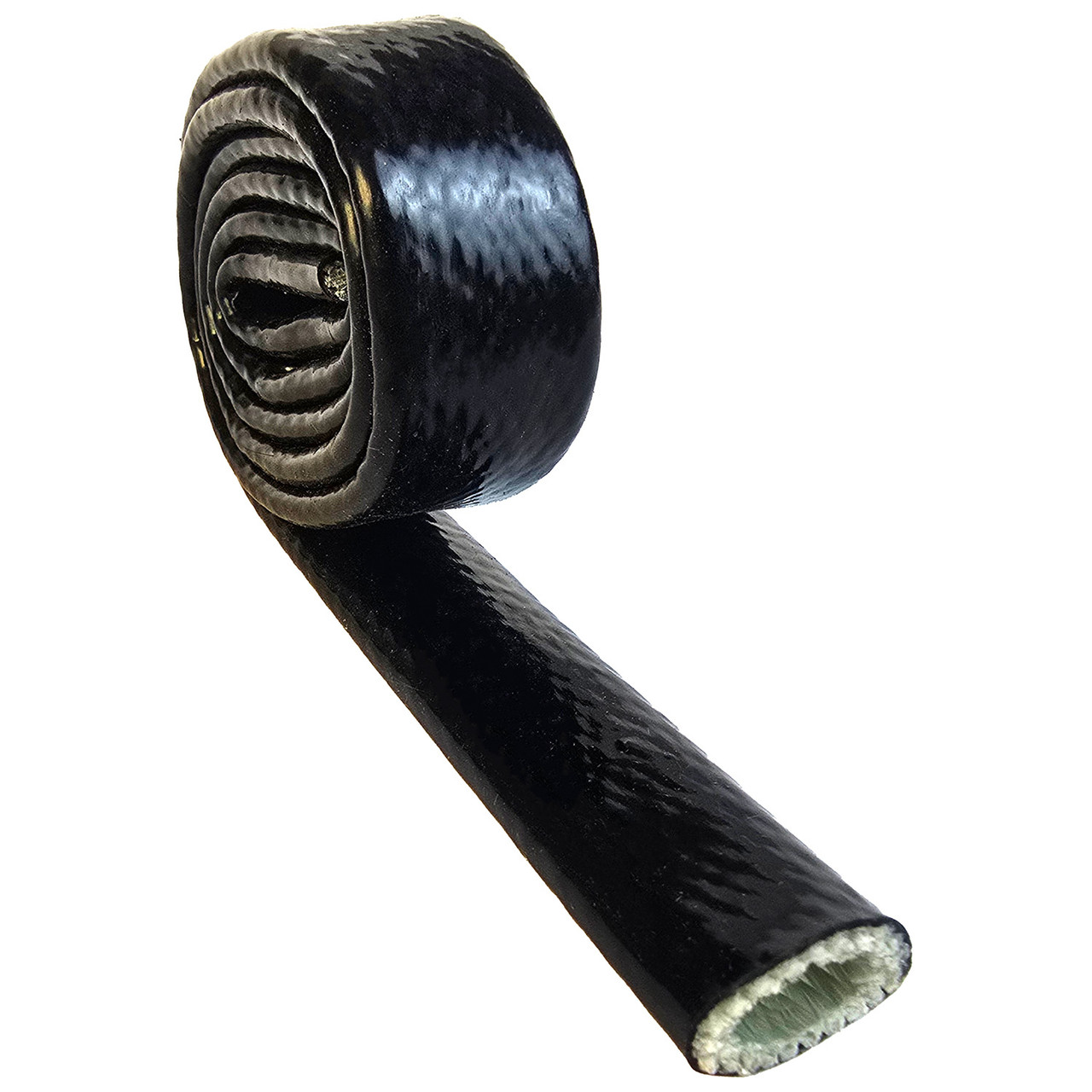 Exoracing Silicone Fibreglass Heat Sleeve
Direct protection for fuel lines, oil lines, brake lines, coolant hoses and wiring routes.
From £14.99
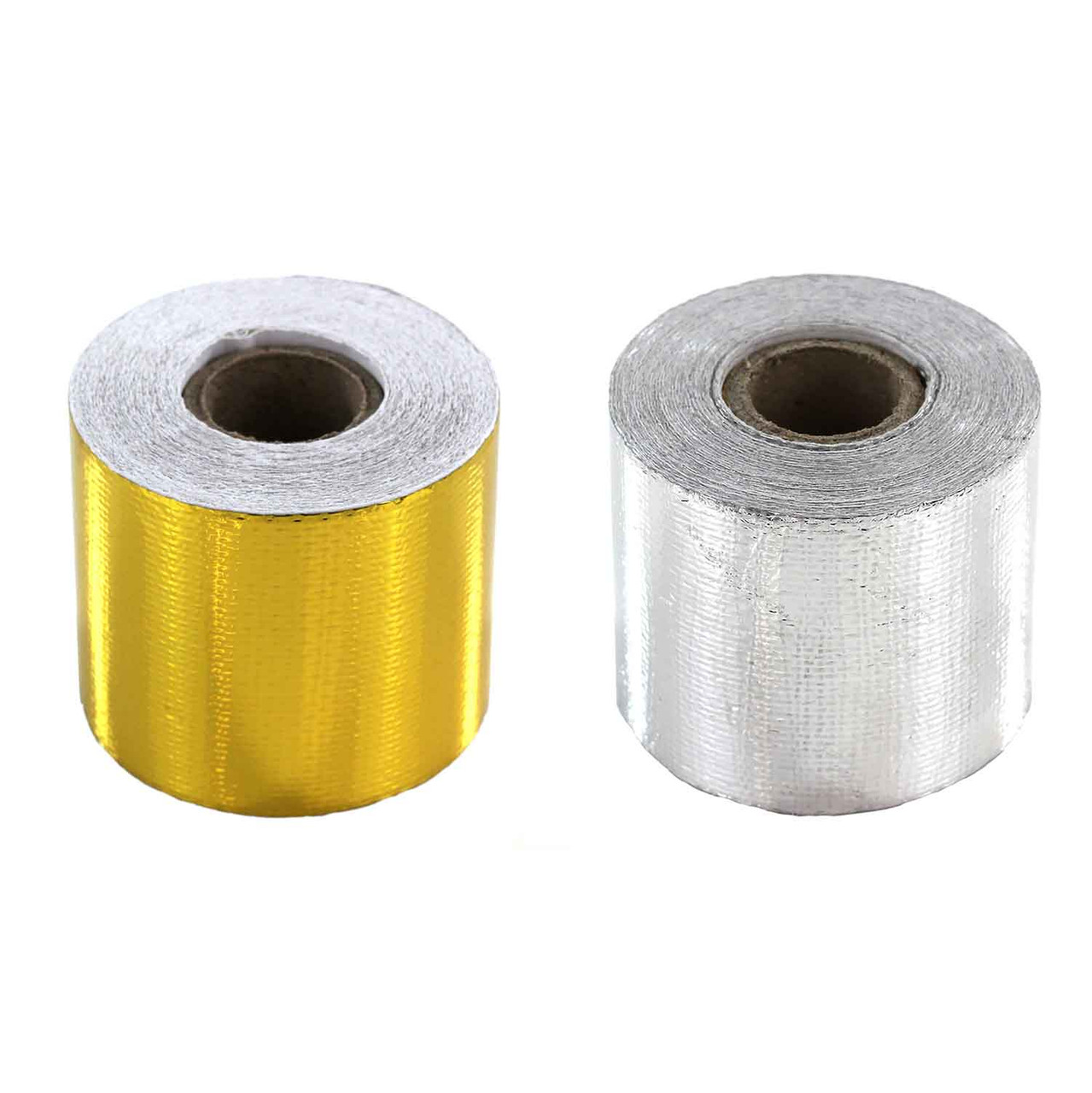 Exoracing Gold and Silver Heat Reflective Tape
Reflects radiant heat away from intake pipes, airboxes, panels and bulkhead areas.
From £29.99
2. Use Exhaust Wrap for Manifolds, Headers and Downpipes
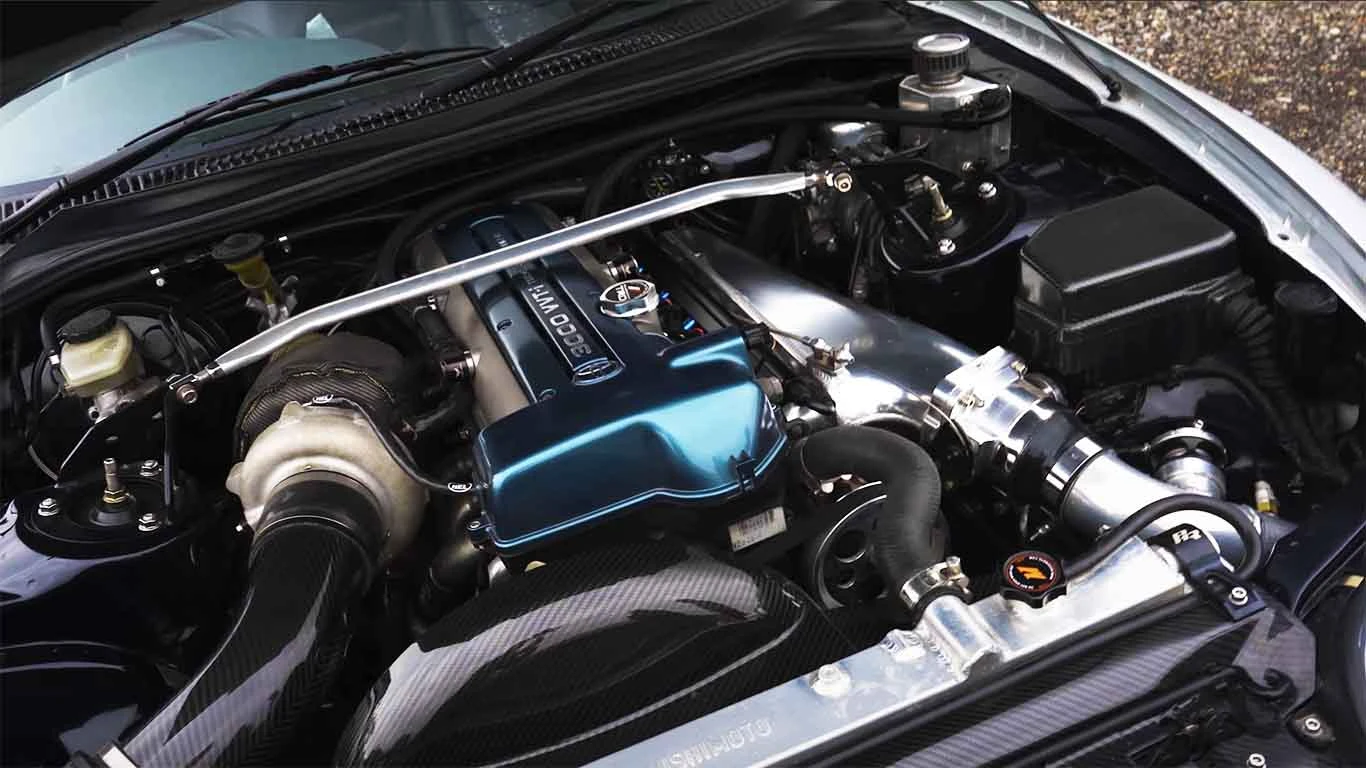
Exhaust wrap is the right choice when the pipework itself is the heat source. That normally means manifolds, headers, downpipes, screamer pipes and exhaust sections running close to other parts.
We use wrap thinking when the heat source is long rather than concentrated. A turbo blanket can help the turbo, but it will not fix a downpipe that runs past a fuel line or a manifold that sits close to a brake master cylinder.
Good exhaust wrap fitment comes down to coverage, overlap and preparation. The pipe should be clean, the wrap should be secured properly, and the installation should be checked again after the first heat cycles.
The most common exhaust wrap mistake we see is customers guessing the length they need. Width, pipe diameter, overlap, and how much of the manifold or downpipe you want to cover all change the answer. That is why we built our exhaust wrap calculator so you can work out the amount before ordering, instead of ending up short halfway through the job.
 Exoracing Titanium or Carbon Exhaust Wrap
Reduces radiant heat from manifolds, headers, downpipes and hot exhaust pipework.
From £24.99
 10 x Exoracing Stainless Steel Cable Ties
Secure exhaust wrap and high-temperature fixings where plastic cable ties would fail.
From £9.99
3. Use Heat Reflective Tape or Sheet for Surfaces
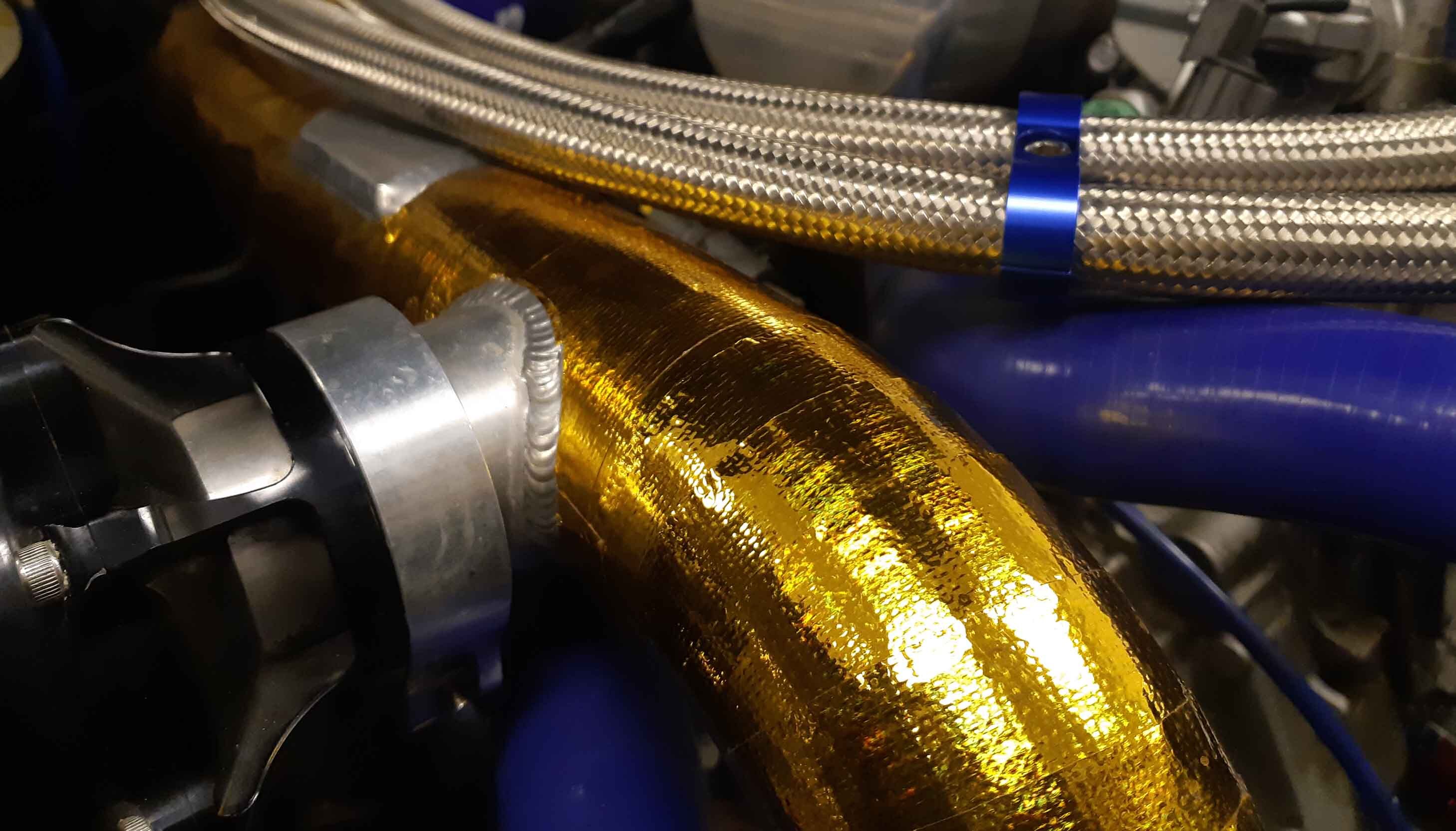
Heat reflective tape and reflective sheet are for surfaces that are being hit by radiant heat. Think airboxes, intake pipes, plastic covers, bulkheads, washer bottles, panels, tanks and existing heat shields.
The common mistake is treating reflective tape like exhaust wrap. It is not designed to wrap a manifold or downpipe. It works best when it is stuck to the part you want to protect, facing the heat source, on a clean and properly prepared surface.
If an intake pipe is running above a turbo or close to a manifold, reflective tape can be very useful. But if the turbo housing is fully exposed, we would still look at source control first, then surface protection afterwards.
4. Best Heat Protection for Wiring, Hoses and Lines
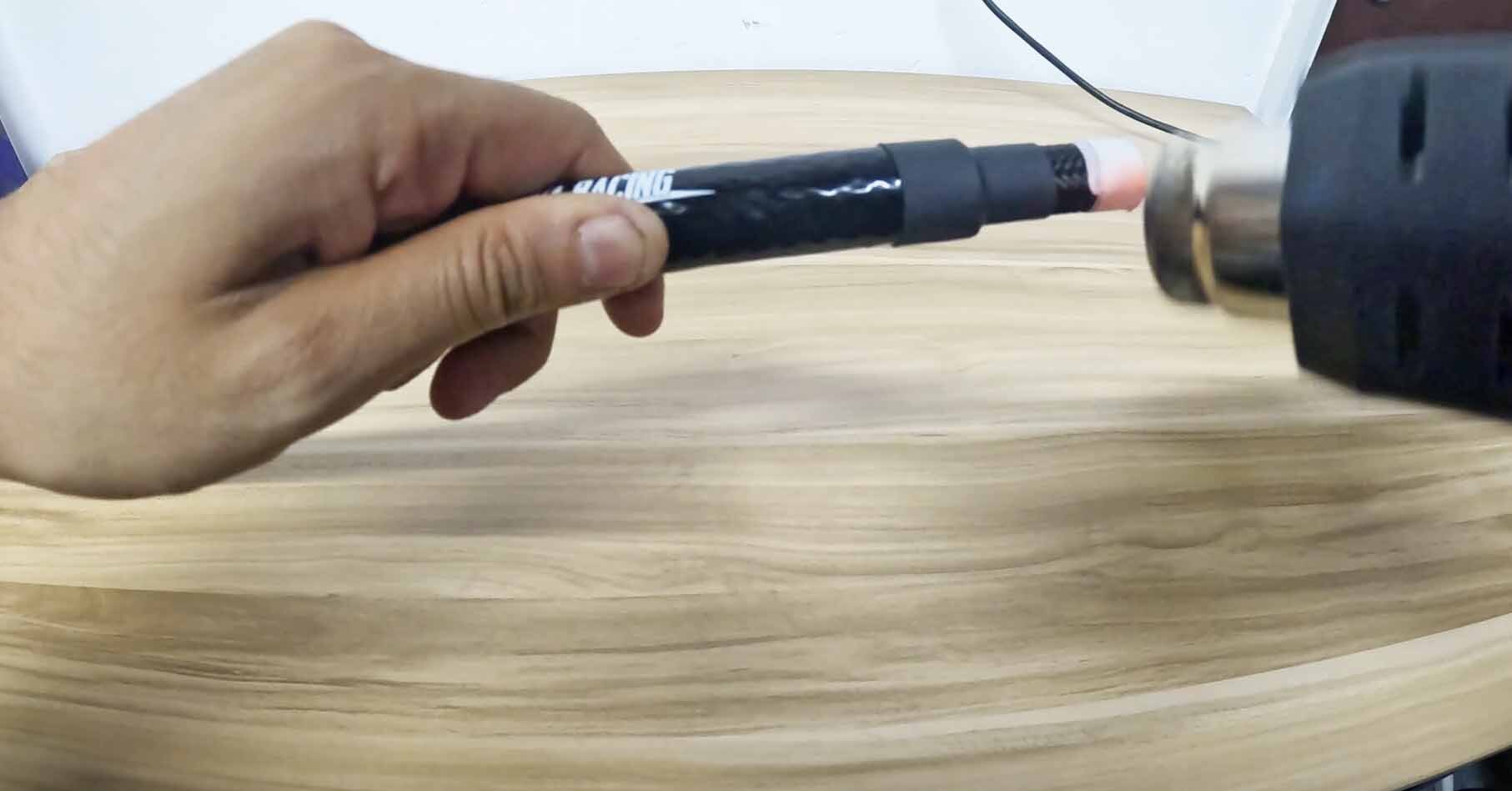
Heat sleeve is what we reach for when the vulnerable part is a hose, line, cable or loom. This includes fuel lines, brake lines, clutch lines, oil lines, coolant hoses, vacuum hose, boost control hose and AN hose.
Sleeve works because it follows the part you are trying to protect. That matters on real cars because the risk is often local: one section of loom behind a manifold, one fuel line near a downpipe, or one brake line passing close to a hot turbo setup.
Sizing is important. Measure the outside diameter of the part you are protecting, not just the named hose size. If the sleeve is too tight, it will be awkward to fit; if it is too loose, it can move around and leave exposed sections.
A heat sleeve is one of the easiest products to get right if you measure first and follow the installation steps. We already have heat sleeve installation guidance because the finish matters: cut the sleeve cleanly, cover the exposed section properly, and make sure it cannot move into direct contact with the heat source.
 Exoracing Silicone Fibreglass Heat Sleeve
Direct protection for fuel lines, oil lines, brake lines, coolant hoses and wiring routes.
From £14.99
 Exoracing Gold and Silver Velcro Heat Sleeve
Retrofit sleeve for lines already fitted to the car, with no need to remove hose ends.
From £14.99
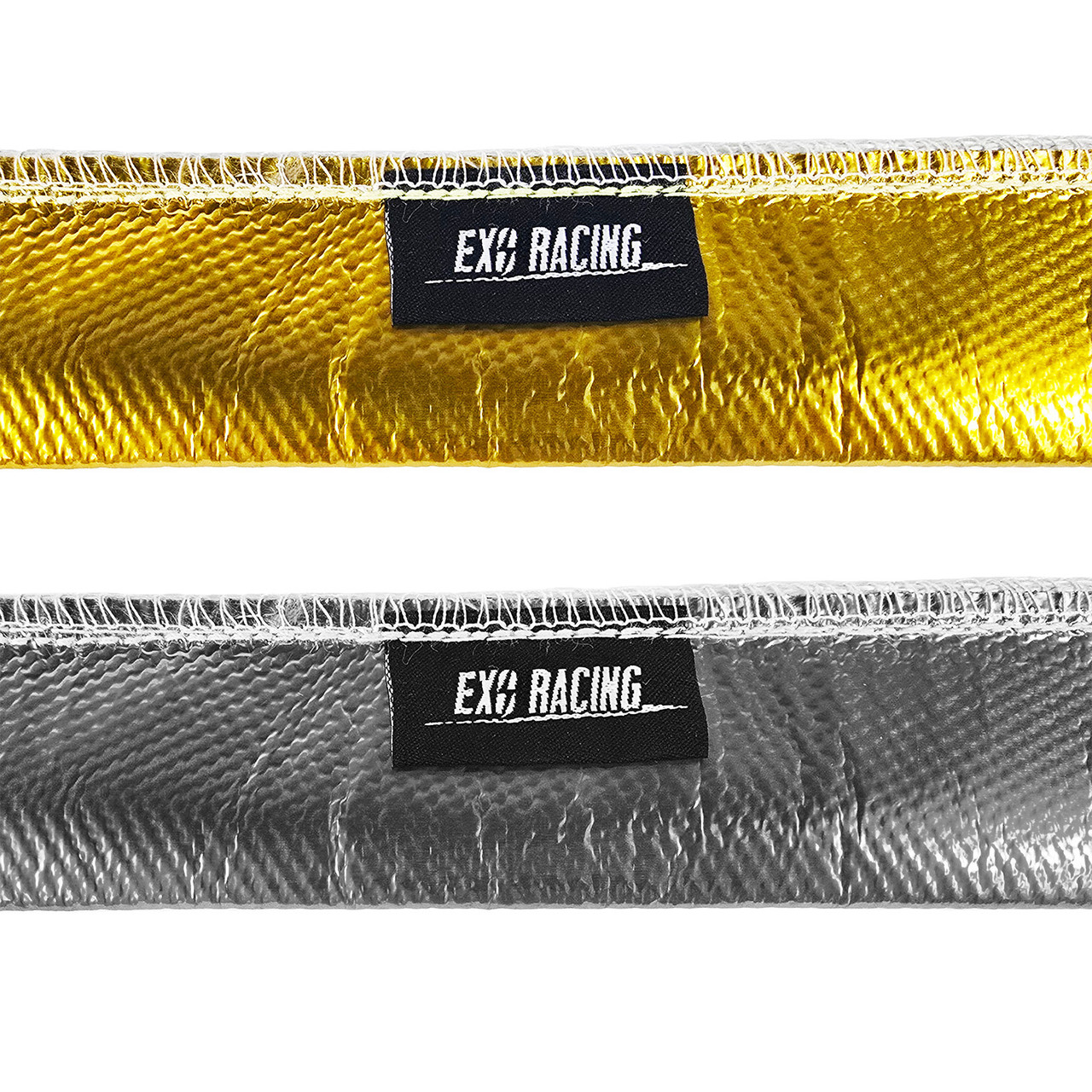 Exoracing Gold and Silver Sewn Heat Sleeve
Push-over sleeve for removable hoses and lines that need neat heat protection.
From £14.99
5. Use a Turbo Blanket or Heat Shield for Source Control
If the turbo is the main heat source, start with a turbo blanket. If the issue is a larger radiant path between a hot part and a nearby component, a heat shield can also be the right answer, especially when you can create an air gap.
This is where a lot of people get the order wrong. They protect a plastic cover or a hose while leaving the actual heat source fully exposed. That can help, but it is not the strongest first move if the turbo or exhaust housing is the thing flooding the engine bay with heat.
Turbo blanket installation matters. If the blanket is fitted badly, fouls the actuator, catches on linkages, sits loose, or is the wrong size, it can create performance problems instead of solving them. Before fitting one, always check that the turbo area is clean, the blanket sits correctly, the springs are secure, and there are no oil leaks or fluid contamination around the turbo.
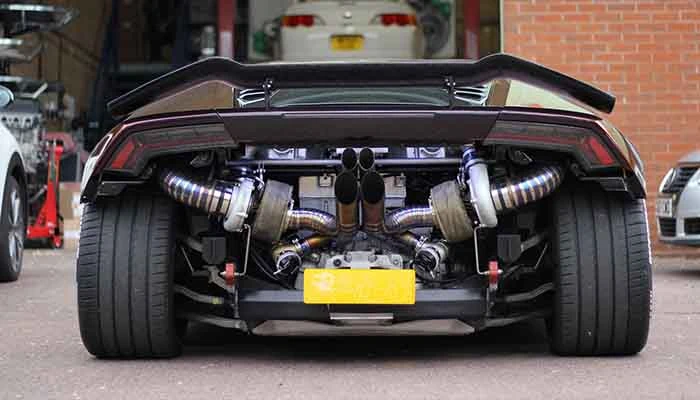
On turbo cars, the best setup is often a turbo blanket on the turbine housing, exhaust wrap on nearby pipework, then sleeve or reflective tape for the vulnerable parts around it. If you are fitting one for the first time, use our turbo blanket installation guide before tightening everything down.
If you want a close-fitting fabricated stainless shield around a manifold, downpipe or screamer pipe rather than exposed exhaust wrap, see how we templated, formed and spot welded one in our weldable exhaust heat shield installation guide.
6. Best Product Combinations
Most serious heat problems are not solved by one product. They are solved by matching the product stack to the layout of the car.
Controls the turbo, pipework and vulnerable parts.
Reduces pipe radiation and protects the line directly.
Manages header heat and protects the component.
Reduces the source and reflects the remaining radiant heat.
Controls the turbo heat and protects the vulnerable surface directly.
Reduces heat before it reaches the floor.
Reduce engine bay heat. Protect power.
Explore the Exoracing Heat Management range and choose the product that matches your exact issue.
Shop Heat ManagementReal Results and Tested Data
We do not want heat management articles to be theoretical only. The reason we talk so much about source control is that we have seen the data when a major heat source is properly contained.
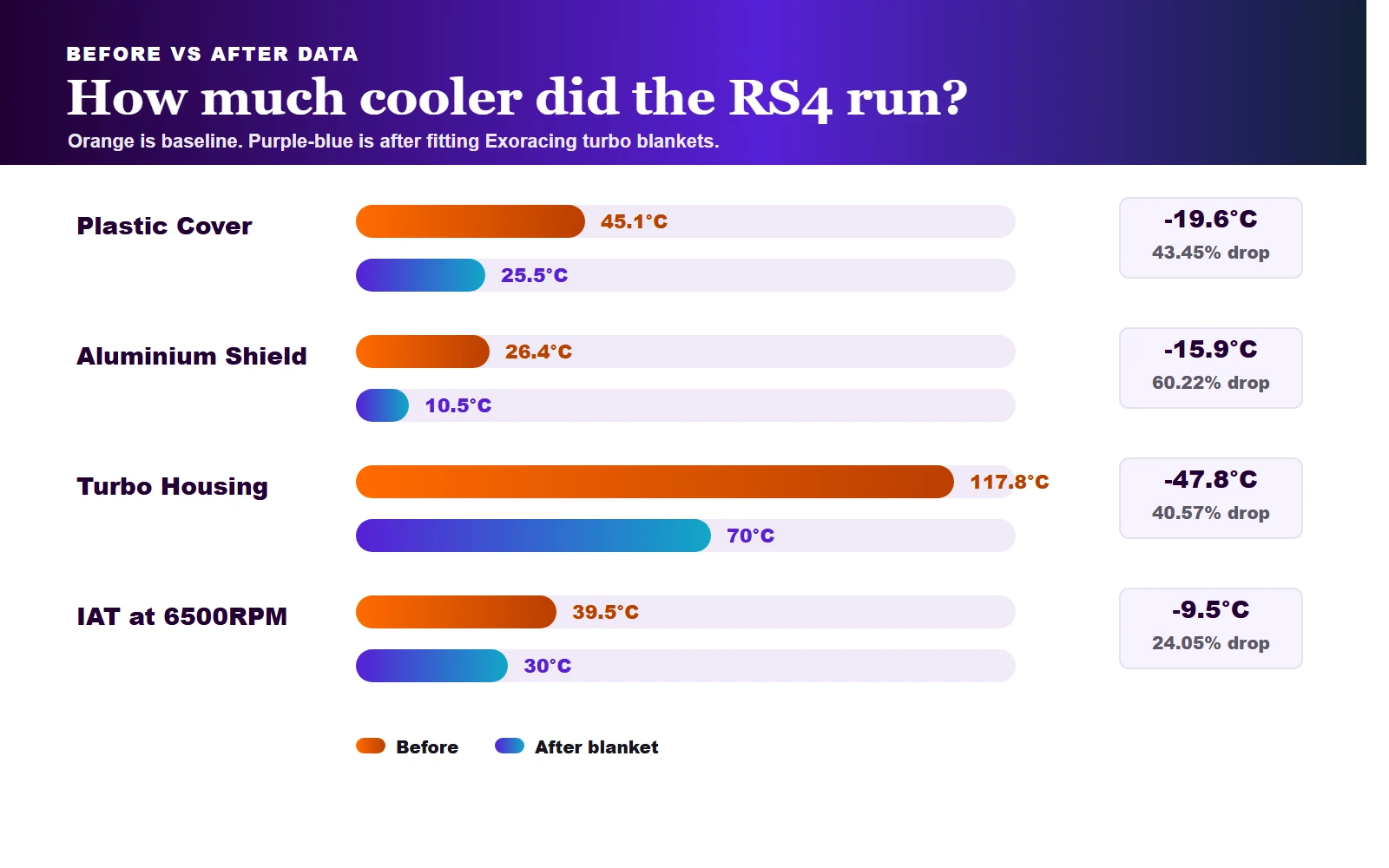
In our 550bhp Audi RS4 turbo blanket test, the turbo-area surface reading dropped from 117.8°C to 70.0°C after fitting Exoracing turbo blankets. The nearby plastic engine cover dropped from 45.1°C to 25.5°C, and intake air temperature at 6500rpm dropped from 39.5°C to 30.0°C in that test window.
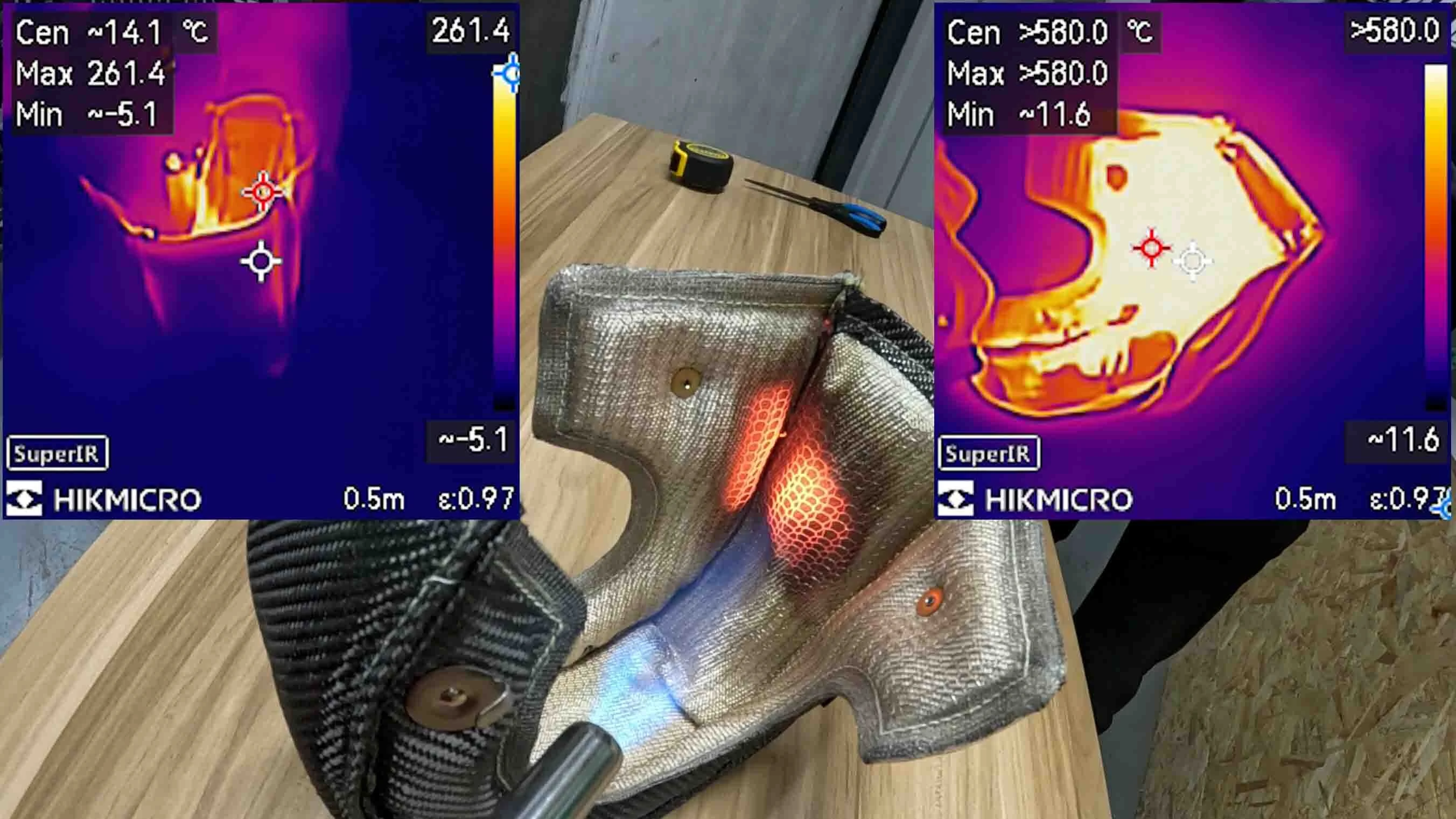
We also ran a direct blowtorch test with thermal data. In that test, the flame-facing side reached the thermal camera's 580°C limit. At the 1 minute 15 second comparison point, the outside face was measured at 45.5°C, giving a calculated 92.15% heat reduction across the blanket. After 3 minutes of direct blowtorch exposure, the outside surface was still measured at 62.3°C.
Source control reduced heat in a real engine bay.
Nearby parts can benefit when the heat source is controlled.
The blanket created a large temperature separation.
The insulation principle is clear under direct heat.
Outside temperature rose gradually but stayed far below the hot side.
Exoracing Turbo Blanket V3
Contains turbo heat at source and helps protect hoses, wiring and bonnet-area components.
From £119.99
Exoracing Titanium or Carbon Exhaust Wrap
Reduces radiant heat from manifolds, headers, downpipes and hot exhaust pipework.
From £24.99
Exoracing Silicone Fibreglass Heat Sleeve
Direct protection for fuel lines, oil lines, brake lines, coolant hoses and wiring routes.
From £14.99
Exoracing Gold and Silver Heat Reflective Tape
Reflects radiant heat away from intake pipes, airboxes, panels and bulkhead areas.
From £29.99
When Heat Protection Is Not the First Fix
Heat protection is not a shortcut for poor routing, leaking parts or damaged wiring.
If a hose is touching a downpipe, move the hose first. If a turbo is leaking oil, fix the leak before fitting a blanket. If wiring is already brittle or cracked, repair it before adding the sleeve.
The best result usually comes from fixing the layout first, then adding heat protection to reduce the risk long term.
Common Mistakes We See
These are the issues that come up most often when people are choosing heat management parts. Getting these right will save money, reduce frustration and help the product actually do what it is supposed to do.
Guessing how much exhaust wrap to buy
This is the most common wrong-product issue we see. Customers often guess the length, then find out the wrap does not cover the whole manifold or downpipe once overlap is included. Pipe diameter, wrap width, and overlap all matter, so use the exhaust wrap calculator before ordering.
Using reflective tape like an exhaust wrap
Reflective tape is for surfaces. Exhaust wrap is for pipework. If you wrap a manifold with reflective tape, you are using the wrong product.
Protecting the nearby part but ignoring the heat source
Sleeving a hose can help, but if the turbo or downpipe is still fully exposed and only a few millimetres away, you may need source control as well.
Buying a turbo blanket for a naturally aspirated car
If the car does not have a turbo, it does not need a turbo blanket. Naturally aspirated setups normally need exhaust wrap, heat shields, reflective products or a sleeve depending on the issue.
Fitting a turbo blanket without checking the area first
A turbo blanket should not be fitted over oil leaks or contamination. It also needs to sit correctly without fouling the actuator, wastegate arm, linkages or surrounding parts. A poor install can cause performance problems, so take the extra few minutes to check fitment properly.
Covering damaged parts
Do not sleeve over brittle wiring, leaking oil lines, fuel contamination or split hoses and call it fixed. Repair the part first, then protect it properly.
Still Not Sure What To Buy?
If you are still unsure, start with the part causing the heat. Turbo heat usually needs a turbo blanket. Long exhaust pipework usually needs exhaust wrap. Lines, hoses and wiring usually need a heat sleeve. Surfaces being hit by radiant heat usually need reflective tape or a sheet.
For the best heat protection for an engine bay, do not think of single products. Think in layers: control the heat source first, then protect the vulnerable part nearby.
Shop Heat Management PartsFAQ
Is a heat shield better than an exhaust wrap?
Neither is automatically better. A heat shield is better when you need a physical barrier between a heat source and a nearby part. An exhaust wrap is better when the exhaust pipework itself is radiating heat.
Is heat tape the same as exhaust wrap?
No. Heat reflective tape is for surfaces being hit by radiant heat. Exhaust wrap is for manifolds, headers, downpipes and exhaust pipework.
Can I use a heat sleeve on an exhaust?
No. Heat sleeve is for protecting hoses, wiring, lines and cables near heat. Use an exhaust wrap for exhaust pipework.
Do I need a turbo blanket and exhaust wrap?
On many turbo cars, yes. A turbo blanket controls heat from the turbine housing, while an exhaust wrap controls heat from the manifold or downpipe. They solve different parts of the same heat problem.
What did the Exoracing blowtorch test prove?
It showed a large temperature separation across the blanket. The hot side reached the camera's 580°C limit, while the outside face measured 45.5°C at the comparison point, giving a calculated 92.15% reduction.
How do I know how much exhaust wrap I need?
Do not guess. The amount depends on pipe diameter, wrap width, overlap and how much pipework you want to cover. Use our exhaust wrap calculator before ordering so you do not run out mid-install.
Can a turbo blanket cause problems if fitted incorrectly?
Yes. A poorly fitted blanket can sit loose, foul actuator movement or touch parts it should not touch. Always check for oil leaks, fluid contamination, correct sizing, spring security and actuator clearance before running the car.
What should I buy first?
Buy the product that matches the biggest risk. If the turbo is the source, start with a blanket. If pipework is the source, use an exhaust wrap. If wiring, lines or hoses are at risk, use a heat sleeve. If a surface is heat-soaking, use reflective tape or a sheet.
What is the best heat protection for wiring near an exhaust?
A heat sleeve is usually the best choice for wiring near an exhaust, especially if the loom cannot be moved far enough away. If the exhaust pipework is also radiating too much heat, use exhaust wrap on the pipework and a heat sleeve on the wiring.
What is the best heat protection for fuel lines?
A heat sleeve is normally the best heat protection for fuel lines. If the fuel line runs close to a downpipe, manifold or turbo, also look at reducing heat from the source with exhaust wrap, a turbo blanket or a heat shield.
Should I use a turbo blanket or a heat shield?
Use a turbo blanket when you want to contain heat at the turbine housing. Use a heat shield when you need a physical barrier between the turbo or exhaust and another nearby part. On tight engine bays, both can be useful if there is enough clearance.
Conclusion
Managing engine bay heat does not have to be complicated. The key is choosing the product by the job it needs to do, not by whichever one sounds most heavy-duty.
Use exhaust wrap for hot pipework, reflective tape or sheet for surfaces, heat sleeve for hoses and wiring, and a turbo blanket or heat shield when the heat source itself needs to be contained or separated. On harder-used cars, the best result is often a combination of source control and direct component protection.
If you are unsure, take a photo of the heat source, a photo of the part at risk and measure the clearance between them. That is usually enough to work out the right starting point.
Related Guides and Internal Links
- Before and after turbo blanket test on a 550bhp RS4
- Do turbo blankets work? Blowtorch test with thermal data
- How much exhaust wrap do I need?
- How to install a turbo blanket
- Exoracing Turbo Blanket V3
- Exoracing Titanium or Carbon Exhaust Wrap
- Exoracing Silicone Fibreglass Heat Sleeve
- Full Exoracing Heat Management range
About the Author
I'm Matt, the owner of Exoracing Ltd, a UK-based performance parts brand specialising in heat management and performance parts.
Since 2018, we've helped thousands of car enthusiasts and workshops reduce engine bay temperatures with tested, proven products, all backed by first-hand experience from our own and customers' builds.
Got questions about your setup? Message us on Instagram @exoracinguk or contact us here, as we love hearing about your builds and helping out where we can.