
543BHP Honda Civic EP3 Turbo Blanket Case Study
Posted by Matthew Marks on 3rd Aug 2026
Jump to a section
543BHP Turbo EP3 Heat Management Case Study
Nathan’s 543 bhp Honda Civic Type R EP3 was making summer drives uncomfortable and exposing bulkhead components to intense radiant heat. He reports what changed after insulating the turbo and external wastegate.
Built and documented with Nathan — @nathansbiking — with the car also documented at @k20.wus. Nathan supplied the build details and first-hand account; Exoracing formatted, checked and expanded them for publication.
A turbocharged EP3 places a major exhaust heat source in a tight area near the rear bulkhead. On this modified K20A2 EP3, Nathan described hot footwells and transmission tunnel, washer fluid physically boiling from the sprayers, and concern about the gauge wiring, clutch hose, brake hose and engine loom routed behind the turbo.
Nathan fitted an Exoracing Turbo Blanket V3 to the T3 turbine housing and a matching Exoracing external wastegate blanket. This case study separates what he observed from what was not instrumented or proven.
The simple answer
After fitting blankets to both the turbo turbine housing and the external wastegate, Nathan reported that the footwells and centre console no longer made the cabin uncomfortable, even across uses ranging from steady wet-weather driving to hard runs in roughly 30°C heat.
He also reported that the boiling washer-fluid problem stopped. The setup has now covered just over 1,500 miles, including around 800 break-in miles followed by hard use after mapping.
No before-and-after temperatures, ECU logs or controlled test route were supplied, so this is an observed customer outcome rather than a measured performance test.
- Identify every hot-side source: turbine housing, external wastegate, manifold, downpipe and screamer pipe.
- Inspect the turbo area for oil, fuel, coolant or other fluid leaks before fitting insulation.
- Check routing and clearance around wiring, washer hose, brake components and boost-control lines.
- Choose the blanket from actual housing and wastegate dimensions rather than the car or turbo model alone.
- After the first full heat cycle, let the car cool and recheck fasteners, movement and nearby parts.
The Turbo EP3 Build
This was not a standard EP3 with a mild bolt-on upgrade. It was a high-boost weekend road car built around a sleeved, closed-deck K20A2. The combination explains why heat control mattered: large hot-side hardware, hard use and limited space near the bulkhead.

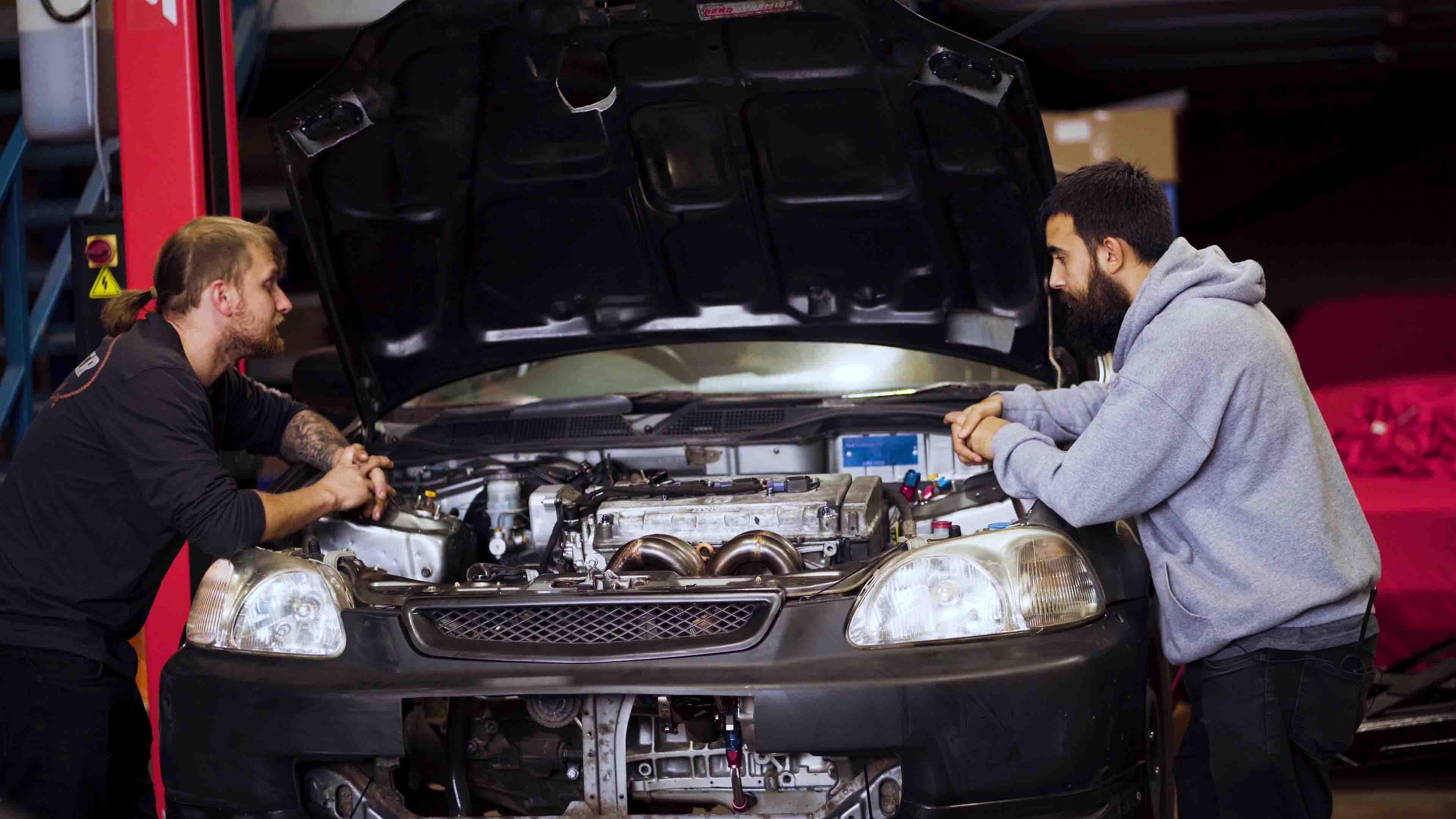
Nathan’s road-driven Honda Civic Type R EP3 turbo build.
High-power weekend road car used for hard, repeated boost runs.
The block was originally sleeved and closed-decked by CPL Racing. Following a dropped valve and the resulting damage, AMAC Engineering later completely refreshed the cylinder head and bored and repaired the block. The current specification includes an 87 mm bore, Wiseco 9.7:1 forged pistons, Skunk2 Alpha rods, Ferrea Competition Plus valves and Supertech 95 lb dual springs and retainers.
Mapped by HSP Tuning / Fabrication.
Three-inch V-band outlet, with a 45 mm Turbosmart HyperGate45 external wastegate, a correctly matched 44 mm blanket and a floor-exit screamer pipe.
ID1050x injectors, K-Tuned fuel rail, Turbosmart V2 fuel-pressure regulator, Walbro GSS342 lift pump and boot-mounted surge tank with AEM 400 lph pump.
T7Design components, baffled sump, Fluidampr, Tronic Workz timing components, ARP head studs and a five-speed gearbox with MFactory limited-slip differential.
T3 Exoracing Turbo Blanket V3 with a 44 mm Exoracing external wastegate blanket, both in titanium finish.
Around 800 break-in miles, followed by hard post-map use in mixed UK conditions from rain and cold weather to roughly 30°C heat.
The Problem: Radiant Heat Beside the Bulkhead
The turbine housing and external wastegate were the main concentrated heat sources. Radiant heat travels from a hot surface to nearby parts in its line of sight. In this EP3, the rear-mounted hot side placed the bulkhead, washer hose, brake-fluid area and wiring loom close to those sources.
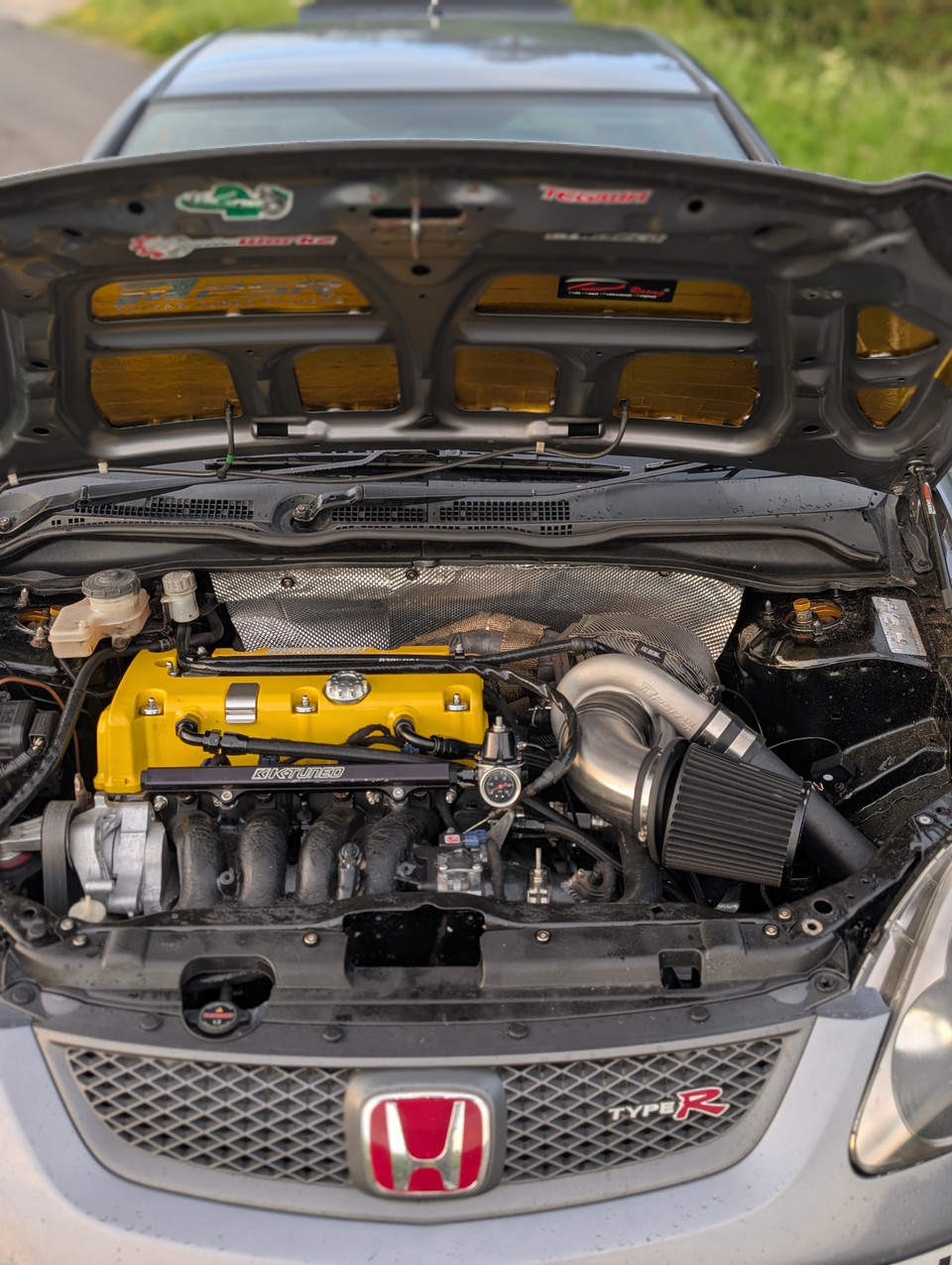
The rear-mounted turbo sits close to the EP3 bulkhead, making source control and clearance important. The damaged air filter visible in this photograph was subsequently replaced under warranty; the later engine-bay photograph shows the replacement fitted.
Nathan reported three practical symptoms before the change:
- Cabin discomfort: the footwells and transmission tunnel became extremely hot within roughly 15 minutes of hard driving on warm days.
- Boiling washer fluid and damaged hardware: Nathan says washer fluid physically boiled from the sprayers and the first hose/sprayer arrangement melted.
- Multiple vulnerable parts behind the turbo: gauge wiring, the clutch hose, brake hose and a substantial section of engine loom were routed in the affected bulkhead area.
“The washer fluid was physically boiling out of the sprayers and I even melted the hose and sprayers the first time around!”
These symptoms identify a heat-management problem, but they do not by themselves prove the temperature of any component or diagnose unrelated brake, wiring or washer faults. On another car, those systems should still be inspected rather than assuming heat is the only cause.
The Solution: Control Both Hot-Side Sources
The fitting decision followed the source-control-first approach we use for turbo heat management:
- Identify the turbine housing and external wastegate as the two main localised sources.
- Check the vulnerable parts and routes along the bulkhead.
- Fit a correctly sized turbo blanket to the turbine housing.
- Fit a matching blanket to the external wastegate rather than leaving the second source exposed.
- Reinspect the rest of the hot side and add component protection only where routing and clearance cannot remove the remaining exposure.
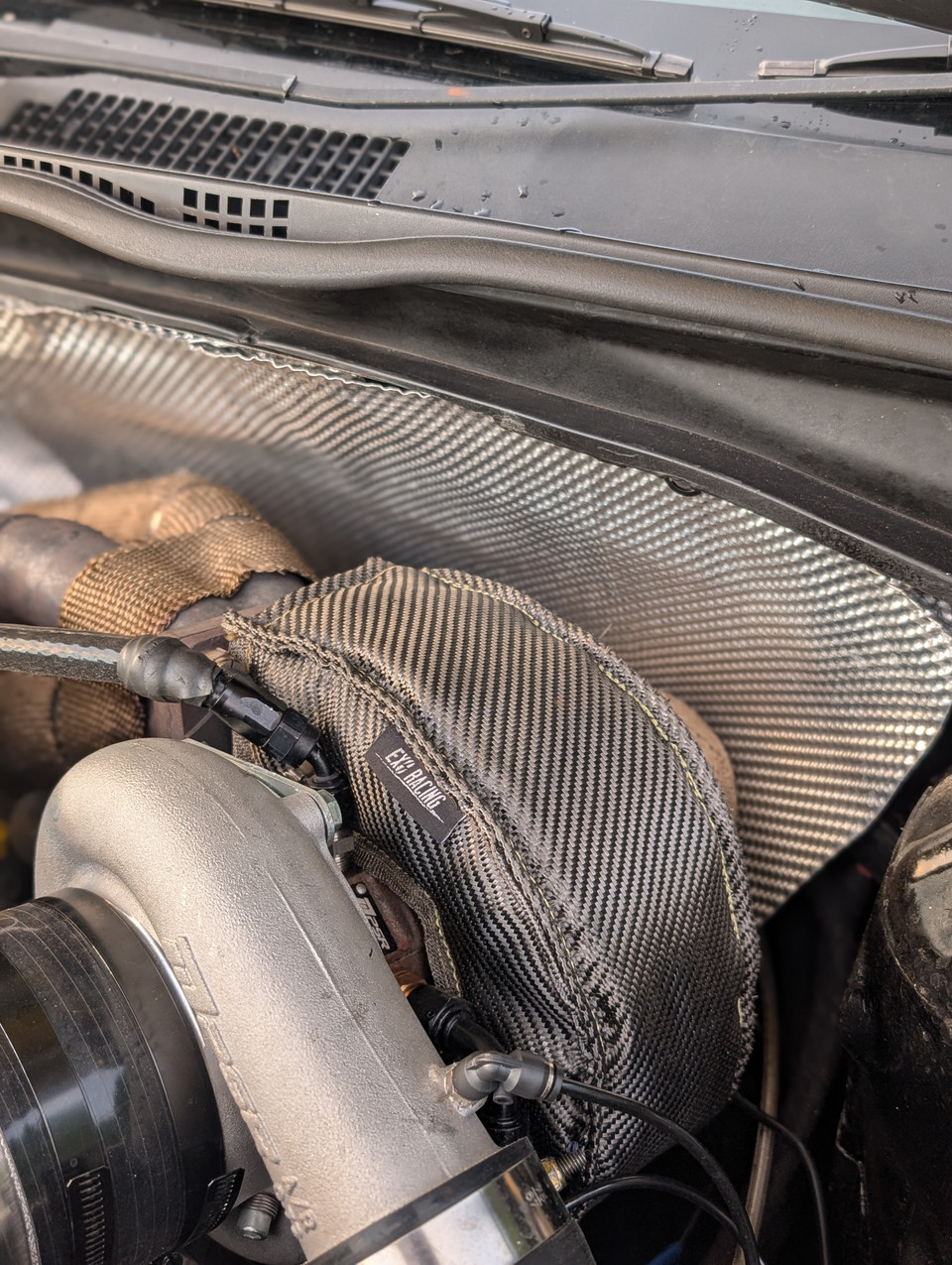
Nathan’s fitted Exoracing turbo blanket around the turbine housing, close to the rear bulkhead.
The current V3 product specification is a four-layer construction with a carbon or titanium weave exterior, silica insulation wool centre and stainless steel wire-mesh interior.
What Changed After Fitting the Blankets?
The strongest outcome was not a claimed horsepower gain. It was a clear change in how the car felt to use and in the washer-fluid symptom that had been repeatable before fitting.
“Once mapped the car has been put through the ringer to say the least!”
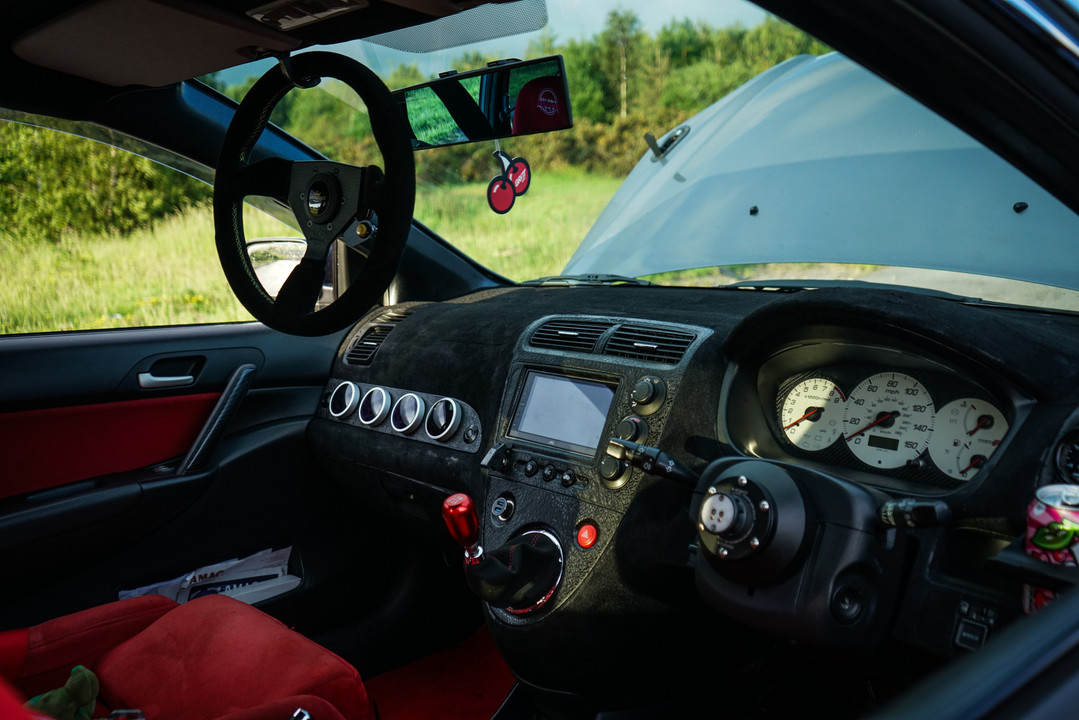
Nathan reported that the footwells and centre console became much more comfortable after the heat-management changes.
The footwells and centre console no longer produced the same uncomfortable heat across steady wet-weather drives and hard use in roughly 30°C heat. Cabin temperatures were not logged.
Before the blankets, Nathan says fluid physically boiled from the sprayers and the first hose/sprayer arrangement melted. The problem has not returned, but fluid and hose temperatures were not measured.
Nathan reports more stable back-to-back pulls and less variation across changing weather. No boost-response, intake-temperature, ignition-timing or power logs were supplied, so this remains a driving experience rather than a measured performance result.
Gauge wiring, clutch and brake hoses and engine-loom sections occupy the bulkhead area. No component-temperature measurements were supplied, so their condition and routing still require normal inspection.
The result is therefore persuasive for comfort and local heat exposure on this particular layout, but it is not a universal temperature or performance promise. Turbo size, exhaust layout, airflow, ambient conditions, driving load and measurement method all change the outcome.
How This Fits With Our Measured Turbo-Blanket Tests
Nathan’s experience is observational, but it aligns with the heat-barrier effect seen in our separate instrumented work. In our turbo blanket blowtorch test with thermal data, the flame-facing side reached the thermal camera’s 580°C limit while the outside measured 45.5°C at the same recorded point. That bench test was deliberately aggressive and is not a simulation of this EP3.
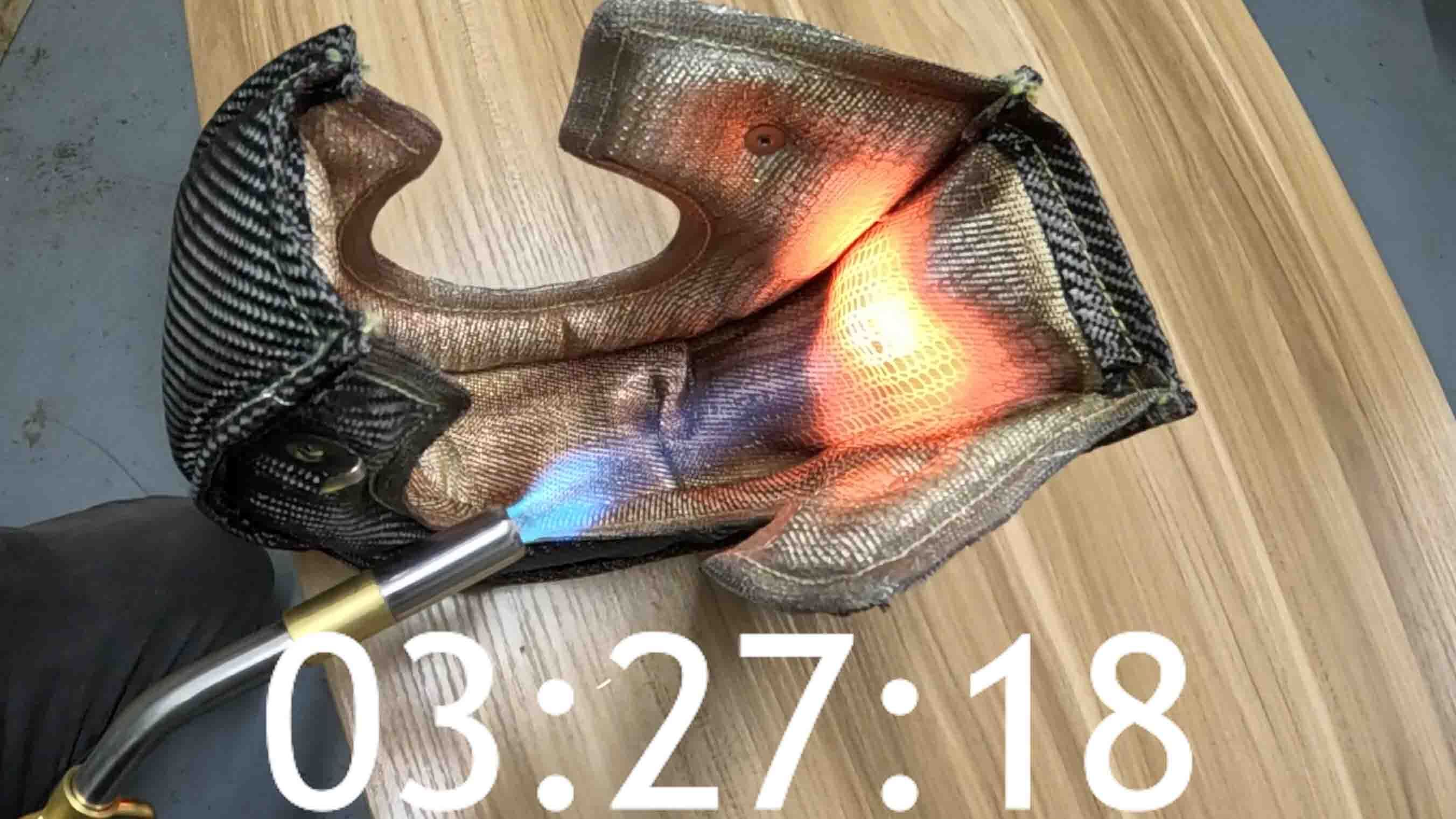
Separate Exoracing bench test shown for material context. It was not performed on this EP3 and must not be used as the car’s before-and-after result.
Our 550 bhp Audi RS4 before-and-after test provides real-car measured context: the turbo-area surface reading fell from 117.8°C to 70.0°C at the chosen test point after fitting the blankets. It is useful supporting evidence for source control, not a prediction of what an EP3 will record.
Watch: Exoracing Turbo Blanket V3 heat test and construction demonstration
If the player is blocked, watch the video on YouTube.
Choosing the Same Type of Heat Protection
This combination makes sense when a turbine housing and external wastegate are both significant heat sources. It is not an EP3-specific kit: the correct turbo blanket depends on the turbine housing measurements, and the wastegate blanket must match the gate size.
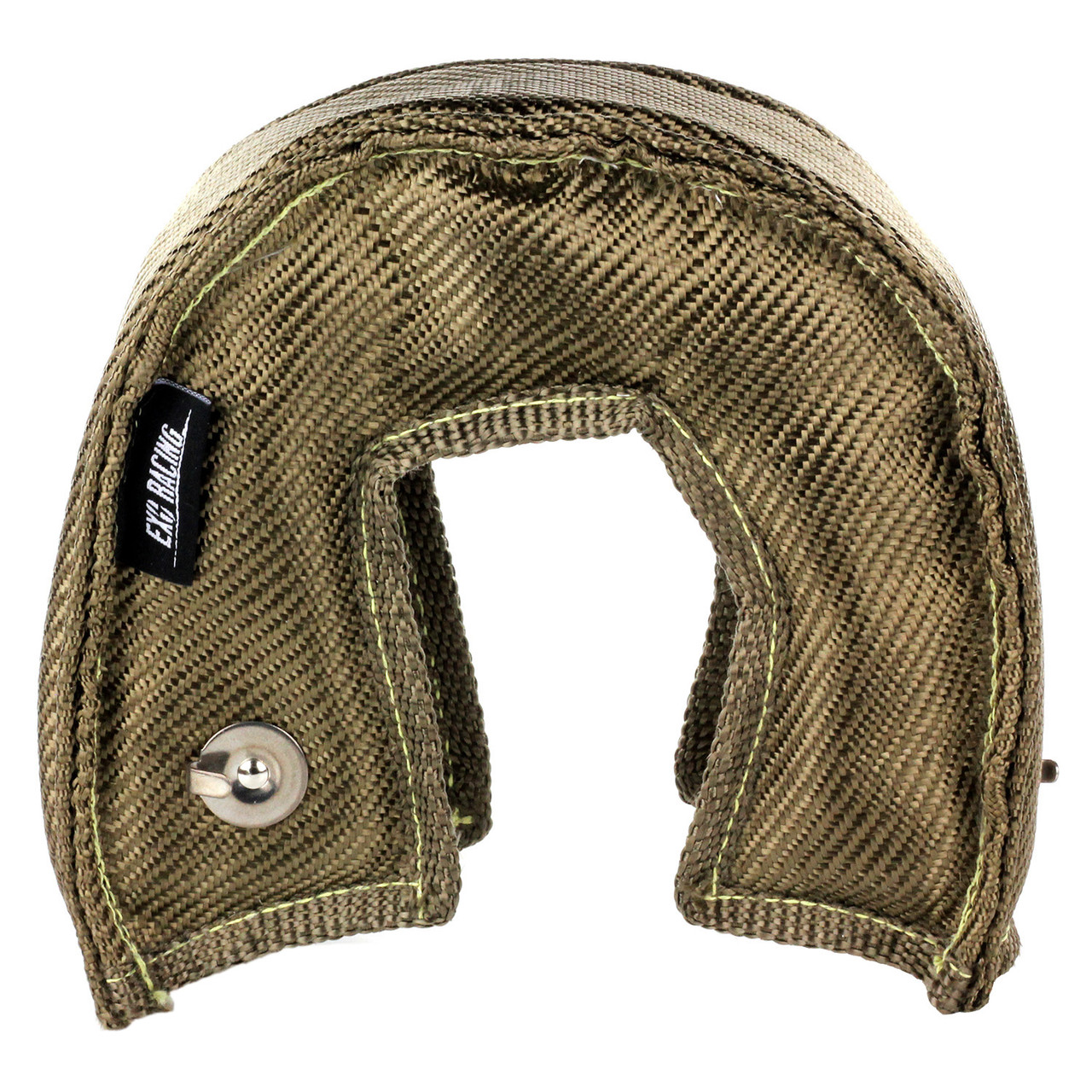 Exoracing Turbo Blanket V3
Contains radiant heat at a compatible T25, T3 or T4 turbine housing before it spreads through a tight engine bay.
From £119.99
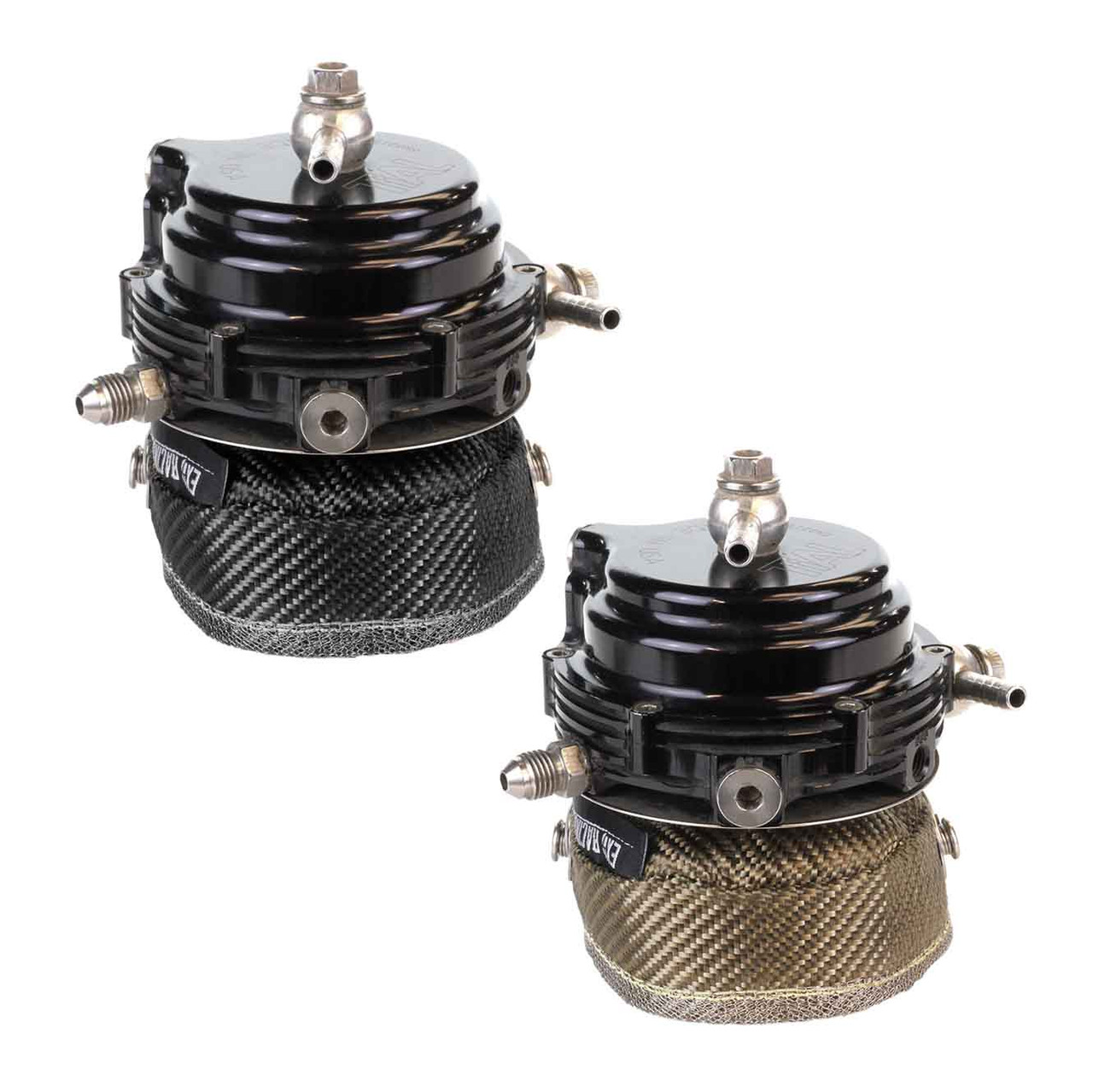 Exoracing External Wastegate Blanket Titanium or Carbon
Contains heat from a correctly matched external wastegate where wiring, hoses or bodywork sit nearby.
From £64.99
For the wider build, use the Honda Civic B-series and K-series turbo guide to plan the hot side alongside boost control, fuelling, wiring and the rest of the conversion. Browse the Exoracing heat-management range if the manifold, downpipe, screamer pipe, lines or bulkhead also need the correct form of protection.
Fitment and Safety Lessons From This Case
1. Fix leaks before fitting any blanket
The customer’s most valuable fitting advice was to run a fresh build, inspect the oil feed and drain, and correct every leak before installing the blanket. Our current fitting guidance is also to check for oil, fuel, coolant and power-steering fluid contamination first. If a blanket becomes contaminated or smoke smells of oil or fuel, switch off and inspect rather than assuming it is normal curing.
2. Work only when the hot side is fully cold
Use gloves and long sleeves to reduce irritation from heat-resistant fibres. Nathan found that small fibres could still reach the skin during installation even with gloves, so cover exposed forearms and avoid rubbing the material. Do not reach around a turbine housing or wastegate until the entire area has cooled fully.
3. Keep the blanket clear of moving or controlled parts
A turbo blanket must sit snugly around the turbine housing without obstructing an actuator arm, wastegate linkage or any other moving part. An external wastegate blanket must be the correct size and fitted without compromising the gate, lines or required clearance. Turbosmart’s HyperGate45 instructions also require adequate airflow around the upper diaphragm housing and state that the wastegate body must not be wrapped with exhaust wrap.
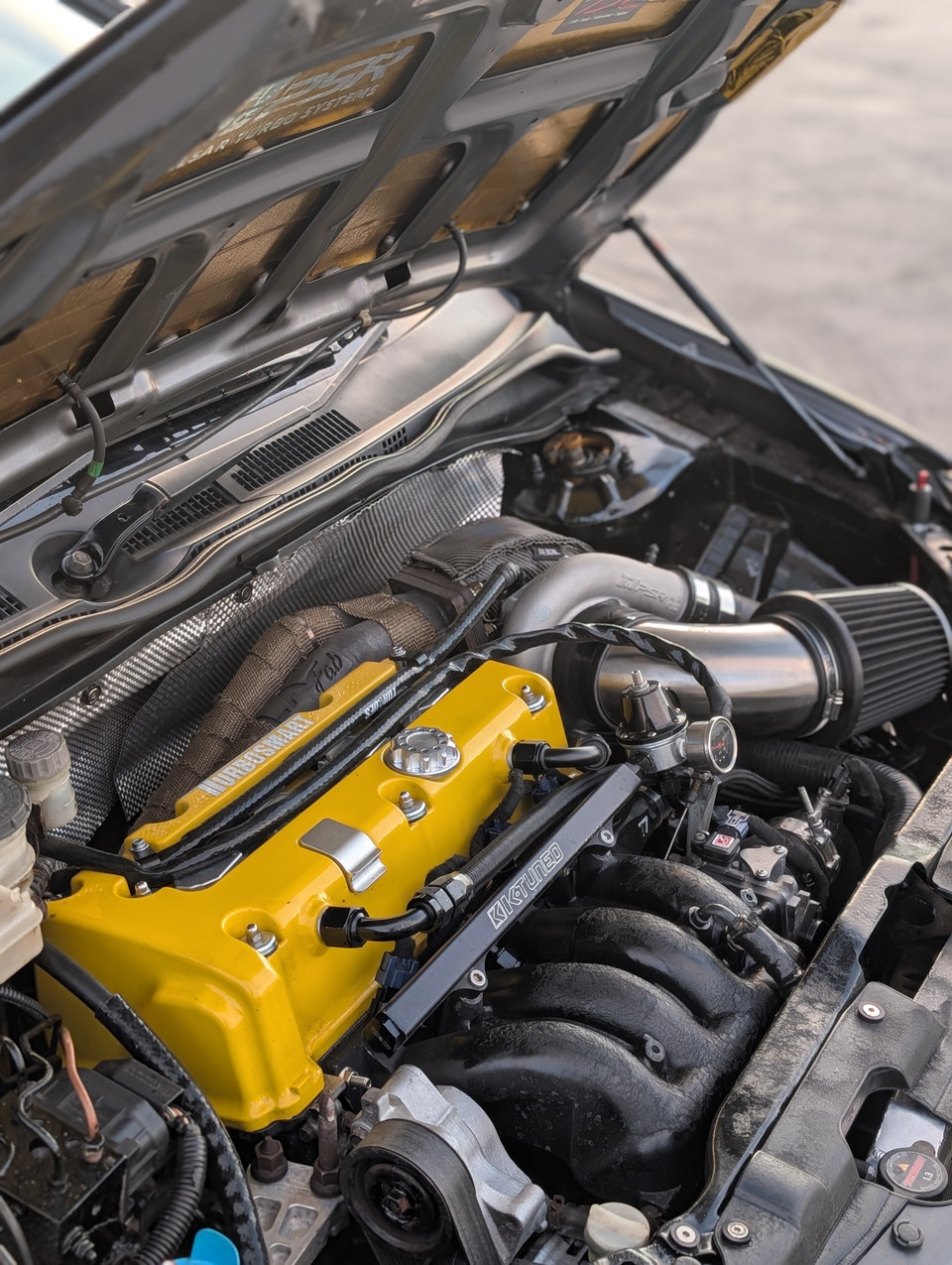
Nathan’s installation shows how the blanket sits within a tightly packaged EP3 engine bay. Check the actual car from every angle, preserve all required movement and clearance, then recheck the fit after a complete heat cycle.
4. Treat unusual smoke as a diagnostic signal
A light haze during the first few heat cycles can occur as moisture or manufacturing residue burns off. Heavy smoke, smoke that smells of oil or fuel, or smoke that continues is a stop-and-inspect condition. Allow the car to cool fully before checking the turbo area.
Nathan also notes that the blankets can retain some clean water while the car is being washed. That moisture may turn to visible steam when the hot side warms up. Do not automatically assume every vapour cloud is harmless, though: check how and when the blanket became wet, and stop to inspect anything persistent or accompanied by an oil, fuel or coolant smell.
When a Blanket Is Not the First Fix
Do not use heat protection to hide a fluid leak, damaged loom, softened hose, poor brake behaviour or unsafe pipe route. Repair the fault and create clearance first. A turbo or wastegate blanket is also the wrong product for a manifold, downpipe or screamer pipe; those parts require a solution intended for exhaust pipework.
If washer fluid is genuinely steaming, a brake pedal changes feel, wiring insulation is damaged, or smoke smells of fuel or oil, stop hard use and investigate the cause. A competent workshop should diagnose anything involving pressurised fuel, brake hydraulics, damaged electrical circuits or an inaccessible hot side.
Common Turbo-Blanket Mistakes
- Blanketing only the turbo when the external gate is also close to the bulkhead: identify every significant source and control each with the appropriate product.
- Ordering by flange label alone: measure the turbine housing and confirm the external wastegate size before buying.
- Fitting over contamination: repair and clean every leak before the blanket goes on.
- Ignoring the rest of the hot side: use the correct exhaust wrap or shielding for manifolds, downpipes and screamer pipes where required.
- Skipping the cold recheck: inspect the blanket position, fasteners, lines and clearances after the first heat cycle.
Frequently Asked Questions
Does a turbocharged Honda Civic EP3 need a turbo blanket?
Not automatically. Consider one when the turbine housing is a major source of radiant heat near wiring, hoses, panels or cabin-facing bulkheads. Check routing, leaks, turbo measurements and moving-part clearance first.
Did the blankets reduce cabin heat on this EP3?
Nathan reported a major improvement in footwell and centre-console comfort on warm, hard-driven journeys. No cabin-temperature measurements were supplied, so the size of the reduction is not known.
Will a turbo blanket improve spool on a K20 turbo?
Retaining heat in the turbine housing can support consistent hot-side behaviour, but this case did not log boost response or power.
Do I need a wastegate blanket as well as a turbo blanket?
Use both when the car has an external wastegate that is itself a significant heat source near vulnerable parts. Match the wastegate blanket to the gate size and check for clearances and airflow required by the wastegate manufacturer.
Is smoke normal after fitting a turbo blanket?
A light haze during the first few heat cycles can be normal. Heavy smoke, an oil or fuel smell, or smoke that continues is not something to ignore: switch off, let the car cool fully and inspect for leaks or contamination.
Can a turbo blanket steam after washing the car?
It can retain some clean wash water and release visible steam as the hot side warms. Confirm the blanket was recently wet and remain alert for persistent vapour or oil, fuel or coolant smells, which require inspection rather than reassurance. In a perfect world, you would never let moisture go near the blanket, but in reality this is nearly impossible with UK weather, etc.
What should I measure in a proper before-and-after test?
Use the same route, ambient conditions, warm-up, load and measurement points where possible. Useful data can include bulkhead and cabin-surface temperatures, washer-hose temperature, turbo-area surface temperature, intake temperature, boost response and ignition-timing logs.
Conclusion: A Credible Comfort and Heat-Control Result
On this 543 bhp turbocharged EP3, controlling both the turbine housing and external wastegate matched the actual layout of the problem. Across just over 1,500 miles and mixed conditions, Nathan’s best results were a much more comfortable cabin and no repeat of the boiling washer-fluid and melted-hardware problem.
The case does not prove a horsepower, spool, ignition-timing or brake-temperature change. What it does show is the value of identifying the dominant heat sources, correcting leaks and routing first, then applying the right insulation to each source.
Shop Heat Management PartsAbout the Author
Customer contributor: Nathan @nathansbiking supplied his EP3 build specification, the heat problems he experienced, fitting feedback and the results he observed after installing the blankets. Follow the car’s developing account at @k20.wus.
Editor and additional context: Matt, owner of Exoracing Ltd, structured and edited Nathan’s account, checked the current product and fitting information, added the wider heat-management explanation and added evidence limits. Exoracing is a UK-based performance-parts business specialising in automotive heat management and performance upgrades. Since 2018, we have helped enthusiasts and workshops choose practical protection for turbo, exhaust, wiring, hose and engine-bay applications.
How this case study was created: this is a collaboration between Nathan and Exoracing. Nathan supplied the first-hand material; Exoracing formatted and expanded it for the website.