

Martin Wonnacott Drifting Interview | Toyota Chaser
Posted by Matthew Marks on 1st Aug 2024
Jump to a section
All Things Drifting: Featuring Martin Wonnacott
We caught up with sponsored professional drifter Martin Wonnacott to talk about UK drifting, his Toyota Chaser, the British Drift Championship, and the heat management parts he trusts on his high-power drift car.
Shop Heat Management PartsDrifting is one of the most demanding forms of motorsport for a car. Long periods on throttle, high steering angle, tyre smoke, turbo heat, clutch abuse and repeated runs all put pressure on the engine bay, cooling system, driveline and driver.
That is why we wanted to revisit our interview with Martin Wonnacott. Martin has been part of UK drifting for years, has competed in the British Drift Championship, and runs a serious Toyota Chaser built around a high-power 1.5JZ setup.
This updated page keeps Martin's original answers intact, but adds more context for readers who are new to drifting or trying to understand why heat management matters on a competition drift car.
The simple answer
Drifting is a judged motorsport where drivers intentionally keep the car sliding through corners while controlling angle, speed, line and proximity.
For a high-power drift car like Martin's Toyota Chaser, reliability is not just about engine power. Heat control, serviceability, spare panels, cooling and confidence in the car all matter.
Martin's advice for beginners is clear: start simple, keep costs sensible, find practice days or drift schools, and focus on having fun first.
- Martin Wonnacott is a UK professional drifter from Newton Abbot and a long-time JDM and rear-wheel-drive car enthusiast.
- His Toyota Chaser uses a built 1.5JZ non-VVTi setup with a BorgWarner EFR 9274 turbo and nitrous.
- He recommends beginners start with simple, cheap setups, drift schools and practice days before chasing big builds.
- Heat management is a real reliability concern on drift cars because the car spends long periods under load with limited airflow.
- Martin highlights Exoracing gold heat sheeting, turbo blankets and heat wrap as products he runs on the car.
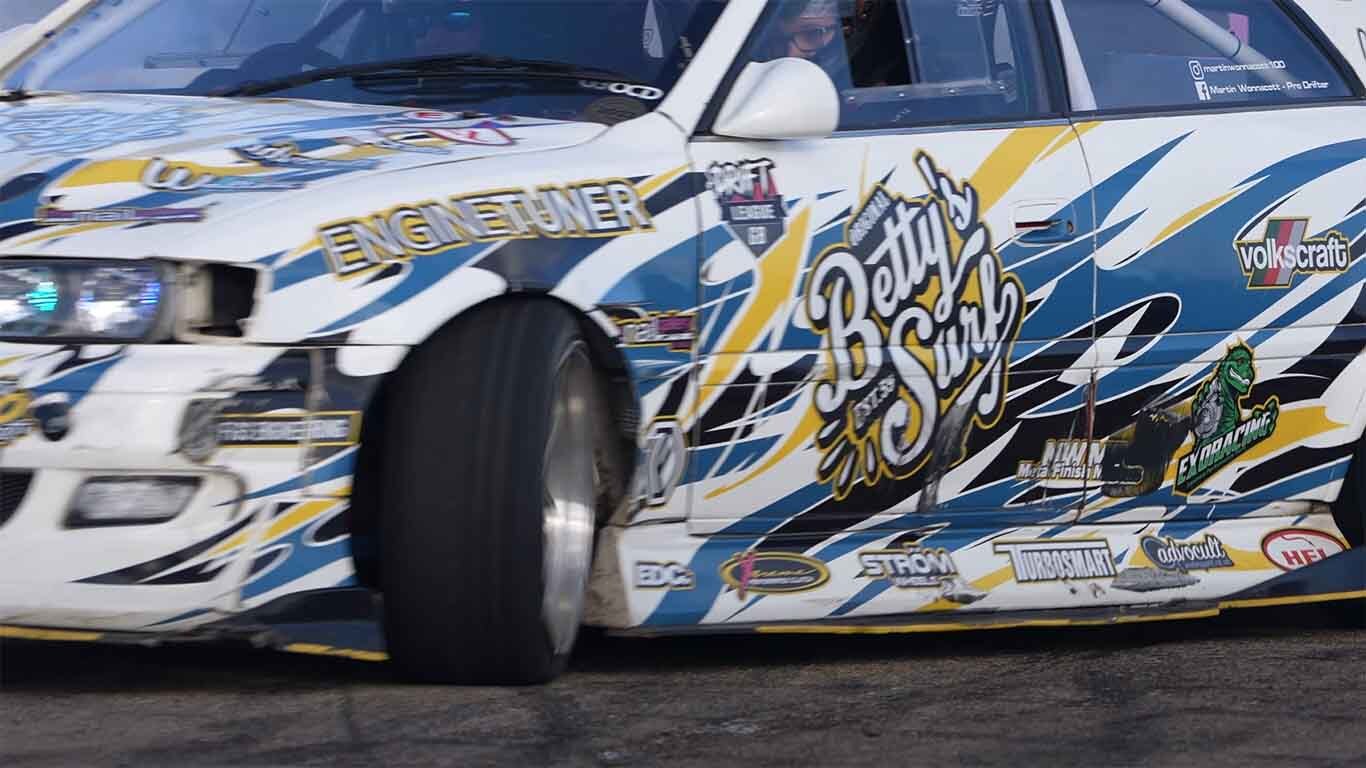
What Is Drifting?
Drifting is not just spinning the tyres for smoke. In competitive drifting, drivers are judged on how well they control the car while it is sliding. They need to hit the correct line, carry speed, hold angle and stay close to the lead or chase car without losing control.
That makes the car setup very different from a normal road or track build. A drift car needs steering lock, grip balance, cooling, strong driveline parts, predictable suspension, usable power delivery and bodywork that can survive contact.
On turbo cars, heat management becomes part of keeping the car consistent run after run.
Martin Wonnacott Interview
Below is our interview with Martin. We have kept Martin's answers in his own words and added supporting context around the interview where it helps the reader understand the car, sport and products mentioned.
Hi Martin, thanks for taking the time with us. Could you start by telling us about yourself?
I'm getting on a bit at 48 from Newton Abbot, and I'm a builder by trade.
How long have you been drifting, and how did you get into the sport?
I have been driving on and off for ten years, but I have been driving continuously for about seven years now.
I have always had rear-wheel-drive cars from a young age, but I became more interested in JDM cars and purchased a PS13.
I saw an advert for a drift school run at Silverstone circuit, so I booked on and took to it like a duck to water, and here I am now, still hooked!!
Do you have any words for people trying to get into the sport?
Start simple and as cheap as possible, look for practice days or drift schools, which there are a few and most importantly, have fun and see how you go.
What are your top 3 favourite tracks in the UK to drift?
Well, I love the one-off tracks for drifting like the custom one at the NEC when BDC held a round there.
But Teesside reverse is pretty awesome, then probably the Three sisters latest BDC set-up, but saying that, Driftland is a one-of-a-kind track with a great team of people behind it.
You've been drifting for a while now; do you have a favourite moment from your whole career?
Driftland in 2019 against Aurimas, an absolute loon but a fantastic driver; I beat him, which built my confidence in where I was in the sport. It was also my first podium win in the pro class!!
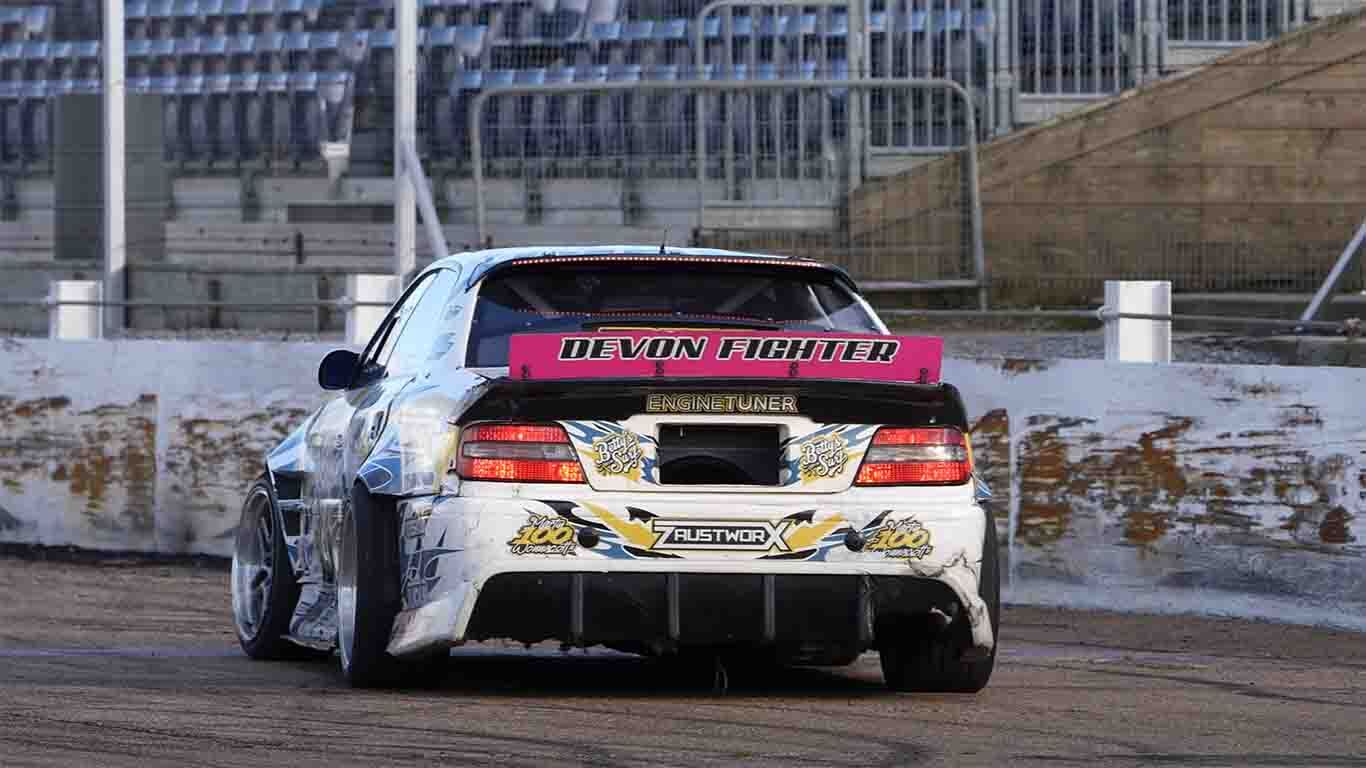
Of all the JDM cars out there, why did you choose to go with the Chaser?
I like to be a little different and love a challenge. Having had the PS13 before, I didn't want to repeat it, so I started looking at the JZX90 mk2.
I had 3 of them, one being a proper drift car, and I started improving and learning about them. It began to suffer when we used semi-slick tyres, so I built the JZX100 and moved parts across.
We think the Chaser is fantastic. Could you tell us more about it?
Well, we just finished a built 1.5JZ non-VVTI and have it on a very safe map, for now, to make sure all is good.
The Engine is very high spec with all billet parts, and the head has had a lot of work.
The turbo we have gone for is a Borg Warner EFR 9274 with nitrous, making low 1.4bar 700hp 550 lb/ft at the hubs on pump fuel.
You’ve started making your panels for the car; what a great idea! What were your thoughts on this idea?
The Chaser is hard to get panels for, and when you can find them, they’re expensive here. I’m hard on the panels, so learning was an evident skill.
How has the 2021 season been, and what’s in store for next year?
2021 Didn’t get started due to such an extensive build we decided we had to do. However, we aim to dial the car and me back in for the remainder of the season, have the car bang on, and then hit the following season hard.

How have you found having Exoracing as a sponsor?
Exoracing has been a great help, and it is incredible to try and help push a fast-growing local firm that shows passion themselves for motorsport.
What are your favourite Exoracing products you run on the car?
The heat management products, such as the gold heat sheeting, turbo blankets, and heat wrap, make the bay look “racey” while doing a fantastic job of keeping heat under control and improving performance.
Finally, what are your thoughts on the UK drifting scene?
Well, I don’t see an end for me having more support from sponsors and fans than ever and still love every minute.
Drifting has exploded in the UK, and there are many discussions on whether it is getting too expensive or too many championships but not enough practice days.
But overall, I think it’s doing well and will be here to stay in one form or another, especially when you see how many young, talented drivers are joining in all the time.
I will keep going as long as I can keep up.
Martin's Toyota Chaser At A Glance
A Toyota Chaser is a strong drift platform because it gives you rear-wheel drive, a long wheelbase, JZ engine potential and enough size to be stable at speed. Martin's car takes that base much further.
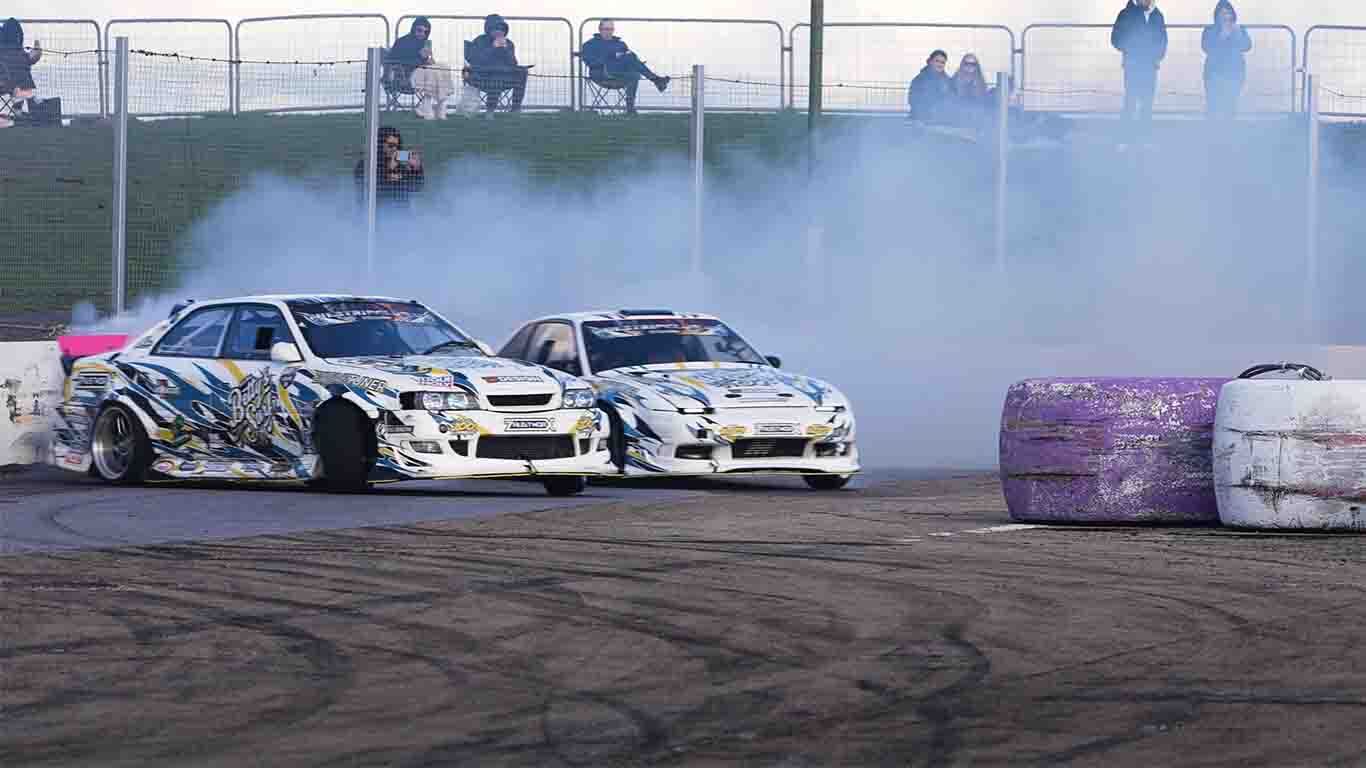
Chosen after Martin moved on from the PS13 and JZX90 platforms.
High specification with billet parts and head work.
Martin quoted a low 1.4 bar, 700 hp, and 550 lb/ft at the hubs on pump fuel.
Why Heat Management Matters In Drifting
Drift cars create a lot of heat because they spend so much time under load. The engine is working hard, the turbo and exhaust are hot, airflow can be inconsistent at an angle, and the car may go back out repeatedly with very little cooldown time.
The heat management logic is simple: identify the heat source, identify the vulnerable part, improve clearance and routing, control the heat source where possible, and then protect the nearby component. On a turbo drift car, that can mean a turbo blanket for the turbine housing, exhaust wrap for hot pipework, reflective sheet for panels and surfaces, and heat sleeve for lines or wiring.
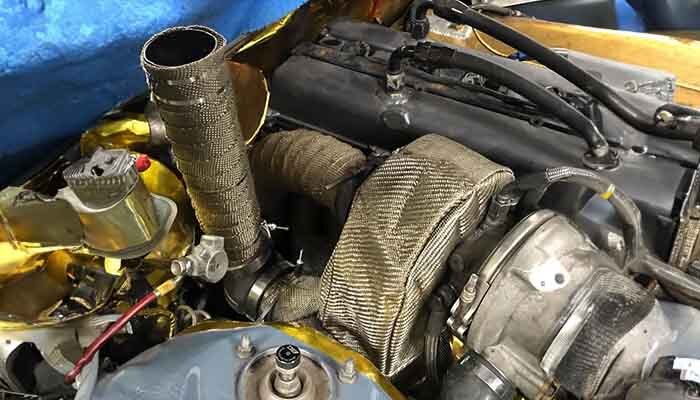
 Exoracing Turbo Blanket V3
Controls concentrated turbo heat and helps protect nearby lines, wiring and panels.
From £119.99
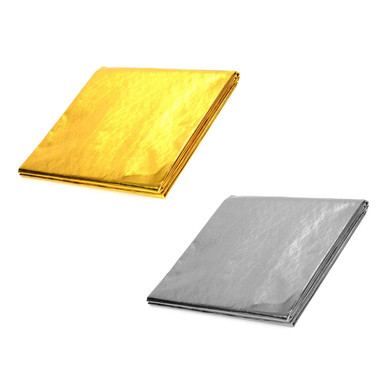 Exoracing Gold and Silver Heat Reflective Sheet 1m x 1.2m
Reflective sheet for panels, bulkheads and surfaces exposed to radiant heat.
From £69.99
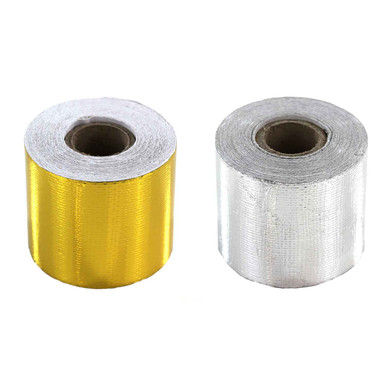 Exoracing Gold and Silver Heat Reflective Tape
Reflective tape for airboxes, intake pipes, covers and smaller heat-facing surfaces.
From £29.99
What Beginners Can Learn From Martin's Advice
The most useful part of Martin's advice is that he does not tell beginners to build a high-power car straight away. He points people towards drift schools, practice days and keeping the car simple. That is sensible because seat time matters more than buying every upgrade at once.
A simple car with a confident driver will teach more than a complicated car you cannot afford to run.
Cooling, servicing and heat management help keep the car running long enough to learn.
Drifting can become expensive quickly, so tyres, fuel, entry fees and repairs should be part of the plan.
Common Drift Car Heat Management Mistakes
Protecting the wrong part first
If the turbo, manifold or downpipe is the main heat source, start by controlling that heat where possible. Then protect nearby wiring, hoses, panels and intake parts.
Using reflective tape as an exhaust wrap
Reflective tape is for surfaces facing radiant heat. It is not for wrapping manifolds, downpipes or hot exhaust parts. For hot pipework, use an exhaust wrap.
Ignoring routing and clearance
Heat products help, but they should not be used to hide bad routing. If a fuel line, brake line, wiring loom or coolant hose is touching a hot part, move it first.
When Heat Management Is Not The First Fix
Heat management is important, but it does not replace basic reliability. If the car is overheating because the radiator, fan, thermostat, water pump or ducting is wrong, fix the cooling issue first. If wiring or hoses are already damaged, repair or replace them before adding sleeve, tape or shielding.
The best drift cars are built in layers: solid cooling, safe routing, reliable servicing, then heat control products, where they solve a specific problem.
Related Exoracing Guides
For more on the same topic, read our guide to performance car heat problems explained by pro drivers. If you are trying to reduce temperatures in a turbo engine bay, our guide to reducing engine bay temperatures gives a practical product-by-product breakdown.
If you already know exhaust wrap is part of the solution, our step-by-step exhaust wrap installation guide explains how to fit it properly.
Drifting And Heat Management FAQs
What is drifting?
Drifting is a motorsport where drivers intentionally slide the car through corners while controlling angle, speed, line and proximity. It is judged on control and style, not just lap time.
What car does Martin Wonnacott drift?
Martin's interview focuses on his Toyota Chaser JZX100 with a built 1.5JZ non-VVTi engine, Borg Warner EFR 9274 turbo and nitrous.
Why do drift cars need heat management?
Drift cars spend a lot of time under load, often with high turbo and exhaust temperatures. Heat management helps protect hoses, wiring, panels, intake parts and other nearby components.
What should beginners do before building a big drift car?
Start with seat time. Practice days, drift schools, simple cars and basic reliability will teach more than jumping straight into a huge-power competition build.
Should a turbo drift car use a turbo blanket?
A turbo blanket is useful when the turbo housing is a major heat source and nearby components need protection. It should be fitted correctly and not used over oil leaks or damaged parts.
Where can I follow Martin Wonnacott?
You can follow Martin on Instagram at @Martinwonnacottprodrifter for updates on his car and events.
Conclusion
Martin's interview shows what drifting is really about: seat time, confidence, problem solving, a car that suits the driver and a setup that can survive repeated hard use.
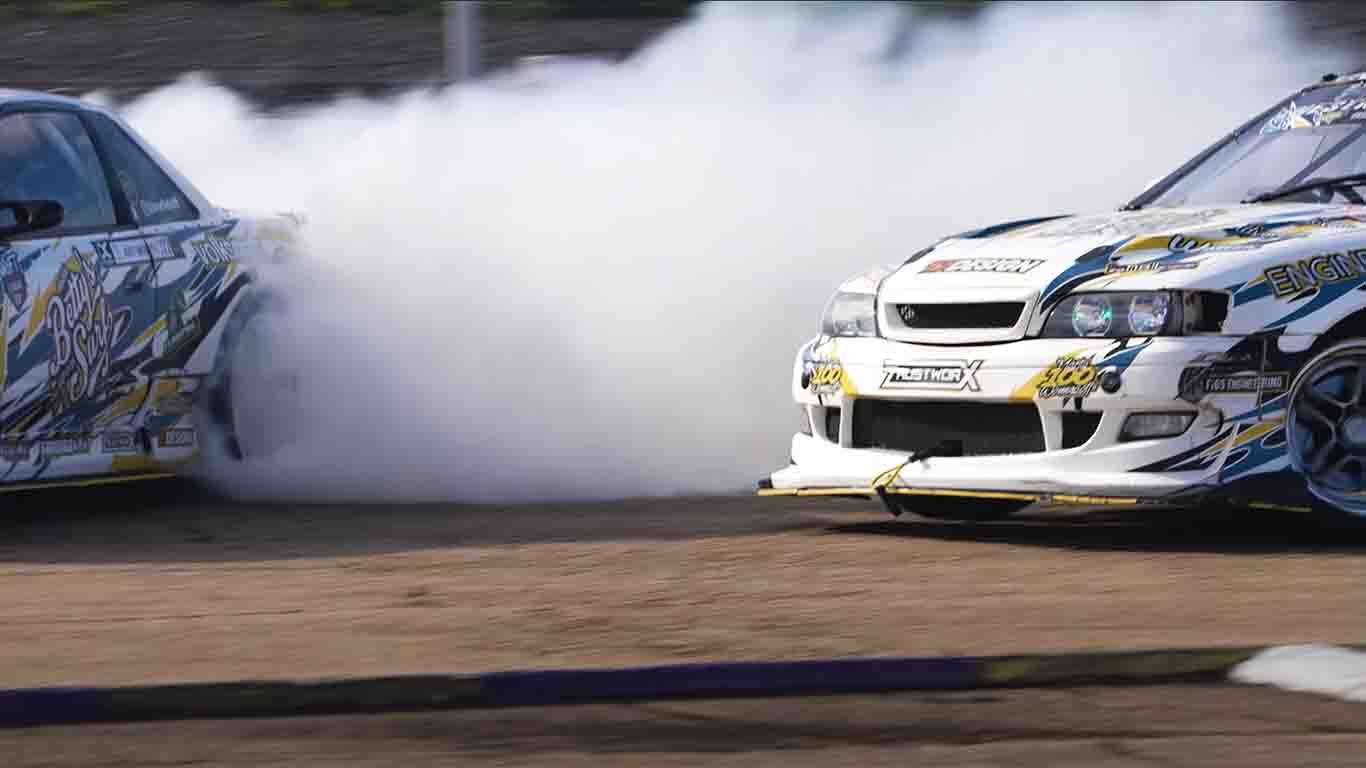
For us, the heat management side is especially important because drift cars expose every weakness in an engine bay. Turbo blankets, reflective sheet, heat tape, exhaust wrap and proper routing all have a place when they are matched to the right heat source and vulnerable component.
Make sure to go check Martin out on Instagram at @Martinwonnacottprodrifter to get his latest updates on where you can see him and his Chaser.
Shop Heat Management PartsAbout the Author
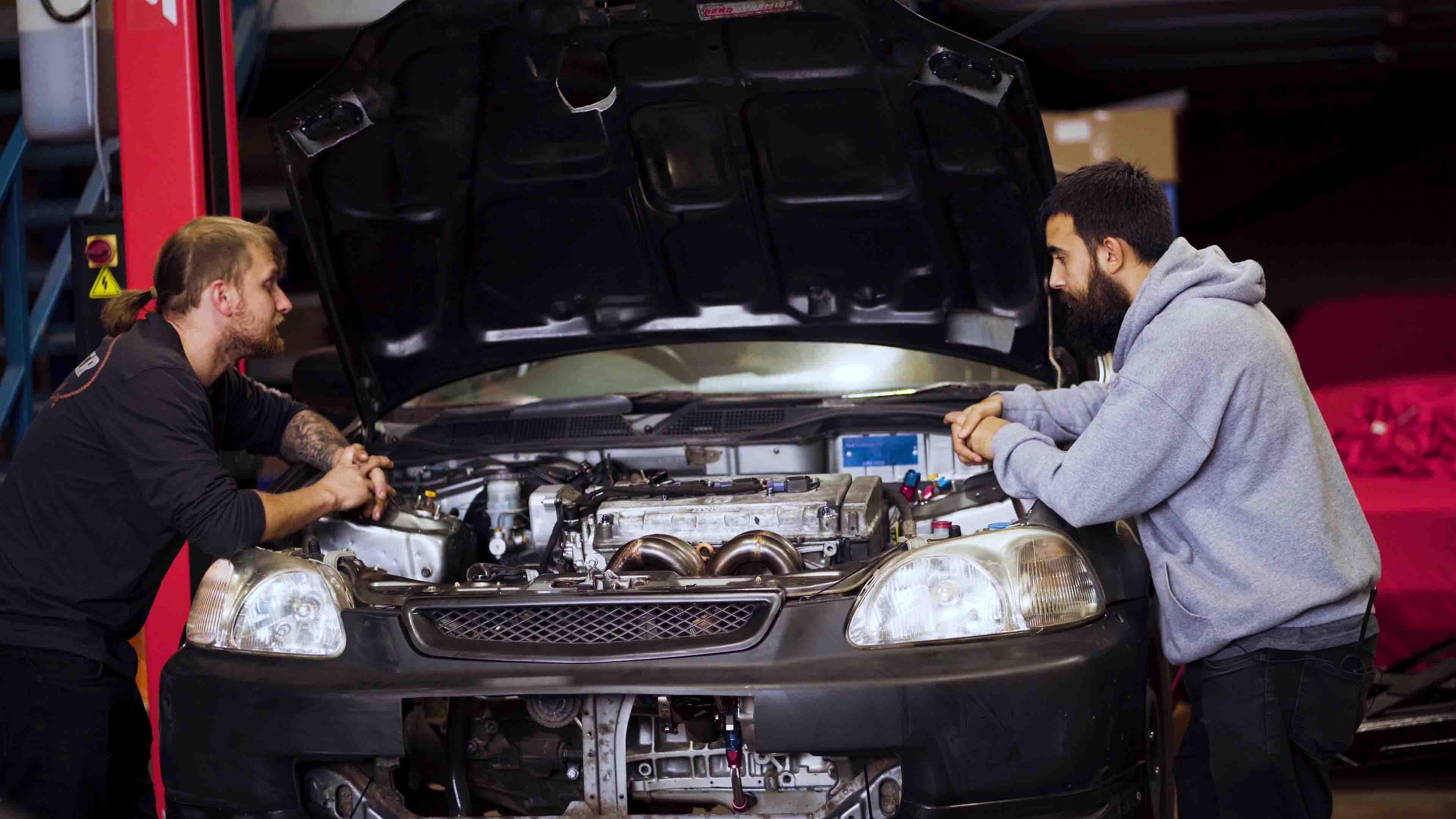
Exoracing is a UK-based heat management and performance parts specialist.
Since 2018, we have helped enthusiasts, workshops and motorsport customers choose parts for turbo cars, drift cars, track builds and high-temperature engine bays. Our content is based on the parts we sell, the cars we work around and the questions customers ask before ordering.