
Can Turbo Blankets Catch Fire? Oil Leak Safety
Posted by Matthew Marks on 13th May 2026
Jump to a section
Can a Turbo Blanket Catch Fire? Oil Leaks, Smoking and Safety
A clean, correctly fitted turbo blanket should not catch fire at random, but oil, fuel, coolant contamination, and poor installation can turn any hot engine bay into a safety risk.
Exoracing is a UK heat management specialist helping enthusiasts and workshops control turbo heat safely since 2018.
Shop Turbo BlanketsTurbo blanket fire questions usually come from one of three situations: a new blanket smokes after the first heat cycle, the car already has an oil leak near the turbo, or someone has seen a soaked heat wrap or blanket catch fire online.
The useful answer is not that all turbo blankets are dangerous, or that nothing can ever happen. The useful answer is knowing what is normal, what is not normal, and when to stop driving.
From our experience, it is rarely the turbo blanket material itself that creates the danger. When we hear about blankets catching fire, the common factor is usually contamination from oil or another flammable fluid before the fire started.
A turbocharger generates extreme heat around the turbine housing, the exhaust-driven hot side of the turbo. A turbo blanket controls that heat at the source, reducing radiant heat that would otherwise spread towards hoses, wiring, paint, intake parts and bonnet areas.
The simple answer
A clean, correctly fitted turbo blanket should not catch fire in normal use. It is designed for the hot side of a turbocharger and built from high-temperature materials.
The main fire risk is not the blanket itself. It is contamination. Do not fit or keep using a turbo blanket on a turbo or engine bay that is leaking oil, fuel, power steering fluid or another flammable fluid.
Light smoke or smell during the first heat cycle can be normal as manufacturing residue burns off. Heavy smoke, wet patches, oil smell, flames, or smoke that gets worse means stop, cool the car down and inspect it properly.
- A turbo blanket should only be used on a clean, leak-free turbo setup.
- Oil contamination is the biggest fire risk because oil can soak into heat protection material.
- A small smell or light smoke during the first heat cycle can be normal, but persistent smoke is not.
- Fix leaks, clean residue, and inspect oil feed, oil drain, coolant lines and fittings before fitting a blanket.
- After fitting, recheck the blanket after the first heat cycle and during routine servicing.
Why Turbo Blankets Do Not Normally Catch Fire
A turbo blanket is not a normal fabric cover. It is made for the turbine housing, where exhaust gas temperature and radiant heat are highest. Radiant heat is heat that travels in line of sight from a hot part, which is why nearby hoses, looms, intake pipes and paint can suffer even when they are not touching the turbo.
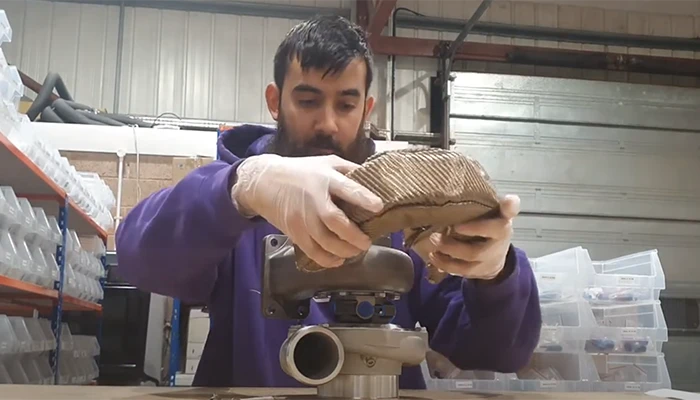
The Exoracing Turbo Blanket V3 uses a carbon or titanium weave exterior, silica insulation wool, stainless steel wire mesh and stainless steel spring fasteners. It is built for repeated turbo heat cycles, not for hiding leaks or covering damaged parts.
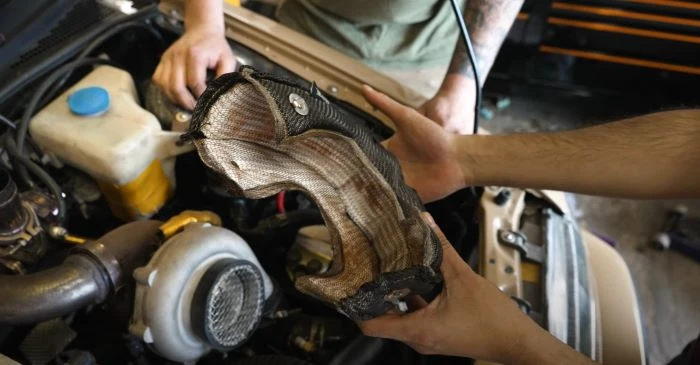
That is why the first safety rule is simple: identify the heat source, identify the vulnerable parts, then check the condition of the turbo area before adding heat protection. A blanket can control heat, but it cannot make an unsafe oil leak safe.
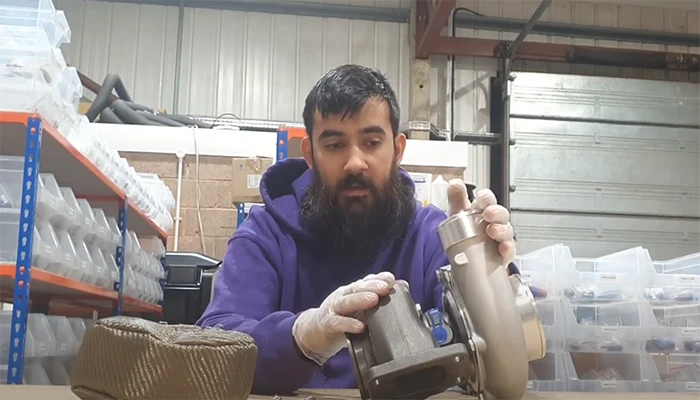
Watch: This Exoracing install video shows a new Turbo Blanket V3 being fitted and compares it with a blanket that survived three years on Scott's 430whp turbo Honda Concerto.
The Real Fire Risk: Oil Leaks and Contamination
Oil on a turbo blanket is the big red flag. If oil drips from the turbo oil feed, oil drain, rocker cover, breather system or nearby fittings, it can soak into the blanket and sit close to one of the hottest parts of the engine bay. That is when the risk changes from normal heat management to a fire hazard.
The same logic applies to fuel, power steering fluid, coolant residue and general grime. A bare turbo housing, exhaust manifold or downpipe can also smoke or ignite contamination if a leak drips directly onto it. The blanket simply makes contamination easier to miss if you never inspect it, because fluid can sit inside the material instead of burning off immediately.
Fit the correct size, secure the springs and recheck after the first heat cycle.
Some surface residue can burn off during the first heat cycle. Monitor it and check that there is no fluid leak.
Fix the leak first, clean the area and replace the blanket if it is soaked.
Let the car cool, then check for oil, coolant, wiring contact, poor fitment or damaged material.
Is Smoke From a New Turbo Blanket Normal?
A small amount of smoke or smell during the first heat cycle can be normal. A heat cycle means the part has been brought up to operating temperature and then allowed to cool fully. New heat management parts can have manufacturing residue, handling marks or surface contamination that burns off once the part gets properly hot.
The key is the behaviour. Light smoke that fades after the first drive is very different from thick smoke that keeps building, smells strongly of oil, or appears with fresh wet patches around the turbo. If you are unsure, treat it as a leak until proven otherwise.
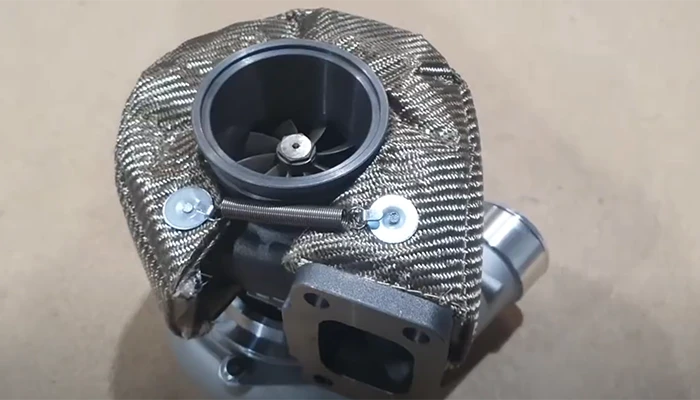
After the first heat cycle, let the car cool fully and inspect the blanket, springs, turbo oil feed, turbo drain, nearby coolant hoses, breather pipes and wiring. Our turbo blanket installation guide covers the basic fitment checks if you want a step-by-step reference.
What Our Blowtorch Test Shows About Fire Risk
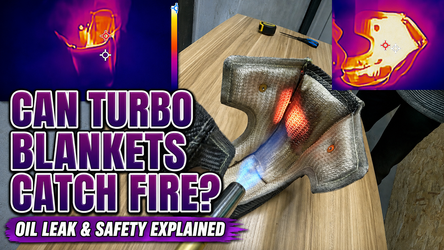
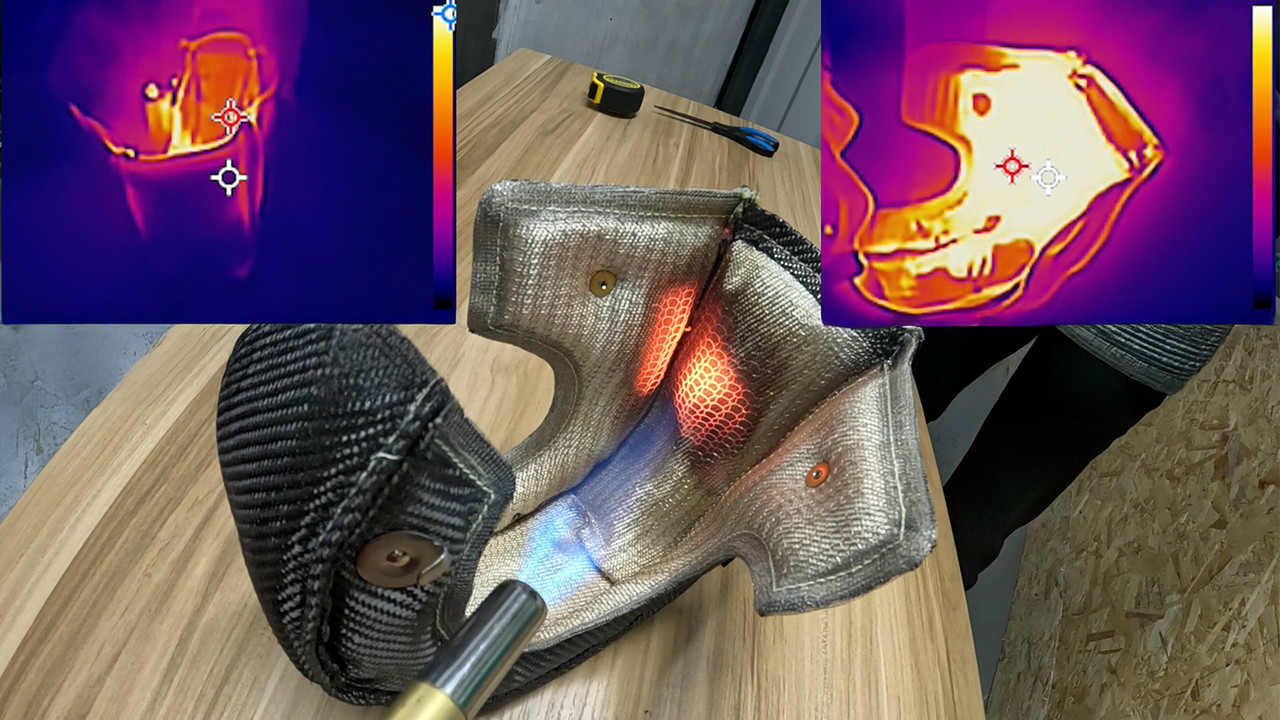
The blowtorch test is useful here because it separates material resistance from contamination risk. In our turbo blanket blowtorch test with thermal data, we used a propane blowtorch and thermal imaging camera to observe how the blanket behaved under direct flame exposure.
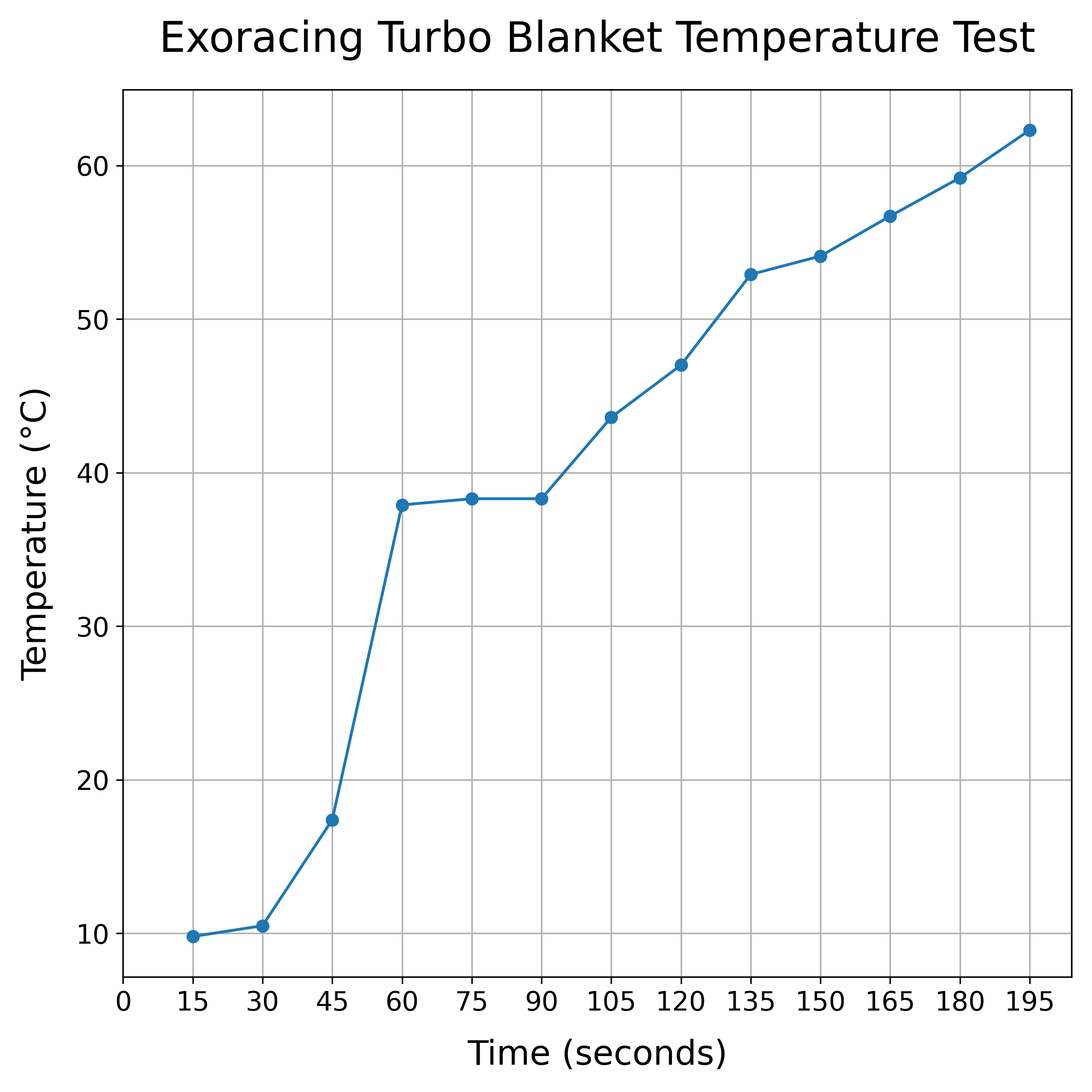
The important safety point is simple: the blanket did not ignite during the test. The material showed that it can deal with severe heat exposure. That does not mean you should ignore oil leaks. It means the blanket material is not normally the weak point. A dirty, leaking, poorly maintained engine bay is.
Watch: Our blowtorch test shows how the turbo blanket material behaves under direct flame and why contamination is a separate safety issue.
When Not to Use a Turbo Blanket
Do not use a turbo blanket as the first fix if the car has an active leak, damaged wiring, poor hose routing, a loose downpipe, missing fasteners or contact between the blanket and a moving component. Heat protection should support a healthy setup, not cover a fault.
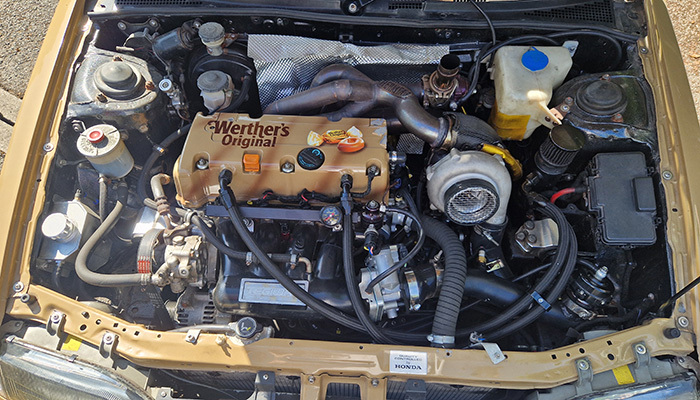
If a hose, loom or oil line is too close to the turbo, the best solution is often a combination: fix the routing if possible, control the heat source with a turbo blanket, then protect the vulnerable part with the correct heat sleeve. For wider product options, see our heat management range.
When to Replace a Contaminated Turbo Blanket
If the blanket has a light surface mark, you may be able to clean the outside and inspect it again once the car is cool. If it feels wet, smells strongly of oil, has absorbed fuel or has been soaked internally, replace it. Do not refit a blanket that can hold flammable residue against the turbo housing.
Also, replace the blanket if the stitching, springs, anchor points or inner material are damaged. A turbo blanket needs to sit securely and keep its shape. If it can move, rub, sag into the downpipe or touch a moving actuator arm, the install is no longer safe.
Safe Product Choice for a Clean Turbo Setup
Once the turbo area is clean, leak-free and correctly routed, a turbo blanket is the correct product for controlling heat from the turbine housing. It is not for manifolds, downpipes, wiring or hoses. Those need different heat management products.
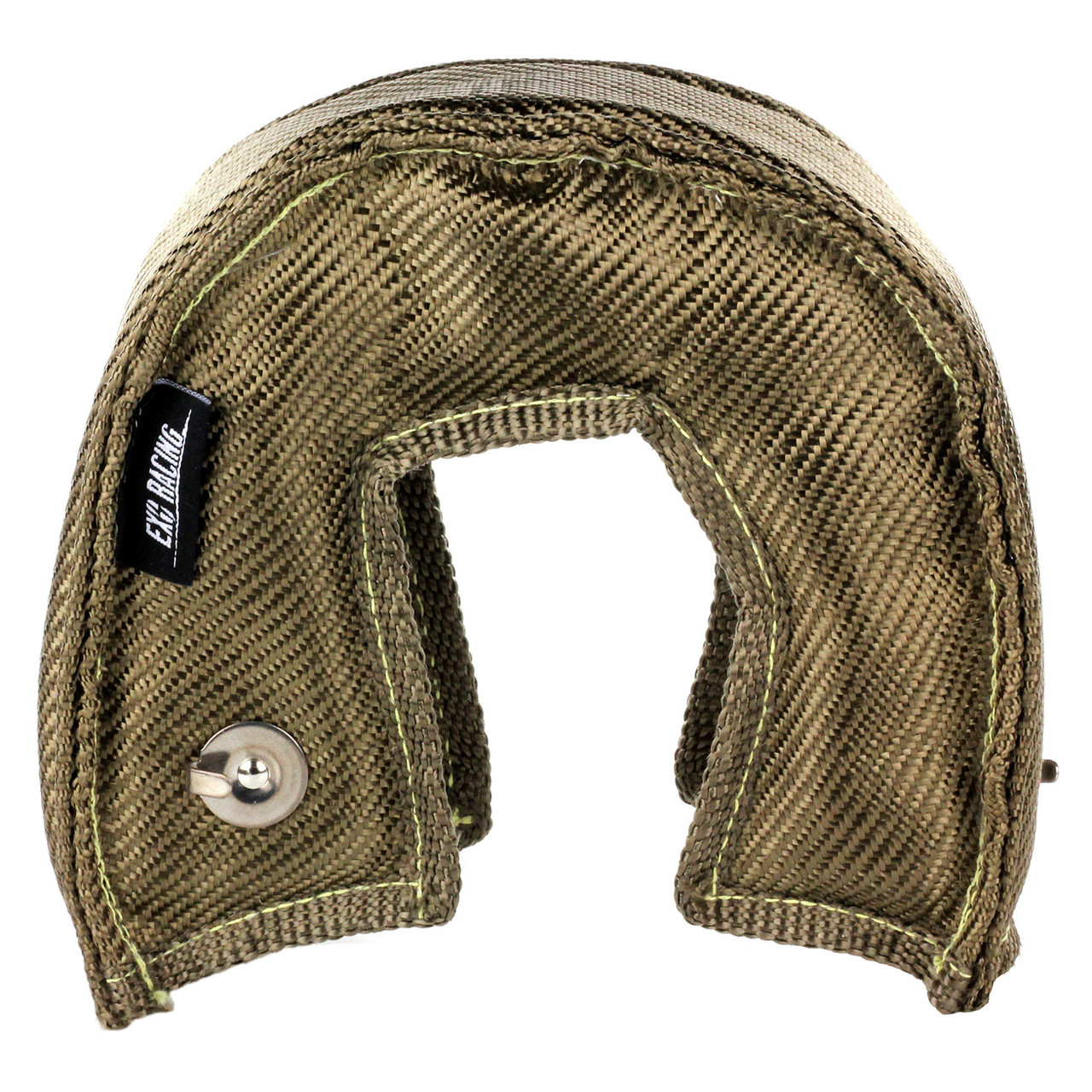 Exoracing Turbo Blanket V3
Source control for clean turbo turbine housings, helping keep radiant heat away from nearby engine bay parts.
From £119.99
Common Mistakes That Create Safety Problems
Fitting a blanket over an existing leak
If the turbo oil feed, oil drain, rocker cover or breather is leaking, fix that first. A turbo blanket should never be used to hide smoke or stop oil from reaching hot parts.
Ignoring the first heat cycle
After the first proper heat cycle, let the car cool and check that the blanket has not shifted, the springs are secure, and nothing nearby has rubbed or melted.
Using the wrong product for the heat source
A turbo blanket is for the turbine housing. Use exhaust wrap for hot exhaust pipework such as manifolds and downpipes, and heat sleeve for hoses, wiring and lines. Do not wrap wiring with exhaust wrap or cover leaking hoses with a sleeve.
Assuming all smoke is just burn-off
Some first-use smoke can be normal. Repeated smoke is a warning. If it smells like oil, gets worse with boost, or appears with wet residue, stop and diagnose it.
Turbo Blanket Safety Checklist
- Fit only when the turbo and engine are completely cold.
- Check the oil feed, oil drain, coolant lines, rocker cover and nearby fittings for leaks.
- Clean old oil residue before fitting, so new leaks are easy to spot.
- Make sure the blanket sits on the turbine housing and does not foul the actuator, wastegate arm or nearby moving parts.
- Recheck after the first heat cycle, then inspect during routine maintenance.
FAQs
Can a turbo blanket catch fire?
A clean, correctly fitted turbo blanket should not catch fire in normal use. The main risk is contamination from oil, fuel or other fluids. If the blanket becomes soaked, remove it and fix the leak before using another one.
Is smoke from a turbo blanket normal?
Light smoke or smell during the first heat cycle can be normal as surface residue burns off. Heavy smoke, oily smoke, or smoke that continues after the first few heat cycles is not normal and needs inspection.
Can I use a turbo blanket if I have an oil leak?
No. Fix the oil leak first. Oil contamination is the biggest safety issue because the blanket can absorb oil and hold it close to the turbine housing.
Can I clean oil off a turbo blanket?
If the blanket is lightly marked on the outside, you may be able to clean the surface, but a soaked blanket should be replaced. Do not refit a blanket that smells strongly of oil or feels contaminated internally.
What does burning oil near a turbo smell like?
It usually smells sharp, oily and acrid rather than like light new-part burn-off. If the smoke smells oily, gets worse with temperature or appears with wet residue, stop and inspect the turbo area once it has cooled.
Will a turbo blanket overheat my turbo?
A correctly fitted turbo blanket on a healthy turbo should not damage the turbo. It is designed to contain heat in the turbine housing. You can read more in our engine bay heat myths guide.
Should a turbo blanket touch the downpipe or manifold?
It should sit around the turbine housing, not be used as a general exhaust wrap. Avoid poor fitment, rubbing, moving parts and unnecessary contact with other hot pipework. Use exhaust wrap or a thermal barrier material for pipework instead.
What should I do if my turbo blanket is smoking heavily?
Stop driving when safe, turn the car off and let everything cool before inspecting it. Look for oil, fuel, coolant, melted wiring, poor fitment or a loose line near the turbo. If you find contamination, do not keep using the blanket.
Conclusion
A turbo blanket is not something to fear when it is fitted to the right car in the right condition. On a clean, leak-free turbo setup, it is a practical way to control radiant heat at the source and protect nearby engine bay parts.
The safety rule is simple: never fit a turbo blanket over a known leak, never ignore heavy smoke, and always recheck the install after the first heat cycle. Fix the car first, then add heat protection.
Shop Exoracing Turbo Blanket V3About the Author
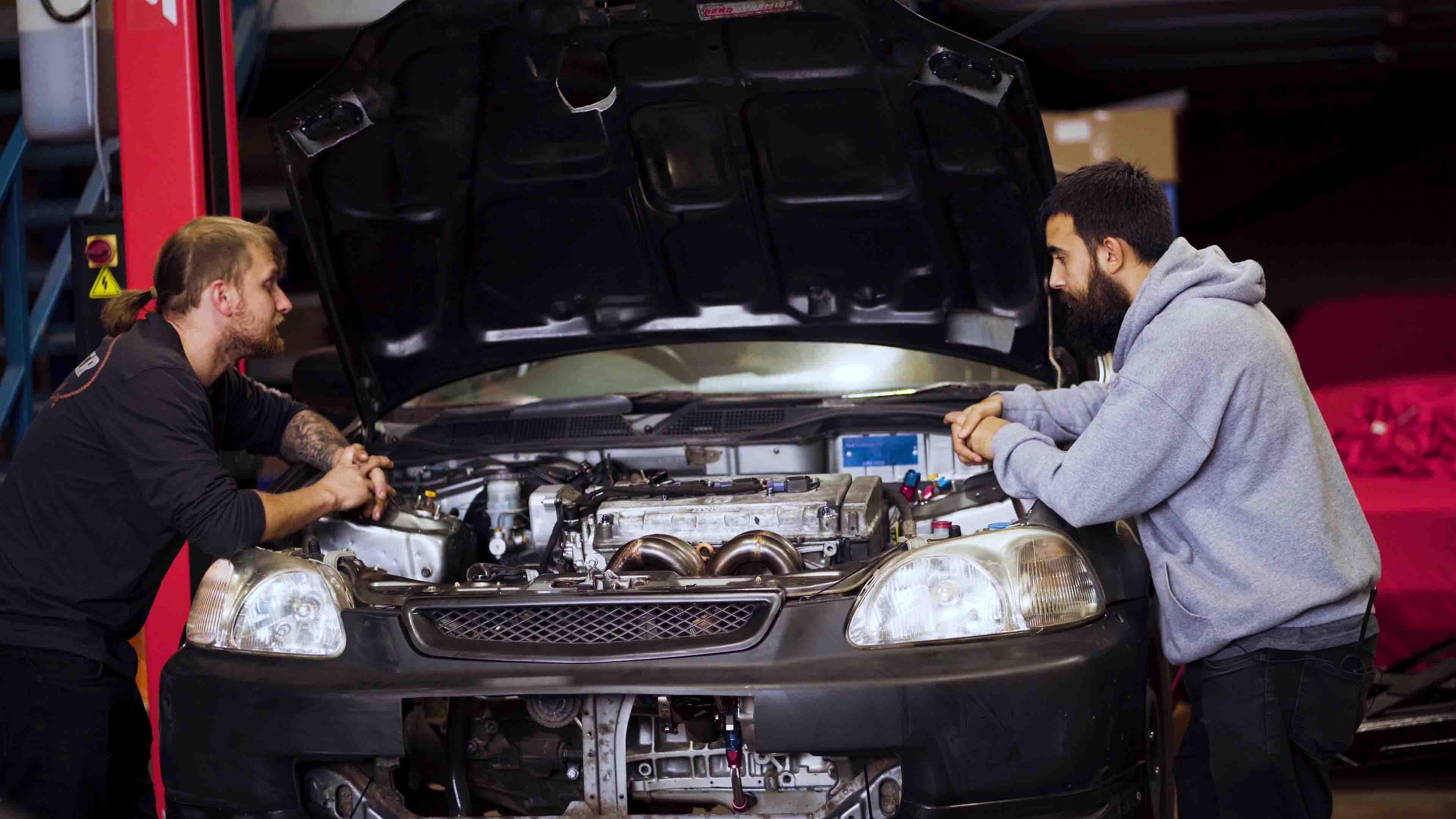
This guide was written by Matt, the owner of Exoracing Ltd. We are a UK heat management and performance parts specialist, helping enthusiasts and workshops choose practical turbo, exhaust, wiring and engine bay heat protection since 2018.