

Mazda MX-5 Turbo Heat Management: NA and NB Guide
Posted by Matthew Marks on 16th Jul 2026
Jump to a section
Mazda MX-5 Turbo Heat Management: NA and NB Guide
Turbocharged NA and NB MX-5s put serious heat into the rear of the engine bay, bulkhead and transmission tunnel. This guide explains what to protect, what to wrap, and when to add a proper air gap.
Built from Exoracing heat-management experience, Kym's MX-5 hose and cabin-heat issues, Tom's turbo MX-5 install example, and input from Daniel Marshall at BOFI Racing.
Shop Heat Management PartsA turbo MX-5 is small, light and simple, but the engine bay was never designed around a glowing turbine housing, hot turbo manifold and downpipe sitting close to the bulkhead. On NA and NB cars, the rear heater hoses, brake lines, wiring, bulkhead and transmission tunnel can all suffer when the turbo kit is used hard.
This guide applies to NA and NB MX-5 turbo builds, including road, drift, track and hard-use cars. Most examples are based around UK RHD layouts, but LHD cars can be more critical around the master cylinder, clutch master and brake lines. Exact risk points depend on the turbo kit, downpipe route, manifold, elbow design and available clearance.
The important part is not just buying one heat product and hoping it fixes everything. You need to identify the heat source, identify the part at risk, check clearance, control heat at the source where possible, then protect the vulnerable part directly.
The simple answer
For a turbo NA or NB MX-5, the highest-risk areas are the downpipe route, rear heater hoses, brake lines, wiring near the turbo, fluid lines and the transmission tunnel.
Control the main heat sources first with a correctly fitted turbo blanket, exhaust wrap on the manifold or downpipe, or a fabricated heat shield with an air gap. Then protect nearby hoses, wiring and lines with a heat sleeve.
If the cabin or gearbox area is getting too hot, focus on the downpipe and tunnel area. Wrapping the downpipe or adding an aluminium barrier with a small air gap can reduce radiant heat entering the cabin and help keep heat away from the gearbox.
- Check the downpipe route first, especially near the gearbox, tunnel and front left brake line.
- Inspect the rear heater hoses for radiant heat exposure and sleeve, shield or reroute them where needed.
- Protect brake lines with a heat sleeve, shielding or an aluminium barrier with an air gap.
- Route vacuum, oil, water and wiring away from the hot side before adding heat protection.
- Recheck sleeves, ties, shields and clearances after the first heat cycles.
Why Turbo NA and NB MX-5s Suffer From Heat
A standard MX-5 engine bay is tight even before a turbo kit is added. Once a turbo manifold, turbocharger, external wastegate or larger downpipe is fitted, the hottest parts often sit near the back of the engine bay, where Mazda also routed heater hoses, brake lines and wiring.
Most of the damage comes from radiant heat. That is heat travelling in a straight line from a hot part, such as a turbo or downpipe, into a hose, line, loom or panel nearby. If the car sits in traffic, runs hard on track, or has poor airflow at the back of the bay, heat soak builds, and the surrounding parts absorb more heat over time.
From our experience, the correct order is simple: find the heat source, find the vulnerable component, check the gap between them, reduce heat from the source, protect the component, then recheck it after driving.
Specialist Input From Daniel Marshall at BOFI Racing
We spoke to our friend Daniel Marshall, one of the owners over at BOFI Racing, who has spent the last decade working with MX-5s in the UK. His advice comes from his own experience and from the problems BOFI see on customer turbo cars, so it is useful real-world context alongside our own Kym and Tom examples.
Daniel's first warning was the front left brake line on UK right-hand-drive cars. As it goes around the frame rail, it can sit very close to the downpipe; on some turbo layouts, he has seen it within around an inch. That makes it one of the first areas to inspect because it is both close to a major heat source and safety-critical.
He also called out the rear heater pipes. One of the heater pipes can sit very close to the downpipe, although the exact risk depends on the turbo kit and downpipe route. The usual solution is either to put a fire sleeve over the vulnerable pipe, wrap the downpipe, or combine a sleeve and source control if clearance is tight.
Kit design matters as well. Daniel specifically mentioned Kraken-style kits that use a cast elbow into a V-band. That cast elbow can radiate a lot of heat, so it needs to be treated as part of the hot side rather than ignored because it is not a long section of downpipe.
The downpipe also runs close to the gearbox. On track cars or turbo MX-5s that are used hard, gearbox failures can be made worse by heat, so Daniel's view is that anything you can do to keep heat in the downpipe and out of the gearbox is worthwhile. That is where downpipe wrap, shielding and a proper air gap around the tunnel become more than just a cabin-comfort upgrade.
His line-routing advice was simple: vacuum lines always need to be routed so they do not melt, oil lines should ideally be sleeved where they pass near heat, and a PTFE oil line with an air gap is preferable where the application allows it. Rubber water lines are more vulnerable, so sleeving them is a good way to extend their life; PTFE is less of an issue, but it still needs sensible routing and clearance.
Daniel also made a clear distinction between left-hand-drive cars. On LHD MX-5s, heat management around the master cylinder, brake lines and clutch master becomes non-negotiable because those parts are much closer to the turbo and downpipe area. In other words, what is important on a UK RHD car can become essential on an LHD turbo build.
MX-5 Turbo Heat Problem Areas
Sleeve the hose, then reduce heat from the turbo, manifold or downpipe with a blanket, wrap or shield.
On many RHD UK cars, this line passes around the frame rail close to the downpipe, sometimes around an inch away, depending on the kit.
Protect the lines and create a physical air gap if the downpipe or turbo sits close.
Contains concentrated turbine heat and reduces radiant heat around the rear of the bay.
Keep heat in the downpipe and away from the tunnel and gearbox, especially on hard-used or track cars.
Vacuum lines must be routed away from heat. Oil lines ideally use PTFE with an air gap; rubber water lines benefit from sleeving for longer life.
Use on clean panels and surfaces facing radiant heat, not directly on exhaust parts.
Kym's MX-5: Heater Hoses, Brake Lines and Cabin Heat

Kym's MX-5 had a classic NA/NB heat-management problem that maps directly to the same weak areas on turbo cars: rear heater hoses, nearby brake lines and cabin heat through the transmission tunnel.
The heater hoses at the back of the engine bay were melting because they sat close to the downpipe and the hot exhaust route. The brake lines in the same bulkhead area were also exposed to that heat path.
The fix was not complicated, but it had to be done in the right order. The heater hoses and lines needed direct protection with a heat sleeve, while the heat source needed to be controlled with exhaust wrap, a welded or fabricated heat barrier, or a manifold/downpipe shield with a proper air gap.
The cabin was also getting extremely hot because the downpipe was putting more heat into the tunnel area.
Wrapping the downpipe through the tunnel significantly reduced the heat felt inside the cabin because less radiant heat was travelling into the floor and tunnel. On a turbo MX-5, the same area usually becomes even more important because exhaust gas temperature and radiant heat around the downpipe can be higher.
An aluminium barrier with a small air gap is another strong option where wrapping alone is not enough or where service access is important.
Tom's MX-5: Turbo Blanket and Heat Sleeve Working Together
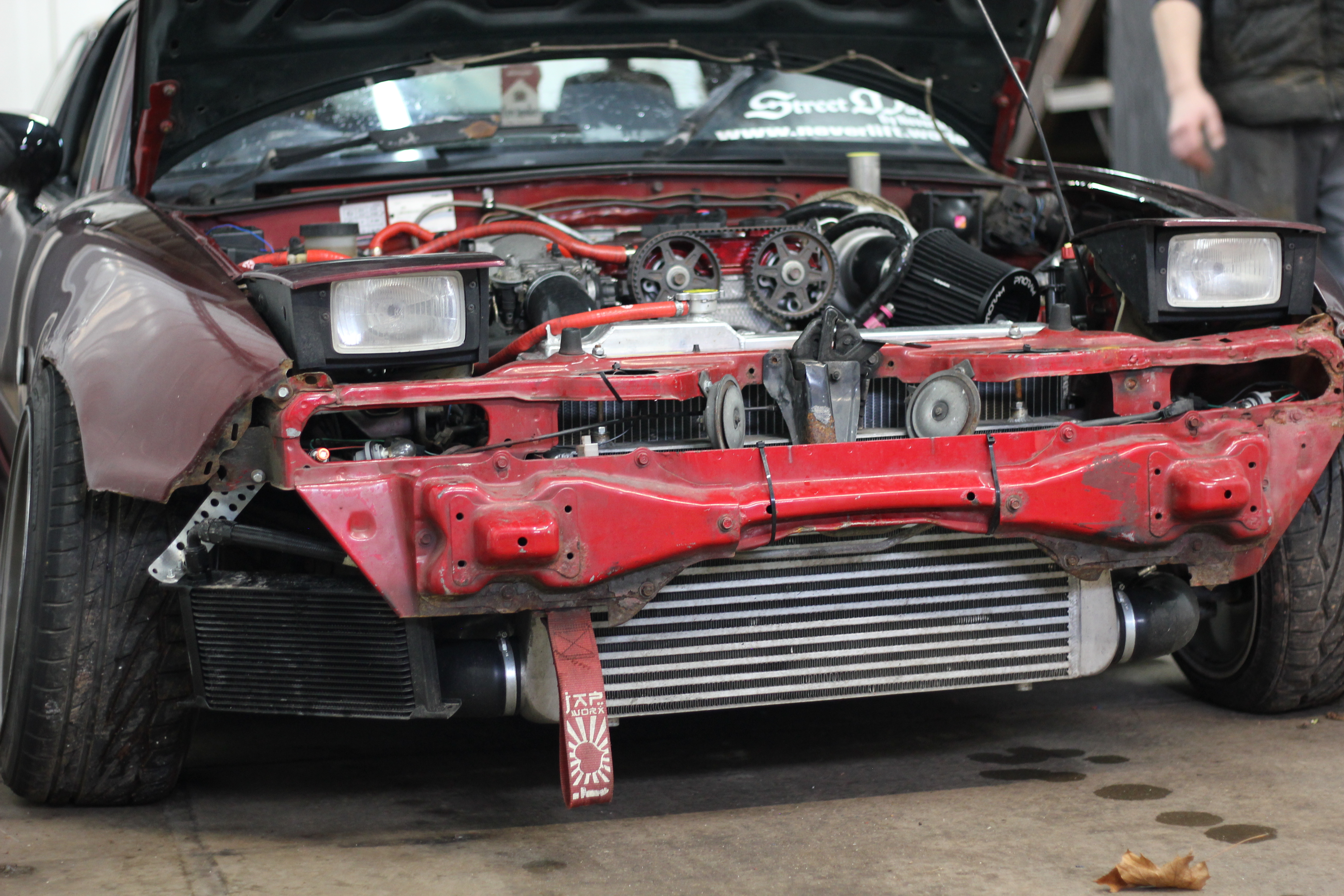
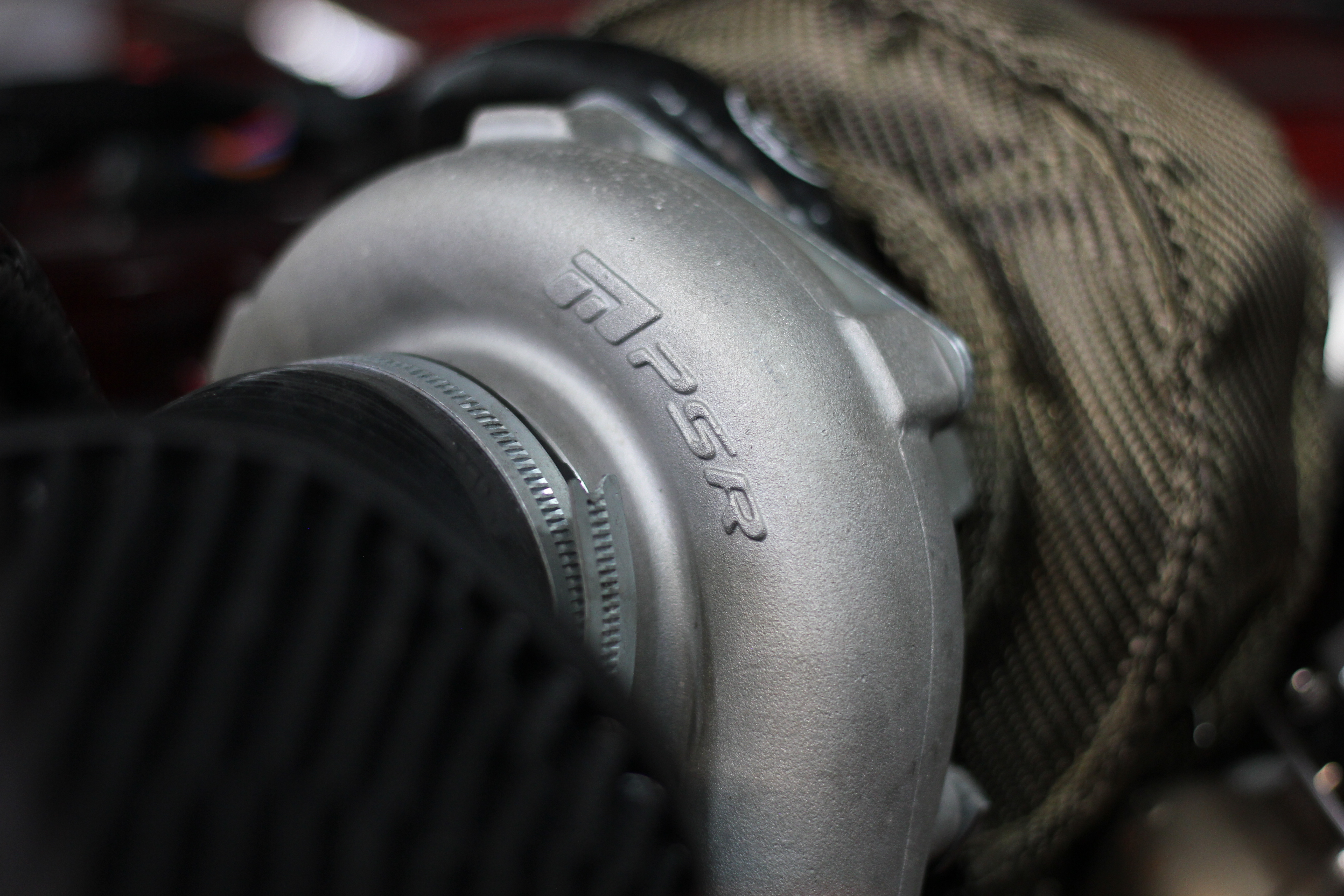
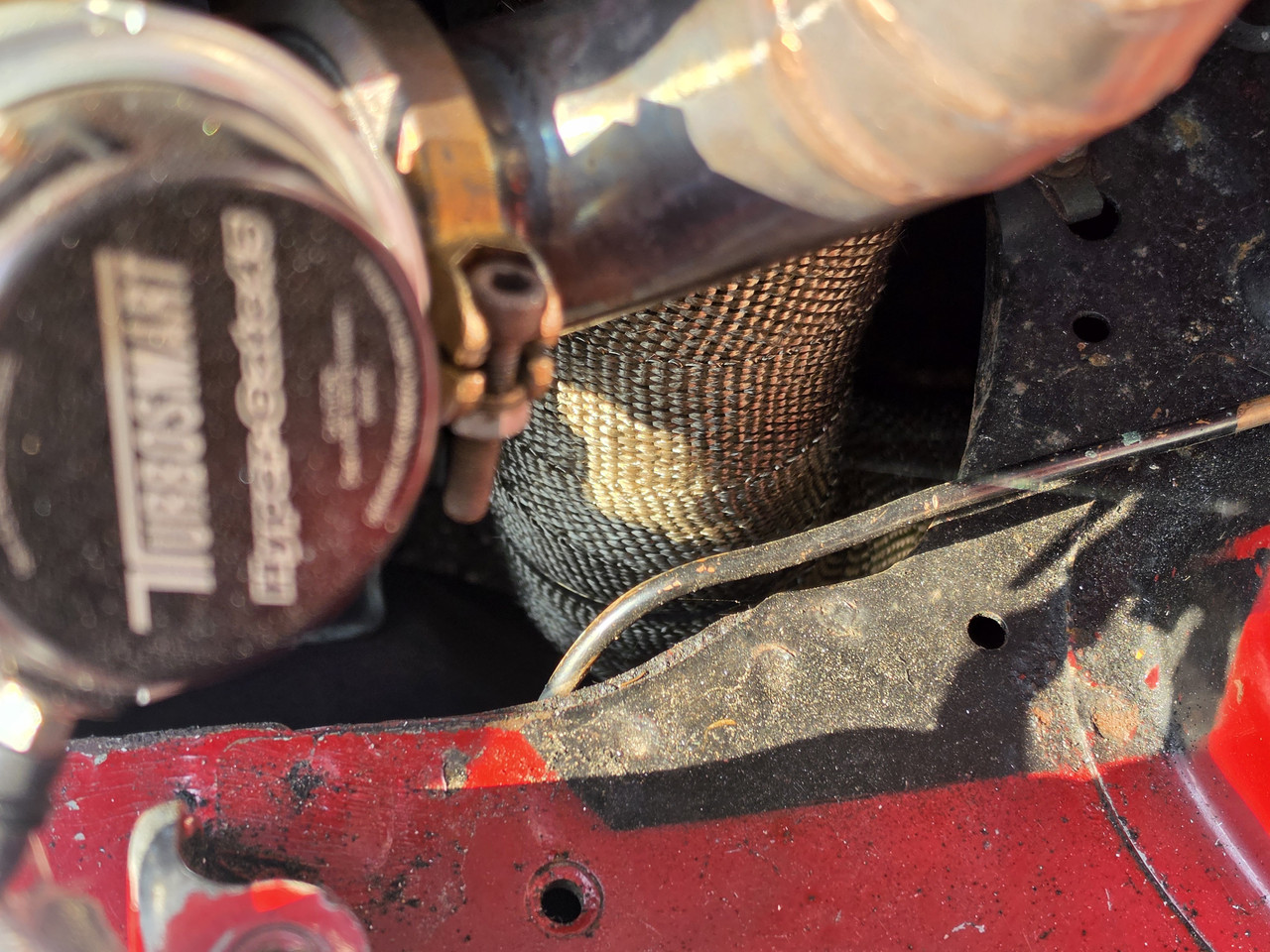
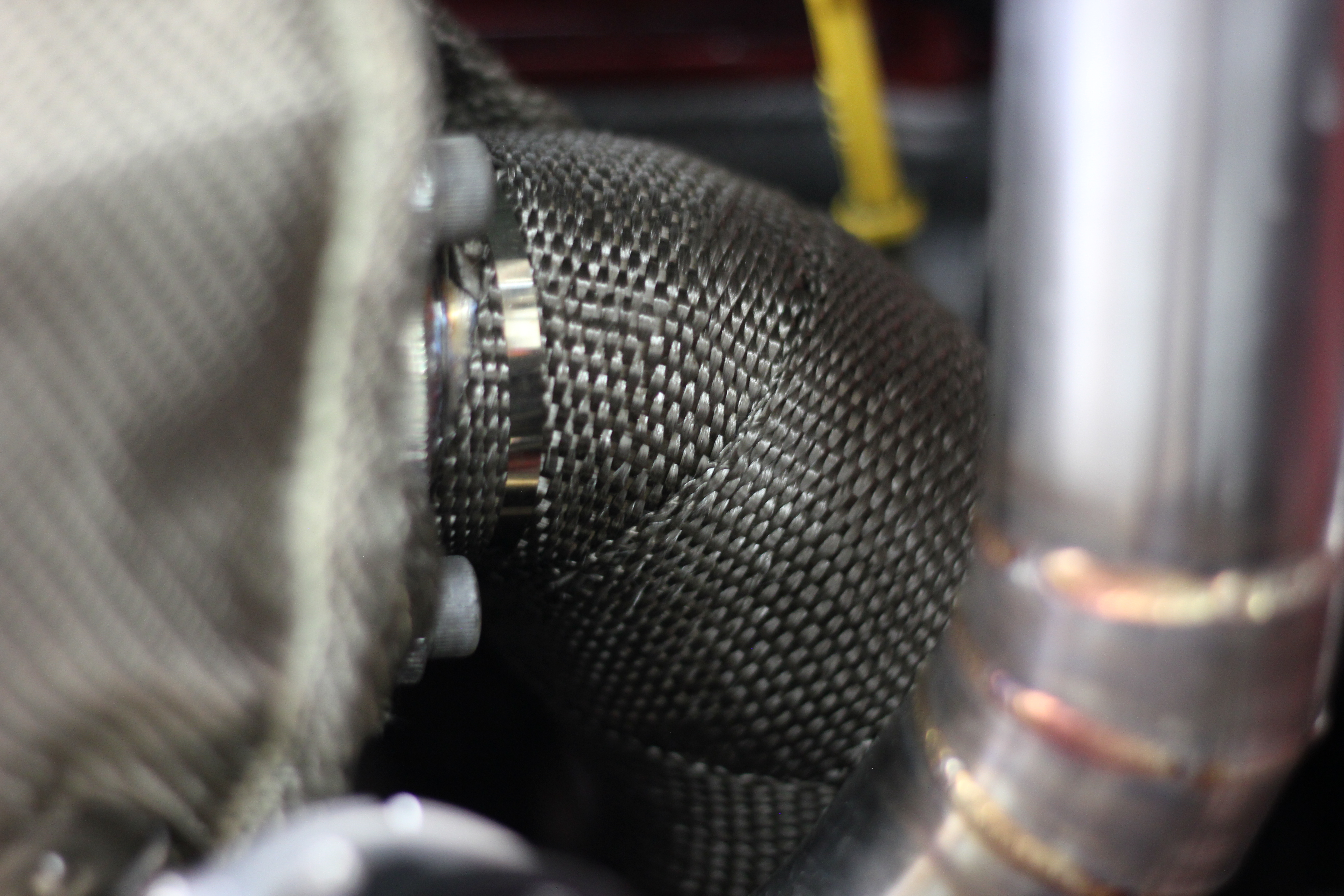
Tom's turbo MX-5 is a good example because it shows the real packaging problem rather than a clean bench-fit product shot. The hot side of the turbo setup is close to the rear bulkhead area, so the heater hose route, brake line route and nearby loom all need thinking about as a system.
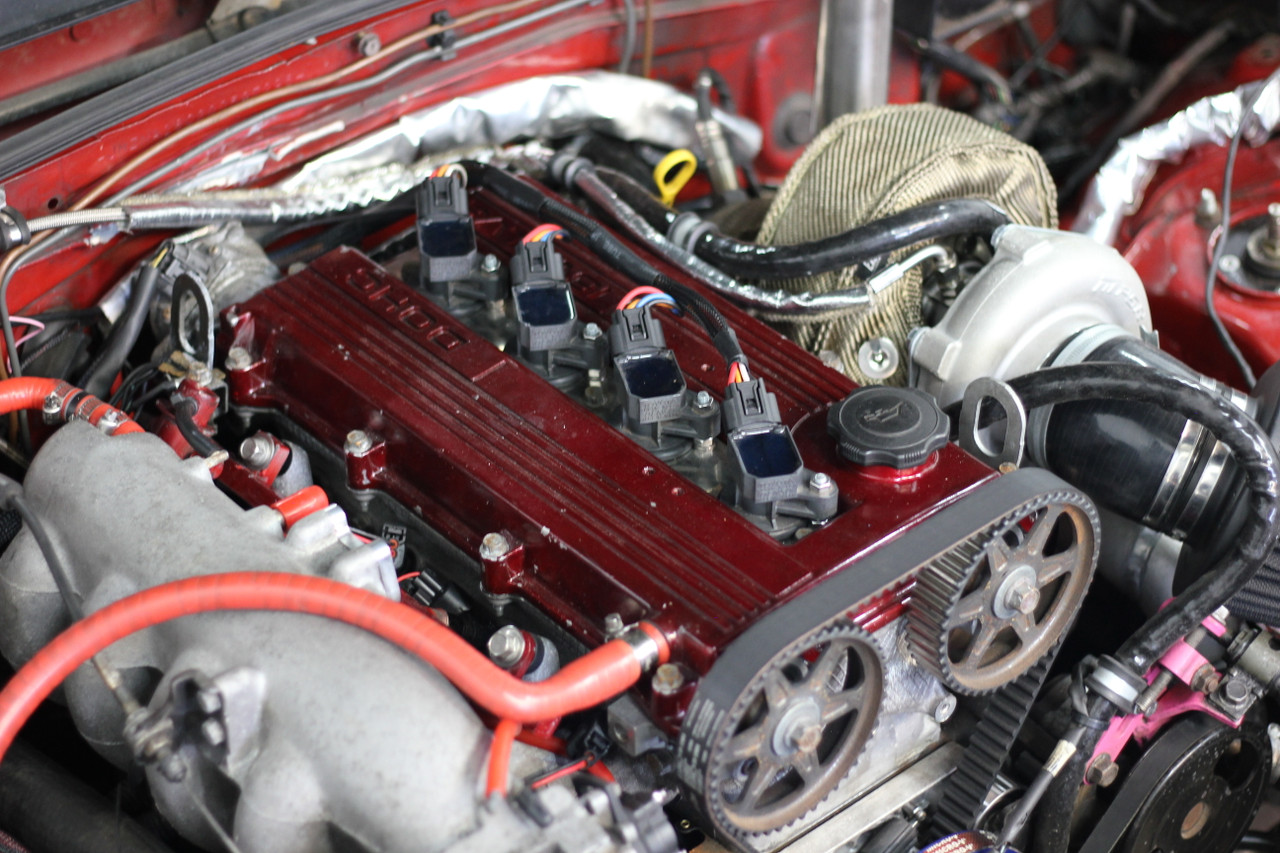
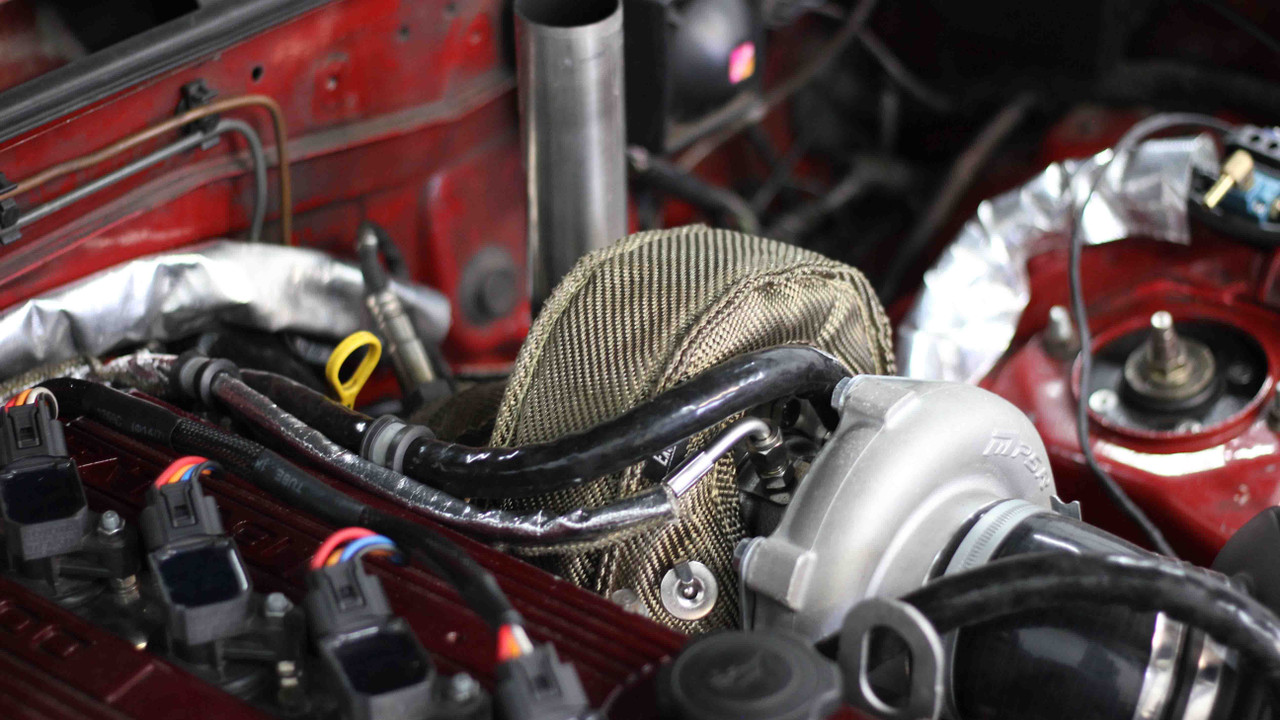
The turbo blanket deals with the concentrated radiant heat from the turbine housing.
The heat sleeve protects the vulnerable hose or line that still has to pass through the same area. That split matters on an NA or NB MX-5 because one product cannot do every job: the blanket controls the source, the sleeve protects the component, and any aluminium barrier or reflective sheet adds a physical gap where the bulkhead or brake line route needs extra shielding.
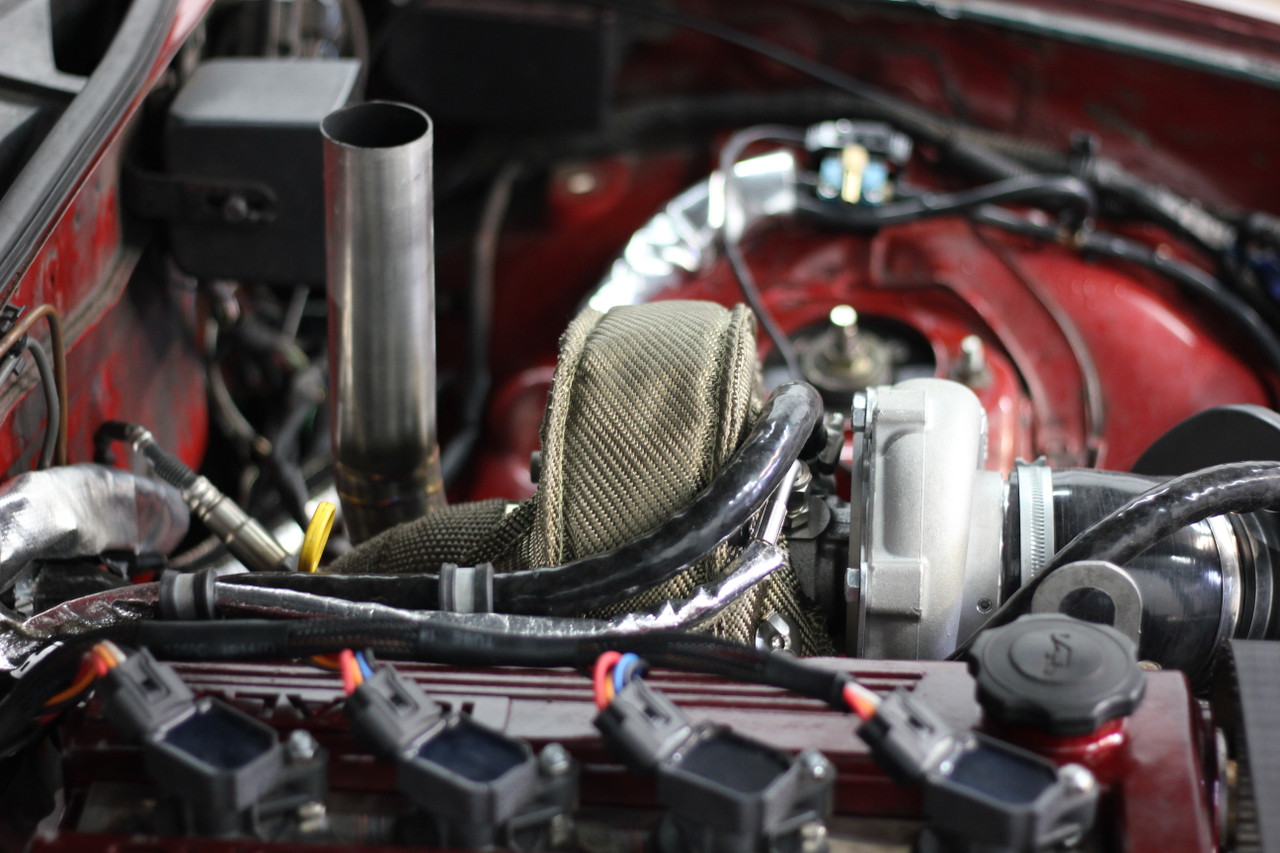
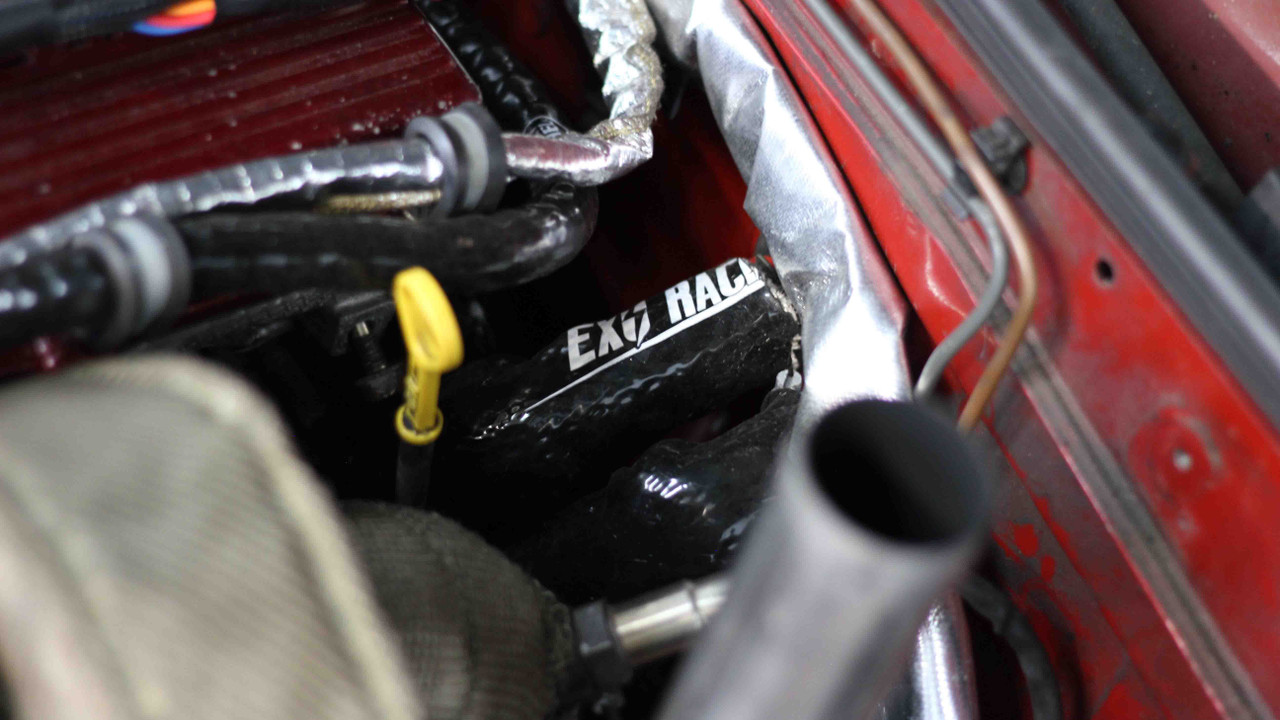
The second image is useful because it highlights the detail that gets missed during a turbo conversion: the line may not be touching the exhaust, but it can still sit directly in the radiant heat path. That is where sleeving the line and adding a barrier between the exhaust side and the bulkhead makes more sense than simply hoping the original hose or brake line routing will cope.
- Whether the rear heater hoses are sleeved anywhere they pass the turbo, manifold or downpipe heat path.
- Whether the brake lines across the bulkhead have a sleeve, shield or aluminium barrier with a small air gap.
- Whether the turbo blanket clears the actuator, wastegate hardware and any oil or coolant leaks.
- Whether the downpipe is wrapped or shielded where it runs into the tunnel, especially if the cabin is getting hot.
- Whether every sleeve, tie and shield still has clearance after the first few heat cycles.
What To Fit First On A Turbo MX-5
Start with the downpipe because it affects several problem areas at once: the heater hose route, front left brake line, tunnel, gearbox and cabin.
If the manifold or downpipe is the issue, use exhaust wrap or a fabricated shield. If the turbo housing is exposed, add a turbo blanket. If the vulnerable part is a hose, brake line, clutch line, oil line, water line, vacuum line, fuel line or loom, route it properly first, then protect it with a heat sleeve where needed.
Specific turbo kits change the risk points. Daniel spoke about Kraken-style kits with a cast elbow into a V-band as one example where the elbow itself can radiate a lot of heat, so the downpipe and elbow area need the same attention as the rest of the exhaust route.
For the complete range, view our heat management parts. If you are sizing hose protection, use our heat sleeve size chart before ordering.
What To Buy For Each MX-5 Turbo Heat Problem
Use on the downpipe to reduce radiant heat into the tunnel, gearbox area and nearby lines.
Use on the turbine housing to control concentrated heat at the source.
Use after sensible routing to protect vulnerable hoses, hard lines, looms and fluid lines.
Use on suitable panels or shields facing radiant heat, ideally with an air gap where possible.
Use where plastic ties would soften or fail near exhaust and turbo heat.
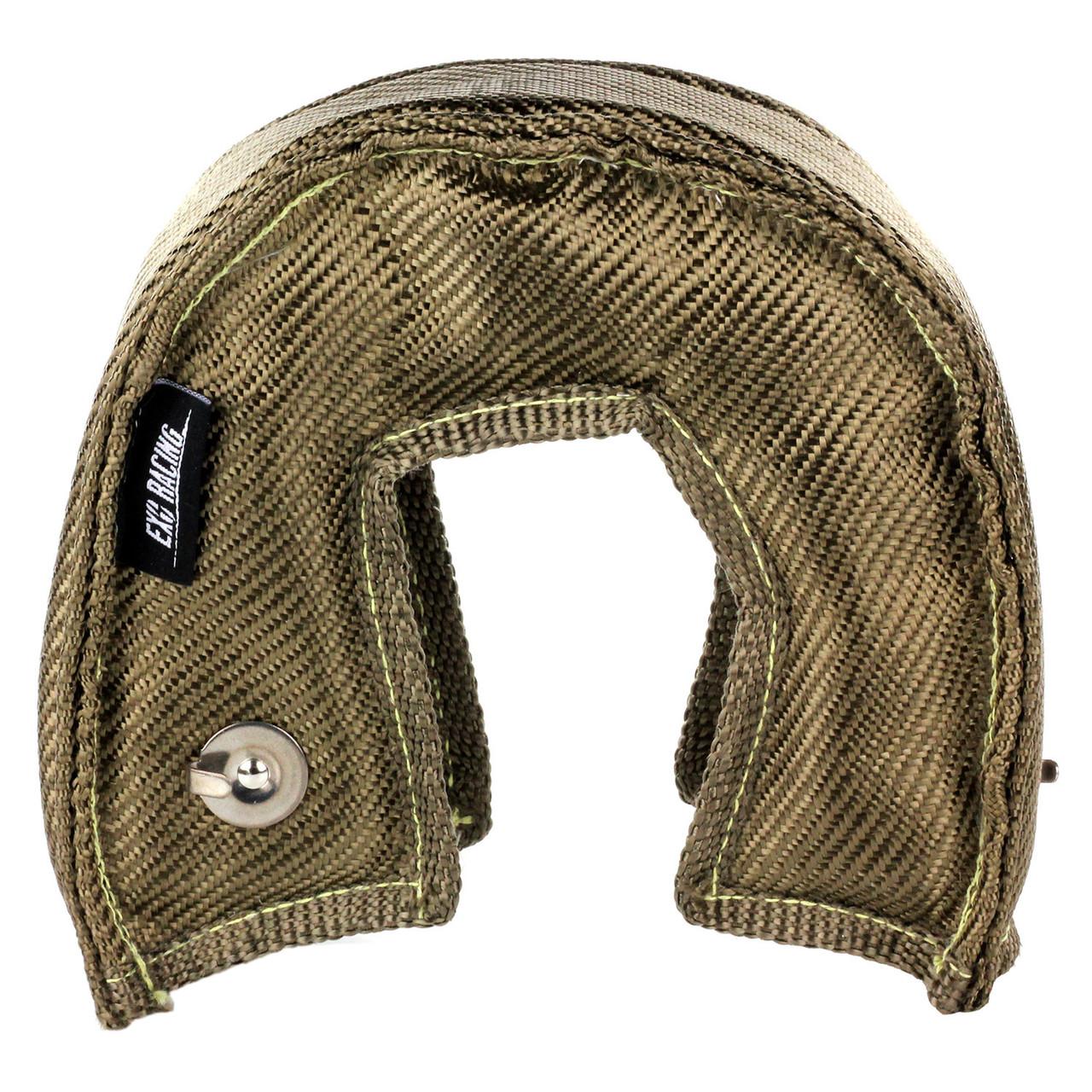 Exoracing Turbo Blanket V3
Source control for turbo housings sitting close to MX-5 heater hoses, wiring and bulkhead areas.
From £119.99
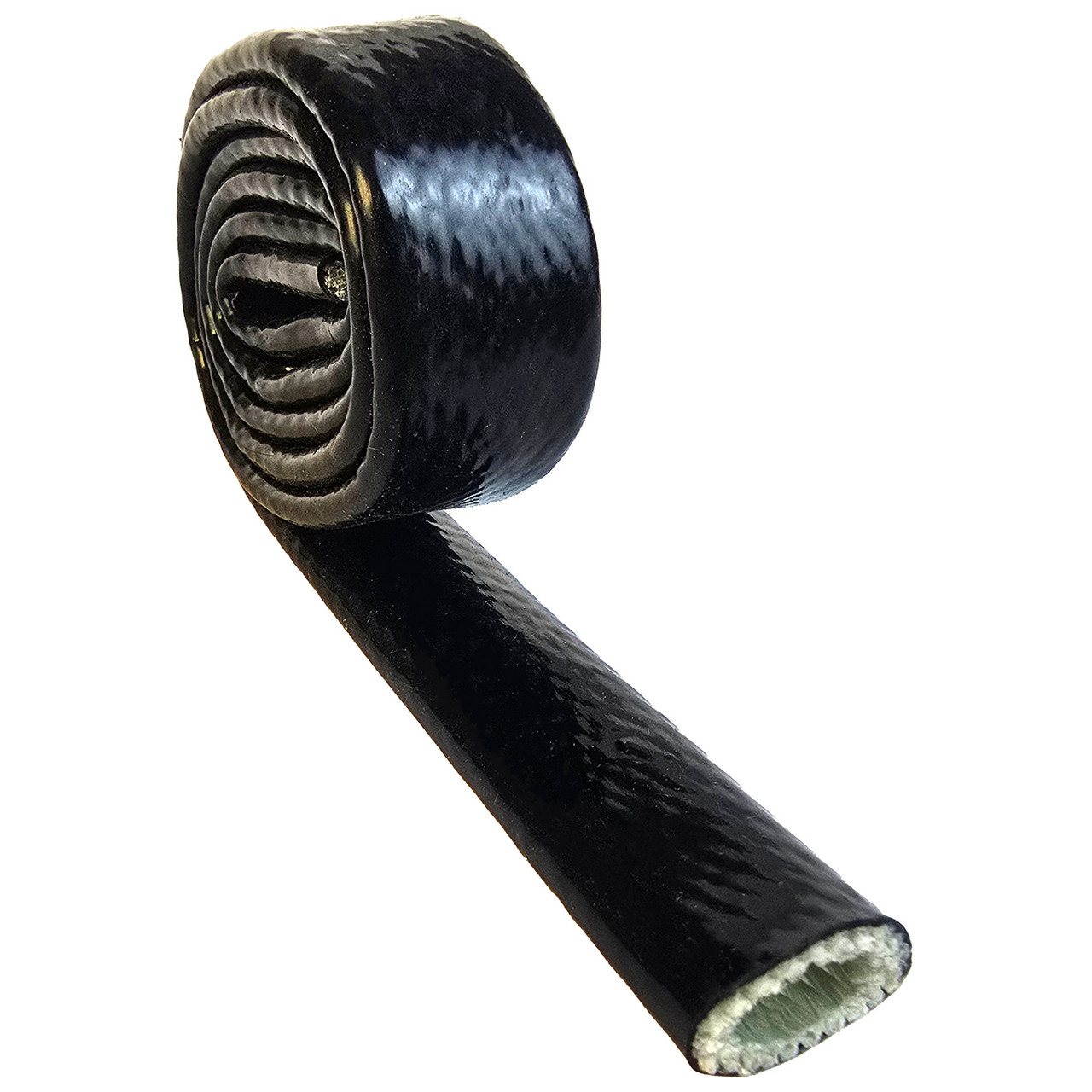 Exoracing Silicone Fibreglass High Temperature Heat Sleeve 0.5m
Direct protection for MX-5 heater hoses, brake lines, wiring and fluid lines near turbo heat.
From £14.99
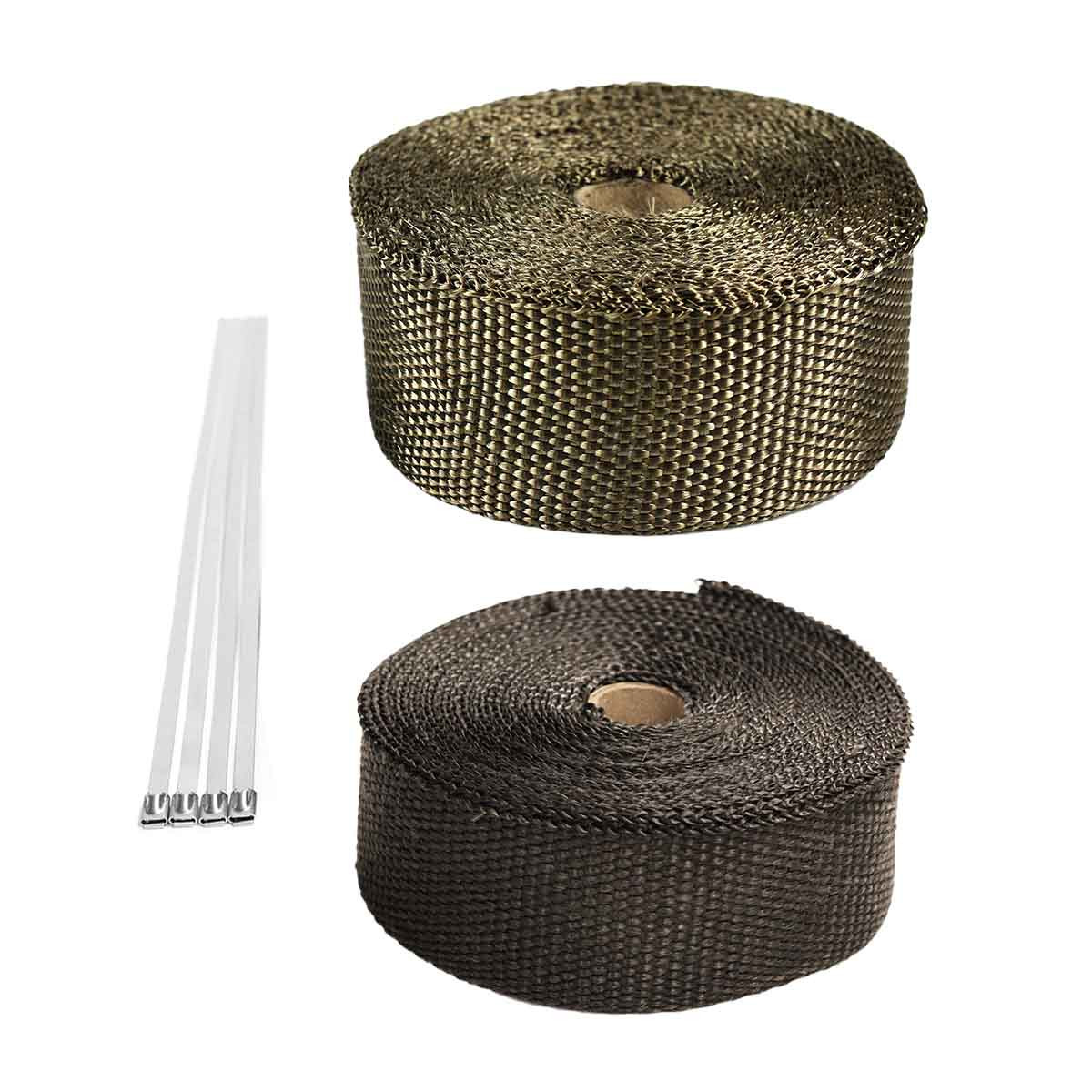 Exoracing Titanium or Carbon Exhaust Wrap
Wrap manifolds, downpipes and tunnel sections to reduce radiant exhaust heat at source.
From £24.99
How To Protect MX-5 Heater Hoses and Brake Lines
The heater hoses at the back of the engine are often the first thing to inspect. If they run close to the downpipe, manifold or turbine housing, sleeve the exposed sections and check that the sleeve is not touching the exhaust itself.
Brake lines are more safety-critical. On RHD NA and NB cars, check the front left brake line where it goes around the frame rail, as well as the bulkhead lines. Daniel's experience is that this front left section can sit within around an inch of the downpipe on some layouts, so sleeve, reroute or shield it before relying on the car hard.
If the hard lines run near the downpipe, protect them from radiant heat and try to add a physical barrier between the lines and the heat source. A thin aluminium shield with a small air gap can be more effective than sticking reflective tape straight to the line area, because the air gap helps dissipate heat.
Watch: How to install silicone fibreglass heat sleeve before protecting MX-5 heater hoses, brake lines or wiring.
If the player is blocked, watch the video on YouTube.
How To Reduce Cabin Heat From The Downpipe
If the cabin gets much hotter after turbocharging, the downpipe is usually the first suspect. Higher exhaust gas temperatures and a larger downpipe route can radiate heat straight into the transmission tunnel and floor.
Wrapping the downpipe through the tunnel can reduce how much radiant heat reaches the cabin. It can also help keep heat out of the gearbox area. Gearbox failures on track or hard-used turbo MX-5s can be made worse by heat, so the goal is to keep heat in the downpipe and out of the gearbox wherever possible.
Where there is space, an aluminium tunnel shield with a small air gap is also useful because it creates separation rather than simply adding material to the floor.
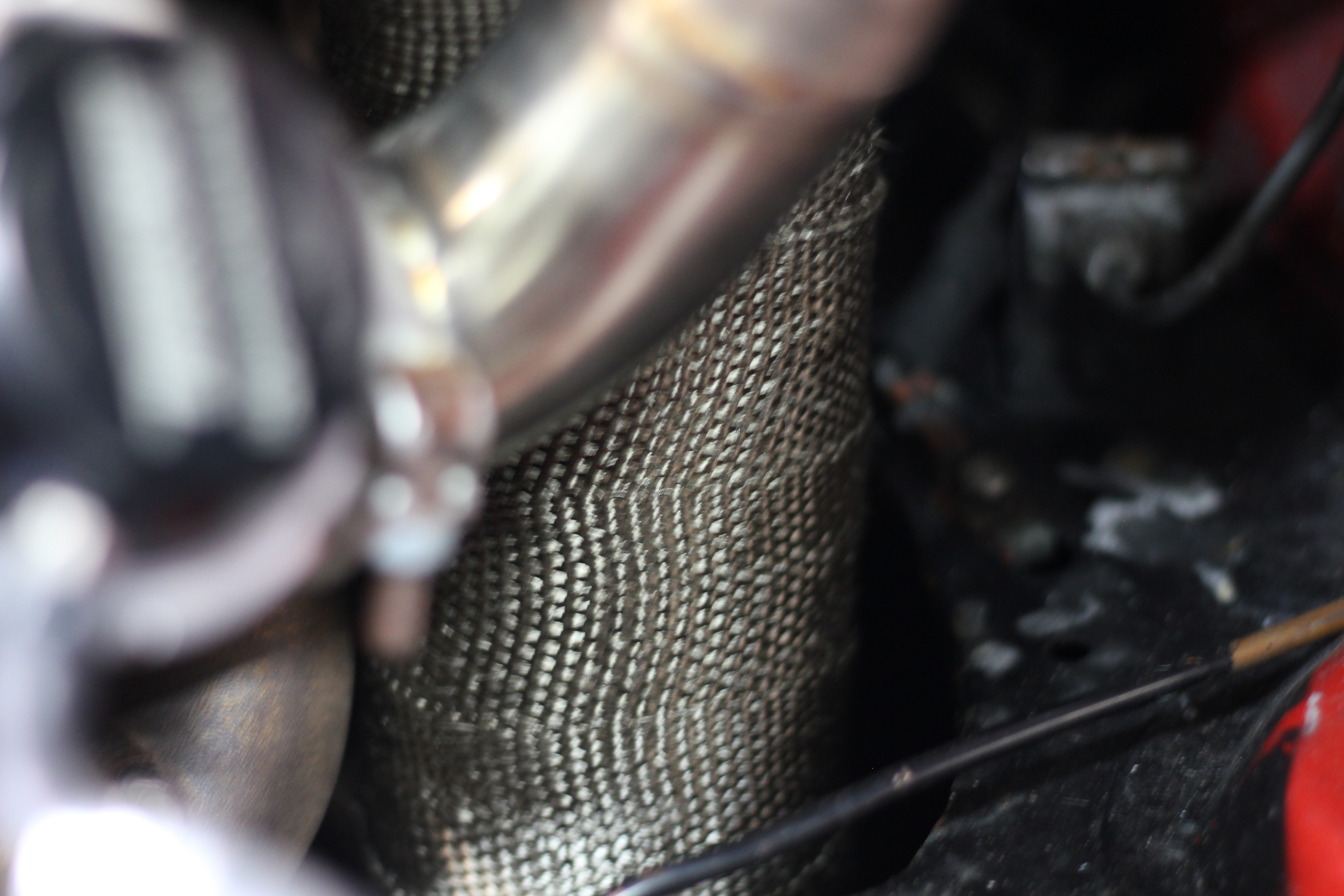
Use exhaust wrap on the downpipe itself, and use reflective tape or sheet only on suitable panels, shields or smooth surfaces facing radiant heat. If you need help choosing between products, our heat shield vs exhaust wrap vs heat tape guide explains the differences.
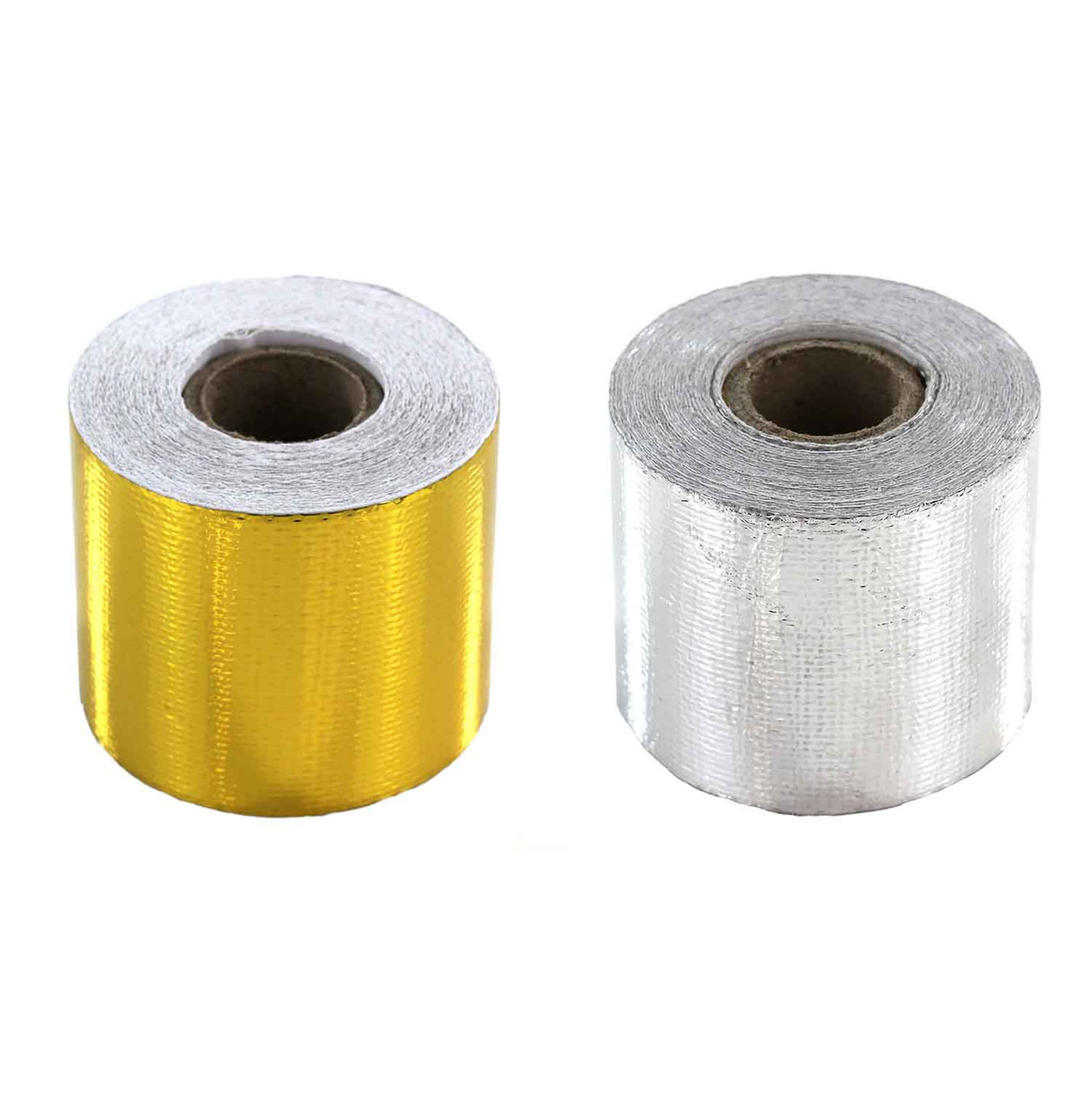 Exoracing Gold and Silver Heat Reflective Tape
Reflective barrier for clean panels, airboxes, small shields and surfaces facing radiant heat.
From £29.99
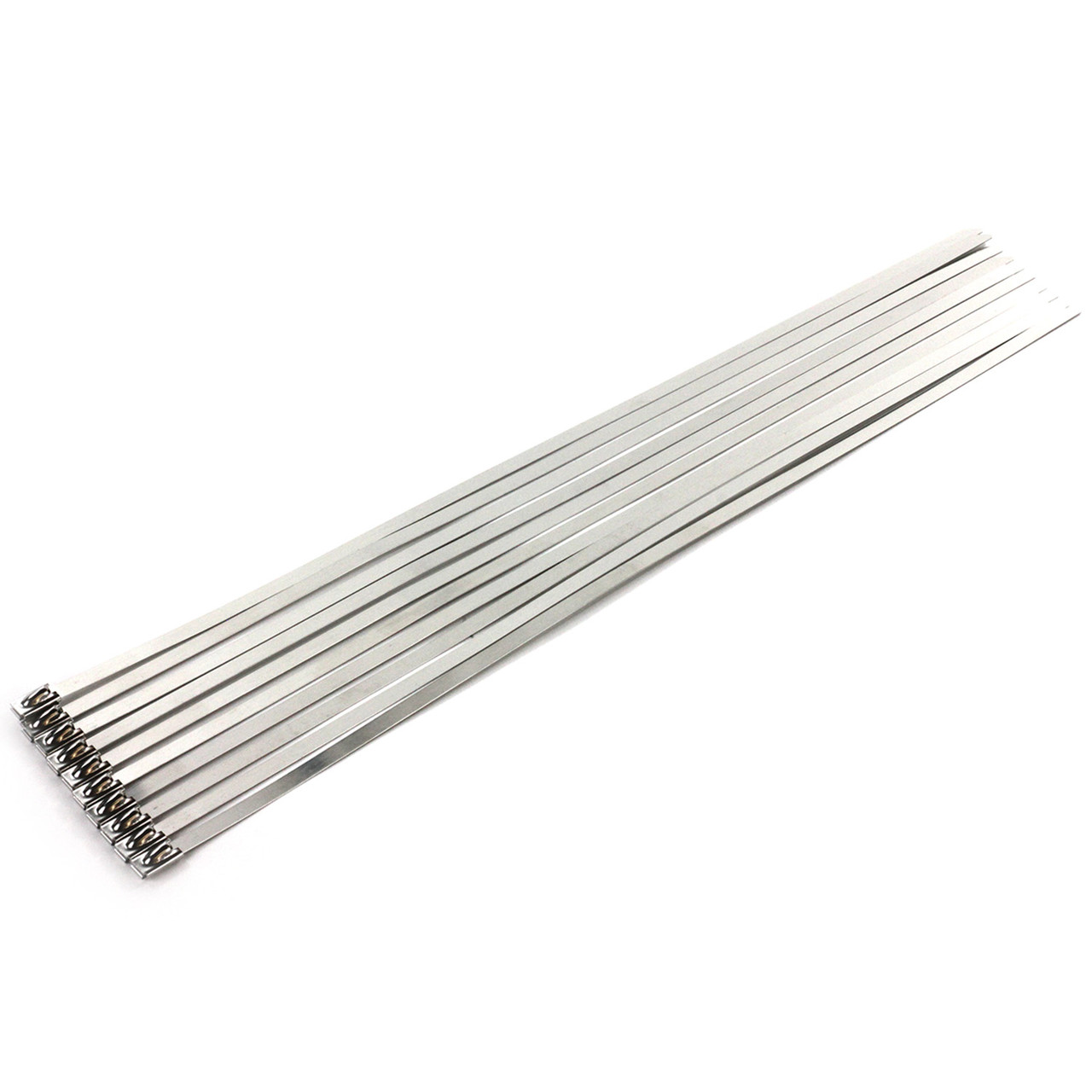 10 x Exoracing Stainless Steel Cable Ties
High-heat fixings for exhaust wrap, heat sleeve and shields where plastic ties would fail.
From £9.99
Common MX-5 Turbo Heat Management Mistakes
Sleeving a hose while ignoring the downpipe
The sleeve protects the hose, but if the downpipe is still radiating heat directly onto it with almost no clearance, the setup is still weak. Reduce heat from the downpipe or add a shield as well.
Using reflective tape as exhaust wrap
Reflective tape is for panels and surfaces, not exhaust pipework. Use exhaust wrap on the manifold or downpipe.
Forgetting the brake lines
The bulkhead brake lines can sit in the same heat path as the rear heater hoses. Treat them as safety-critical and protect them properly if the turbo or downpipe is close.
Fitting a turbo blanket over leaks
A turbo blanket should only be fitted to a clean, leak-free turbo area. Oil, fuel, coolant or power steering fluid contamination can create a serious fire risk.
When Heat Protection Is Not The First Fix
Do not use heat management products to cover up a bad layout.
If a hose is touching the downpipe, reroute it. If a brake line is too close to the turbine housing, add clearance or a proper barrier. If a hose is leaking, cracked or soft, replace it before adding a sleeve.
Heat protection works best when the route is already sensible. On a turbo MX-5, a few millimetres of extra clearance, a small air gap or a neat shield can make the difference between a reliable setup and a recurring heat problem.
Mazda MX-5 Turbo Heat Management FAQs
What is the best heat protection for a turbo MX-5?
The best setup usually combines source control and component protection: turbo blanket on the turbine housing, exhaust wrap or shielding on the downpipe/manifold, and heat sleeve on hoses, brake lines, wiring and fluid lines.
Why do MX-5 heater hoses melt after a turbo conversion?
On many turbo layouts, the rear heater hoses sit close to the downpipe, turbo or manifold. Radiant heat can soften or damage the rubber, especially when the car heat soaks in traffic or after hard driving.
Should I wrap the downpipe on a turbo MX-5?
Wrapping the downpipe can help reduce radiant heat in the engine bay and transmission tunnel. It is especially useful where the downpipe runs close to heater hoses, brake lines, wiring or the cabin.
Can I use heat-reflective tape on the exhaust?
No. Heat reflective tape is for nearby panels, shields, intake parts and smooth surfaces. Use exhaust wrap on manifolds, downpipes and exhaust pipework.
Do turbo blankets work on MX-5 turbo builds?
Yes, if the blanket fits the turbo housing correctly and the turbo area is clean and leak-free.
It helps contain heat around the turbine housing and reduces radiant heat into nearby hoses, wiring and panels.
How do I stop my turbo MX-5 cabin from getting hot?
Focus on the downpipe and tunnel area. Wrap the downpipe where suitable, keep the exhaust away from the floor, and add a heat shield or aluminium barrier with an air gap where the tunnel still absorbs too much radiant heat.
Should I protect MX-5 brake lines from turbo heat?
Yes, if the brake lines run near the turbo, downpipe or manifold. Protect them with a sleeve or shielding and create a physical gap where possible. Brake lines are safety-critical, so do not ignore them.
Conclusion
A reliable turbo MX-5 heat setup is built around clear priorities. Control the turbo, manifold and downpipe heat first. Then protect the rear heater hoses, brake lines, wiring and tunnel areas that still sit in the heat path.
If you are dealing with melting hoses, hot brake lines or a cabin that becomes uncomfortable after turbocharging, do not guess. Map the heat source, add clearance where possible, use the correct heat-management product for each part, and recheck everything after the first heat cycles.
Shop Heat Management PartsAbout the Author
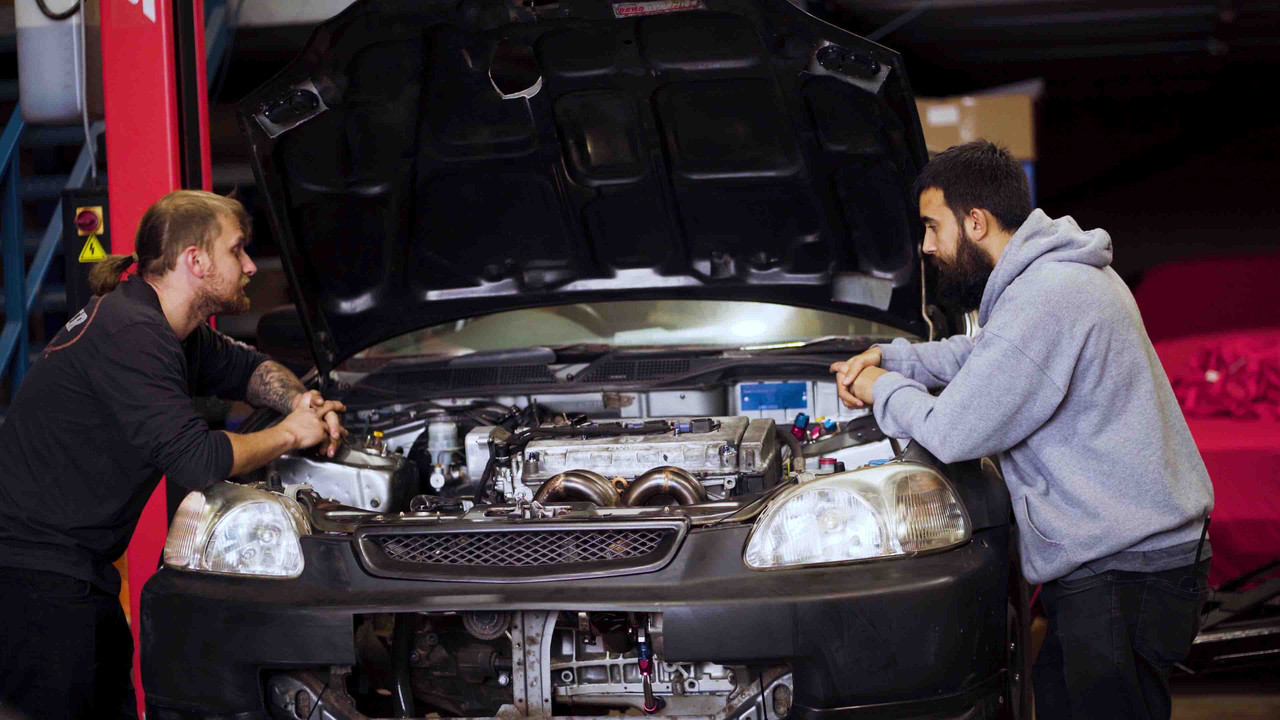
Exoracing is a UK-based automotive heat management and performance parts specialist.
Since 2018, we have helped enthusiasts and workshops choose practical heat protection for turbo builds, engine swaps, track cars and modified road cars using product testing, customer-build experience and real installation feedback.