
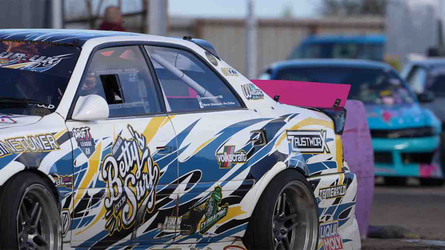
Performance Car Heat Problems: Real Fixes From Drivers
Posted by Matthew Marks on 28th Jan 2026
Jump to a section
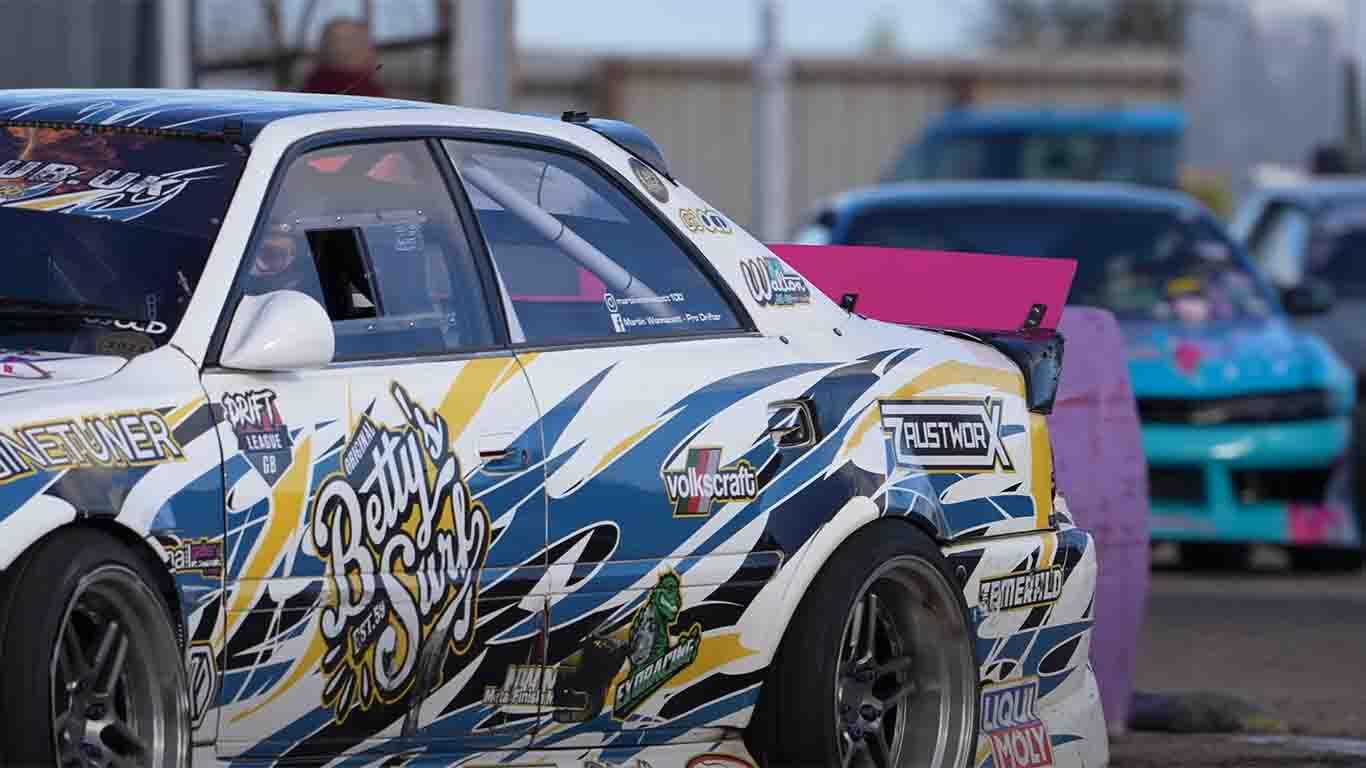
If you’ve spent more than five minutes on a race track or circuit, chances are, you’ve likely seen the signs of excessive heat, such as brake fade, fuel boiling, wiring damage, or a cockpit that feels more like a sauna.
Heat is one of the most common and most overlooked issues in performance driving.
And while it rarely makes the highlight reels, it’s the hidden killer behind reliability problems, power loss, and early part failures.
The good news? The drivers who’ve been there have already figured out what works!
Today, our guide is going to share real-world heat management problems and proven solutions, straight from the mouths of professional drivers who’ve fought these issues on and off the track.
From discoloured engine bays and failing boost hoses to melted brake fluid and race shoes!
These are fixes that came from experience, not theory, and we are going to run everything from the problem to the result so you can avoid the same fate.
If you want to learn what to protect, what to wrap, what to sleeve, and what to fix before it fails, you’re in the right place.
Let's dive into it!
This guide is brought to you by Exoracing – UK specialists in automotive heat management and performance parts. Shop Heat Protection Parts →
- Real examples of drift, track, and race drivers fixing engine bay overheating issues
- Simple solutions like turbo blankets, exhaust wraps and heat sleeves that anyone can install
- Beginner-friendly tips to protect wiring, hoses, and power from heat damage
- Keep your engine and bay more reliable and efficient under hard driving
- Avoid common rookie mistakes that lead to overheating
Start With The Most Effective Heat Fixes
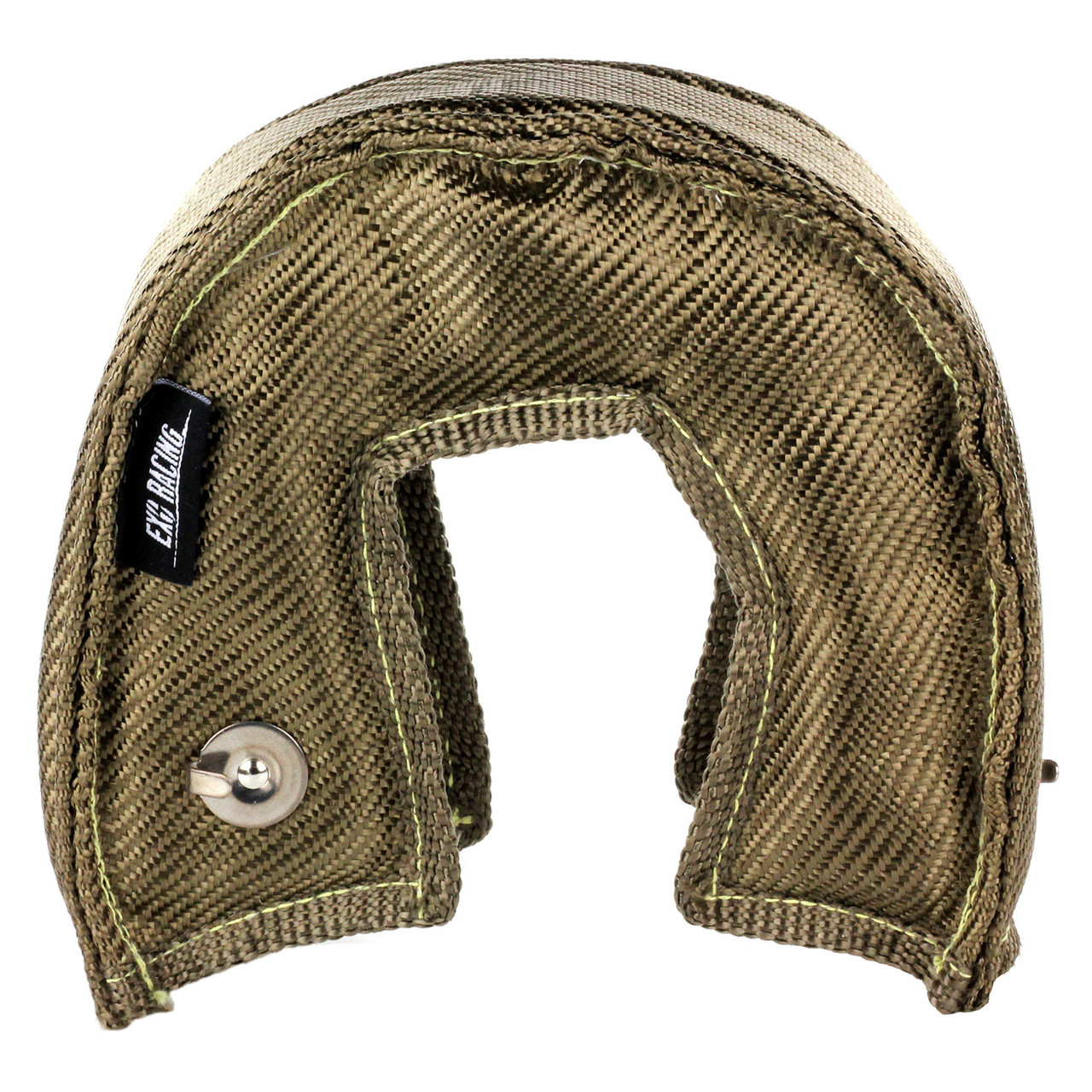 Exoracing Titanium or Carbon Turbo Blanket V3
Keeps turbo heat contained to reduce engine bay heat soak.
From £119.99
 Exoracing Titanium or Carbon Exhaust Wrap
Helps keep heat inside the exhaust path instead of the engine bay.
From £24.99
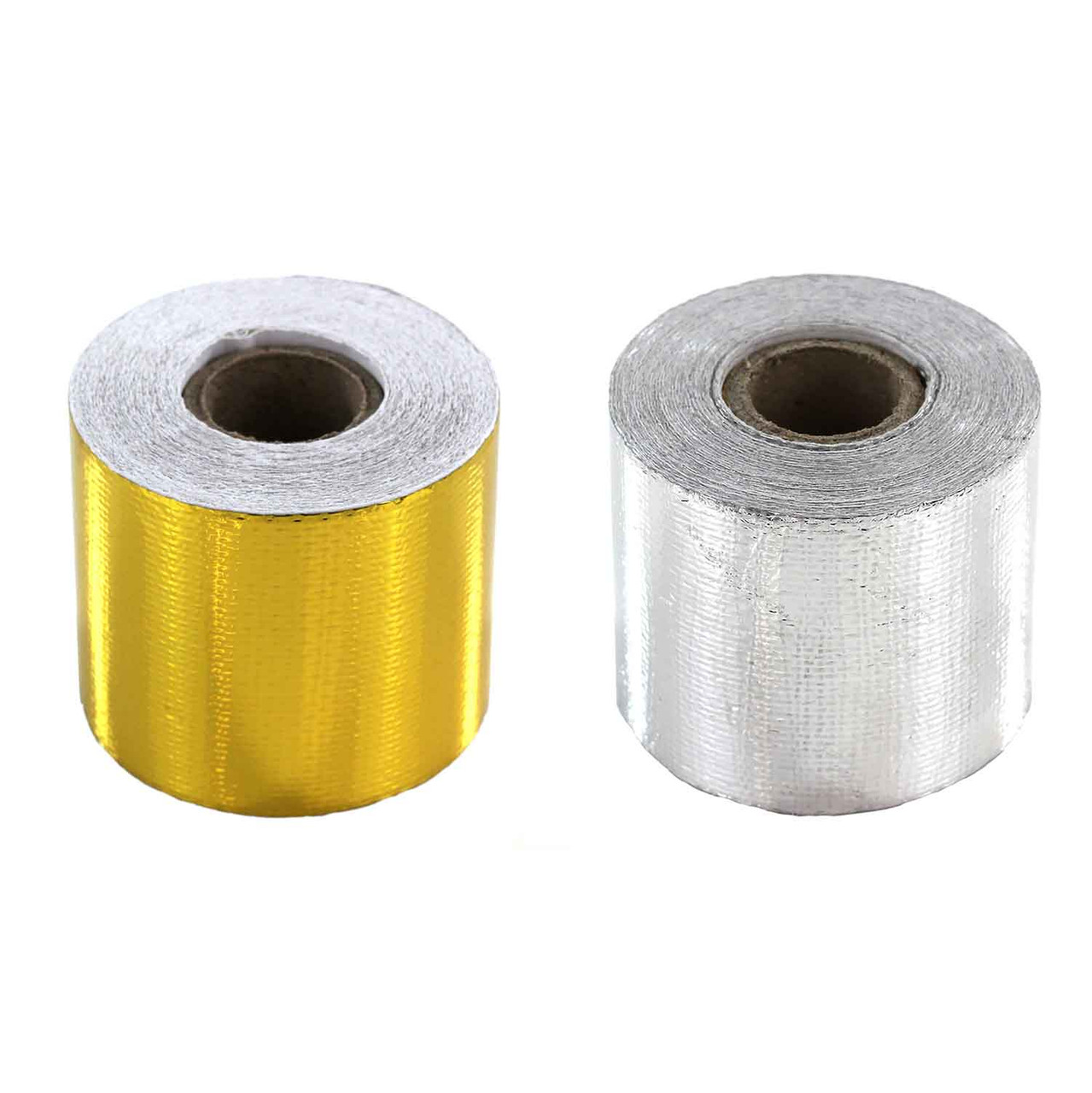 Exoracing Gold and Silver Heat Reflective Tape
Reflects radiant heat away from panels, tanks, pipes and airboxes.
From £29.99
What Professional Drivers Have Said
We caught up with multiple competition drivers to ask about their experiences with heat issues on track and how they solved them.
The list here ranges from drift cars to track cars, and their experiences in high-performance applications, as well as some road issues they have encountered!
As you can imagine, they have all encountered wildly different issues, and give us the problem they were facing, what caused it and how they managed to fix it.
Also, they run through the results of how different the car was afterwards.
With a bit of luck, some of the valuable information in here will be able to help you avoid the same mistakes some of them have made, and you can go straight in knowing everything they wish they knew!
Here’s what they all had to say:
Kevin Florence – Team Ronin (Nissan S14a Drift Car, SR20DET)

Kevin Florence is a professional drifter, a part of Team Ronin, who currently competes in class 2 Drift League, driving a Nissan S14a powered by an SR20DET engine.
This is what he said when we asked him about his experience with drifting over the years:
"I’m a professional drifter running a Nissan S14a with an SR20DET.
Early on, I had pretty bad heat issues, especially on track days. The main problems were excessive heat in the cabin and around the turbo area.
The turbo, downpipe, wastegate and screamer pipe were all putting out a lot of heat. Cabin temps would get uncomfortable pretty quickly, and it was definitely something you notice over longer sessions.
Since then, I’ve addressed it properly using Exoracing heat management products. I wrapped and insulated the turbo setup, downpipe, wastegate and screamer pipe, and that made a massive difference.
Cabin temperatures dropped noticeably, and overall heat management in the engine bay improved a lot, which helped reliability as well as driver comfort."
Jamie Stanton – (BMW E36 1JZ Drift Car)
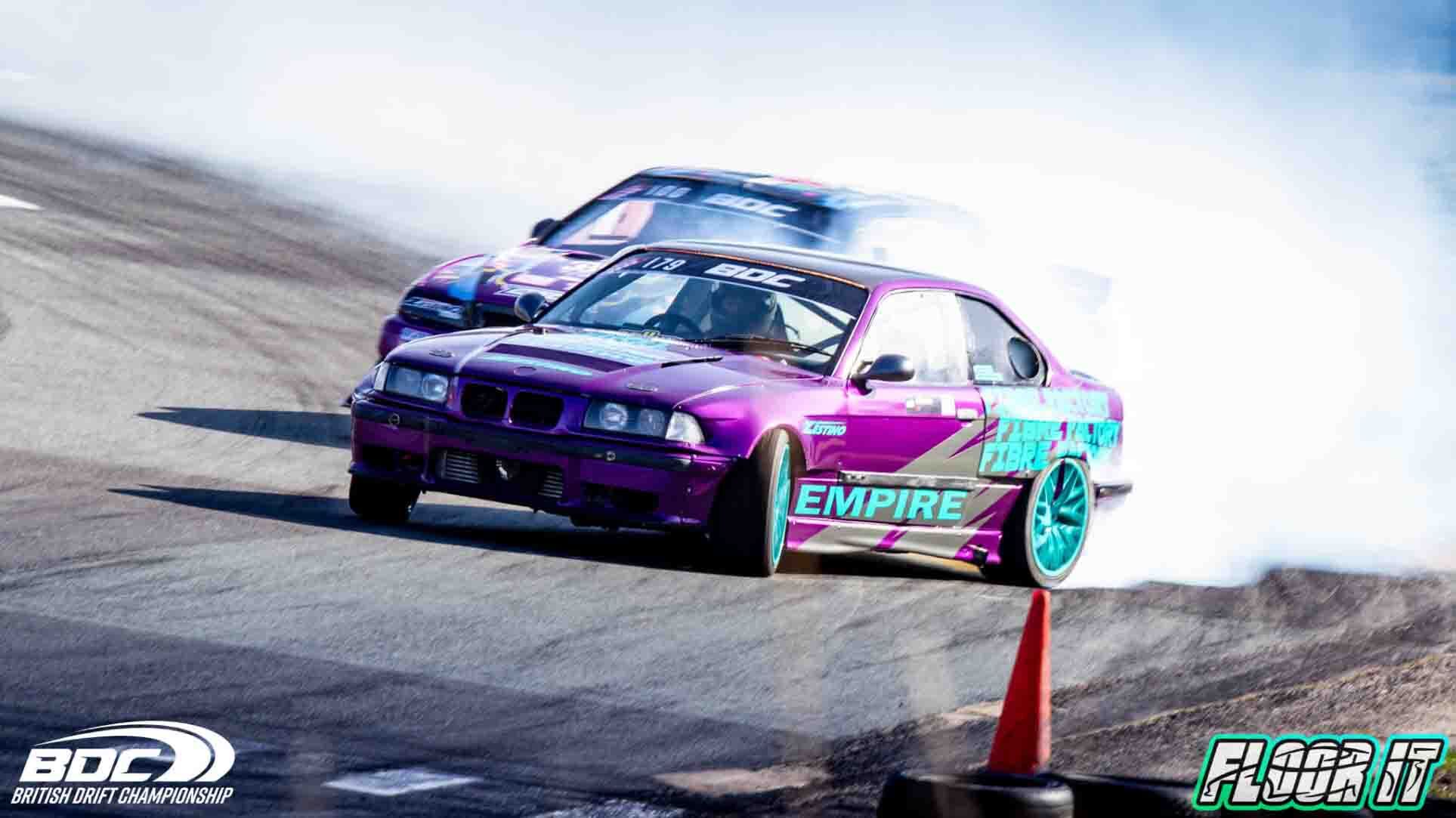
Photo taken by Flooritphotography
Jamie Stanton is a drifter with a BMW E36, which he’s retrofitted with a Toyota 1JZ turbo engine. He also drives in class 1 Drift League in the UK, and came second in 2025 AND 2023, and used to drive for many years in the British Drift Championship, so he knows his stuff!
The biggest issue Jamie faced was the extreme heat from his exhaust manifold and downpipe, which began to damage nearby components.
He found evidence of heat damage to brake lines, wastegate lines, and even silicone boost hoses.
The turbocharged 1JZ produces a lot of exhaust heat, and in the tight engine bay of the E36, that heat radiated directly onto critical lines and parts. Without adequate shielding, the radiant heat was cooking anything close by, compromising reliability.
Jamie employs a combination of heat management tactics to keep engine bay temperatures down:
- Installing custom heat shields around hot exhaust parts to deflect heat.
- Wrapping the exhaust manifold and downpipe with high-temperature exhaust wrap.
- Improving airflow (for example, a vented bonnet and ducting) to help carry away hot air.
By focusing on these heat control measures, Jamie has significantly reduced under-hood temperatures.
Crucially, this has prevented further heat-related damage to lines and hoses, improving the car’s overall reliability. With the manifold and downpipe now insulated and extra added airflow, his brake lines and other components stay protected from heat when competing.
He also told us another story about when a frightening brake failure incident occurred when towing a heavy Land Rover through Wales.
Partway through the journey, the van’s brake pedal suddenly went to the floor, providing almost no stopping power (nearly resulting in an unexpected off-road excursion chasing sheep!).
Continuous heavy braking and the extra added weight caused the brake fluid to overheat and boil. Boiled brake fluid introduces vapour into the brake lines, leading to a spongy pedal or, in this case, a complete loss of brake pressure.
Protect Hoses, Lines, and Nearby Parts
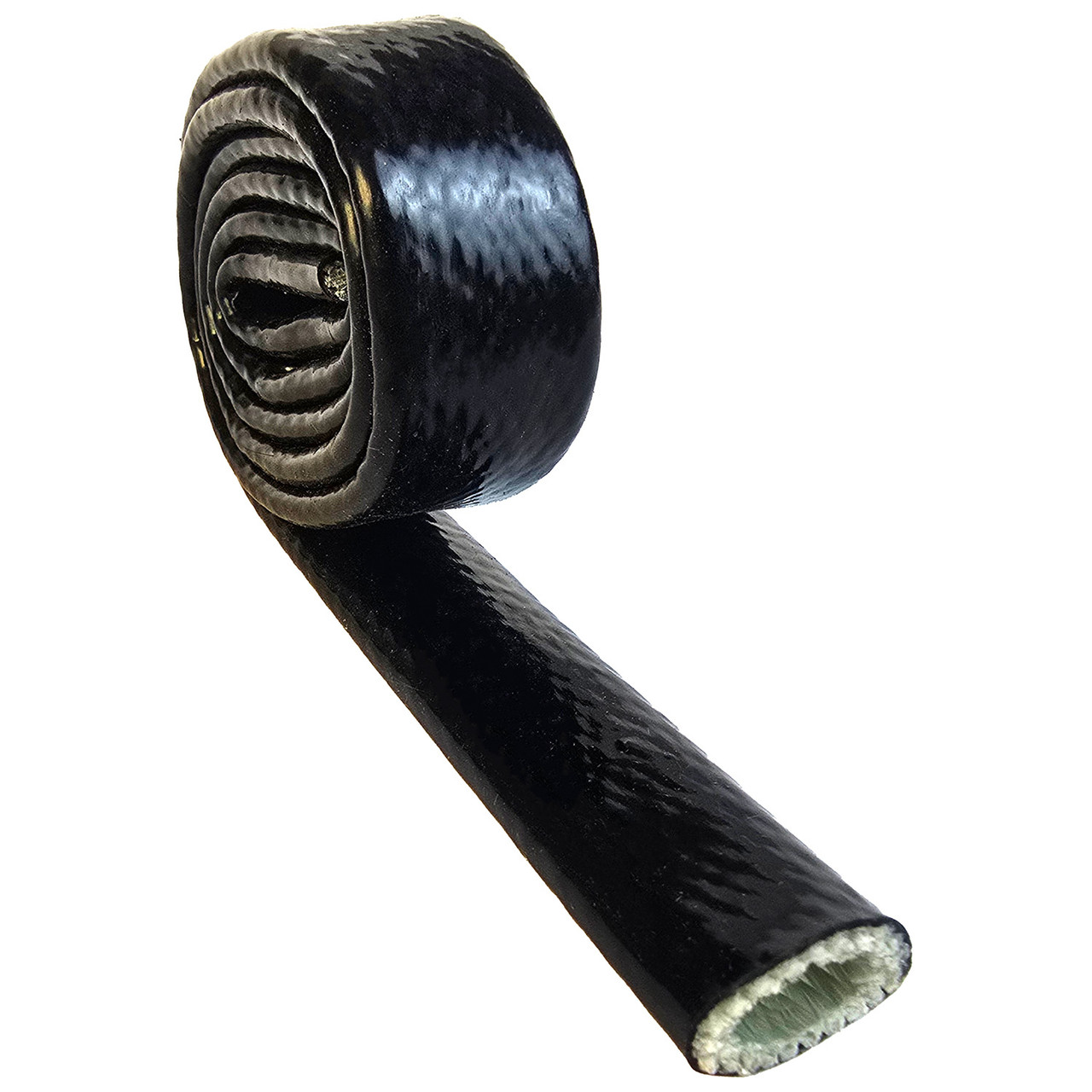 Exoracing Silicone Fibreglass Heat Sleeve
Helps protect fuel, brake and clutch lines from radiant heat.
From £14.99
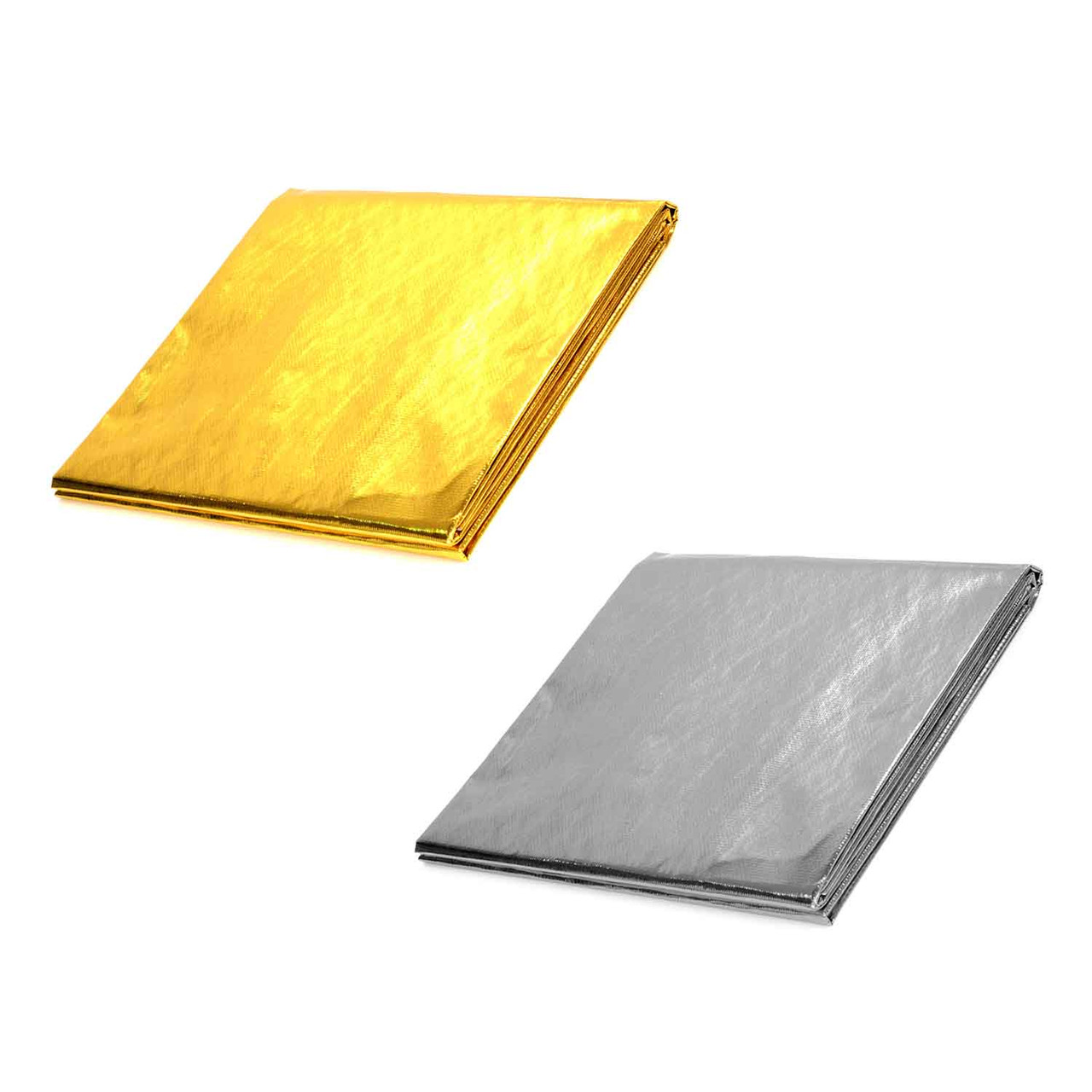 Exoracing Gold and Silver Heat Reflective Sheet
Ideal for bulkheads, tunnels, chassis areas and heat-exposed surfaces.
From £69.99
 Exoracing Embossed Aluminium Heat Shield
Great for building a barrier between hot parts and sensitive components.
From £49.99
Matt Smith – Team Bettys Surf (BMW E46 Drift Car, Nissan PS13 Drift Car)
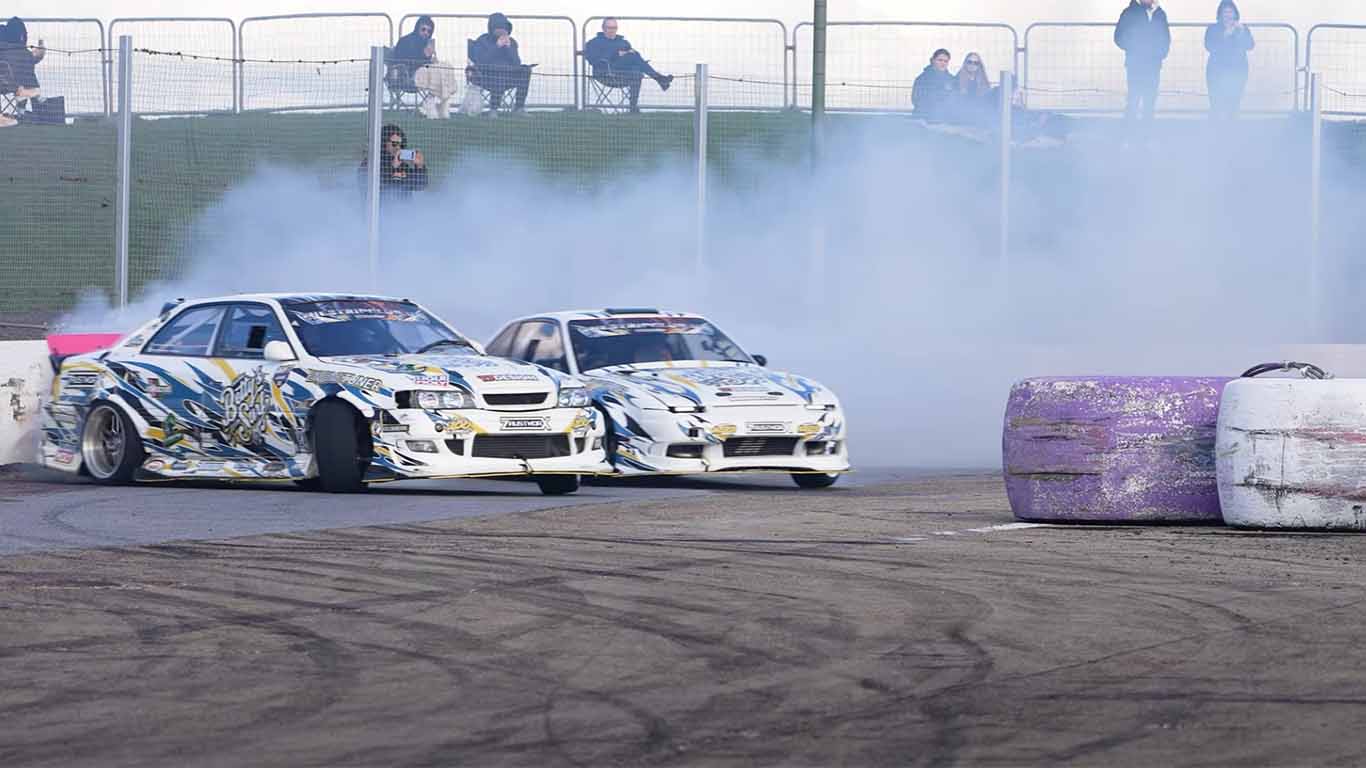
Matt is an experienced drifter with multiple high-performance builds over the years, including a BMW E46 drift car with a rear-mount radiator setup and his current Nissan PS13, which he uses to compete in class 1 Drift League.
Matt has been drifting for years and, like many of the other drivers on this list, used to also compete in the BDC (British Drift Championship)
In Drift League Championship 2019, Matt actually won it and came top of the podium! In 2023, Matt came 12th, in 2024, he came 9th, and last year, 2025, he came 14th, so he has more than enough experience at a professional level to give us some insight!
This is what he said when we asked him about his experience with heat management over the years.
"Right….
Brakes: From the first time I experienced brake fade, I knew heat was the enemy.
Leaving me doing two hot laps to one cool-down lap, which, at best, is a waste of track time. Simply adding disc diameter just prolongs the inevitable; taking that stored heat away is crucial for repeatable hot laps, simple ducting and heat management make a massive difference between corners.
This is where Exoracing comes in.
Suddenly able to keep pushing until I’m tired. When I first put the rear radiator in my E46 drift car, the fuel tank being in the same area became a problem, on a few occasions, even boiling the fuel!
The simple addition of Exoracing gold heat reflective tape not only stopped the fuel boiling but reduced fuel temperatures to such a significant degree that it actually added power!
Highly rated product which saved me re-engineering the whole back end.
Turbo: Running the Nissan PS13 with a tubular manifold and big turbo made for high engine bay temperatures.
So much that it discoloured the paint on the inner arch and even under the bonnet.
Adding the Exoracing turbo blanket, wastegate blanket and exhaust heat wrap completely eradicated this, leaving my engine bay pristine and white with no discolouration in sight.
Also, the added benefits of lower intake temperatures cannot be ignored. With a race or drift car build, the factory sound deadening and heat protection are often removed, and suddenly, you find the hidden world of heat transfer.
My first drift build, the exhaust was just the other side of the tunnel to my left foot, the transmission tunnel got so hot it actually started melting my shoes after a few hot laps.
The importance of Heat management should never be underestimated, from driver comfort and safety to worthwhile performance gains.
Exoracing has it all."
Control The Hottest Parts In The Bay
Exoracing Turbo Blanket V3
Cuts radiant heat escaping from the turbo hot side.
From £119.99
 Exoracing Wastegate Blanket
Helps stop wastegate heat from cooking everything around it.
From £64.99
Exoracing Exhaust Wrap
A simple way to reduce radiant heat from manifolds and downpipes.
From £24.99
Alfie Hunter – (Supercharged V8 S14 Drift Car)
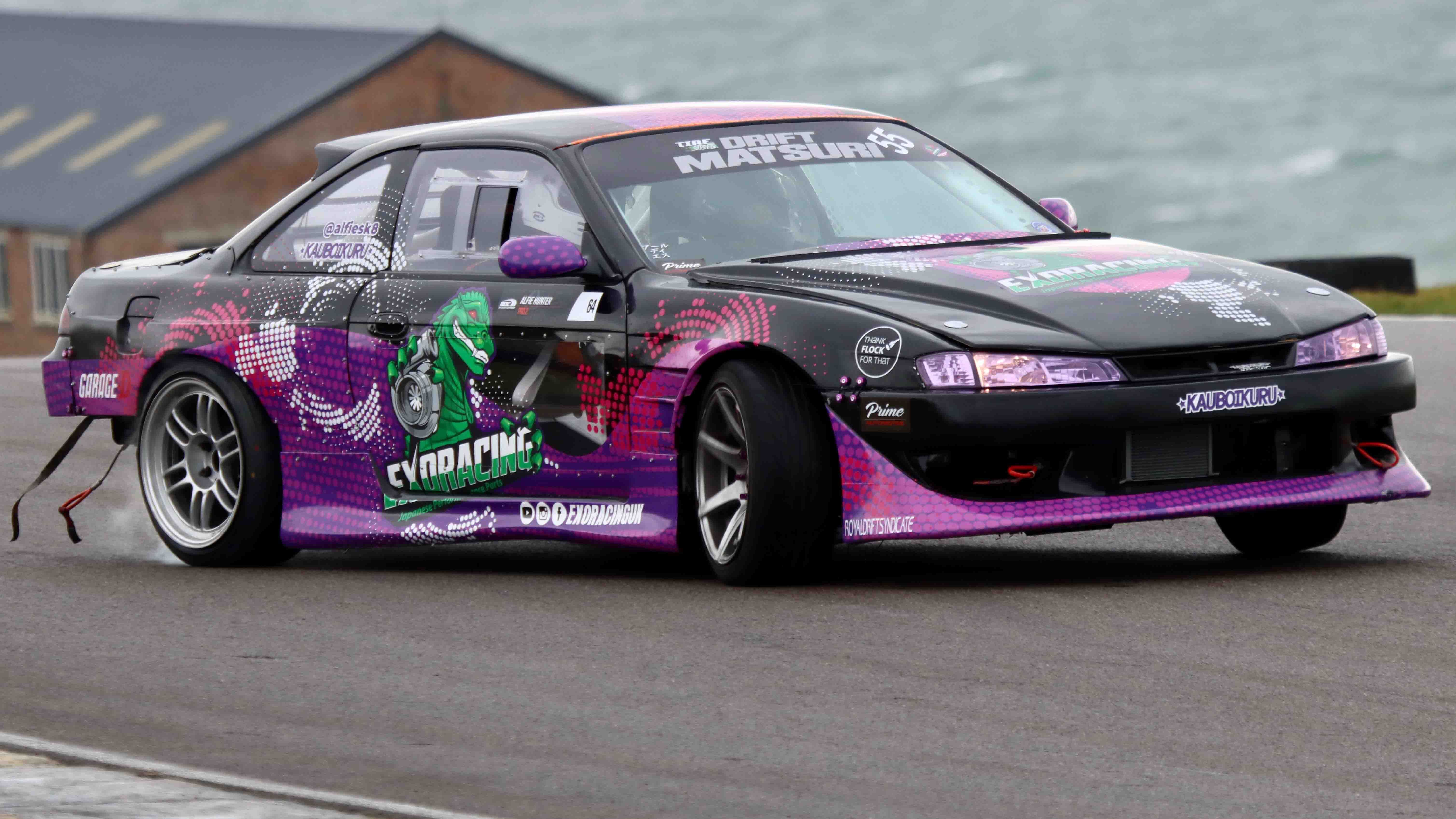
Alfie is a UK drifter running a supercharged V8-powered Nissan S14 competition car, and a fun fact, even used to run a full Exoracing livery!
He used to compete in the BDC in Pro 2, and currently drives in Drift League in class 2.
We caught up with him to see what his experience has been with heat management over the many years of his driving in competition, doing demonstration days and non-stop hot lapping passenger rides at events.
This is what Alfie had to say:
"So I have a Supercharged V8 S14 drift car, and keeping the heat soak under control inside the bay is a battle.
I currently run exhaust heat wrap on my manifolds to about midway down the exhaust system. This not only helped lower bay temperatures, but also water temperatures and cockpit temperatures as well.
All fuel lines also have heat protection sleeves over them as well.
This is due to the amount of hot laps I do with the car, and it helps prevent boiling fuel in the lines, which would cause the car to lean out and misfire.
Lastly, my clutch and brake lines are also sleeved to prevent fluid boiling and save the car from brake and clutch failure on track."
He then also added:
"Since building the supercharger setup on the car, we noticed a huge climb in intake temps on the dyno during mapping.
This was caused by multiple factors. A small air filter being directly on the supercharger, the supercharger is sitting reversed, putting the air filter over the manifolds and the intercooler piping routing around behind the radiator.
On the dyno, we saw nearly 70°c IAT (Intake air temperature) with the bonnet open.
This was causing the ECU to pull a huge amount of timing and causing significant power losses. This was resolved by doing the following.
- Silver heat reflective tape around the cooler piping that sat behind the radiator.
- A ducting to filter set up for the supercharger.
- Putting an air filter 3 times the size at the front of the car, where the cold air is.
- A heat shield barrier to protect the ducting from the manifold heat.
- Also, we added a slightly bigger intercooler.
All of this combined now sees air temps of no more than 26° with the bonnet closed, even on a hot day."
One of the more memorable heat-related problems Alfie dealt with was what he jokingly describes as the “left shoe” issue.
During long or back-to-back runs, heat from the transmission tunnel and exhaust area built up to such an extent that it was actually melting the sole of his left shoe.
With very little factory insulation left in the car, nothing was stopping that radiant heat from coming straight through the floor into the cabin, making longer sessions uncomfortable and distracting.
At the same time, Alfie also suffered from boiling clutch fluid.
"I did the British car show in 2023, 4 days averaging 85 rides a day, 3 laps per ride, but had only boiled the clutch fluid once on the hottest day, which was fixed with a quick bleed and new fluid. No fuel boiling issues and very minimal heat soaking issues"
The clutch hydraulic line was exposed to significant radiant heat, and under sustained hard driving, the fluid would overheat and boil, leading to an inconsistent clutch pedal.
While this can still happen occasionally in extreme conditions, the frequency and severity have been greatly reduced with better heat management in place.
Another major issue was boiling fuel in the return line.
As temperatures climbed in the engine bay, heat soak into the fuel system caused the returned fuel to overheat, which risked vaporisation and unstable fueling.
By improving heat shielding and insulation around hot components and fuel lines, this issue has now been eliminated, and the returned fuel no longer boils even during aggressive driving.
Fix Heat Soak Around Intake And Charge Pipes
Exoracing Reflective Tape
Great for intercooler pipes, intake pipes and local hot spots.
From £29.99
Exoracing Aluminium Shield
Perfect for shielding ducting, filters and intake routes from manifold heat.
From £49.99
 Exoracing Universal Air Filter
Useful when relocating the filter into a cooler air feed position.
From £34.99
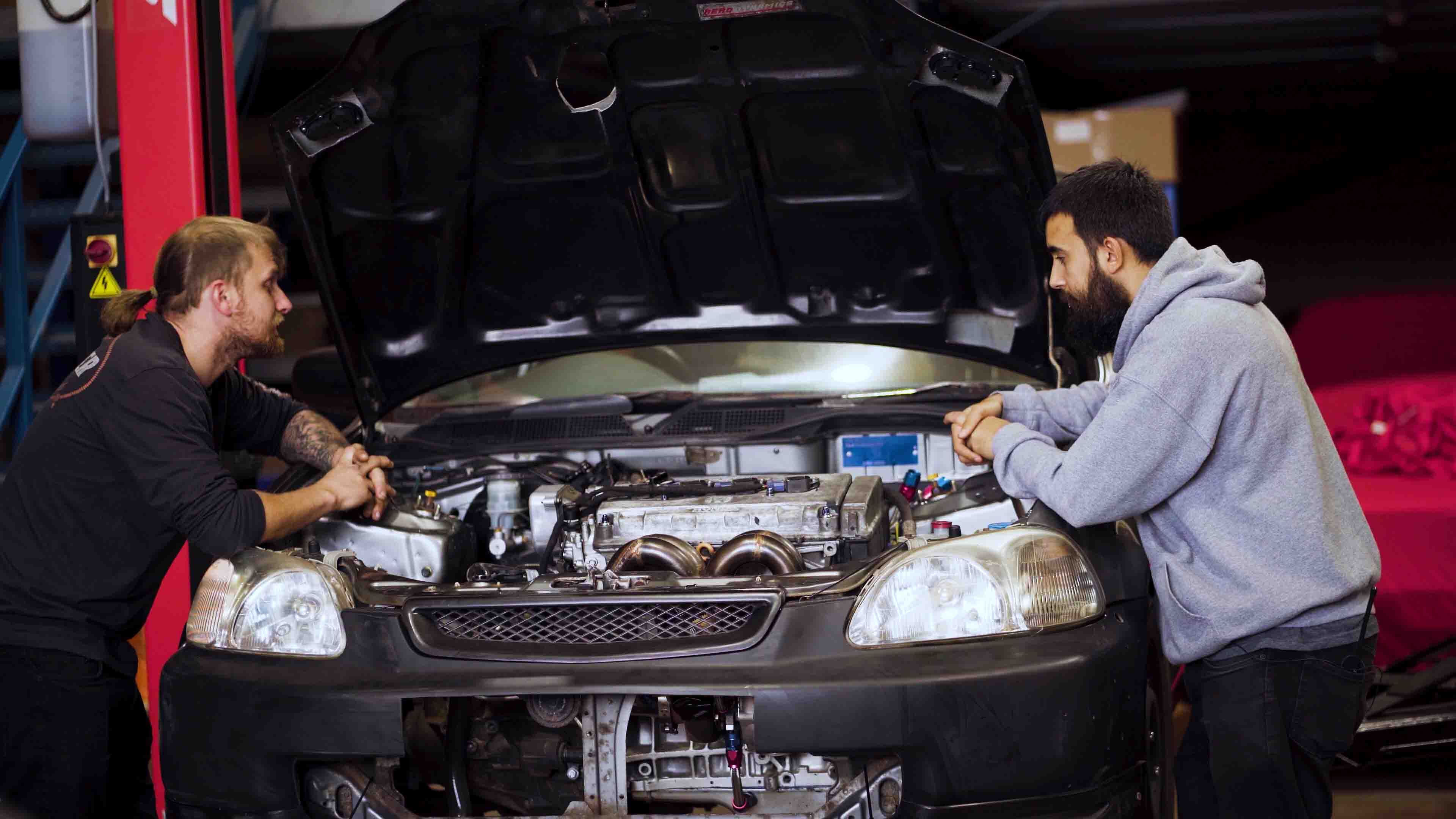
Josh McClelland – (Honda Civic EF K-Swap Race Car)
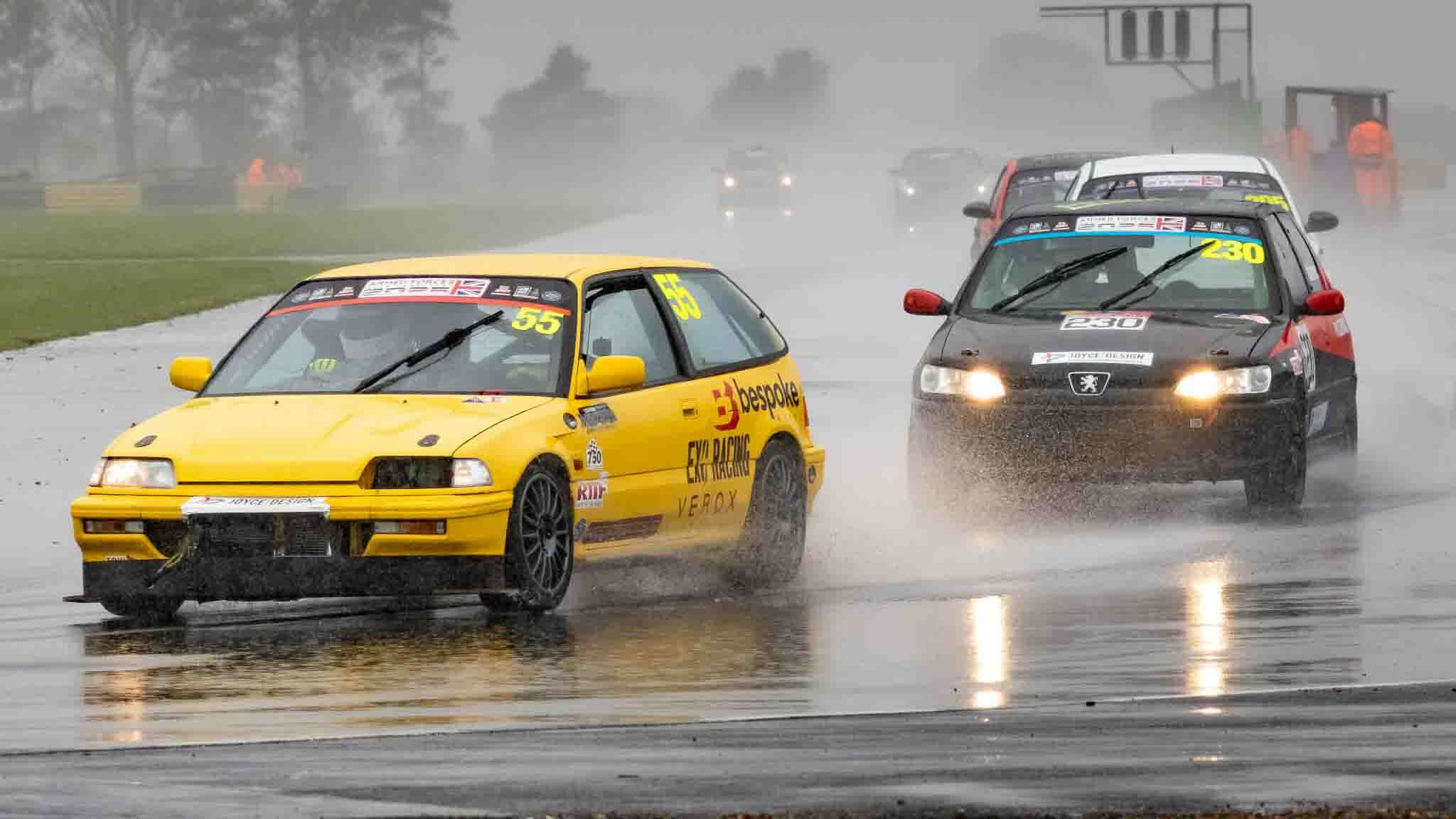
Josh drives a Honda Civic EF hatchback race car, which is modified with a K-series engine swap. He competed in 2025 in the Armed forces race challenge under 750mc.
We asked him about his experience in his first year with the new race car, and this is what he had to say:
Brake fluid
This will be the first thing to let you down when driving hard on track.
Using normal brake fluid (with a low boiling point) is going to get to temperatures which will cause it to boil, you will get either a long brake pedal and/or a spongy feeling, which will result in a loss of braking force, no matter how hard you are pressing the pedal.
The solution to this will be to run a brake fluid with a higher boiling point, most common being 600° - 660°.
Brake pads
For a spirited B-road bash, ‘normal’ road-going street pads will be alright; however, on a track day, your brake pads are going to experience heat they would never see on the road. Overheating your pads can result in something called brake fade.
Similar to when your brake fluid boils, when you press the brake pedal its going to feel like your pads are simply not working. The solution is a more track day/race-based brake pad.
These are made with a different compound compared to your typical day-to-day pad, which results in them being able withstand the high temperatures and forces your car will generate on a track day.
Although not a common failure point, I have seen the rubber brake line hoses that go to your callipers split. This is due to the high pressure and harder braking force applied when on a track day. For peace of mind, I would recommend upgrading to braided brake line hoses to prevent this.
Tyre pressures
Something that may be overlooked is tyre pressures. You may hear people talking in the paddock about cold pressures and hot pressures. This is down to how much your tyres heat up on a track day.
Now, what cold pressures you run is all about testing and adjusting, as many variables can impact how hot your tyres will get. For example, the weight of your car has a big impact, as does air/track temp, whether your car is FWD/RWD or AWD, and the list goes on.
As a general rule of thumb, I would head out for a 15/20 minute session with around 26PSI, and when you come in, check your tyre pressures.
Now, where you run your tyre pressures is a personal preference; however, you generally want to be aiming around 28-30PSI hot. The risk with running a higher pressure, especially on a generic road-going tyre you can risk delaminating your tyres or even having a blowout.
Engine
This is where datalogging is going to come in very handy. On track, your engine is going to experience temperatures it would never naturally see on the road, whether this be oil, coolant or even intake temperatures.
If you do not have a Hondata or an aftermarket ECU that supports datalogging, there are options out there. If your car has an OBD port, you can purchase a Bluetooth reader and run a generic app for datalogging and select the parameters you want to track through your sessions.
Another option is having gauges set up to read specific temps, but make sure to keep a side eye on these during a session. Solutions to these problems are easy; if you are struggling with high oil temps on track, you can install an oil cooler kit.
For coolant, you can look into a lower temperature-opening thermostat. For intake temps, you can try some heat shielding / reflective tape.
Cabin Temperatures
This is going to purely depend on the specs of your car. For example, if you have a full interior car, the temps will be generally lower as there is a physical barrier, or something for the heat to soak into.
Or if you run the standard glass windows or polycarbonate. If you are running PC Windows, you can install slider kits into the front windows to allow for me ventilation into the cabin.
You can also look into Napa ducts, which can be installed in the rear quarter windows to also aid in ventilation. There are also vents which can be installed into the rear screen available. Overall, unfortunately, there is no real, definite way to eliminate the high cabin temperatures.
Molly Kerr – (Widearch Nissan 350Z Drift Car)
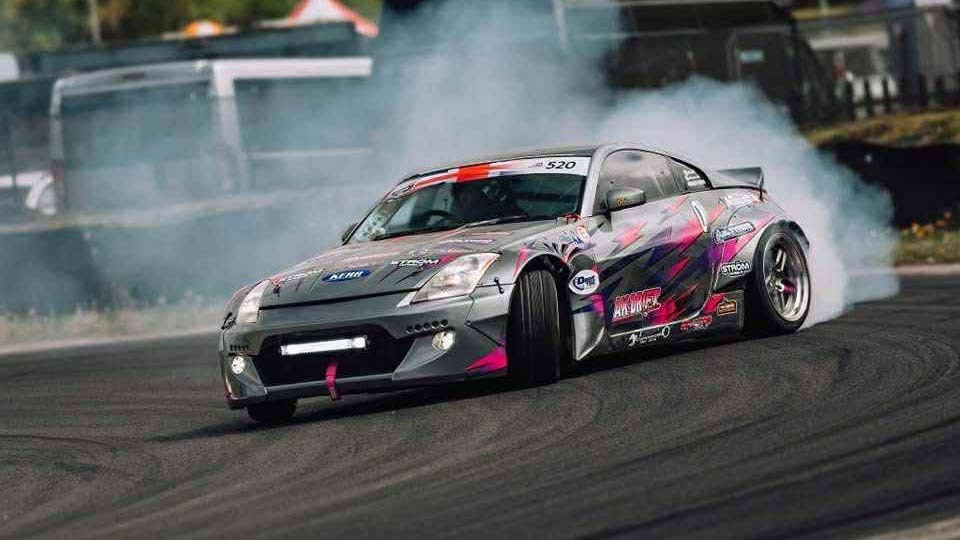
Molly is an Irish driver, competing in Drift League UK, who regularly pushes her car hard enough to expose serious heat-related weaknesses in both the cabin and drivetrain.
She has competed for the past 2 years in her Nissan 350z, and is currently building a brand new competition car to become even more competitive!
Molly ran into two major heat issues while driving. First, the floorpan became so hot that it was literally melting the soles of her shoes, making long stints uncomfortable and distracting. Second, she suffered from boiling clutch fluid, which led to an inconsistent clutch pedal and reduced control during aggressive driving.
Like many competition cars, Molly’s build had minimal factory insulation left in place.
Exhaust and drivetrain heat were radiating directly through the transmission tunnel and floor, transferring straight into the cabin.
At the same time, the clutch hydraulic line was routed close to heat sources, allowing radiant heat to soak into the fluid. Under sustained use, this caused the clutch fluid to overheat and boil, introducing air into the system and reducing clutch effectiveness.
Molly tackled both issues with targeted heat management upgrades:
- She fitted aluminium floor plates to act as a physical heat barrier between the hot drivetrain components and the cabin. Aluminium reflects and spreads heat far better than thin factory sheet metal alone, dramatically reducing heat transfer into the driver’s footwell.
- She added heat shielding around the clutch hydraulic pipe to protect it from radiant exhaust and transmission heat.
- She upgraded to a high-temperature clutch/brake fluid with a much higher boiling point, ensuring the system could cope with sustained heat without vaporising.
These changes made an immediate and noticeable improvement.
The cabin floor temperature dropped enough that Molly could drive comfortably again without destroying her footwear, even during long sessions.
More importantly, the clutch system became consistent and reliable, with no more soft pedal or engagement issues caused by boiling fluid.
By isolating heat at the source and protecting critical hydraulic components, Molly restored driver comfort and confidence, proving that heat management is just as important inside the car as it is under the bonnet.
Trevor Fileman - (BMW E30 SR20DET Turbo Drift Car)

Another driver in the drift scene is Trevor Fileman, a highly respected competitor and long-time instructor with over 13 years of experience in drifting.
Alongside his work as an instructor, Trevor has performed demonstrations at Modified Nationals and has also worked as a commentator for Driftcup, sharing his knowledge and passion for the sport with fans and drivers alike.
He currently drives in class 1 Drift League with his BMW E30 powered by an SR20DET, producing over 400bhp, a unique setup that demands careful attention to heat management.
When we asked Trevor about his experience with heat control, this is what he said:
"The main issue I had was heat soaking into the intercooler piping. After a couple of hard runs, I was seeing intake temperatures climbing higher and higher, especially towards the end of sessions.
Because of that, the ECU was starting to pull power to protect the engine, which you could really feel in the car. It would lose that sharp response and consistency that you need when you are drifting back-to-back.
Using the gold reflective tape on the intercooler pipes made a big difference for me. It helped shield them from the heat in the engine bay and stopped them from absorbing so much heat between runs.
Since fitting it, my intake temperatures have stayed much more stable, even on busy practice days or during competitions. That has helped keep the power consistent and given me more confidence to push the car without worrying about heat-related issues."
Paul Seymour - Team Ronin (Nissan S13 V8 1UZ Turbo Drift Car)

Paul is a UK drifter who currently competes in class 2 of Drift League in his V8 1UZ Turbo S13.
He also did a wildcard and foundation at the British Drift Championship a few years ago, and multiple testing days locally to refine the car.
We asked him about any heat management issues he has faced throughout the years, and this is what he had to say:
"To start with, without controlling heat, you won’t complete a lap.
Heat management is one of the most important things to have in any motorsport. From keeping temperatures down in the cockpit to the engine bay.
Things like exhaust, turbo, and actuators all add up to excessive heat in your engine bay.
High engine bay temps mean high coolant temp, high oil temp and high intake temp, all of which add to potential problems.
I found heat blankets/wraps for turbos, actuators and manifold help considerably.
Adding an oil cooler and placing your air filter in the correct place will also help lower temps.
Without keeping control of your temps, you might as well stay in the pits."
Martin Wonnacott - Team Bettys Surf (1.5jz Toyota Chaser Drift Car)
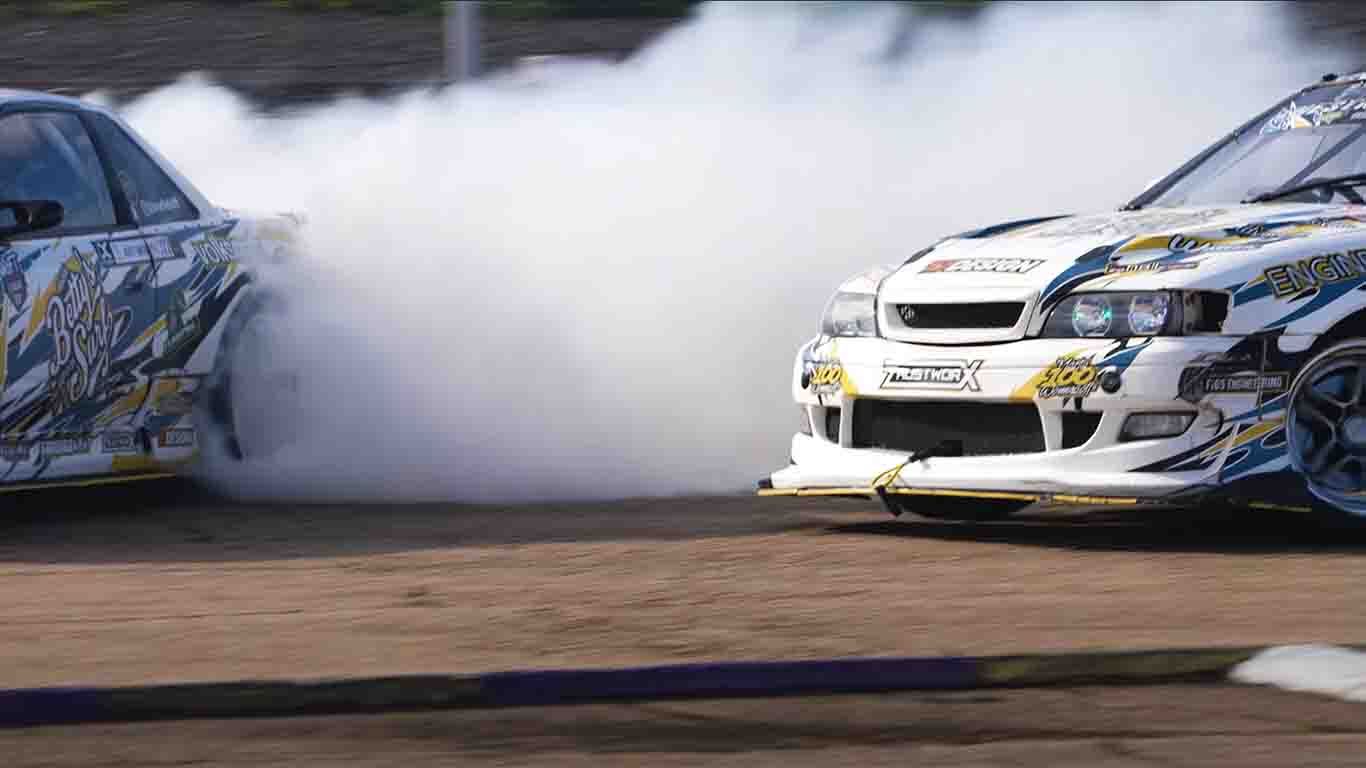
Last but definitely not least would be Martin Wonnacott, a true titan of the UK drift scene and a driver who has been pushing sideways limits for as long as most of us can remember.
Martin currently competes in Class 1 Drift League in his crazy XXXBHP Toyota Chaser.
Martin has competed in multiple championships, gaining podiums over and over again, coming 2nd in the British drift championship in 2019, winning drift league in 2018 and 2024, coming 3rd in 2023 and 7th in 2025.
When we asked Martin about his experience with heat control, especially in competitive drifting, this is what he had to say:
"So drifting is slightly different from other motorsports for heat issues due to how the cars are used and the way a practice day or competition run.
Our main heat issue we fight is definitely the engine and engine bay.
I would say, especially if running turbo power, I have had melted oil lines, blown turbo gaskets, etc. So heat shielding and pipe protection are a must when preparing the engine bay or when building a drift car, specifically.
Water cooling and intercooler cooling, with relatively slow speeds but high, prolonged rpm, cause a lot of overheating, and therefore, in drifting, you are fighting overheating rather than controlling it, especially in demos or practice.
When doing laps one after the other, in-car cab heat comes as part of the deal with heat from the engine bay and rear radiator pipes, etc., transferring through the bare metal chassis.
I have even burnt my feet before with my exhaust being right underneath, and used to have water pipes in the car, causing more heat, so now the coolant pipes run under the car, we have the exhaust heat wrapped, and gold heat reflective tape on the chassis where we need it."
Real Results: How Much Difference Do Heat Mods Make?
Simple heat management upgrades solved each of the above problems, whether it was a simple aluminium plate or an entire heat management package.
As you can see from the drivers themselves, in most of the situations, they haven't gone to the extreme and thrown the entire heat management catalogue at the cars; they have protected the parts they needed to.
Or protected parts they thought might become a problem in the future, and this is exactly what heat management is about.
Managing the heat and protecting the parts you need to protect.
But how much impact can heat management really have?
Let’s look at some data from our own testing video, which we did a few weeks back.
We decided to see what would happen when we took a propane torch to one of our turbo blankets (which are very commonly used on competition cars) in a very isolated spot to see a few things:
- How well the material composition would stay after hitting it with a 1900°C Propane torch in a single spot
- What sort of temperature drop could we see between the inner and outer layers of the blanket?
Watch the video below to see for yourself!
Our plan moving forward is to film multiple case studies, and in-house tests with our customers, friends and as many cool cars as we can get our hands on to do temperature testing to show you in real-world applications how many degrees of heat you can drop off!
Build Your Full Heat Management Setup
Exoracing Titanium or Carbon Turbo Blanket V3
The fastest win for controlling turbo heat and reducing engine bay temperatures.
From £119.99
Exoracing Titanium or Carbon Exhaust Wrap
Reduces huge amounts of radiant heat from manifolds, downpipes and exhaust sections.
From £24.99
Exoracing Gold and Silver Heat Reflective Tape
Reflects heat away from tanks, pipes, intakes, panels and fuel system parts.
From £29.99
Exoracing Silicone Fibreglass Heat Sleeve
A simple, quick upgrade for protecting performance clutch lines, brake lines and fuel lines.
From £14.99
Conclusion
Managing engine bay heat doesn’t have to be complicated or expensive. As we saw with the drivers above, the key is to match the problem with the right solution.
Whether it’s a drifting machine frying its wiring, a track car blowing hoses, or a race car cooking sensors, the formula is similar: keep the heat where it belongs, and shield everything else.
Start with the hottest areas (your turbo, manifold, and downpipe) and insulate or wrap them.
Then protect what’s around them using sleeves, reflective tape, or by improving airflow.
By taking these steps, you’ll not only prevent sudden failures but also maintain consistent performance.
A cooler engine bay means more power, greater reliability, and peace of mind when you’re pushing your car to its limits. Hopefully, you now have a better understanding of common heat issues and how to fix them.
If you have a heat problem we didn’t cover here, feel free to reach out as we’re always happy to help and might even feature your issue in our next article!
Shop the Exoracing Heat Management range →
Related Products & Links
Product Categories
Related Articles
- 7 Engine Bay Heat Problems & Simple Solutions
- The Ultimate Guide to Exhaust Wrap
- 3 Essential Upgrades to Protect Your Turbo Setup
About the Author
I’m Matt, the owner of Exoracing Ltd, a UK-based performance parts brand specialising in automotive heat management.
Since 2018, we’ve helped thousands of car enthusiasts and workshops reduce engine bay temperatures with tested, proven products, backed by first-hand experience from our own builds and our customers’ projects.
Got questions about your setup? Message us on Instagram @exoracinguk or hit our contact page. We love hearing about your builds and helping out where we can!