
Rattling Heat Shield: Should You Fix It, Remove It or Replace It?
Posted by Matthew Marks on 2nd Jul 2026
Rattling Heat Shield: Should You Fix It, Remove It or Replace It?
A rattling heat shield is annoying, but it should not be ignored or ripped off without checking what it protects. In many cases, the fix is simple, such as replacing a corroded fixing or securing the shield properly.
From our heat management support work, the biggest mistake we see is treating every loose shield as scrap before checking the fuel lines, brake lines, wiring, floor, tunnel, fuel tank and plastic parts around it.
The simple answer
A rattling heat shield is usually caused by loose, corroded or broken fixings, cracked shield material, missing bolts or a shield touching the exhaust, floor or subframe.
You can sometimes remove a badly damaged shield temporarily if it is dragging or touching the exhaust, but only after checking what it protects. Removal is not the proper fix if the area still needs heat protection.
If the shield protects the fuel tank, fuel lines, brake lines, wiring, the floor, tunnel, plastic trims, bushes, CV boots or the cabin area, repair it, replace it or fit suitable alternative shielding instead of leaving the area exposed.
- A rattling heat shield is usually caused by loose, corroded or broken fixings.
- It is not always dangerous, but it should be inspected because the shield may protect something important.
- Do not remove the shield until you know what sits behind or above it.
- If the original shield is missing or too damaged, a replacement heat shield, reflective sheet, exhaust wrap, heat sleeve, or stainless fixings may help, depending on the location.
Why Is My Heat Shield Rattling?
Most heat shield rattles start because the thin shield is no longer held firmly. Underbody shields live in a harsh place: road salt, water, vibration, heat cycles and previous exhaust work all attack the fixings before the shield itself looks completely ruined.
Common causes include rusted bolts, corroded mounting points, cracked aluminium or steel shield material, loose clips, missing washers, previous repair work, exhaust movement, or a shield touching the exhaust, floor, tunnel or subframe. A loose heat shield can also rattle only at certain RPMs because engine and exhaust vibrations line up at that speed.

Is a Rattling Heat Shield Dangerous?
The noise itself is usually not the dangerous part. The risk depends on what the heat shield is doing.
Some shields mainly reduce cabin heat, noise or underbody heat soak. Others protect fuel lines, brake lines, wiring, the fuel tank, plastic trims, rubber bushes, CV boots, floor panels or the cabin tunnel from exhaust heat.
If the shield has dropped and is touching the exhaust, dragging on the road, close to a prop shaft or driveshaft, or near steering, brake or fuel parts, inspect the car before driving further. A loose panel can move, cut into nearby parts, trap heat in the wrong place or fall off on the road.
Can I Remove a Rattling Heat Shield?
Sometimes, yes, but only as a controlled decision. If a shield is hanging down and could catch the road or touch the exhaust, removing the damaged part may be safer than driving with it loose. That does not mean the area should stay unprotected.
Do not leave a shield removed if it protects a fuel tank, fuel lines, brake lines, wiring, plastic undertrays, CV boots, rubber bushes, the cabin floor, the tunnel or the bulkhead.
This matters even more on modified cars with larger exhausts, decats, sports cats, aftermarket manifolds, turbo conversions or track use, because the original heat clearances may no longer apply. For the wider driving-without-a-shield question, see our can you drive without an exhaust heat shield guide.
Quick Diagnosis: Noise, Location and Best Fix
Use this table before deciding whether to tighten, repair, remove or replace the shield. If the car is too low to inspect safely, use axle stands on solid ground or ask a mechanic to check it. Never crawl under a car supported only by a jack, and let the exhaust cool before touching anything.
Heat Shield Location: What Is It Protecting?
A heat shield is only as important as the part it protects, so location matters. A shield over a rear silencer may mainly reduce boot floor heat and noise. A shield above a catalytic converter, downpipe or centre tunnel may protect the cabin floor, carpet, sound deadening, wiring clips, brake lines or fuel lines.
A shield near the tank, spare wheel well, plastic trims, CV boots or rubber bushes should not be treated as optional without a proper replacement plan.
Under the bonnet, manifold, turbo and downpipe shields help manage heat around looms, radiator fans, coolant hoses, clutch lines, brake lines, oil lines and the bulkhead. On a modified car, the original shield may not cover the new hot area properly, so the answer is not always to copy the factory part exactly.
Sometimes you need a shaped aluminium barrier, a reflective sheet on the vulnerable surface, exhaust wrap on a suitable pipe section, or a sleeve on a line or loom that still has to run near heat.
Exhaust Heat Shield Repair Options
The correct repair depends on the heat source, the vulnerable part, the available clearance and the way the car was built. Start with the simple fixes: replace missing bolts or clips, use larger metal repair washers where the mounting hole has enlarged, or secure the shield with suitable stainless hardware.
Never use plastic cable ties close to the exhaust heat.
Different cars use different mounting styles. Some shields bolt into captive nuts or rivnuts in the chassis, some slide over threaded studs or pressed bosses, some use spring clips, and some older cars need a corroded fixing drilled out, tapped again or repaired with a new rivnut.
If a mounting point has rusted away, the repair should restore a solid metal fixing rather than clamping the shield loosely and hoping the noise stays away.
Useful hardware for heat shield repairs
Repair washers, penny washers and stainless washers are useful when the shield is still solid, but the hole around the bolt has become too large.
Stainless nuts, bolts and washers can work well where the original hardware is corroded, as long as they fit properly and do not preload the shield into the exhaust. Rivnuts can be useful when the original captive fixing is gone, but only if the surrounding metal is strong enough.
Self-tapping screws should be used carefully because you need to know what is behind the panel before drilling into a floor, tunnel, sill or boot area.
If the original shield cannot be saved, use a replacement shield or fabricate a simple barrier that keeps an air gap between the exhaust and the protected part. That air gap is important because it helps separate the hot exhaust from the protected panel and lets air move through the space.
If the heat source is a manifold or downpipe, exhaust wrap can help control radiant heat from suitable pipe sections. If the vulnerable part is a line, hose or wiring loom, a heat sleeve is usually the better component protection.

A real example from my old Civic
On my old Civic, we had exactly this problem. Every drive came with a constant metallic heat shield rattle from under the car, and it was one of the most frustrating noises to live with.
When we got underneath and checked it properly, one of the bolts had rusted through, and the original heat shield was so old that the shield itself had started to corrode around the mounting area.
Rather than leaving the tunnel exposed, we used the aluminium heat shield material we sell, shaped it to sit correctly under the tunnel, made sure it had clearance from the exhaust, drilled the fixing holes and mounted it back to the original points. That completely stopped the rattle, but the important part was that it still protected the chassis and interior from the heat coming off the exhaust.
Hamish's MX5 heat shield lesson
Hamish had the same sort of rattle on an MX5, but the outcome was different. The rusty old heat shield on the centre section of the exhaust rattled along while driving, and when he was under the car one day, it looked like a thin, tired panel that was not doing much. He removed it to get rid of the noise.
The rattle stopped, but the cabin became noticeably hotter afterwards. That is the part people often miss: a shield can look pointless until it is gone, and the heat starts travelling into the floor and tunnel. In that case, wrapping the centre section with Exoracing exhaust wrap helped control the radiant heat from the pipework and solved the heat problem created by removing the shield.
That does not mean exhaust wrap is always the correct replacement for a missing shield.
On Hamish's MX5, it made sense because the main issue was heat coming from the centre exhaust section into the cabin area. If the missing shield is protecting fuel lines, brake lines, wiring, a tank or plastic parts, you still need to check whether a physical shield, air gap or additional component protection is required.
How to make a replacement shield properly
The clean way to do it is to template the area first, then shape the aluminium so it follows the tunnel or panel without touching the exhaust. Mark the original mounting points, drill the holes, deburr any sharp edges and check that the shield clears the exhaust through its normal movement.
Once it is fixed, check the area again after a few heat cycles because thin metal can settle, fixings can bed in and exhaust movement can show up once the car has been driven.
Do not drill blindly into a tunnel, floor or boot panel. Check both sides if possible, because brake lines, fuel lines, wiring, carpet, sound deadening and interior trims may be above the area you are drilling. If the original mounts are gone and you cannot confirm what is behind the panel, get the area inspected before making new holes.

What Not to Do
Do not rip a shield off without checking what it protects. Do not let a loose shield touch the exhaust, because contact can create noise, wear and unwanted heat transfer. Do not use adhesive reflective tape directly on exhaust pipework; use exhaust wrap for suitable exhaust sections instead.
Do not cover damaged wiring, leaking fuel hose or brittle brake lines with heat protection and call it repaired.
We see the same logic across heat sleeve sizing and wiring protection jobs: fix damaged parts and poor routing first, then add heat protection. A sleeve, wrap or shield works best when it supports a sound installation, not when it hides a problem.
Best Exoracing Products for Heat Shield Repairs
Depending on what the shield protects, these are the usual options. For the wider range, browse our heat management products. If you need help choosing between shield, wrap, tape and sleeve, use our heat shield vs exhaust wrap vs heat tape guide.
For a rattling or missing exhaust heat shield, the strongest product choice usually comes down to how you want to manage the heat. A rigid aluminium shield creates a physical barrier and air gap between the exhaust and the tunnel, so air can move through the space and carry heat away. A reflective sheet is better when you need to protect a panel, bulkhead or surface from radiant heat.
Exhaust wrap is the source-control option: it helps keep more radiant heat contained around the exhaust pipework so less heat bleeds out towards the floor, tunnel and nearby parts.
Good for tunnel, firewall and underbody areas where you need a shaped physical shield with an air gap.
Useful when the original panel still exists but needs extra radiant heat reflection on the side facing the exhaust.
Useful on suitable manifolds, downpipes and exhaust sections where reducing radiant heat from the pipework helps the shield and surrounding parts.
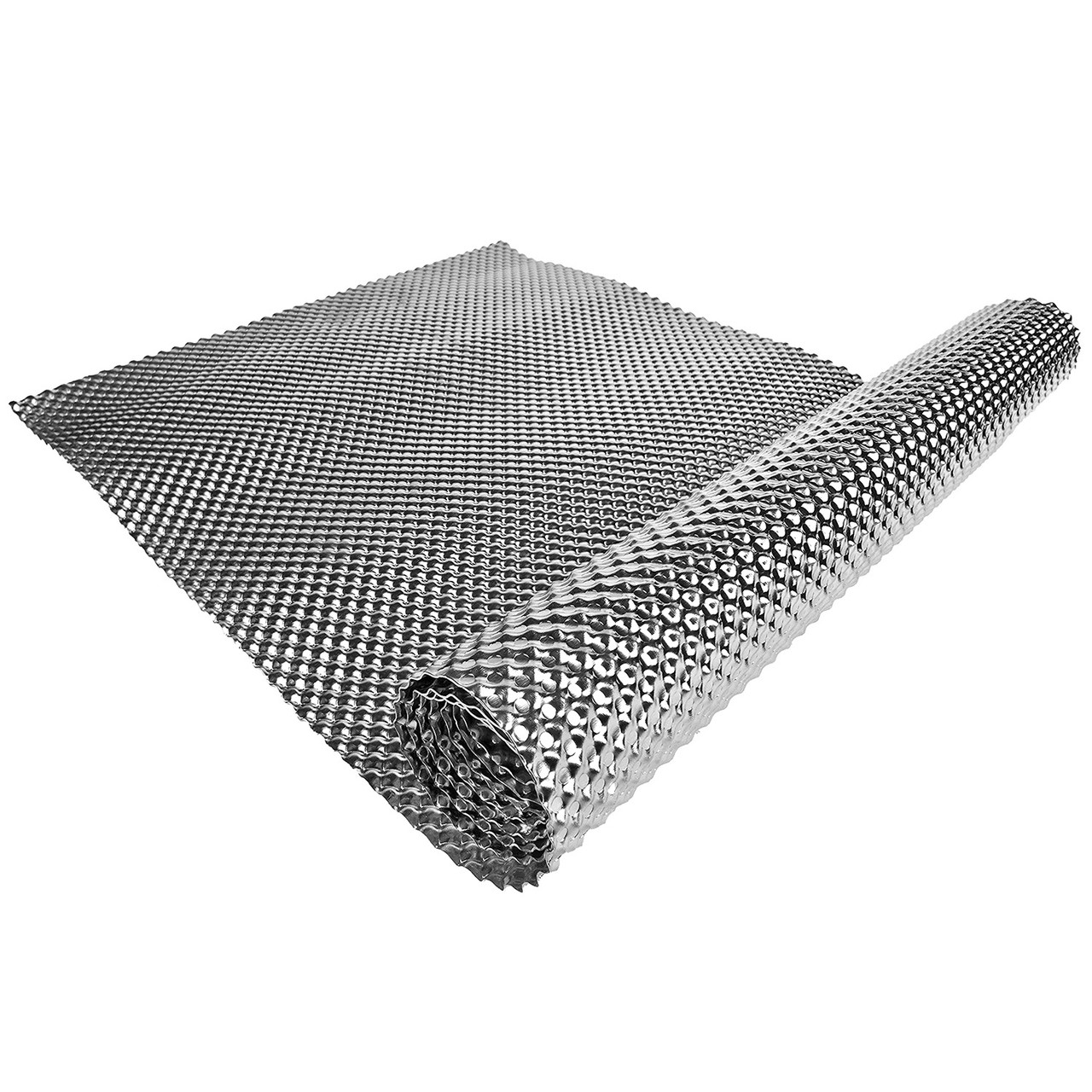 Exoracing Embossed Aluminium Heat Shield
Rigid formable barrier for replacing or upgrading shielding near hot exhaust areas.
From £49.99
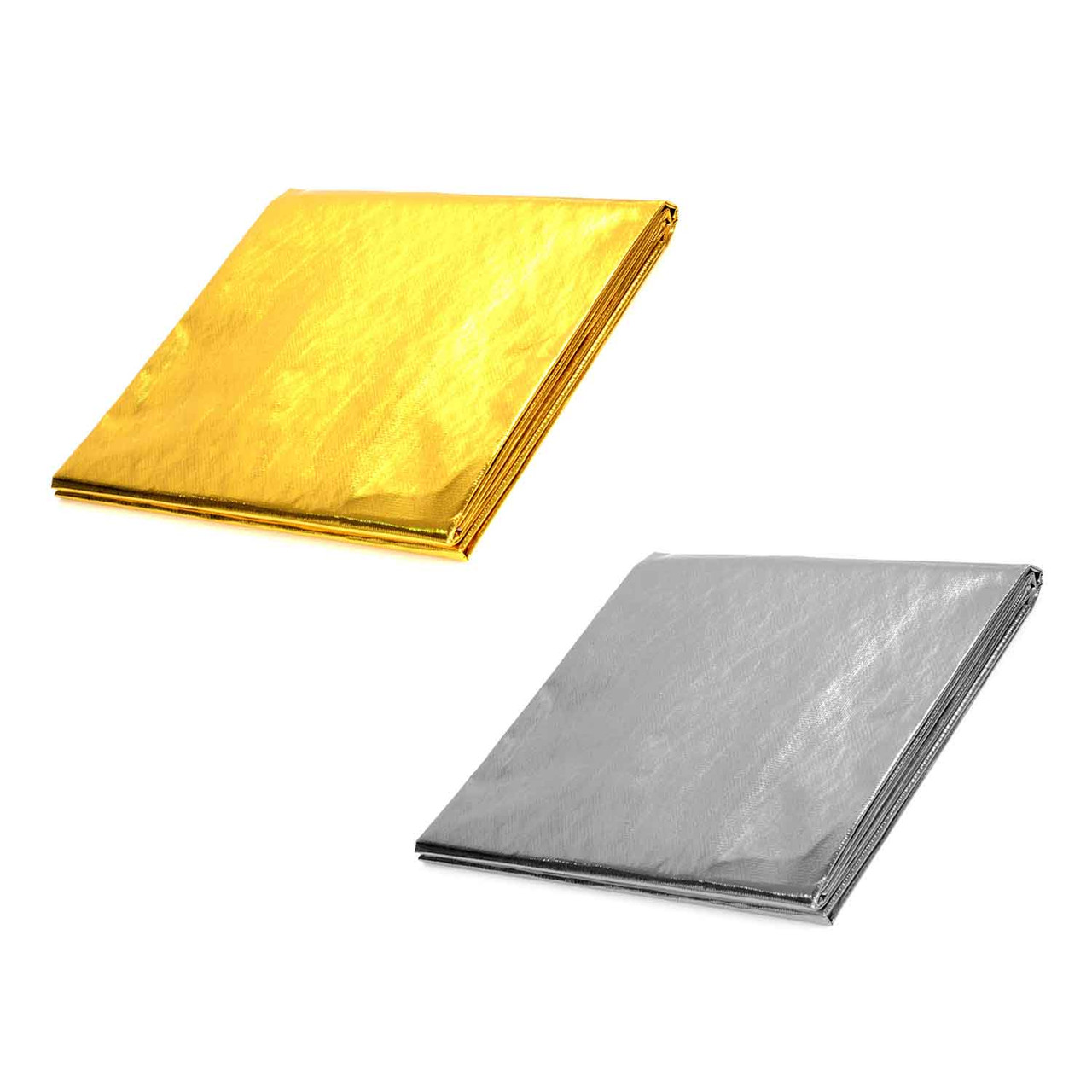 Exoracing Gold and Silver Heat Reflective Sheet 1m x 1.2m
Adhesive-backed reflective sheet for panels, bulkheads, floors and nearby surfaces.
From £69.99
 Exoracing Titanium or Carbon Exhaust Wrap
For suitable manifolds, downpipes and exhaust sections, controlling radiant heat at the source helps.
From £24.99
Modified Car Notes
Modified cars need a stricter check because the standard heat shield layout was designed around the original exhaust, ride height and routing. On an older Civic with a larger bore centre section, the exhaust can sit closer to the tunnel and make a weak shield rattle even worse.
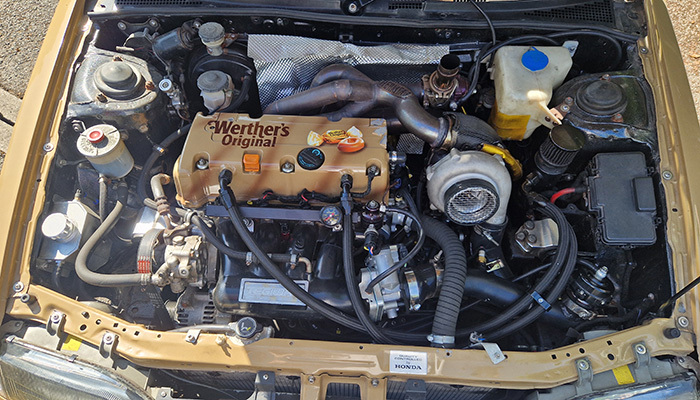
On a K-Swap, or aftermarket manifold setup, the downpipe or collector may run closer to the bulkhead, steering rack area, wiring or brake lines than the factory part did.
Decats and sports cats can change where underbody heat builds, especially around the tunnel and front floor area.
Turbo conversions can put heat much closer to radiator fans, plastic connectors, loom branches, coolant hoses and oil lines.
Track cars, drift cars and cars used for repeated pulls also spend longer at high exhaust temperature, so a missing shield that seems harmless on a short road drive can become a bigger issue during sustained use.
Final Recommendation
Inspect first. Identify the heat source, then identify the vulnerable part. If the shield protects anything important, repair or replace it. If the original shield cannot be refitted, use suitable alternative heat protection and recheck it after heat cycles.
If you are not sure what your heat shield protects, send Exoracing three photos: a wide shot showing the exhaust and shield location, a close-up of the failed fixing or rusted area, and a wider photo showing nearby fuel lines, brake lines, wiring, floor, tunnel, tank or plastic parts.
We can help point you towards the right heat protection product, whether that is a reflective sheet, exhaust wrap, heat sleeve or a replacement-style shielding solution.
Contact Exoracing for heat shield adviceRattling Heat Shield FAQs
Can I drive with a rattling heat shield?
You may be able to drive a short distance if the shield is only noisy and still secure, but inspect it as soon as possible. Do not keep driving if it is dragging, touching moving parts, touching the exhaust or near fuel, brake or steering components.
Can I remove a rattling exhaust heat shield?
Only after checking what it protects. Temporary removal may be sensible if it is hanging dangerously, but do not leave fuel lines, brake lines, wiring, plastic parts, the tank or cabin floor without needed heat protection.
Is a rattling heat shield dangerous?
The rattle is not usually the main danger. The risk is the shield falling, touching hot or moving parts, or leaving vulnerable components exposed to exhaust heat.
How much does it cost to fix a rattling heat shield?
A simple fixing or washer repair can be cheap. Replacement shielding, custom fabrication or labour on a difficult underbody area will cost more. The right answer depends on access, corrosion and what the shield protects.
What happens if I remove an exhaust heat shield?
If the shield only covered an outer section with nothing vulnerable nearby, there may be little immediate effect. If it protected the tank, lines, wiring, floor or plastic parts, temperatures around those parts can increase and create an avoidable risk.
Can I use exhaust wrap instead of a heat shield?
Sometimes, if the problem is radiant heat from a suitable exhaust section. Exhaust wrap does not replace every heat shield because some areas need physical separation, an air gap or protection for a specific nearby component.
Can I use reflective heat tape on the exhaust?
No. Reflective tape and sheet are suitable for surfaces facing radiant heat, not for sticking directly to exhaust pipework. Use exhaust wrap for suitable exhaust sections.
What should I do if my heat shield fell off?
Identify where it came from and what it protected. If it was near the fuel tank, fuel lines, brake lines, wiring, floor, tunnel or plastic parts, replace or restore heat protection before treating the job as finished.
Why does my heat shield only rattle at a certain RPM?
The loose shield may resonate at a specific engine or exhaust vibration frequency. That is why some heat shield rattles appear only when accelerating, idling or holding a certain rev range.
Should modified cars keep their heat shields?
Usually, yes, unless there is a better replacement heat management plan. Modified exhausts, manifolds, downpipes and turbo setups can increase radiant heat and reduce clearance, so shielding often becomes more important rather than less.
About the Author
I'm Matt, the owner of Exoracing Ltd, a UK-based performance parts brand specialising in heat management and performance parts.
Since 2018, Matt and the Exoracing team have helped enthusiasts and workshops choose practical heat protection for turbo cars, track cars, modified engine bays, fuel systems, wiring routes and oil line setups.