AN Hose and Fittings Guide: PTFE vs Rubber
Posted by Matthew Marks on 1st Aug 2024
AN Hose and Fittings Guide: Rubber vs PTFE vs Push Lock
Choosing the wrong AN hose or fitting can cause leaks, fuel smell, poor routing and a lot of wasted time. This guide explains which hose type to use, which fittings match it, and what to avoid when building fuel, oil, coolant or breather lines.
Written from our own product, install and customer support experience at Exoracing.
Shop AN Hose And FittingsAN hoses and fittings are used for custom fluid lines on modified cars, track cars and motorsport builds. They are commonly used for fuel systems, oil lines, coolant lines, breather setups, power steering, clutch lines and other fluid transfer jobs where a neat, serviceable and reliable line is needed.
The confusing part is that AN hose is not one single thing. Rubber braided hose, PTFE hose, and push lock hose all need different fittings. Some are better for ethanol fuel, some are easier to assemble, and some should not be used inside the car.
This refresh is here to make the choice clearer before you order parts. By the end, you should know which hose type you need, which fitting type matches it, how to assemble each style safely, and when heat protection is worth adding to the line.
The simple answer
Use rubber braided hose with swivel seal hose ends for flexible fuel, oil and coolant lines where ethanol content and cabin fuel vapour are not the main concern.
Use PTFE hose with PTFE hose ends for E85, race fuel, fuel lines inside the car, or any setup where fuel vapour control and chemical resistance matter more than maximum flexibility.
Use push lock hose with push lock fittings when you want the easiest assembly for suitable low-to-medium pressure fuel, oil or coolant lines, but check fuel compatibility and do not mix it with PTFE or swivel seal fittings.
- Do not mix hose and fitting types. Rubber hose uses swivel seal fittings, PTFE hose uses PTFE fittings, and push lock hose uses push lock fittings.
- PTFE is usually the best choice for high ethanol fuel, race fuel and fuel lines routed through the cabin.
- Rubber braided hose is usually more flexible and easier to route around tight engine bay spaces.
- Push lock hose is the easiest to assemble, but it is not the right answer for every fuel or high-pressure setup.
- Any hose routed near a manifold, turbo, downpipe or hot engine bay area should be checked for clearance and protected where needed.
What Does AN Mean?
AN is a sizing and fitting system used for fluid lines. In the modified car world, AN fittings are popular because they make custom lines easier to build, remove, replace and route neatly.
Instead of relying on old rubber hose and worm-drive clips everywhere, you can build a measured line with matching hose ends and threaded fittings.
You will see sizes such as AN04, AN06, AN08, AN10 and AN12. As a simple rule, the larger the AN number, the larger the hose and fitting size. The correct size depends on the system you are building, the flow required, the fittings already on the car, and the space available for routing.
Which AN Hose Type Should You Use?
Most customers asking about an AN hose are trying to solve one of three problems: replacing old perished lines, building a custom fuel or oil system, or making an engine bay safer and neater. The right hose depends on fluid type, pressure, routing, heat, ethanol content and whether the line is inside or outside the cabin.
Good for many fuel, oil and coolant jobs where flexibility matters and the line is not being routed inside the car as a fuel line.
PTFE is more resistant to fuel vapour and high ethanol content, but it is usually less flexible than a rubber braided hose.
Useful where the hose and fitting are suitable for the pressure, fluid and routing. It is not a universal replacement for PTFE or braided rubber.
Braided rubber AN hose
Braided rubber AN hose is a common choice for fuel, oil and coolant lines because it is flexible and routes nicely around engine bay components. It is often easier to work around tight bends than PTFE hose, especially on compact engine bays where the line has to pass around brackets, chassis legs or other parts.
The important rule is that rubber braided hose must be used with the correct swivel seal hose end fittings. Do not use PTFE fittings on rubber braided hose. They are designed differently and will not seal in the same way.
We would avoid routing a rubber fuel hose through the inside of the car because fuel vapour can pass through some rubber hose constructions over time. If you are building an in-cabin fuel line or a motorsport fuel system using high ethanol content, PTFE is usually the better choice.
PTFE AN hose
PTFE hose has a PTFE inner liner and is usually the safer choice for high ethanol fuels, race fuel and fuel lines inside the cabin. It helps reduce fuel vapour issues and gives better chemical resistance than a typical rubber line.
PTFE hose must be used with PTFE hose ends. These use an olive-style insert that crushes and seals the hose correctly. You cannot reuse the logic from a rubber swivel seal fitting and expect it to seal properly.
The trade-off is routing. PTFE hose is usually stiffer than rubber braided hose, so you need to plan the route, bend radius and fitting angles before cutting. On a tight engine bay, a 45-degree or 90-degree fitting may make the job cleaner than forcing a straight fitting into a poor route.
Push lock AN hose
Push lock hose is the easiest of the three styles to assemble. You can usually cut it with hose cutters and push the correct push lock fitting into place. That makes it appealing for simple fluid line jobs where the hose, fitting, pressure and fluid compatibility all match.
The mistake is treating push lock as a shortcut for every setup. Always check whether the hose is suitable for the fuel, pressure and location. For high ethanol fuels, cabin fuel lines or more demanding fuel systems, PTFE is normally the safer route.
Recommended AN Hose And Fitting Options
Once you know the hose type, the next step is matching it to the correct fitting. The products below are grouped by the job they solve, not just by how they look.
 Exoracing AN Black Nylon Braided Hose 1.0m
Flexible rubber braided hose for fuel, oil and coolant line routing.
From £19.99
 Exoracing AN Stainless Steel Braided Hose 1.0m
Rubber braided hose with a stainless outer braid for extra abrasion resistance.
From £21.99
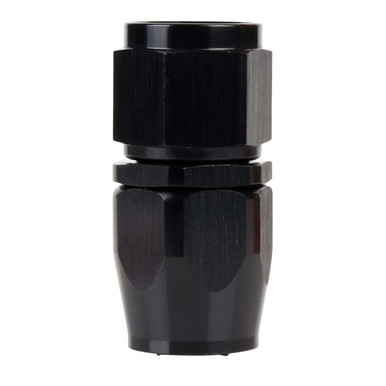 AN Swivel Seal Hose End Fitting AN04-AN20
Matching swivel seal hose end for rubber braided AN hose assemblies.
From £5.99
PTFE Hose For E85, Race Fuel, and Cabin Fuel Lines
If you are building a fuel system for E85, high ethanol fuel, race fuel or an in-cabin fuel line route, PTFE should be high on your list. It is not just about pressure. Fuel vapour, chemical resistance and scrutineering expectations matter too.
PTFE also needs more care during assembly. The olive, liner and hose end need to seat correctly. If the olive is reused, damaged or not installed properly, the line may not seal as intended.
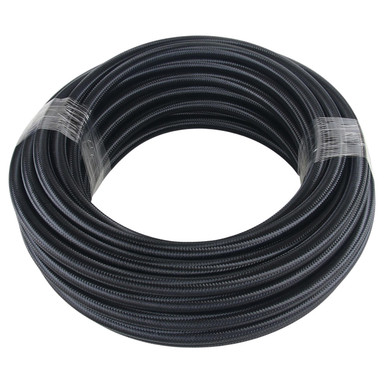 Exoracing AN Ptfe Black Nylon Braided Hose 1.0m
PTFE-lined hose with black nylon braid for fuel, oil and coolant line builds.
From £9.90
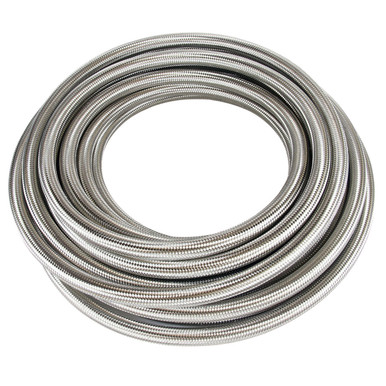 Exoracing AN Ptfe Stainless Steel Braided Hose 1.0m
PTFE hose with stainless braid for areas where rubbing or abrasion is a concern.
From £9.99
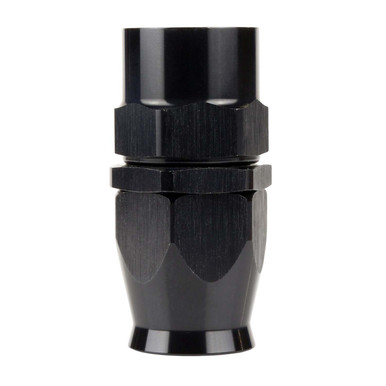 AN Ptfe Full Flow Hose End An04-An12
Matching PTFE hose end for PTFE braided hose assemblies.
From £9.99
How To Match AN Hose To The Correct Fitting
This is where most mistakes happen. A fitting can be the correct AN size and still be the wrong fitting style for the hose. The sealing method is different between rubber braided hose, PTFE hose, and push lock hose.
The hose seats into the socket, and the fitting tightens down to seal the rubber hose correctly.
The olive seals against the PTFE liner. Do not use rubber hose ends on PTFE hose.
The fitting barb is designed to grip the matching hose. Check whether a clamp is required for your application.
How To Assemble AN Hose Without Leaks
The exact assembly method depends on the hose type, but the same principles apply: measure twice, cut cleanly, keep debris out of the hose, use the correct fitting and pressure test or inspect the line before trusting it on the car.
Watch: In our AN hose assembly video, we show how different hose and fitting styles go together so you can see the difference before building your own line.
Cutting braided hose
For braided hose, wrap masking tape around the cut point to help stop the braid from fraying.
A 1mm cutting disc gives a cleaner cut than crushing the hose with the wrong tool.
After cutting, always check inside the hose for swarf or loose material.
Assembly tools that make the job cleaner
You can assemble lines with basic tools, but AN vice jaws and an AN spanner make it easier to hold fittings securely without chewing up the finish.
They also help keep the fitting straight while you tighten it, which reduces the chance of thread damage.
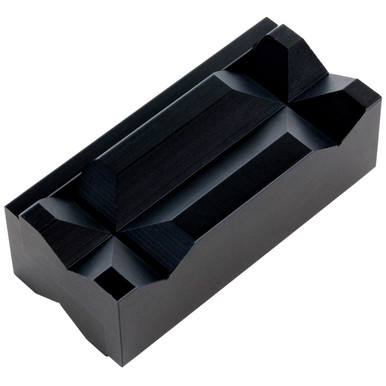 Exoracing Magnetic AN Vice Jaws 6061 Billet Aluminium
Holds aluminium AN fittings securely while reducing the risk of marking them.
From £39.99
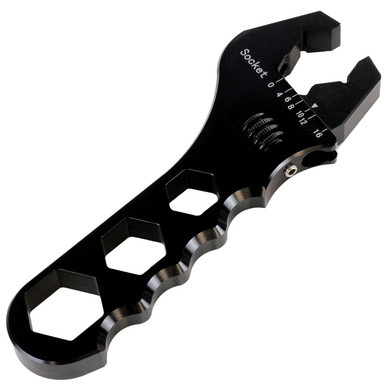 Exoracing Adjustable AN Wrench Spanner AN03-AN16
Adjustable aluminium AN spanner for tightening fittings with less risk of damage.
From £49.99
Do AN Lines Need Heat Protection?
AN lines do not automatically need a heat sleeve, but routing matters. A fuel line, oil line, clutch line, brake line or coolant hose routed close to a turbo, manifold, downpipe or screamer pipe is exposed to radiant heat. Over time, that heat can make routing, material choice and protection much more important.
Our order of thinking is simple: identify the heat source, identify the vulnerable line, improve the route and clearance first, control the heat source where possible, then protect the line if it still sits near heat.
Heat sleeve is not a substitute for proper clearance if the hose is touching a manifold, turbo or downpipe.
Heat sleeve is suitable for fuel lines, oil lines, coolant hoses, brake lines, clutch lines and wiring.
A turbo blanket or exhaust wrap may reduce the radiant heat reaching nearby AN lines, depending on the setup.
 Exoracing Silicone Fibreglass High Temperature Heat Sleeve 0.5m
Protective sleeve for hoses, wiring and AN lines routed near the engine bay heat.
From £14.99
Common AN Hose And Fitting Mistakes
Using PTFE fittings on a rubber hose
This is one of the most common mistakes. PTFE fittings and rubber swivel seal fittings seal differently. Match the fitting to the hose construction, not just the AN size.
Choosing hose by colour instead of application
Black nylon, stainless braid and coloured push lock hose can all look good, but the fluid, pressure, ethanol content and routing matter more. Choose the hose construction first, then choose the finish.
Forcing a tight bend instead of changing the fitting angle
If the hose is kinked, pulled tight or under constant tension, the line is not routed properly. Use a different fitting angle, reroute the line or add length rather than forcing the hose into a bad position.
Leaving swarf inside the hose
After cutting the braided hose, check and clean the inside of the line. Loose braid or debris can damage threads, block components or contaminate the fluid system.
Using a heat sleeve to hide a routing problem
Heat sleeve protects lines from nearby heat, but it should not be used to cover a leaking hose, damaged line or hose touching a hot exhaust part. Fix the root issue first.
When Not To Use AN Hose
AN hose is not always the first fix. If a standard replacement hose is cheaper, safer and already designed for the job, it may be the better choice for a simple road car repair. AN lines make the most sense when you need custom routing, serviceability, a motorsport-style fuel system, upgraded oil lines, custom coolant lines or a tidy engine bay layout.
Do not use an AN hose to cover up a damaged system. If the pump, regulator, rail, cooler, thread adapter or routing is wrong, fitting a nicer hose will not solve the real problem. Build the system around the correct components first, then use an AN hose and fittings to connect it properly.
Useful Next Guides
If you already know which hose type you are using, the next step is learning how to assemble it correctly. Our rubber braided AN fitting installation guide shows the swivel seal method in more detail, while our PTFE AN fitting installation guide shows the olive-style PTFE assembly process.
For a real system example, our Honda Civic EP3 fuel return system guide shows how an AN hose, fittings and fuel system parts work together on a proper build. If your lines pass near hot areas, our guide to protecting wiring and lines from engine bay heat is worth reading before final routing.
AN Hose And Fittings FAQs
Can I use PTFE fittings on rubber braided hose?
No. PTFE fittings are designed for PTFE hose and use an olive-style sealing method. Rubber braided hose needs the correct swivel seal hose end fitting.
Is PTFE hose better than rubber braided hose?
PTFE is better for E85, race fuel and fuel vapour control, especially inside the cabin. Rubber braided hose is usually more flexible and can be easier to route in tight engine bays.
Can an AN hose be used for coolant?
Yes, suitable AN hose can be used for coolant systems, but you must choose a hose and fitting combination rated for the fluid, temperature, pressure and routing of the system.
Can I run a rubber fuel hose inside the car?
We would normally choose PTFE for fuel lines inside the car because it is better for fuel vapour control. Always check the rules for your use case if the car is used in motorsport.
Do I need stainless braided hose or nylon braided hose?
Stainless braid is useful where abrasion resistance matters. Nylon braid is often chosen when flexibility and a black finish are preferred. The correct inner hose type still matters more than the outer appearance.
What is the easiest AN hose to assemble?
Push lock hose is usually the easiest to assemble, but it must still be suitable for the pressure, fluid and location. Do not choose it only because it is easier if PTFE or braided rubber is the correct option.
Should I use a heat sleeve on AN fuel lines?
Use a heat sleeve if the line is routed near radiant heat from a turbo, manifold, downpipe or other hot part. Do not use a heat sleeve to hide poor routing, touching exhaust parts, leaks or damaged hoses.
Conclusion: Choose The Hose First, Then The Fitting
The safest way to build AN lines is to start with the application. Work out the fluid, pressure, ethanol content, route, heat exposure and whether the line runs inside the car. Then choose the hose type. Only after that should you choose the fitting style and angle.
For most simple engine bay lines, a rubber-braided hose is flexible and practical.
For high ethanol fuel and cabin fuel lines, PTFE is usually the better choice. For simple, suitable systems where easy assembly matters, a push lock can be useful. Whichever route you choose, do not mix fitting types, do not ignore heat, and always check the line before using it on the car.
Shop AN Hose And FittingsAbout the Author
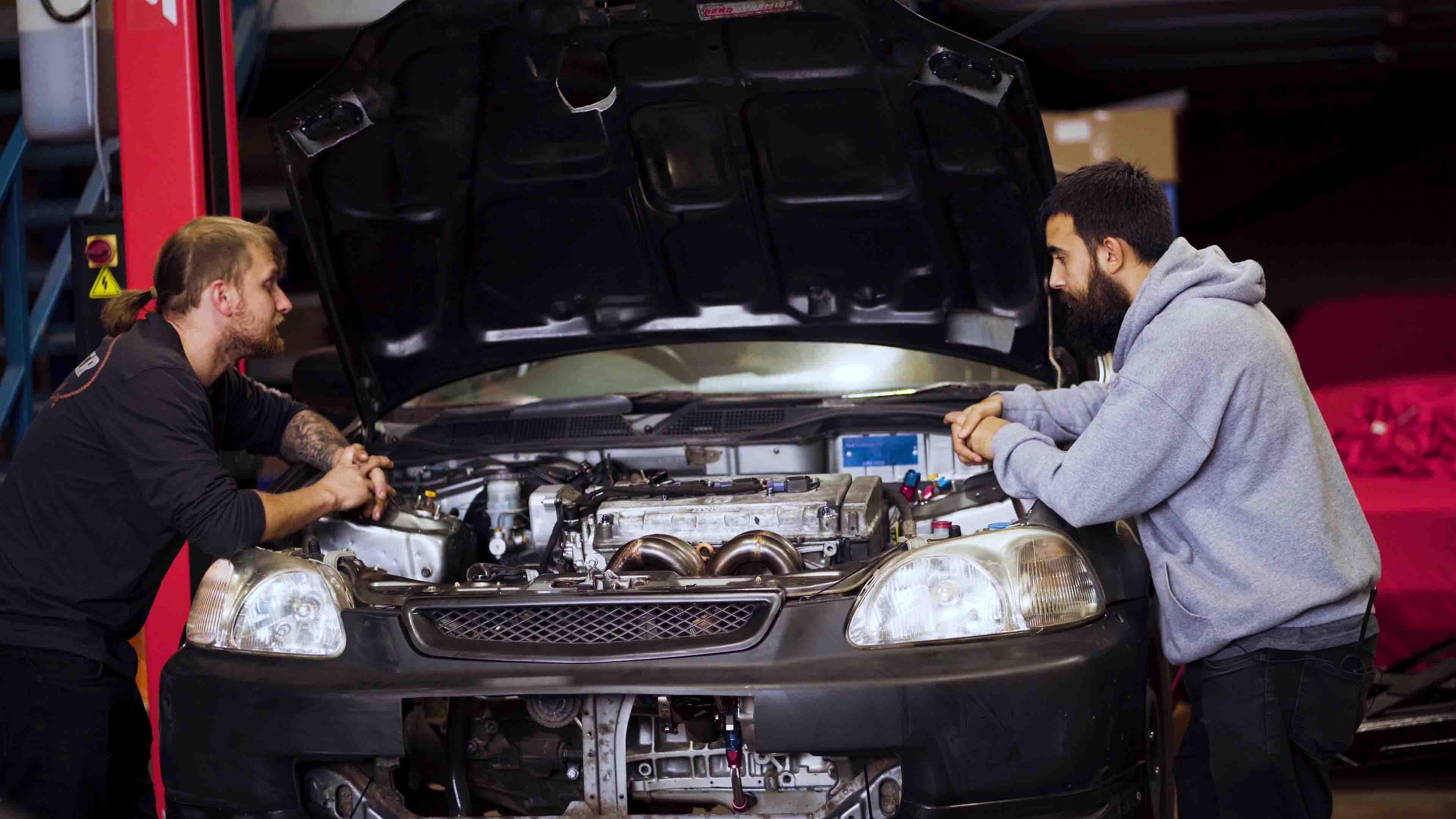
Exoracing is a UK-based performance parts and heat management specialist.
Since 2018, we have helped enthusiasts and workshops choose parts for turbo builds, fuel systems, cooling systems, exhaust heat control and custom engine bay setups. Our guides are based on the products we sell, the builds we work around and the questions customers ask before ordering.