
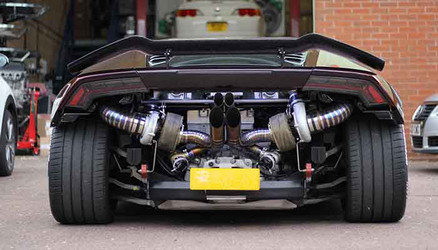
What Is Automotive Heat Management?
Posted by Matthew Marks on 3rd Dec 2025
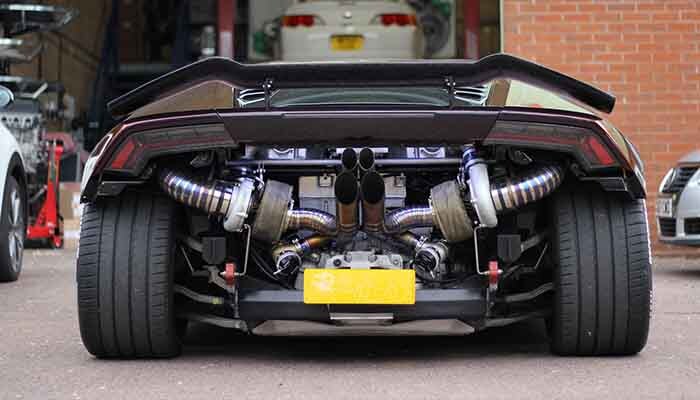
Ever popped your bonnet after sending it at 9k and thought, "Why does it feel like the engine bay's about to melt?" If so, you're not alone. Excessive heat under the bonnet isn't just uncomfortable, it can sap your car's performance and even lead to long-term damage.
I'm Matt, owner of Exoracing, and since 2018, we've been building and testing performance cars and helping thousands of customers tackle heat issues. From turbocharged road cars to full-on race builds, we've seen what actually works to keep temperatures in check and what doesn't.
By the end of this guide, you'll know precisely what automotive heat management is, why it's critical, and how to control your engine bay temperatures to protect vital components and improve reliability. All without high-cost components or specialised tools.
We'll cover what heat management means, why excess heat hurts performance, how heat affects everyday cars versus performance race cars, and some simple ways to keep temperatures in check (from exhaust wraps and turbo blankets to reflective tape and airflow tweaks). Let’s get started!
This guide is brought to you by Exoracing, the UK specialists in heat management and performance parts. Shop Heat Protection Parts →
- Understand what "heat management" means for your car and why it's crucial.
- Learn how excessive engine bay heat can reduce power and damage components.
- See why even daily-driven cars benefit from heat protection (not just race cars).
- Discover simple upgrades that help keep temperatures in check.
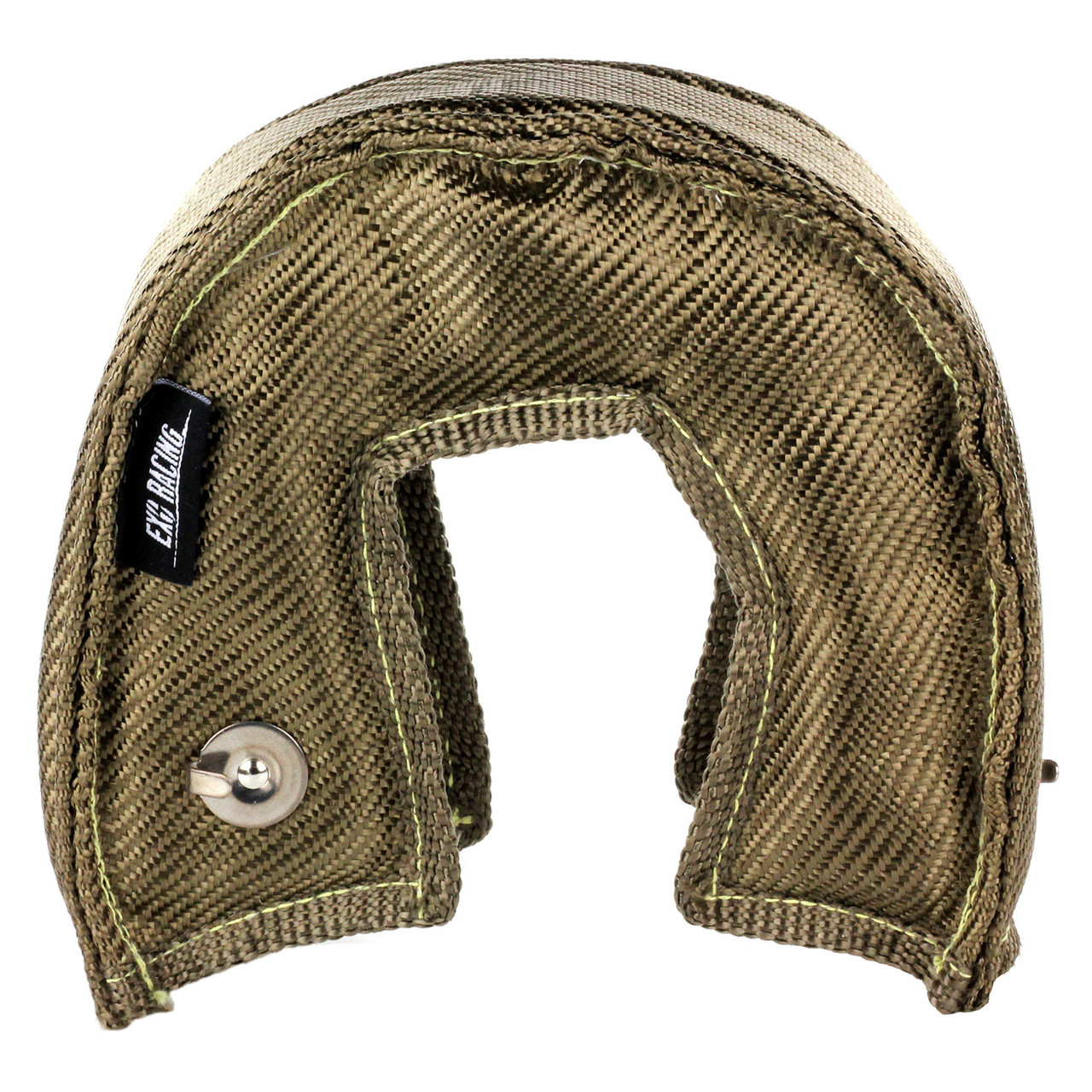 Exoracing Turbo Blanket V3
Control turbo heat at the source and lower radiant heat in the engine bay
From £119.99
 Exoracing Exhaust Wrap
Wrap manifolds and downpipes to keep more heat inside the exhaust
From £24.99
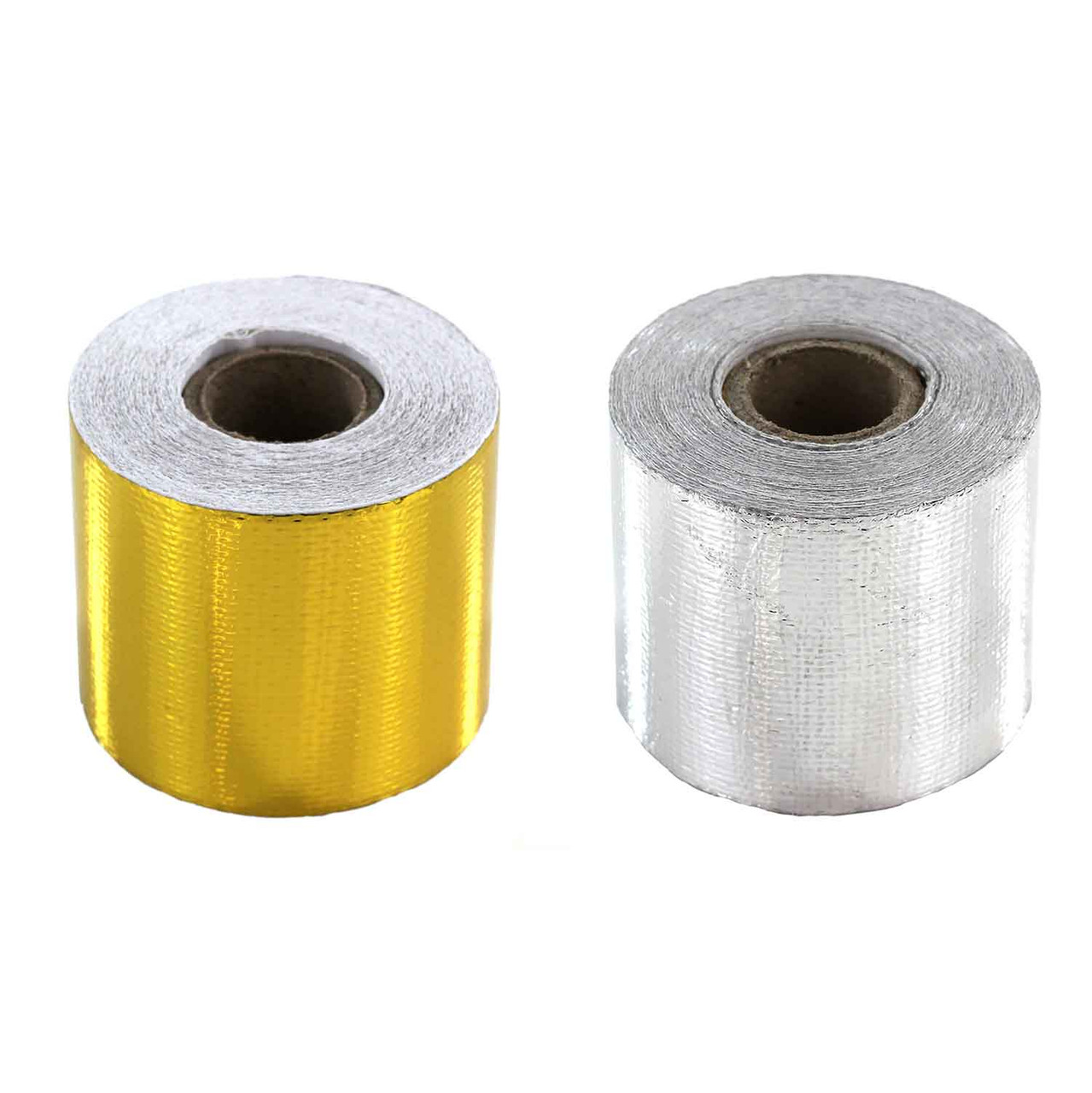 Gold & Silver Heat Reflective Tape
Great for intake pipes, bulkheads, bonnets and nearby hot surfaces
From £29.99
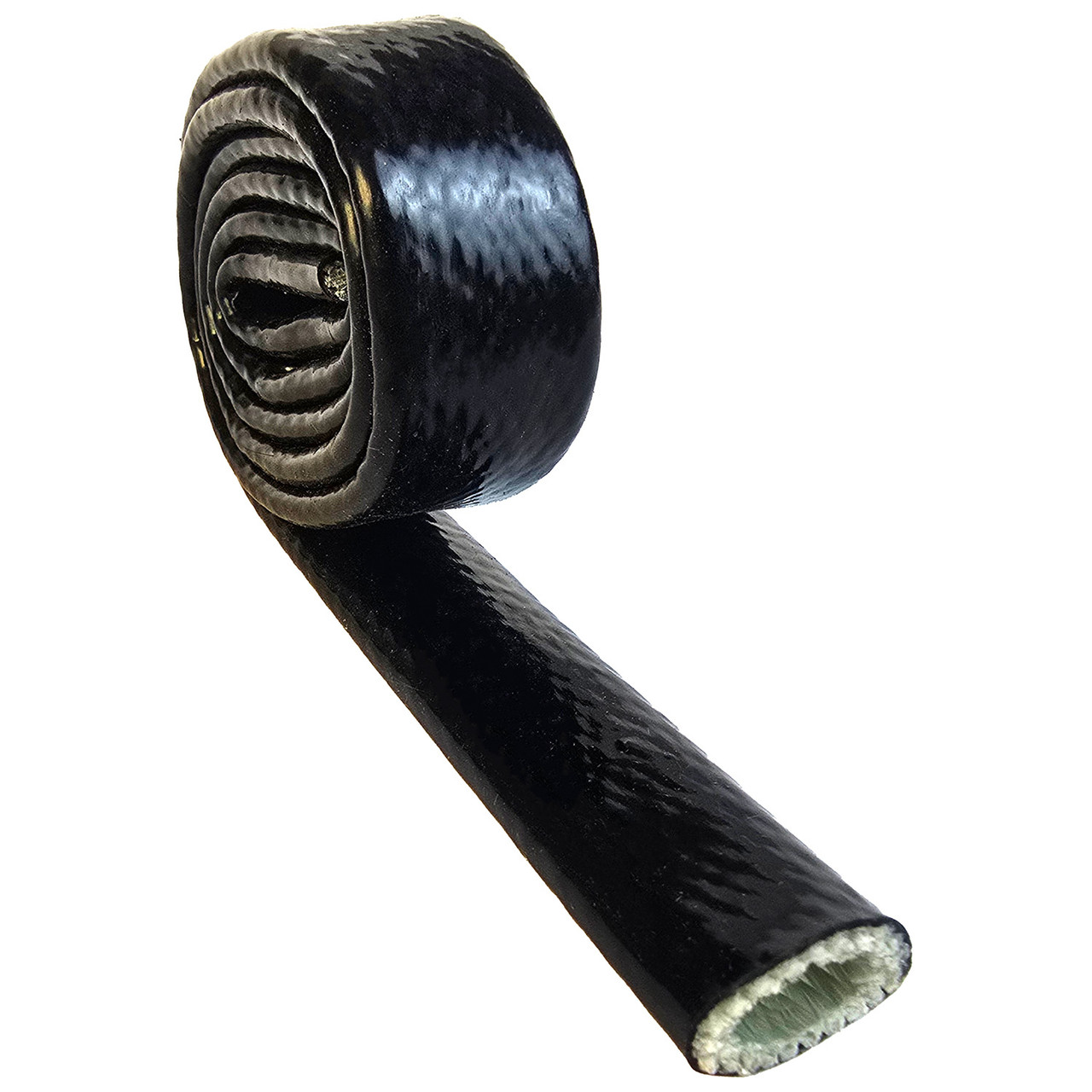 Silicone Fibreglass Heat Sleeve
Protect hoses, lines and wiring that run close to the hot side
From £14.99
What Is Automotive Heat Management?
Automotive heat management refers to techniques and products used to control and direct heat within a vehicle, particularly around the engine and exhaust.
The goal is to keep heat where it’s useful (inside the exhaust system, for example) and away from areas where it could cause problems. In simple terms, it’s about controlling where heat goes and directing it so your car runs optimally and vital components aren’t overheated.
Every car generates a lot of heat. Your engine produces heat when it runs, and the exhaust can glow red-hot as the exhaust gases exit the engine.
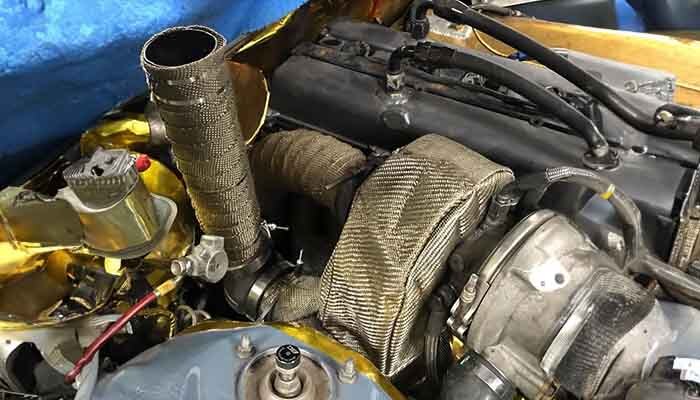
Without proper heat management, this heat builds up under the bonnet, raising the temperature of everything beneath it. That’s why manufacturers include cooling systems and basic heat shields to reduce heat. But often, it’s not enough, especially if you drive hard or have a modified performance car.
This is where aftermarket heat management comes in. It includes things like insulating hot parts (to reduce radiant heat), shielding sensitive parts, and improving/directing airflow.
For example, wrapping an exhaust manifold or fitting a turbo blanket helps contain heat at the source, while reflective tape on hoses or firewalls helps deflect heat away. In short, heat management is the extra step we should all take to keep engine bay temperatures under control beyond what the stock setup can do.
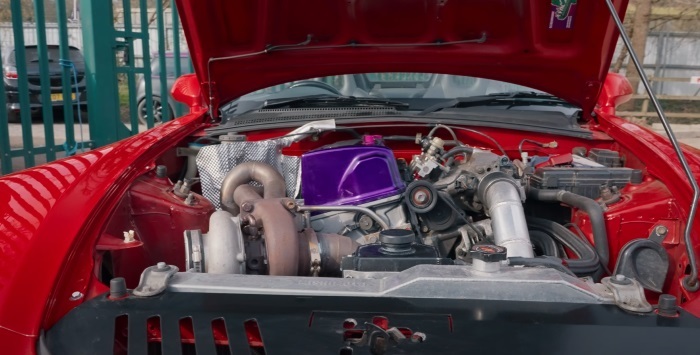
One good example here is our friend Sam, who has a K-Swapped turbo Honda S2000. He was struggling with temperatures as his custom exhaust manifold was melting his brake master cylinder.
We evaluated all available options, and he decided to go with one of our Exoracing aluminium embossed heat shield barriers to create a physical barrier between the exhaust manifold and the master cylinder. This totally solved the problem, so we didn't need to pursue it further.
Why Excess Heat Hurts Performance
Heat is by far the biggest enemy of engine performance. When your engine bay gets hot, the air going into your engine becomes less dense (hot air carries less oxygen).
If you’ve ever noticed your car feels more sluggish on a scorching summer day or after sitting in traffic, it’s because the intake is sucking in hot air.
In turbocharged cars, this is much more of an issue where excessive under-bonnet heat can also cause the intercooler and intake piping to heat-soak, further raising intake air temperature and reducing power.
This means each combustion cycle makes less power due to how ECUs pull back ignition timing when the intake air temperature is too high (we will cover this in depth in a future blog).
Excess heat will cause your engine’s control unit to dial back performance for safety. Modern ECUs will retard timing or enrich the fuel mixture when intake temps soar, to prevent knocking (pre-detonation) and engine damage. That protects the engine, but you’ll feel the cost in lost horsepower.
High heat isn’t just a performance issue; it’s a reliability issue. Constantly high, baking-hot temperatures under the bonnet can degrade plastics and rubber: wiring looms can become brittle, connectors melt, and vacuum or coolant hoses can crack or burst.
Sensors and electronic components may start misreading or fail if they’re constantly overheated. Even fluids like oil and coolant can be stressed by sustained high heat, reducing their effectiveness and potentially breaking down their composition if they get superheated.
In extreme cases, overheating can lead to catastrophic failures (blown head gaskets, warped cylinder heads, or turbocharger damage). Even if you avoid a total failure, all that heat ages your components faster.
Put simply, an overheated engine bay can turn your reliable ride into a ticking time bomb of potential repairs and lost horsepower.
This is why keeping heat in check is so important. By managing temperatures, you not only maintain stronger performance but also protect your car’s longevity.
It’s far cheaper and easier to prevent heat-related problems than to fix a broken engine or fried wiring later on!
Everyday Cars vs. Race Cars: Who Needs Heat Management?
It’s easy to assume that only high-powered race cars need special heat management. After all, race and track cars generate extreme heat and absolutely require things like huge radiators, oil coolers, and extra heat shielding to survive lap after lap.
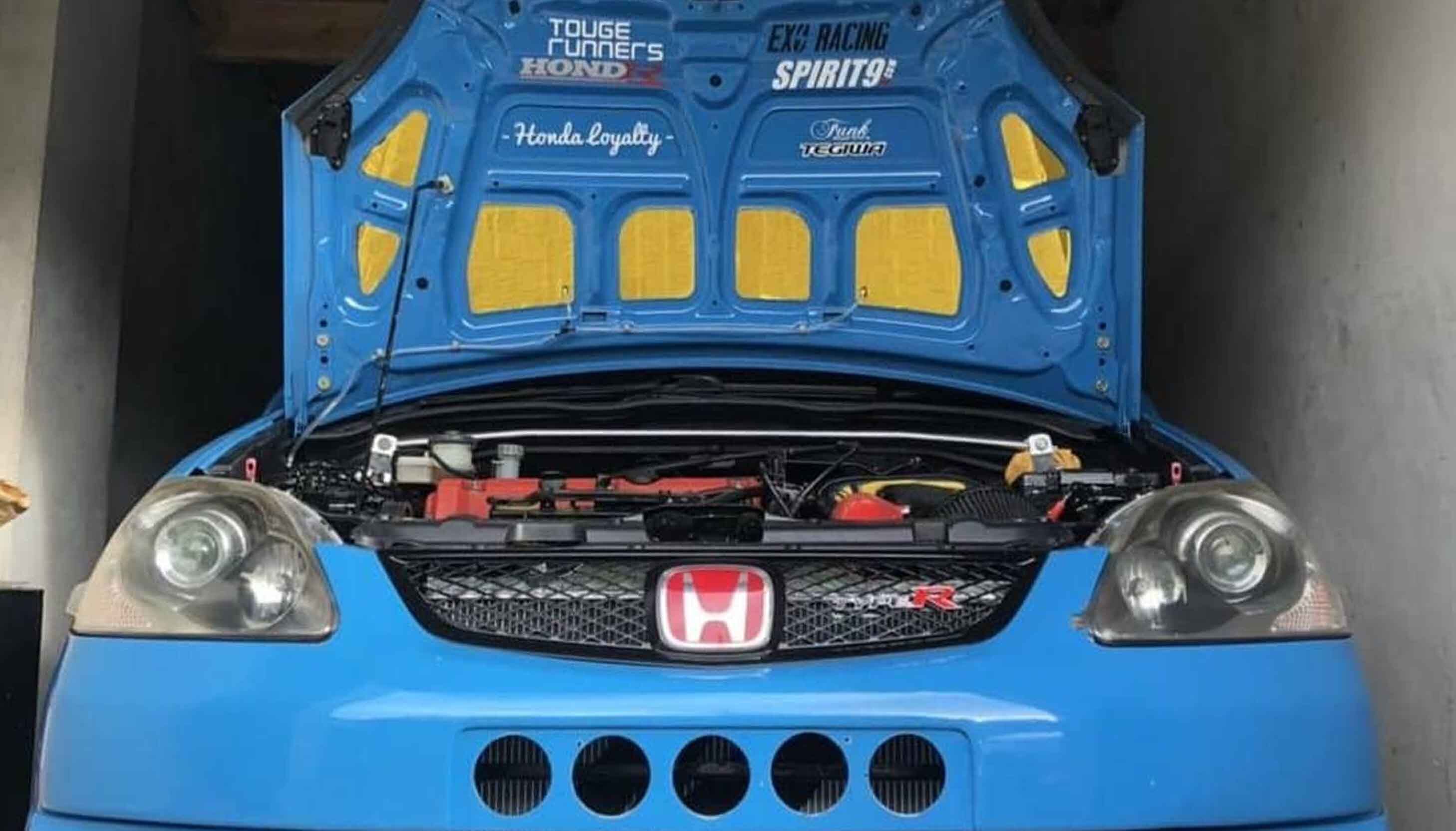
If you look into a professional race car’s engine bay, you’ll see turbo blankets, insulated exhausts, and gold foil reflecting heat away, which are all necessary to handle the abuse of competition.
High-performance builds push engines to their limits, and without added heat protection, they would overheat or suffer damage very quickly.
But what about your daily driver or weekend cruiser?
The truth is, heat management matters for every car, not just 1000 bhp monsters. Yes, normal streetcars are designed from the factory to remain within safe temperature limits under average conditions.
They have stock heat shields (like the factory metal shield over your exhaust manifold or turbo) and an engine cooling system sized for everyday driving.
However, in real-world use, you can still run into heat issues. Stop-and-go traffic on a hot day can heat up your engine bay.
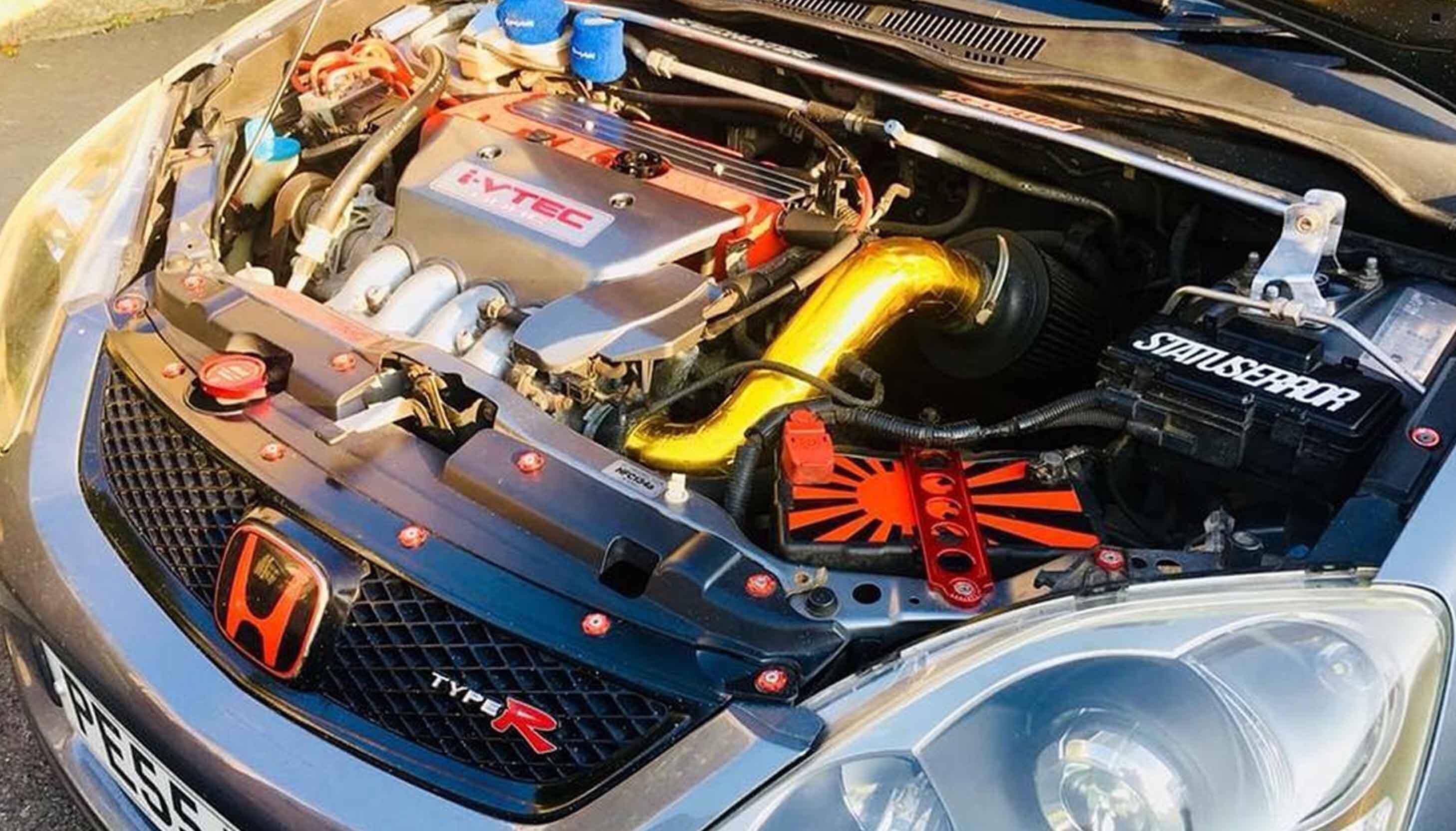
A spirited drive through backroads or a steep hill climb can raise temperatures above usual levels. And if you’ve added any power upgrades or tuning, your car is now producing extra heat that the stock cooling and shielding might struggle to handle.
Even if your car isn’t overheating, excess under-bonnet heat takes a toll over time.
The plastic intake airbox, the battery, the ignition coils, and countless other parts will all run hotter and wear out sooner.
Ever notice how some cars have peeling paint on the bonnet or faded plastic near the engine? That’s heat at work, too. By adding a bit of heat management (the kind of simple upgrades we’ll discuss below), you can keep your daily driver running cooler and more efficiently.
Think of it as cheap insurance; a little investment in basic heat management can save you from headaches down the road, whether you drive a track toy or a daily driver.
4 Simple Ways to Control Heat in Your Car
You don’t need an aerospace engineering degree to manage your engine bay heat. In fact, there are several straightforward upgrades and techniques that can dramatically reduce temperatures. Here are some of the most effective ways to keep heat under control:
1. Wrap Your Exhaust Manifold
Exhaust wrap is a heat-resistant tape (often made from fibreglass or titanium fibres) that you wrap around your exhaust manifold or turbo downpipe. It’s one of the most proven ways to cut down under-bonnet temperatures.
By insulating the exhaust pipes, the wrap keeps the scorching heat inside the exhaust flow instead of radiating out into your engine bay. This not only lowers the surrounding temperature but can also improve exhaust gas flow (hotter gases flow faster), giving a slight performance boost.
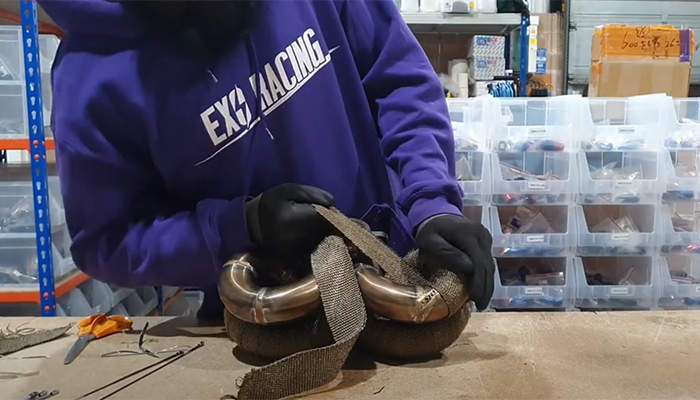
We’ve seen great results from wrapping exhaust manifolds on both turbo and naturally aspirated cars.
The entire engine bay becomes cooler to the touch, which means nearby components like intake pipes, sensors, and your bonnet paint aren’t getting heat-soaked.
We recommend using a high-quality wrap like the Exoracing Titanium Exhaust Wrap, as it’s designed to handle extreme temperatures and last.
Exoracing Titanium or Carbon Exhaust Wrap
Keep exhaust heat in the manifold and out of the engine bay, where it can melt components.
From £24.99
Turbo Blanket V3
Pair it with an exhaust wrap on turbo setups for a stronger overall heat barrier
From £119.99
When installing, wrap tightly with overlap and secure it with stainless ties for best results.
If you want to learn how to install exhaust wrap and the best methods, click the link here or watch the video below.
→ Shop Exhaust Wrap
2. Use a Turbo Blanket
If your car is turbocharged, a turbo blanket is a must-have for heat control.
Turbochargers get incredibly hot (the exhaust side of the turbo can glow red-hot under hard use).
A turbo blanket is a custom-fit insulating jacket that wraps around the turbo’s hot side. Its job is to keep that heat inside the turbo and exhaust, rather than letting it radiate out.
The immediate benefit is a cooler engine bay; wires, hoses, and air intakes near the turbo will be exposed to far less heat.
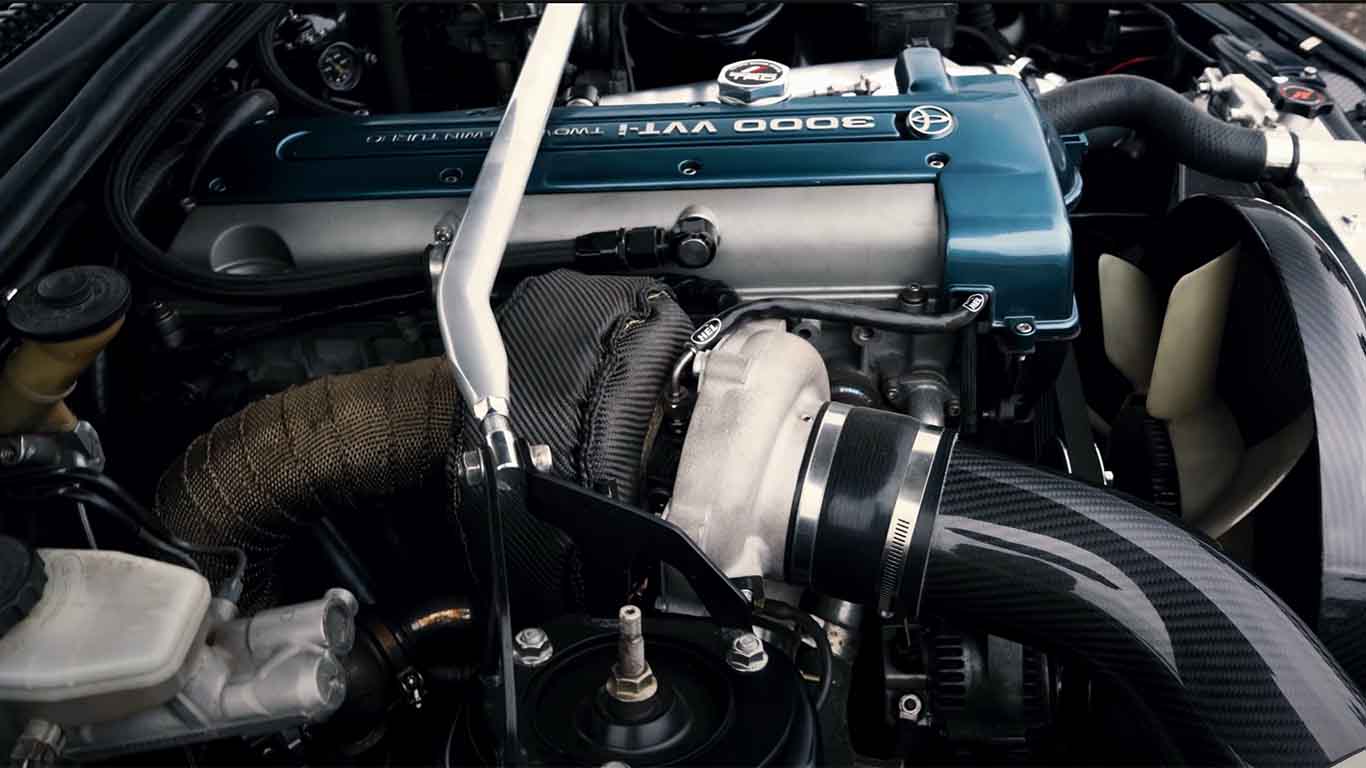
There are performance gains here, too. Keeping more heat in the turbo helps it spool up slightly faster (since hot exhaust gas maintains velocity), which can improve turbo response.
And by cutting radiant heat, the intake charge air stays cooler and denser, giving you more power. We often say a turbo blanket is among the first upgrades for a modified turbocharged car. It’s simple but very effective.
We recommend the Exoracing Turbo Blanket for its high-temperature materials, construction and perfect fit. It also helps that we have a lifetime warranty on them! It’s a quick install that yields instant results. Lower under-bonnet temps and a happier, more efficient turbo.
3. Shield Components with Reflective Tape and Sleeving
Not all heat management is about keeping heat in, sometimes it’s about keeping heat away. That’s where reflective heat tape and heat sleeves come in. Heat-reflective tape (often with a gold or silver foil outer layer) can be applied to surfaces to reflect radiant heat.
For example, you can wrap fuel lines, wiring harnesses, or the underside of your intake airbox with reflective tape to shield them from a nearby exhaust or engine block. This helps prevent those parts from soaking up excessive heat.
Heat sleeving works on the same principle, but is like a tube or sleeve that you slide over hoses and wires.
It’s great for spark plug wires, radiator hoses near the exhaust, and turbo oil feed lines. By adding a heat-reflective sewn or Velcro sleeve, you’re providing those components with an extra layer of protection against ambient and radiant heat.
We'll add a photo here of our own turbo Civic back when it was Front Wheel Drive. We used reflective tape on the intercooler piping, which dropped our temperatures on the dyno when we went for mapping.
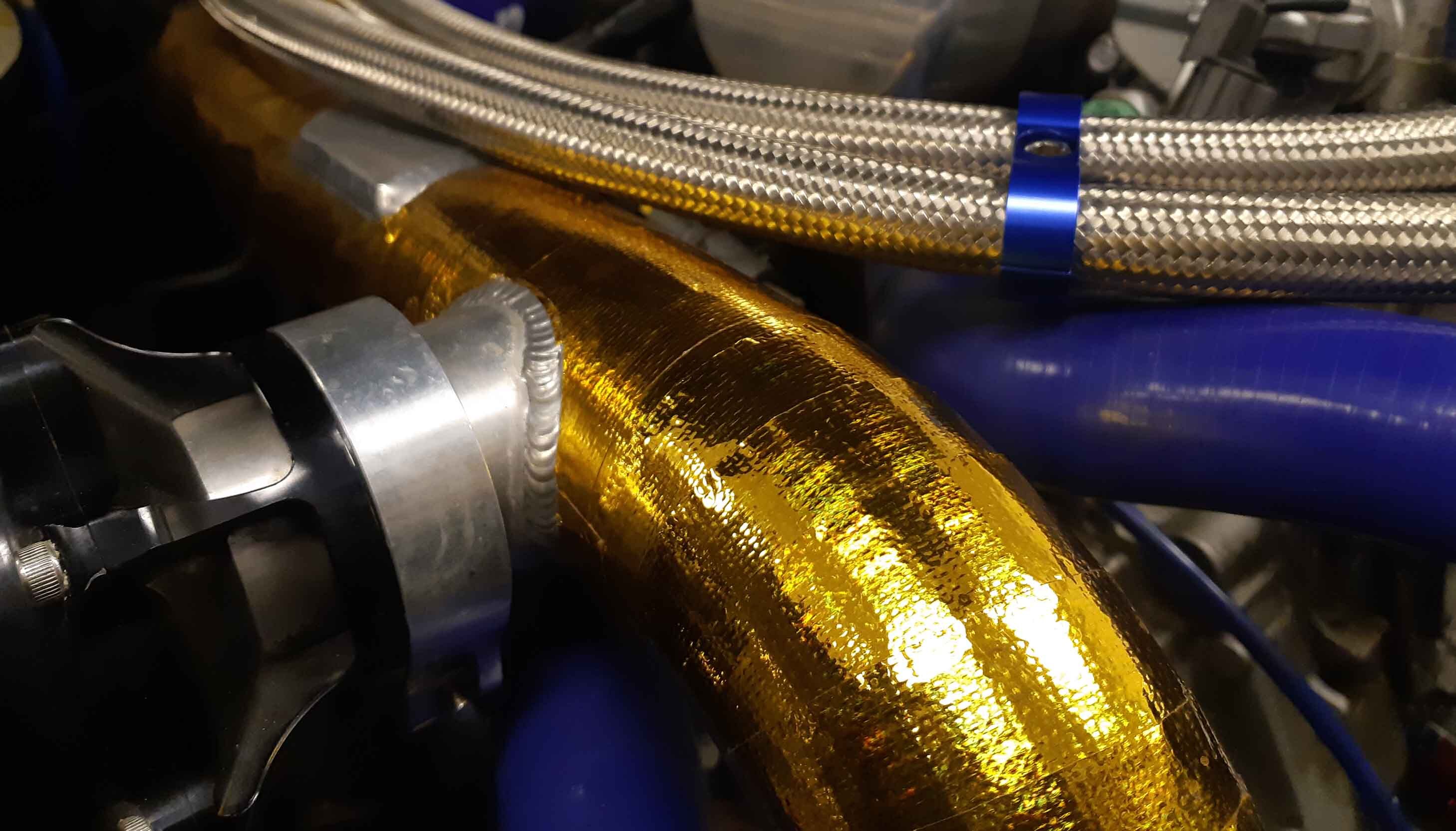
We actually opted for water methanol as well, but due to how the mixture was set up and the size of the jet we had, it was actually a bigger temperature drop just using the reflective tape rather than both combined.
These solutions are especially useful on everyday cars where certain wires or plastic parts run uncomfortably close to hot spots.
A little bit of reflective insulation can go a long way. For instance, using Exoracing Reflective Gold Tape on the firewall or underneath an intake plenum can noticeably reduce the heat transfer to those parts.
Gold & Silver Heat Reflective Tape
Use on intake pipes, bulkheads, bonnets and hot nearby panels
From £29.99
Silicone Fibreglass Heat Sleeve
Best for hoses, oil lines, brake lines and cables near the hot side
From £14.99
 Gold & Silver Velcro Heat Sleeve
Ideal for already installed lines where you want a simple wrap-around fitting
From £14.99
The result? Cooler air is entering the engine and the longer-lasting components. Installation is as easy as peel-and-stick (just ensure the surface is clean and dry). Likewise, slipping a heat sleeve over a vulnerable hose is a quick job that can prevent heat-related failures down the line.
If you are unsure of how to install reflective tape, then watch our video below.
4. Improve Under-Bonnet Airflow
Hot air rises, and if it’s trapped in your engine bay, it will keep everything roasting. Improving airflow and ventilation under the bonnet helps purge hot air and bring in cooler air. One simple method is installing a vented bonnet or adding bonnet vents.
These allow heat to escape upward rather than build up. If a new bonnet isn’t in the budget, even removing the rear weatherstripping on the bonnet can create a gap for hot air to flow out near the windshield (an old trick many tuners use).
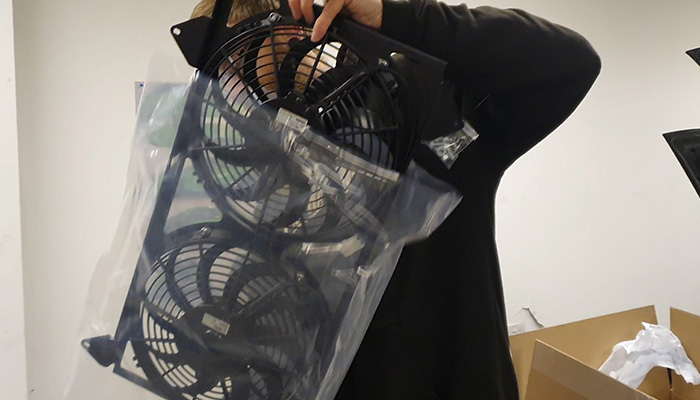
Another aspect is ensuring your cooling system and fans are up to the task. Upgrading to higher-performance radiator fans, such as SPAL Automotive, or adding an oil cooler can indirectly reduce under-hood temperatures by keeping the engine cooler.
We usually go towards the high-flow fan option first, as if you can keep your coolant temperature in check, it has a knock-on effect on the engine bay. The radiator hoses are cooler, the block will become cooler, and the ambient temperatures in the engine bay will dissipate quickly.
On turbo cars, a front-mount intercooler upgrade can help keep intake air temps down, which means the engine bay won’t get as heat-soaked from the charge pipes.
Front-mount intercoolers work by cooling the air that has already been compressed by the turbo. This air is now already colder, going directly into the engine, which will make more power than if you have an intercooler in the engine bay, for example (because of heat soak and not enough cold airflow).
Don’t forget about airflow while driving: something as simple as an aftermarket air intake that draws air from a cooler spot (e.g., inside front wings) instead of hot engine bay air can help your engine run cooler.
And after a hard drive, popping the bonnet for a few minutes can bleed off heat quickly (just be careful, things will be hot!).
The bottom line: letting heat escape and cool air circulate makes a big difference. Combined with insulation and shielding, good airflow is the cherry on top of your heat management strategy.
Why Don’t They Add More Heat Protection From The Factory?
If heat wraps and blankets are so great, you might wonder why car manufacturers don’t install them from the factory.
The answer comes down to cost, complexity, and trade-offs. Car manufacturers design cars to meet the needs of the average driver at the lowest feasible cost.
Specialised heat-management materials, such as titanium exhaust wraps or gold reflective tape, are relatively expensive and usually unnecessary for a grocery-getter car to last through its warranty period.
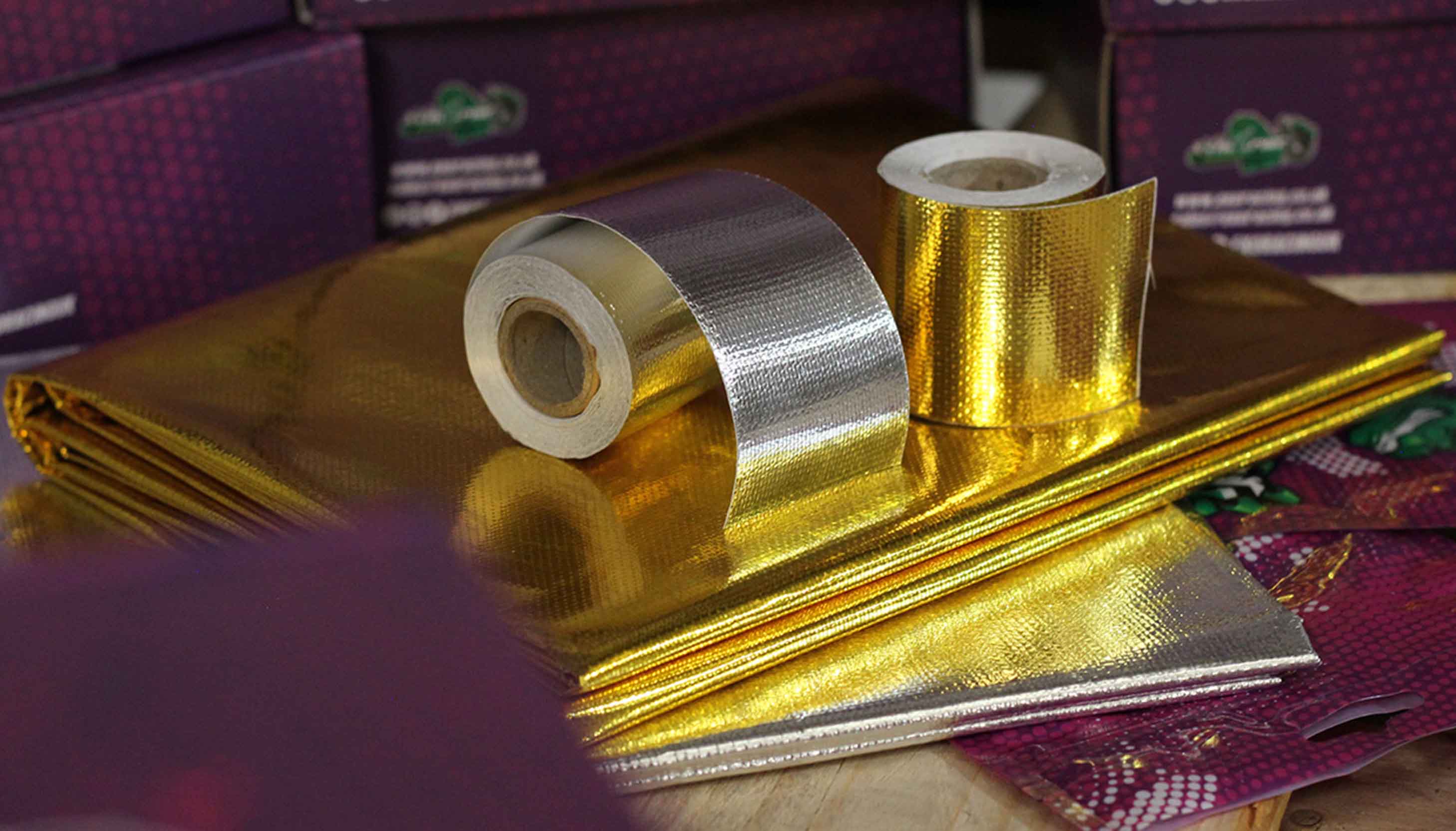
Adding extensive high-quality shields or insulation would increase manufacturing costs (especially for millions of cars), so they use only enough heat shielding to meet safety and reliability standards for normal use.
There are also practical considerations. Some aftermarket solutions require maintenance or can introduce other issues.
For example, wrapping an exhaust manifold can potentially trap moisture and promote rust if the car is driven in wet conditions, something a manufacturer wants to avoid on a mass-produced vehicle.
Turbo blankets, if not installed correctly to a leak-free setup, could potentially pose a fire risk in worst-case scenarios. This is why it is always best to regularly maintain components. The Internals of a turbo blanket are designed to be fireproof, but anything can catch fire if the structure is compromised by fluids such as oil, fuel, coolant, etc.
Manufacturers prefer solutions that are absolutely foolproof and maintenance-free for the life of the car. They also have to consider servicing: mechanics need to access parts easily, and peeling off wraps or removing blankets could complicate repairs.
Lastly, stock engines are generally not pushed to the extremes like race engines are. The factory cooling and minimal heat shields are sufficient for stock power levels under average conditions.
That said, some high-performance production cars do come with advanced heat management (for instance, certain sports cars have built-in turbo heat shields or reflective coatings where needed).
But for the most part, manufacturers leave the extra heat management to the aftermarket enthusiasts who truly need it, as it's a much smaller market, but it causes one of the biggest problems.
That’s where companies like us come in! To fill the gap and provide your car with the additional thermal protection that the factory left on the table.
Turbo Blanket V3
A very strong first step for most turbocharged performance builds
From £119.99
Exhaust Wrap
Helps reduce surrounding radiant heat from the hottest exhaust sections
From £24.99
Heat Reflective Tape
Useful where you want to reflect heat away rather than wrap the source
From £29.99
Velcro Heat Sleeve
Easy add-on protection for preassembled hoses and engine bay lines
From £14.99
Conclusion
Managing engine bay heat doesn’t have to be complicated.
A few well-chosen upgrades can make a huge difference. By using exhaust wraps, turbo blankets, and reflective shielding in the right spots, you can keep your car running cooler, improve power consistency, and protect critical components from heat-related wear.
Remember, whether you’re chasing lap times or just preserving your daily driver, keeping heat in check is key to performance and longevity.
Ready to give your car a cooler edge?
With some basic heat management steps, anyone can improve their vehicle’s reliability and efficiency. Why not start now? Your engine (and your future self) will thank you!
Shop the Exoracing Heat Management range
If you have enjoyed this article, make sure to read some of our other articles below! My plan going forward is to try to add as many blogs as we can, trying to help each of you by covering every single aspect of heat management.
Related Products & Articles
- Exhaust Wraps
- Reflective Tape & Sleeving
- Turbo Blankets & Shields
- 6 Ways to Reduce Engine Bay Temperatures
- 3 Essential Upgrades to Protect Your Turbo Setup
About the Author
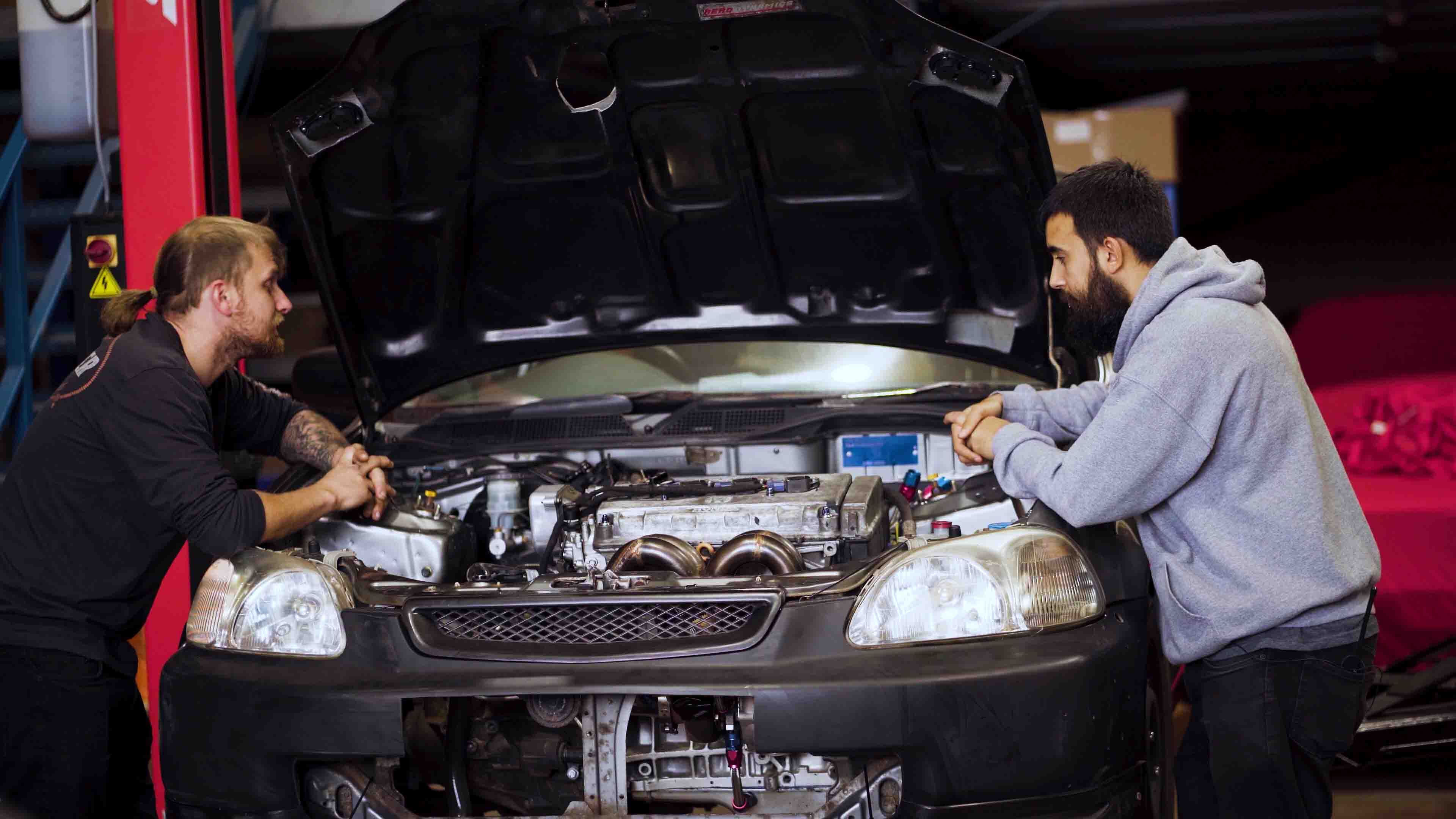
I'm Matt, the owner of Exoracing Ltd, a UK-based performance parts brand specialising in heat management and performance parts.
Since 2018, we've helped thousands of car enthusiasts and workshops reduce engine bay temperatures with tested, proven products, backed by firsthand experience from our own and customers' builds.
Got questions about your setup? Hit the contact button at the top, as we love hearing about your builds and helping out where we can.