
Are Turbo Blankets Worth It? Real Temps, Myths & Risks
Posted by Matthew Marks on 1st Aug 2024
Jump to a section
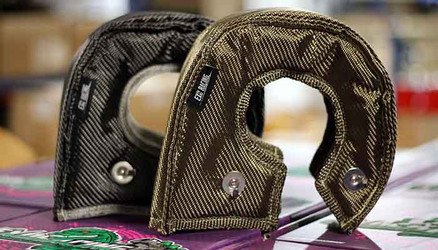
A turbo blanket is one of the most effective ways to reduce engine bay heat, improve consistency, and protect your car from heat-related damage.
It works by insulating the exhaust housing of your turbocharger, keeping extreme heat inside the turbo instead of letting it spread across your engine bay.
And this is not just theory.
We have tested turbo blankets in both controlled testing and real-world applications.
- On a 550bhp Audi RS4, we recorded up to 19.6°C reduction on engine bay components and 7–10°C lower intake air temperatures
- In our blowtorch test, internal temperatures exceeded 500°C while the outside stayed around 45°C
This is why turbo blankets are now one of the first upgrades on any serious turbo build.
- Turbo blankets can dramatically reduce heat transfer, with over 90% reduction shown in our controlled thermal testing
- They help lower intake air temperatures and protect wiring, hoses, and plastics
- Hotter exhaust gases can improve turbo efficiency and reduce lag slightly
- They do NOT damage the turbo when used correctly
- Best results come when combined with exhaust wrap and heat protection
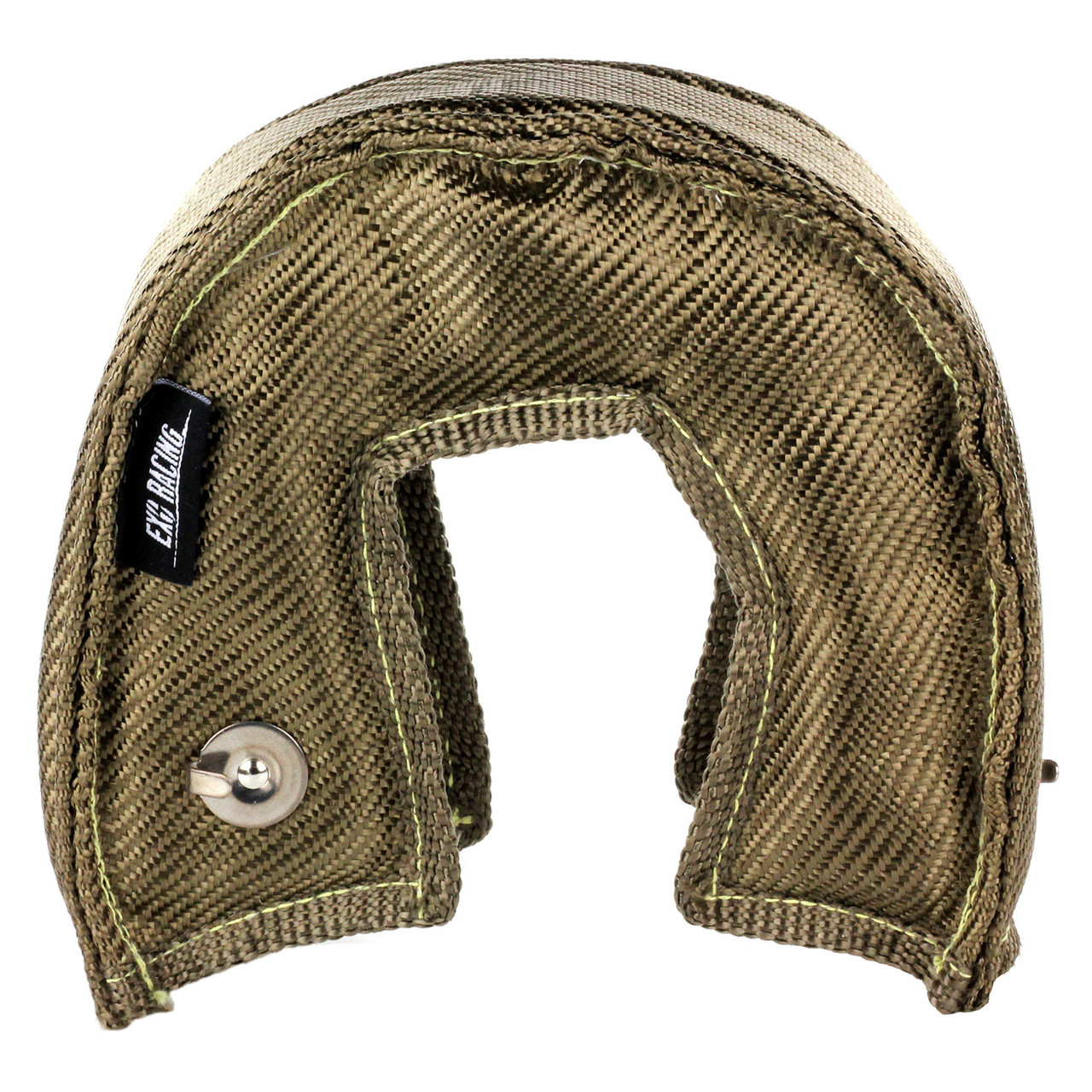 Exoracing Turbo Blanket V3
Contains turbo heat at the source to reduce engine bay heat and protect nearby components.
From £119.99
 Exoracing External Wastegate Blanket
Helps contain wastegate heat and protect wiring, vacuum lines and tight engine bay areas.
From £64.99
What Heat Protection Do You Actually Need?
The best setup depends on where the heat problem is coming from.
| Problem | Best solution | Why |
|---|---|---|
| Turbo heat soaking the engine bay | Turbo blanket | Controls heat at the main source |
| External wastegate heat | Wastegate blanket | Protects nearby lines, wiring, and tight spaces |
| Hot downpipe or manifold heat | Exhaust wrap | Reduces radiant heat from exhaust pipework |
| Hoses, wiring, oil or water lines near heat | Heat sleeve | Adds direct protection to vulnerable parts |
| Intake pipe, airbox, bulkhead, or panels near the heat | Reflective tape | Reflects radiant heat away from surfaces |
- What turbo you have fitted
- The width and circumference of the turbine housing
- Whether you have an external wastegate nearby
- How close wiring, hoses, intake pipes, or bodywork sit to the turbo
- Whether the turbo has any oil leaks or damaged fittings
Which Turbo Blanket Setup Should You Choose?
If you just want to control heat from the turbo, start with a turbo blanket.
If your setup also has an external wastegate, add a wastegate blanket too.
Wastegates can sit close to boost lines, vacuum lines, wiring, and paintwork, so they are worth protecting in tighter engine bays.
If your downpipe or manifold is still radiating a lot of heat, add exhaust wrap.
If you have hoses, wiring, oil lines, or water lines close to the hot side, add a heat sleeve. If you have intake pipes, airboxes, bulkheads, or panels near the turbo, use reflective tape.
Do turbo blankets actually work?
Yes, and the data backs it up.
In our controlled testing, turbo blankets reduced heat transfer by over 90% at the heat source. In real-world testing, we saw major reductions across nearby engine bay components and intake air temperatures.
This matters because the turbocharger is the single hottest part of your engine bay. If you control that heat, everything else becomes easier to manage.
- Lower intake air temperatures
- Reduced heat soak after hard driving
- Longer lifespan for wiring, hoses, and plastics
- More consistent performance on track
Without heat control, performance drops quickly. With it, your car stays consistent.
What are the benefits of a turbo blanket?
There are multiple reasons to use a turbo blanket in your system, and there is no massive downside.
When deciding to use or not use a turbo blanket, it's always worth considering everything it can help with and the knock-on effect on the rest of the system, such as engine bay temperatures and component damage from excess heat.
Some aftermarket or OEM options have installed turbo heat shields, which are less efficient than turbo blankets due to how they are made and designed to fit within the engine bay.
A turbo heat shield can help block some radiant heat, but a turbo blanket wraps around the turbine housing more closely, which helps contain heat at the source rather than just deflecting part of it.
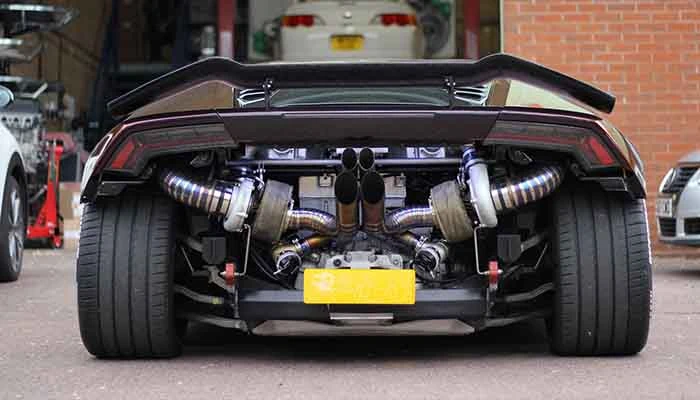
Turbochargers work by compressing air into the engine, forcing more air into each cylinder, which forces more fuel and spark, creating more power.
The exhaust gas is then sent back through the exhaust housing, which will superheat the core and exhaust housing. Because of this, the turbocharger will always be the hottest part of the engine bay.
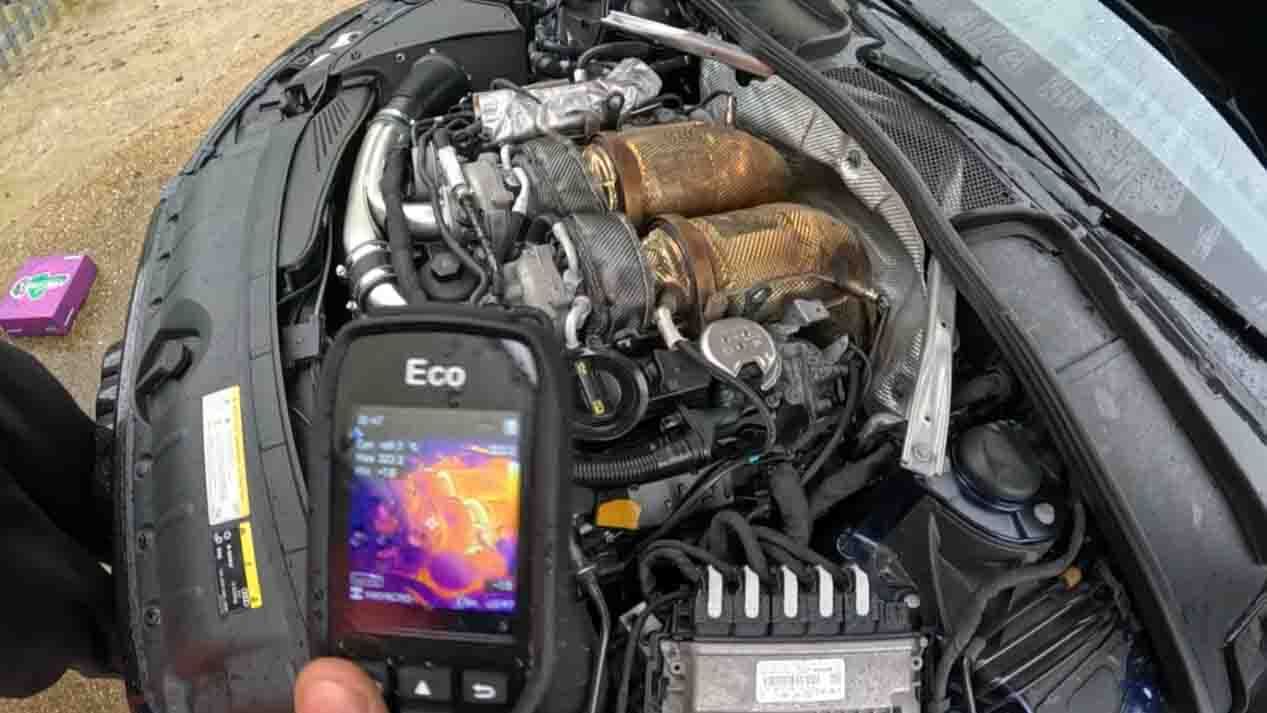
In real-world testing on a 550bhp Audi RS4, we saw intake air temperatures drop by around 7–10°C after installing turbo blankets.
This is a significant reduction, especially in turbocharged cars where heat soak can quickly reduce performance and consistency.
Lower intake temperatures prevent heat soak
Turbocharged cars suffer heavily from heat soak, especially after repeated pulls or track driving.
When intake temperatures rise, power drops, and consistency disappears.
A turbo blanket reduces the main heat source, helping keep intake temperatures stable and improving repeat performance.
Turbocharger efficiency
In addition to the above benefit, turbo blankets increase turbo spool speed, reducing lag time.
Increased spool time works by more heat staying in the turbo itself, increasing the temperature of the exhaust gas.
Hotter exhaust gases are proven to move faster than colder gases. Although this will only be a marginal bump in the spool, it's still worth considering when purchasing a turbo blanket.
You should get a mild increase over the rev range, but it will ultimately reduce the turbo lag time, which is always a benefit in our books!
Protection of engine bay components
Along with the reduction of intake temperatures and faster spool times, the most crucial point for most people would be the fact that you are protecting engine bay components.
The extra heat will almost certainly reduce the lifespan of things such as wiring, plastic, rubber lines, etc., leading to repairs and the extra money you do not need to spend.
In one of our tests, the surface temperatures on key components dropped dramatically:
- Plastic engine cover: 45.1°C → 25.5°C (−19.6°C)
- Heat shield: 26.4°C → 10.5°C (−15.9°C)
- Turbo housing: −47.8°C reduction
- Intake air temps: −7°C to −10°C
This is why controlling turbo heat changes the entire engine bay.
This shows how effective a turbo blanket is at stopping heat from spreading through the engine bay.
This reduction in lifespan is exponential, the closer the item gets to the turbocharger itself. Adding a turbo blanket will instantly decrease heat transfer to anything else in the engine bay.
Another thing worth considering here would be using a protective heat sleeve and a turbo blanket to decrease heat transfer further.
The last point here would be the increase in temperature of body panels and firewalls, which can make driving uncomfortable or even cause lacquer and paint problems, such as peeling or discolouration.
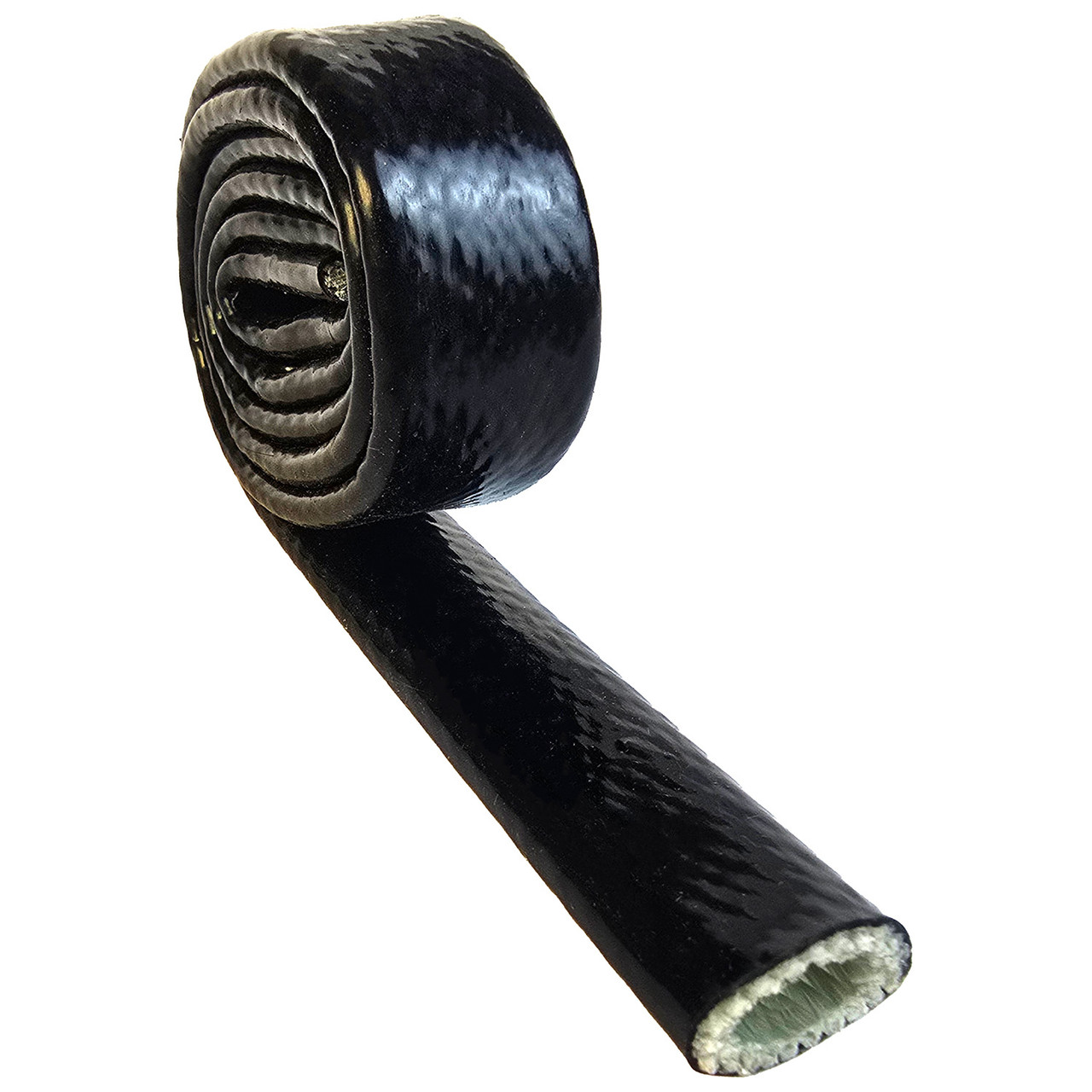 Exoracing Silicone Fibreglass Heat Sleeve
Protects hoses, wiring, oil lines and water lines that run close to turbo heat.
From £14.99
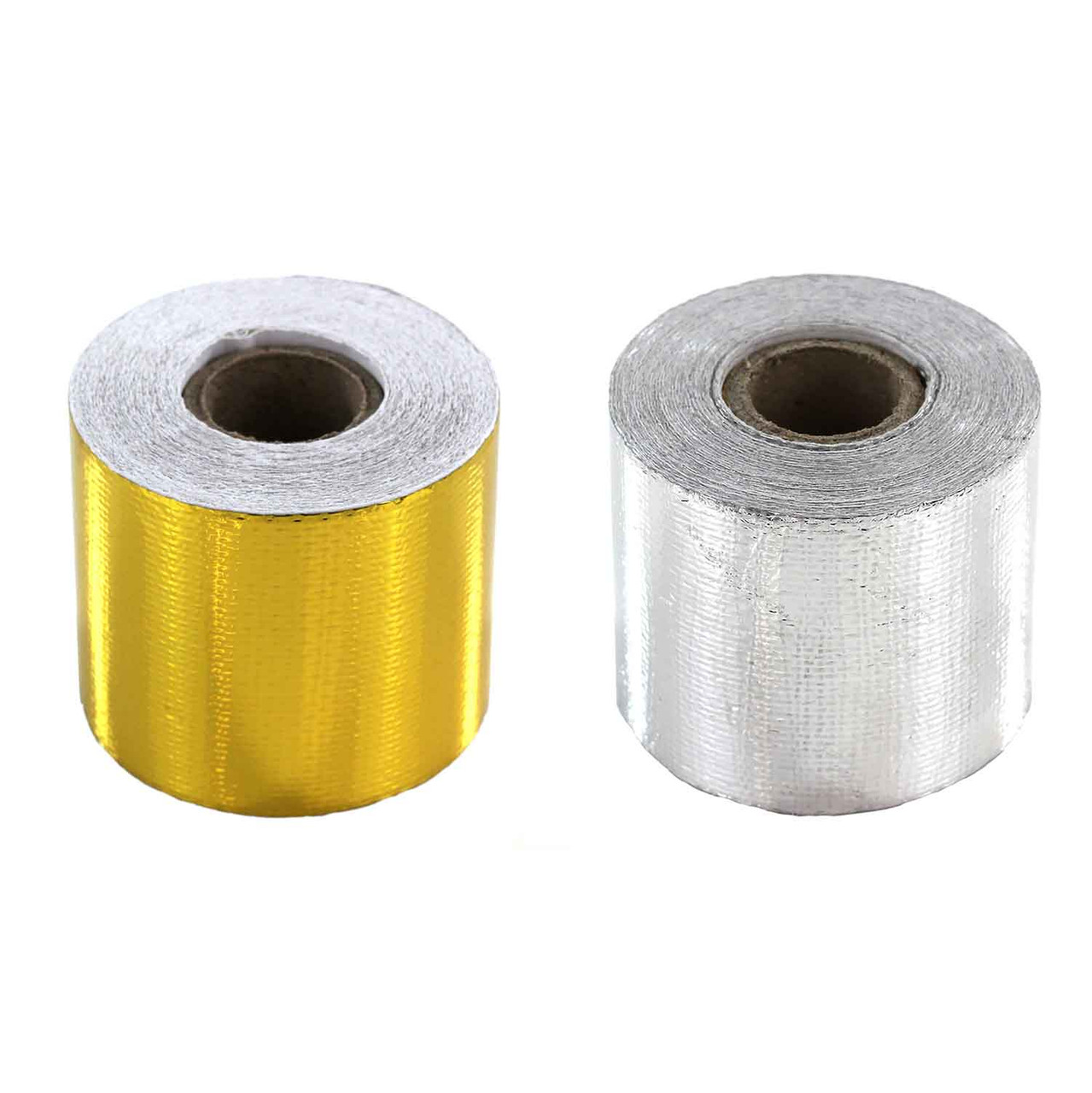 Exoracing Gold and Silver Heat Reflective Tape
Ideal for intake pipes, bulkheads, air boxes and nearby panels exposed to radiant heat.
From £29.99
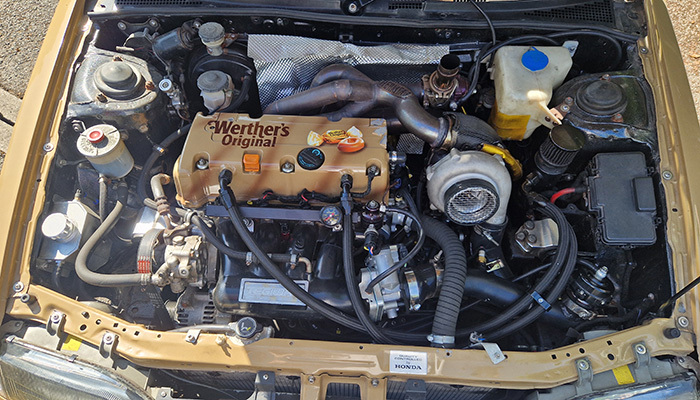
Safety
The last point to consider here would be the safety and protection aspect for yourself or any mechanic working on the car.
We've all worked on cars and touched something accidentally we shouldn't have when it's hot, such as an exhaust.
A turbo blanket will solve part of this on the turbocharger itself, depending on where it's situated in the engine bay.
To take this a step further, you can also use an exhaust wrap on the downpipe or a heat sleeve over hot lines to protect yourself and the car as much as possible.
Overall, turbo blankets have a massive range of uses and protection properties, making them a cost-effective way to solve all the above issues.
If you're still unsure about how good turbo blankets are, check out the video underneath, a test we did with one of our Exoracing titanium T3 V3 turbo blankets.
The video speaks for itself on how resilient our turbo blankets are!
 Exoracing Titanium or Carbon Exhaust Wrap
Wrap manifolds, downpipes and hot side pipework to reduce radiant exhaust heat.
From £24.99
Exoracing Turbo Blanket V3
Pair with an exhaust wrap to keep more heat inside the exhaust system and out of the bay.
From £119.99
Turbo Blanket Pros and Cons
| Pros | Cons |
|---|---|
| Reduces engine bay heat | Needs to be sized correctly |
| Protects nearby hoses, wiring and plastics | Should not be fitted over oil leaks or damaged hardware |
| Can help reduce heat soak | Will not create huge horsepower gains by itself |
| Can improve consistency during hard driving | Can be awkward to fit into tight engine bays |
When Should You Not Use a Turbo Blanket?
A turbo blanket is suitable for most turbocharged setups, but there are a few times when you should stop and check the car first.
- If the turbo is leaking oil onto the turbine housing
- If the blanket is the wrong size and cannot sit securely
- If the turbo has damaged studs, loose fittings, or missing hardware
- If you cannot fit the blanket without it touching moving parts
- If there is already a serious heat issue caused by poor routing or a mechanical fault
Fix those issues first, then fit the blanket properly. A turbo blanket should be used to control heat, not hide a bigger problem.
Do turbo blankets damage the turbo?
We get asked this often: No, it does not damage the turbo. This is a common misconception; if anything, it's the opposite!
Turbochargers have been designed to take an enormous amount of heat via the exhaust gases, much more than you would ever produce.
Because of this, the turbo blanket is only a good thing for the spool and longevity of the housing.
There are other ways to ensure your turbo will last longer, such as always letting the car idle for a short while before turning the car off.
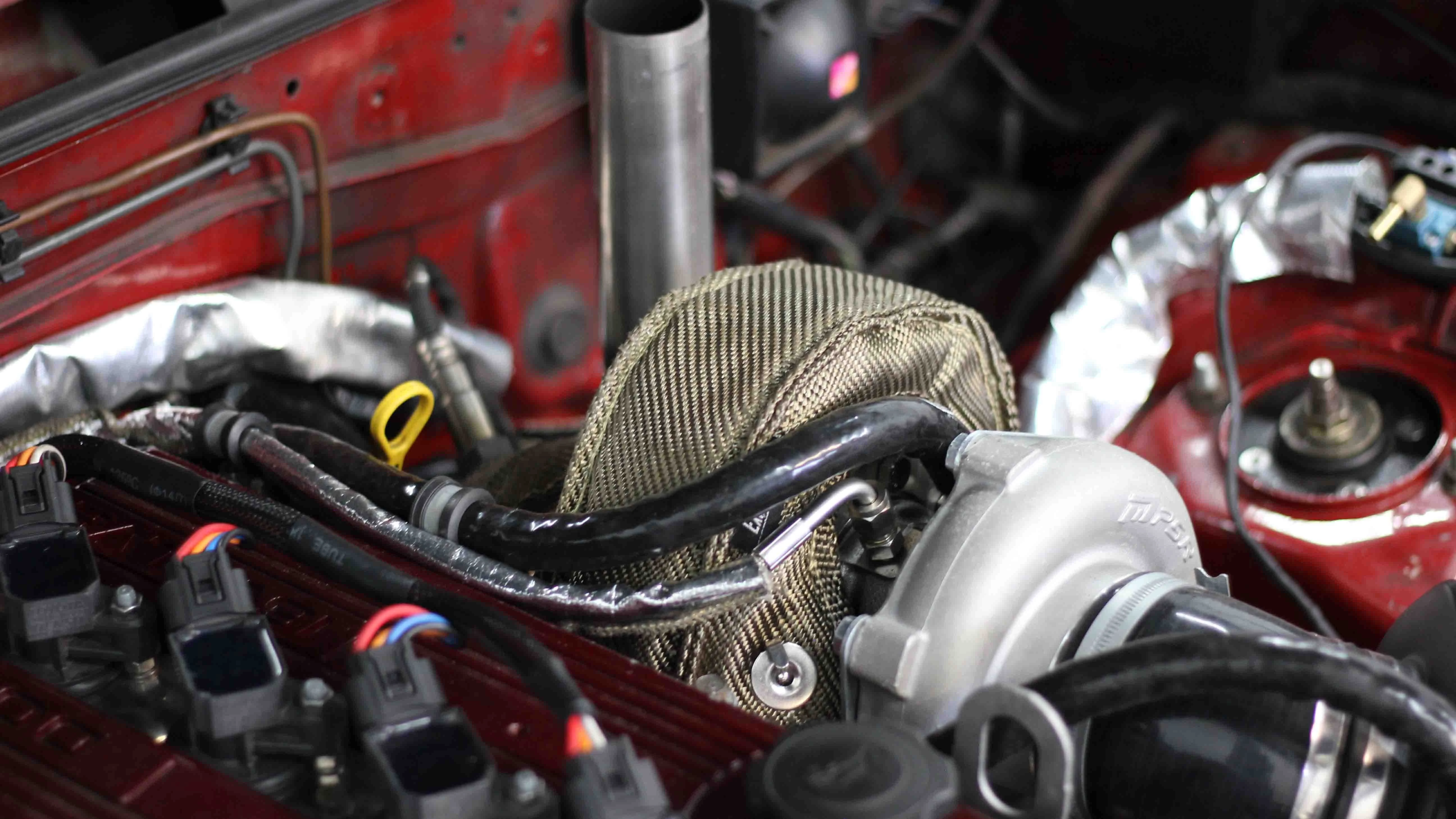
This ensures the turbocharger will cool itself back to the correct level, increasing its lifespan.
Another common way of doing this is to install a turbo timer, letting the engine run for a set time after turning it off via the key.
This will do the same, allowing the oil to keep flowing and cooling over time.
It's also worth regular servicing of the engine oil using a high-quality oil such as Motul to make sure there aren't nasty contaminants getting into the turbocharger core.
Reliable, Tested Turbo Blankets
All Exoracing turbo blankets are built with multi-layer heat insulation, stainless mesh, and high-temp stitching for long-term durability.
What Should You Expect After Fitting a Turbo Blanket?
After fitting a turbo blanket, the biggest difference you should notice is less radiant heat in the engine bay.
The bonnet area, nearby hoses, wiring, intake pipework, and surrounding components should be exposed to less heat than before.
On some setups, you may also notice slightly better consistency after repeated hard driving because the engine bay is not heat soaking as quickly.
You should not expect a turbo blanket to suddenly add huge horsepower.
The real benefit is heat control, protection, and consistency.
Does turbo blanket colour make a difference?
Which turbo blanket colour to choose has to be one of the most common questions we get asked.
Many customers would assume that because they look different, they are also different regarding temperature ratings.
Two colours of turbo blankets are available: titanium and carbon.
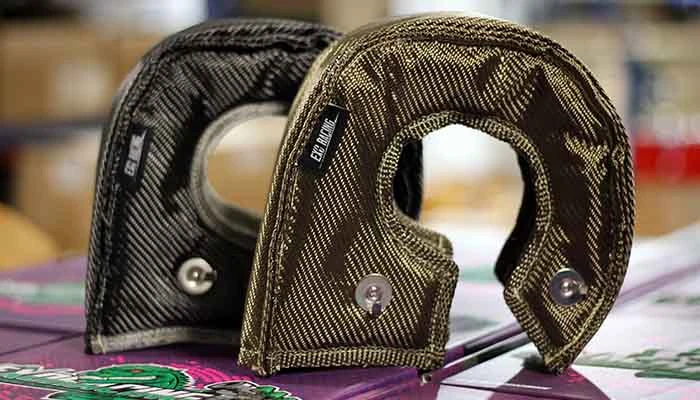
These fit into different engine bay themes, and most of the time, it would be to match the colour of the exhaust wrap you are using.
Other than the colour, there is no difference.
They are both manufactured using the same construction and techniques and will both hold the same heat rating.
Choose based on your engine bay style:
- Titanium for a raw motorsport look
- Carbon for a stealth OEM+ finish
How to choose the correct turbo blanket size
The next most commonly asked question would be how to choose a turbo blanket size.
There are two factors here: the circumference and width of the turbo exhaust housing.
Most aftermarket turbochargers use a T28, T3 or T4 flange, which is reflected in the naming of the turbo blankets. However, it can sometimes be complicated.
For example, if you have a GT35 with a T3 flange but a massive exhaust housing, you may have to jump to a T4-sized turbo blanket.
Luckily, we've made the table below to make this as easy as possible.
The list of turbo blanket sizes, widths and circumference is as follows:
Common turbo blanket mistakes
Fitting the wrong size
A loose turbo blanket will not contain heat properly and can move over time. A blanket that is too small may leave parts of the turbine housing exposed, reducing how well it controls heat.
Ignoring other heat sources
The turbo is usually the biggest heat source in the engine bay, but it is not the only one. Manifolds, downpipes, wastegates, and screamer pipes can still radiate a lot of heat. For the best result, treat heat management as a full system.
Expecting huge power gains
A turbo blanket is not a magic horsepower upgrade. The real benefits are reduced engine bay heat, better consistency, component protection, and slightly improved turbo response.
Poor installation
If the blanket is fitted badly, it can leave gaps, sit unevenly, or move under load. Always make sure it sits tightly around the turbo exhaust housing and that the springs are secure.
Not protecting nearby lines
A turbo blanket controls heat at the turbo, but nearby hoses, wiring, and oil or water lines may still need extra protection. This is where heat sleeve, reflective tape, and exhaust wrap can make a big difference.
Always fit the blanket when the car is completely cold. Turbochargers can stay hot for a long time after driving, and touching the turbine housing too soon can cause serious burns.
Should I Use A Turbo Blanket?
As technology advances, turbochargers are becoming increasingly popular in standard cars. This presents an excellent opportunity for car enthusiasts to enhance their vehicle's power.
However, it's essential to remember that increasing horsepower generates a lot of heat in the engine bay.
Proper heat management is critical to ensure that your car's components last as long as possible and that its performance remains optimised.
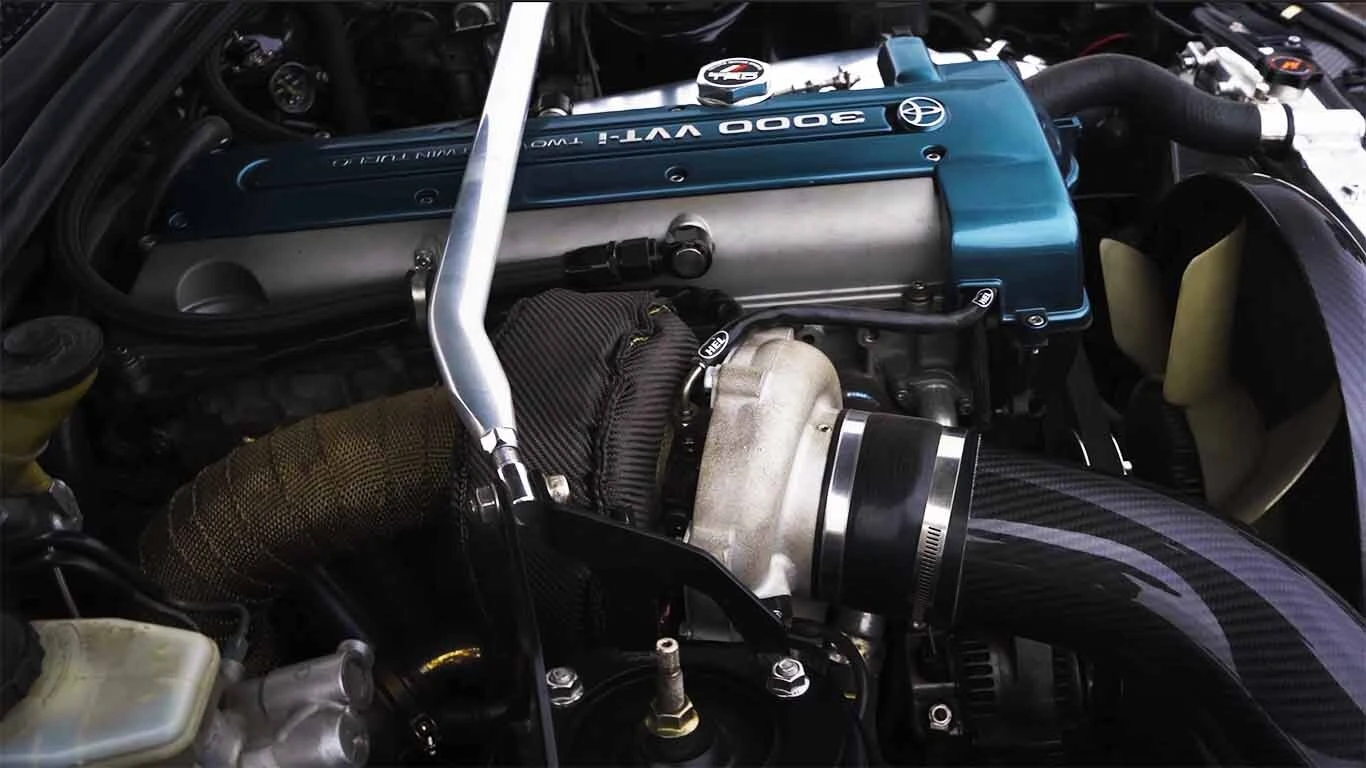
At Exoracing, we understand heat management is often overlooked in turbo conversions and high-horsepower applications.
That's why we offer a wide range of turbo blankets that cater to various turbocharger models, from factory to high-performance ones.
Our turbo blankets are designed to manage heat effectively, protect your engine, and optimise your car's performance.
We understand that finding the right turbo blanket for your vehicle can be daunting. That's why our team is always available to assist you in selecting the best one for your application.
Please feel free to contact us; we'll gladly guide you through the selection process.
We value your feedback and are always open to answering any questions you may have about our turbo blankets or their installation process.
To learn more about turbo blankets and installing them, we've created a comprehensive guide containing all the information you need.
At Exoracing, we are committed to providing you with the best quality turbo blankets that enhance your vehicle's performance and ensure that you get the most out of your investment.
Turbo blanket FAQ
What is a turbo blanket?
A turbo blanket is an insulated cover that fits around the hot side of the turbocharger.
It keeps heat inside the turbine housing, helping reduce engine bay temperatures and protect nearby components.
Do turbo blankets help regulate temperatures?
Turbo blankets will keep as much heat in the turbo as possible, creating less heat soak in the engine bay and increasing spool time slightly due to hotter gases moving through the exhaust system.
Do turbo blankets damage the turbo?
No, they do not, although this is a common myth. Turbochargers are designed to run at higher temperatures than your engine can produce.
Will my turbo blanket catch fire?
Using a quality turbo blanket, such as the Exoracing V3 turbo blanket, will not catch fire unless a contaminant is spilt onto it.
Don’t believe us?
Check out the first video above, where we test our new turbo blanket to hundreds of degrees with only a very slight discolouration.
Is there any difference in the turbo blanket colour?
No, there is no difference in terms of temperature rating or quality of construction, only the colour itself.
How do I install a turbo blanket?
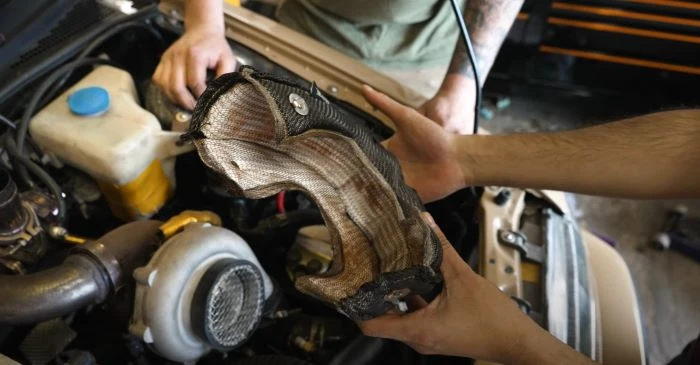
Place the turbo blanket over the turbine housing, make sure it sits evenly, then secure it with the supplied springs.
The blanket should cover the hot side of the turbo without touching the compressor wheel area, actuator arm, belts, or any moving parts.
Can I fit a turbo blanket myself?
Yes, most turbo blankets can be fitted at home with basic tools, but access depends on the car. Some engine bays are tight, so removing nearby parts may make installation easier.
How do I know if my turbo blanket is fitted correctly?
It should sit securely around the turbine housing, cover the hot side evenly, and be held firmly by the springs. It should not touch moving parts, belts, actuator arms, or the compressor side of the turbo.
Conclusion
A turbo blanket is one of the simplest and most effective ways to control heat in a turbocharged engine bay.
It helps keep heat inside the turbocharger exhaust housing, reduces heat soak, protects nearby components, and can improve consistency during hard driving.
The biggest mistake is thinking of it as a single product rather than part of a full heat management setup. For the best results, pair your turbo blanket with the right supporting protection, such as exhaust wrap, heat sleeve, reflective tape, and wastegate blankets where needed.
Our own testing has shown just how much difference proper heat control can make, from controlled blowtorch testing to real-world data on a 550bhp Audi RS4.
If your turbocharged car is suffering from high engine bay temperatures, damaged nearby components, rising intake temperatures, or heat soak after hard driving, a turbo blanket should be one of the first upgrades you consider.
If you are unsure which turbo blanket size or supporting heat protection you need, send us a photo of your turbo setup and tell us what turbo you are running. We can help point you in the right direction.