
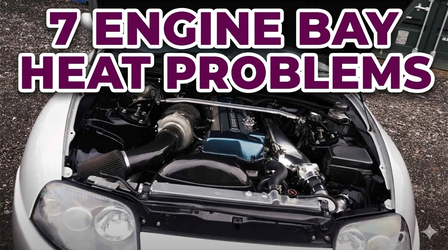
Engine Bay Heat Problems: 7 Causes And Fixes
Posted by Matthew Marks on 23rd Dec 2025
7 Common Engine Bay Heat Problems And How To Fix Them
Engine bay heat can make wiring brittle, damage hoses, increase intake temperatures and cause annoying heat soak after driving. The fix is not always one product. It starts with finding the heat source, protecting the vulnerable part and checking the car again after a few heat cycles.
We have helped modified car owners and workshops solve these exact heat issues since 2018, from turbo street cars to track builds with tight engine bays.
Shop Heat Management PartsIf your engine bay feels extremely hot, smells of warm plastic or rubber, or keeps damaging the same hose, plug or wire, the problem is usually uncontrolled radiant heat from the turbo, exhaust manifold, downpipe or a tight area with poor airflow.
This guide explains the seven heat problems we see most often, how to diagnose each one, and which fix should come first so you do not waste money on the wrong product.
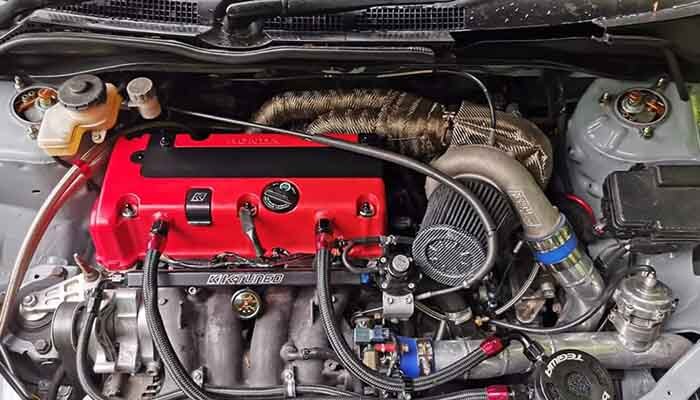
Source control: contains heat at the turbo before it spreads across the bay.
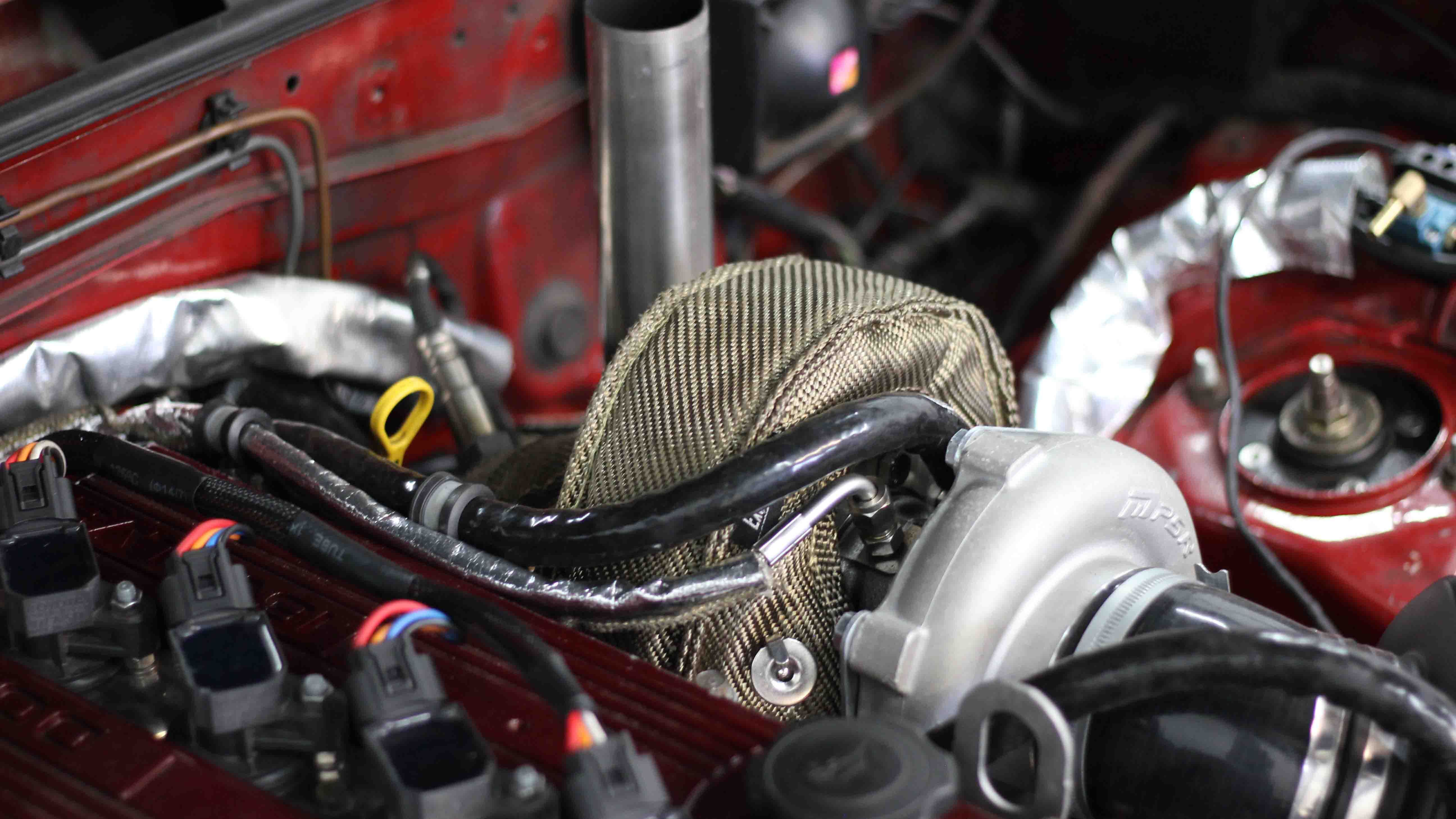
Component protection: sleeve hoses and lines that must pass near hot parts.
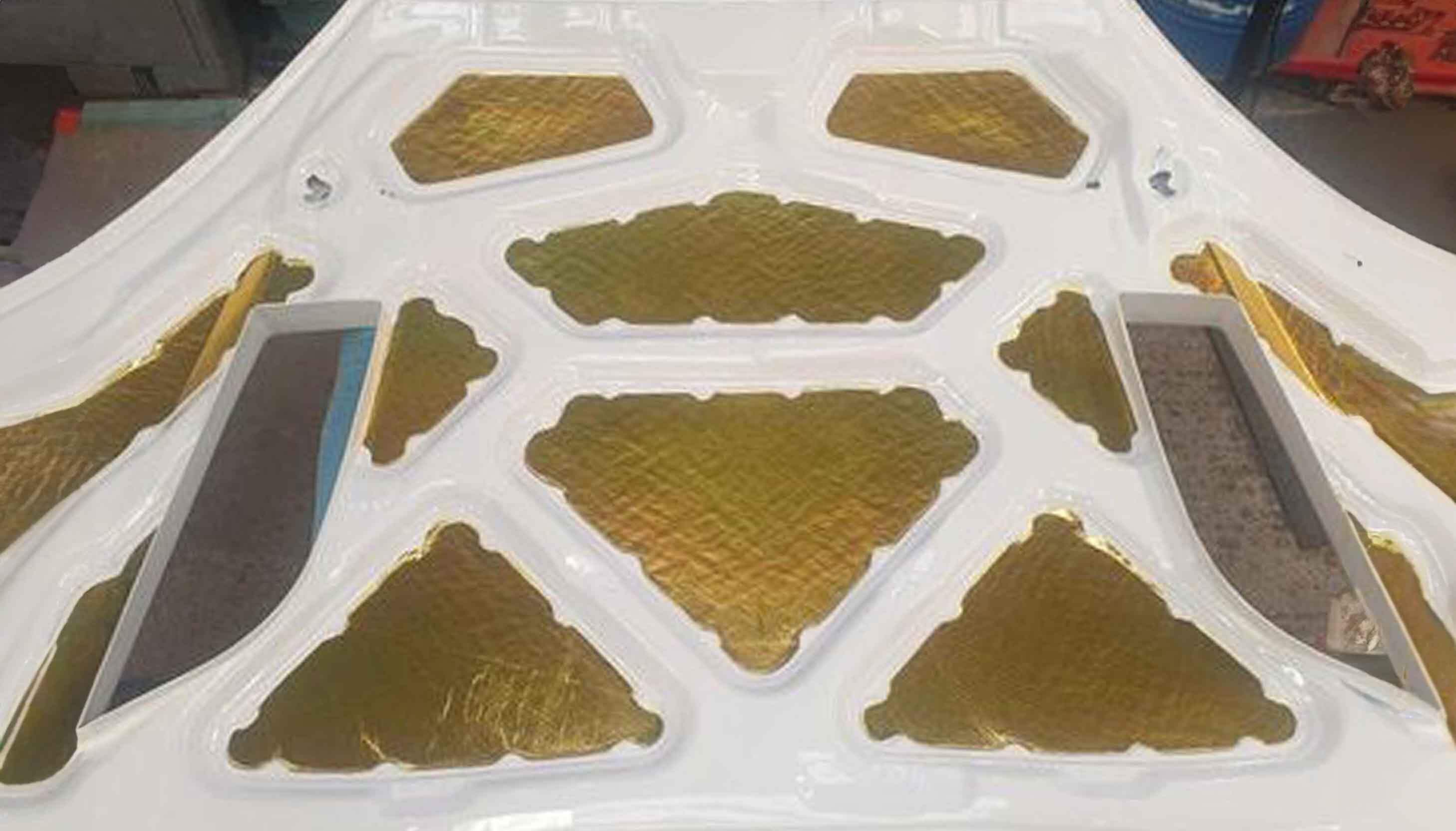
Surface protection: reflect radiant heat away from panels, bonnets and intake areas.
The simple answer
To reduce engine bay heat, start with the part creating the heat. On turbo cars, that is usually the turbine housing, manifold or downpipe. On naturally aspirated cars, it is usually the manifold, header or nearby exhaust pipework.
Then protect the part at risk. Wiring, hoses and lines normally need heat sleeve. Intake pipes, airboxes, bulkheads and bonnet surfaces normally need reflective tape or sheet. A physical heat shield helps when you need separation and an air gap.
Do not cover damaged wiring, leaking hoses or oil-contaminated parts and call it fixed. Repair, clean or reroute the part first, then add heat protection.
- Heat soak happens when parts absorb heat over time, especially after idling, traffic or a short stop.
- The hottest engine bay areas are normally the turbo, manifold, header, downpipe and exhaust side of the engine.
- Control the heat source first where possible, then protect wiring, hoses, lines and surfaces nearby.
- Heat sleeve is for hoses, wiring and lines. Exhaust wrap is for hot exhaust pipework. Reflective tape is for surfaces facing radiant heat.
- Always check routing, clearance, leaks and surface cleanliness before fitting heat management products.
What Is Engine Bay Heat Soak?
Heat soak is when nearby parts absorb heat until their temperature keeps rising, even if they are not the part creating the heat. In an engine bay, this can affect intake pipework, wiring, hoses, sensors, plastics, brake or clutch lines, painted surfaces and bonnet insulation.
A common example is an intake pipe sitting close to a turbo or manifold. The pipe itself is not creating heat, but it sits in the path of radiant heat. After traffic or a short stop, the pipe gets hotter, intake air temperature rises and the car can feel softer when you drive away again.
Heat soak can also damage parts slowly. A plug might not fail the first time it gets hot, but repeated heat cycles can make the plastic brittle. The same applies to vacuum hose, wiring insulation and rubber lines.
How Hot Does An Engine Bay Get?
There is no single normal engine bay temperature because it depends on the car, engine load, ambient temperature, turbo position, exhaust layout, bonnet venting, fan setup and how long the car has been idling. The useful question is not just how hot the whole bay gets. It is which part is creating the heat and which part is being damaged by it.
The exhaust manifold, turbo turbine housing and downpipe can radiate enough heat to damage nearby plastics, wiring insulation, hoses and painted surfaces over time. This is why modified cars often need extra protection once factory shields are removed, pipework is changed or power is increased.
Think of heat management in three layers: reduce heat at the source, shield or sleeve the vulnerable part, then improve airflow if hot air is being trapped.
Where Does Engine Bay Heat Come From?
The engine bay is the area under the bonnet that contains the engine, intake system, exhaust side, wiring, fluid lines, cooling parts and accessories. Heat is normal in this area, but problems start when too much heat reaches parts that were not designed to sit in that temperature zone.
The biggest heat sources are usually the turbo turbine housing, exhaust manifold, header, downpipe and any exhaust pipework that runs close to the bulkhead, steering components, brake lines, clutch lines, fuel lines or wiring. On compact engine bays, there may simply be very little space for the heat to escape.
Heat reaches nearby parts in three main ways. Radiant heat travels in a line from the hot part to whatever faces it. Conductive heat moves through touching materials. Convective heat moves through hot air trapped under the bonnet. Most engine bay fixes deal with all three: stop the heat radiating out, stop vulnerable parts touching hot areas and help hot air leave the bay.
This is why the same car may need more than one solution. A turbo blanket can reduce radiant turbo heat, but it will not protect a downpipe running beside a fuel line. Heat sleeve can protect the fuel line, but it should not be used instead of fixing poor routing. Reflective tape can protect an intake pipe, but it will not repair an overheating cooling system.
Engine Bay Heat Or Engine Overheating?
Before fitting heat management parts, make sure you are solving the right problem. Engine bay heat is not always the same as engine overheating.
Engine bay heat usually means the air and components under the bonnet are getting hot enough to damage nearby parts or increase intake temperatures. The coolant temperature may still be normal. This is where turbo blankets, exhaust wrap, reflective tape, heat sleeve, heat shields and airflow improvements can help.
Engine overheating means the cooling system itself cannot control coolant temperature. That needs a cooling-system diagnosis first: coolant level, leaks, radiator condition, thermostat, water pump, fan direction, shrouding and air locks. Heat management can support a healthy cooling system, but it is not a shortcut for a failing radiator or coolant leak.
Quick Diagnosis: What Should You Check First?
Before buying parts, inspect the car when it is cold. Look for the heat source, the affected part and the route between them. This simple check stops you fitting the right product in the wrong place.
Check for cable ties, hoses, loom tape or plastic conduit touching the manifold, turbo or downpipe.
Reroute if possible, then protect the loom with heat sleeve and reduce manifold or turbo heat.
Replace damaged hose, reroute if possible and sleeve the new hose before it sees more heat.
Reflect heat away from the intake and control nearby turbo, manifold or downpipe heat.
Use reflective sheet or tape on the surface and reduce the heat coming from the turbo or manifold.
Which Heat Management Product Should You Use?
Use the product that matches the heat source and the vulnerable part. This is the decision framework we use when helping customers choose between turbo blankets, exhaust wrap, heat sleeve and reflective tape.
Best for concentrated turbo heat. Do not fit over oil leaks or the wrong turbo frame size.
Use on hot exhaust pipework. Do not use heat sleeve or reflective tape as exhaust wrap.
Use sleeve on the vulnerable part after checking it is not already cracked, leaking or damaged.
Use on clean surfaces facing radiant heat. It is not for direct exhaust contact.
Heat protection helps, but it should not be used as a shortcut for a hose touching an exhaust part.
What Should You Fit First?
If you are building the car from scratch, plan heat management before the final hose, loom and intake routing. It is much easier to sleeve lines, add reflective tape and leave proper clearance while the car is apart than after everything is installed.
If the car is already built, start with the failure or symptom. A hose that keeps splitting needs the hose route and nearby heat source checked first. A hot intake pipe needs the radiant heat path checked. A brittle plug needs the plug replaced and the nearby heat reduced.
A turbo blanket and targeted exhaust wrap usually give the best starting point, then sleeve nearby hoses and wiring.
Use source control, sleeve lines, protect intake parts and check airflow because long sessions create repeated heat cycles.
A turbo blanket is not relevant. Look at exhaust wrap, a heat shield and sleeve for nearby lines.
Reflective tape can help the intake surface, but it works best when the heat source is also controlled.
 Exoracing Turbo Blanket V3
Source control for turbo turbine housings that radiate heat into nearby wiring, hoses and intake parts.
From £119.99
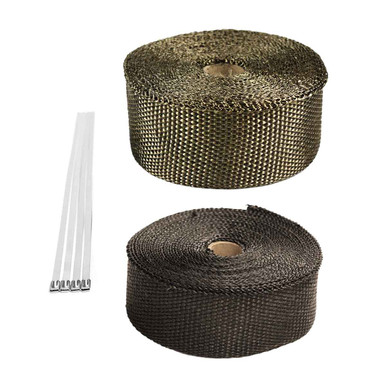 Exoracing Titanium or Carbon Exhaust Wrap
Insulates manifolds, headers, downpipes and hot exhaust pipework close to vulnerable parts.
From £24.99
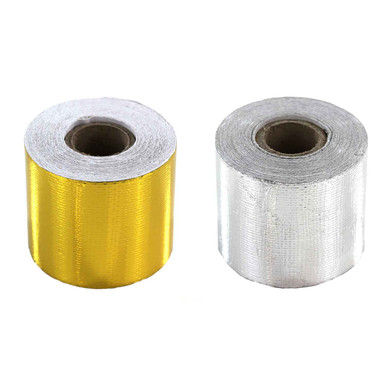 Exoracing Gold and Silver Heat Reflective Tape
Reflects radiant heat away from intake pipes, airboxes, bonnets, bulkheads and clean panels.
From £29.99
 Exoracing Silicone Fibreglass High Temperature Heat Sleeve 0.5m
Direct protection for hoses, wiring and lines that have to run close to high-heat areas.
From £14.99
1. Plastic Parts Look Faded, Brittle Or Cracked
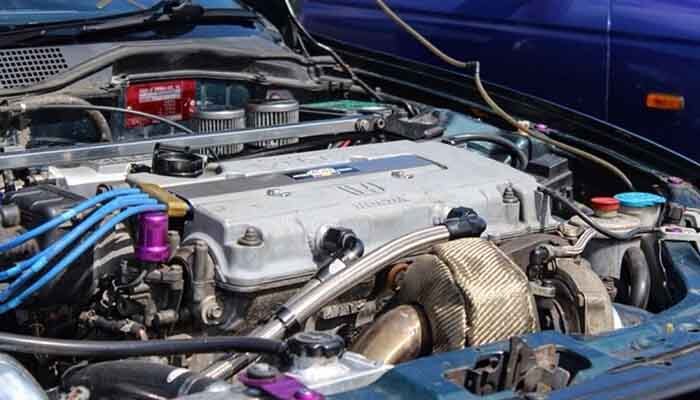
Plastic covers, plugs, clips and connectors can fade or crack when they sit near hot exhaust parts for long periods. Factory plastic parts are designed for normal heat, but a modified engine bay can expose them to far more radiant heat than the original layout expected.
We have seen this on radiator fan plugs, throttle cable routing and loom connectors near manifolds. The part often looks fine until you unplug it, move it or add load, then the brittle plastic cracks.
How to fix it
Move the plastic part away from the heat source if you can. If it cannot be moved, add a barrier between the heat source and the plastic, ideally with an air gap. If the part is a hose, cable or wiring section that must pass near the exhaust side, use the correct heat sleeve for its position and temperature exposure.
2. Wiring Insulation Becomes Hard, Glossy Or Split
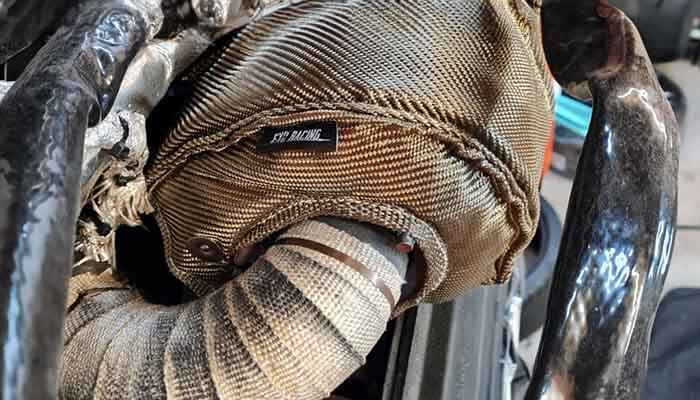
Wiring insulation can go hard, glossy or cracked when it is repeatedly heat cycled. Once that happens, faults can become difficult to trace because the broken wire may sit inside the loom where you cannot see it.
On our AWD Civic, the plastic conduit split in several places and the car shut down during a drag-and-drift event. The issue came back to a single damaged wire. After that, we moved to a properly built loom with better routing and heat management.
How to fix it
Start by checking whether the loom can be moved away from the manifold, turbo or downpipe. If it cannot, protect the loom with heat sleeve and reduce the radiant heat coming from the exhaust side. For fitted looms, Velcro heat sleeve is useful because it can be added without fully removing the loom.
Watch: In our loom video, we show why correct routing and loom protection matter on a modified engine bay.
3. Rubber Hoses, Vacuum Lines Or Silicone Joiners Fail Early
Coolant hoses, vacuum lines, breather hoses and silicone joiners can soften, swell, discolour or split when they are exposed to repeated exhaust heat. Replacing the hose without fixing the heat issue usually means the new hose fails in the same place later.
Wastegate vacuum hose is a common example. Small silicone hose close to a turbo or manifold can balloon, split or go brittle. We recently helped a customer with this on a drift Mazda MX-5 by replacing the hose and adding heat sleeve so the same failure would not return.
How to fix it
Replace any damaged hose first. Then reroute it if possible, add suitable heat sleeve and consider source control if the hose still runs close to the turbo, manifold or downpipe. For a hose already installed on the car, Velcro heat sleeve can be easier than removing the line. For a hose you can slide sleeving over before fitting, sewn heat sleeve is a clean option.
Watch: In our silicone heat sleeve install video, we show how sleeve is fitted to protect lines close to hot engine bay areas.
4. Paint, Coatings Or Bonnet Surfaces Discolour
Bonnet paint, brackets, coatings and nearby panels can yellow, brown or bubble when they are repeatedly hit by radiant heat. This is common when a turbo or manifold sits close to the bonnet, bulkhead or painted engine bay surfaces.
This is why you often see gold or silver reflective material on the underside of race car bonnets. It reflects radiant heat away from the surface instead of letting the panel absorb as much heat every drive.
How to fix it
Use heat reflective tape or reflective sheet on clean surfaces that face the heat. If the panel is very close to the exhaust side, also reduce the heat at source with a turbo blanket, exhaust wrap, ceramic coating or a physical shield with an air gap.
Watch: In our reflective tape video, we show the surface preparation and fitting technique that helps the tape sit cleanly.
5. You Smell Hot Plastic Or Rubber After Driving
A strong hot plastic or rubber smell after a normal drive usually means something is too close to a hot part. It might be a loose cable tie, hose, loom section, vacuum line or plastic cover touching the manifold or downpipe.
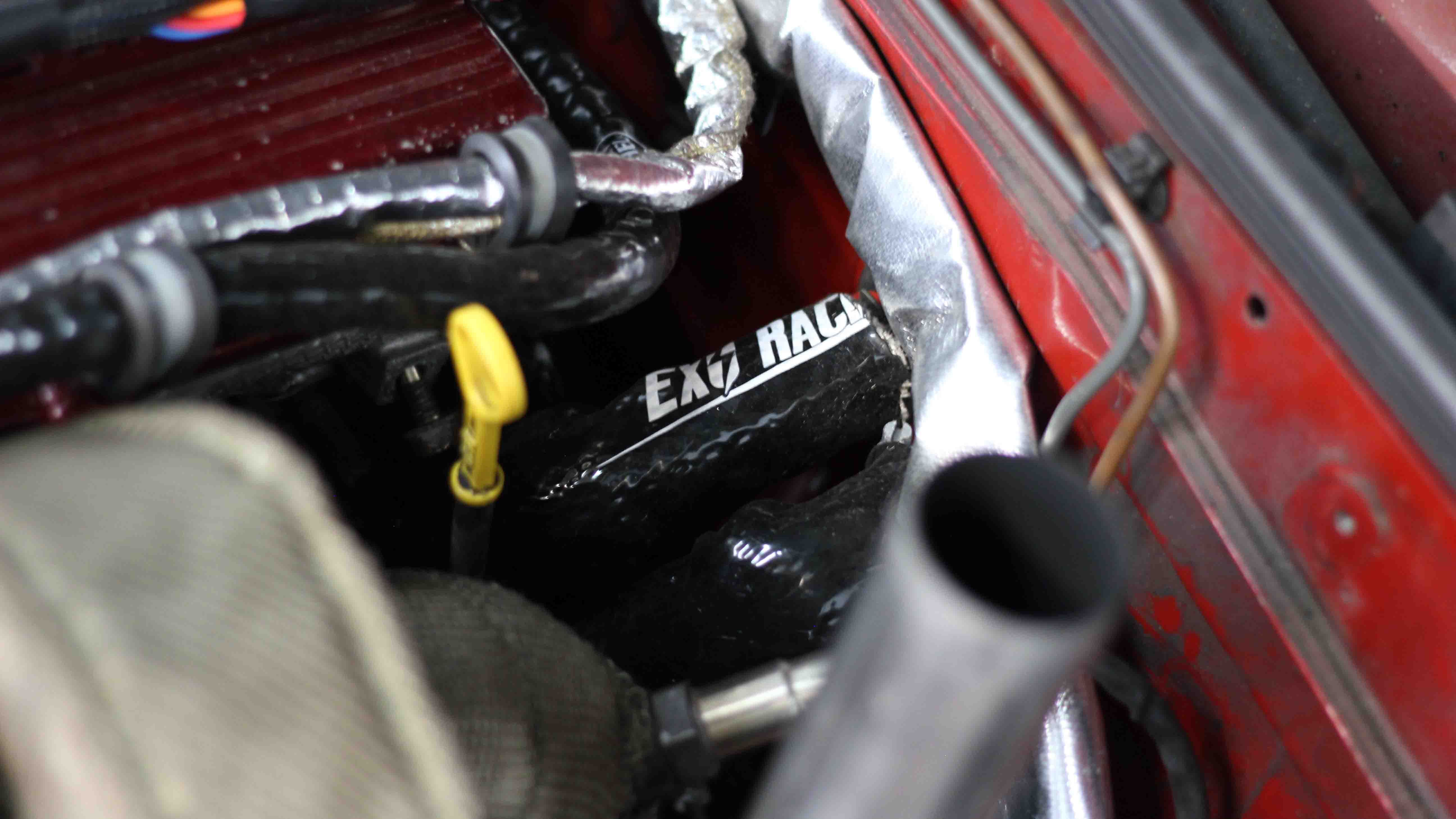
We had this on our Civic before mapping. The breather lines ran over the turbo manifold and we had not fitted heat sleeve. The outer layer of the nylon braided hose burnt, so we replaced the hose, rerouted it and protected it with silicone heat sleeve.
How to fix it
Find the exact part creating the smell before choosing the product. If anything is touching the exhaust, move it. If the part has already melted, replace it. If the part has to stay near the heat source, sleeve it and add source control or a shield where needed.
6. The Car Feels Sluggish After Traffic, Idling Or A Short Stop
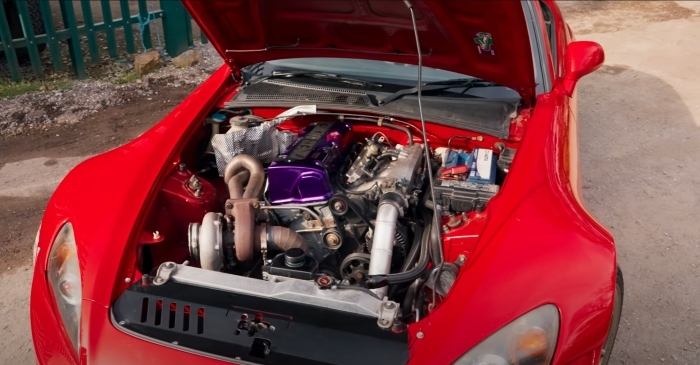
This is the performance side of heat soak. The car may feel fine when it is moving, then less responsive after sitting in traffic, idling or restarting after a short stop. Intake air temperature can climb because the intake route and surrounding engine bay parts have absorbed heat.
With aftermarket engine management, you can often see this in intake air temperature logs. As the temperature rises, the ECU may pull ignition timing to protect the engine, which can make the car feel slower.
How to prevent heat soak
Keep exhaust heat away from the intake route. On turbo cars, start with the turbine housing, manifold and downpipe. Then protect the intake pipe, airbox or intercooler pipework with reflective tape where those parts face radiant heat. If the engine bay traps hot air, airflow improvements can help as a supporting fix.
Watch: In our reflective tape test video, we show why surface protection can matter when intake or panel temperatures are affected by radiant heat.
7. Parts Near The Exhaust Keep Failing First
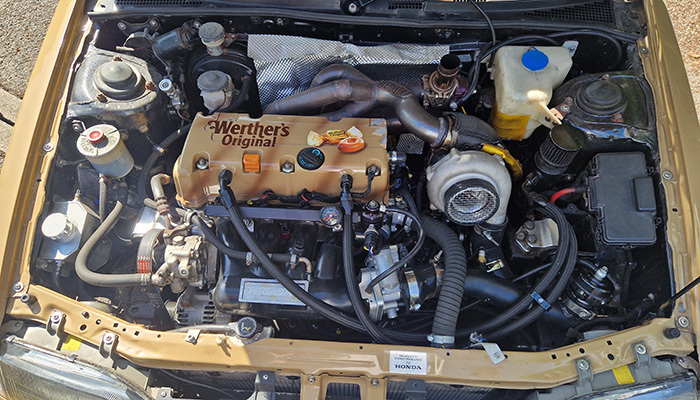
If the parts closest to the manifold, turbo or downpipe keep failing first, the problem is usually repeated radiant heat exposure. Lambda sensor wiring, coolant hose, vacuum hose, breather hose, fuel line and loom sections are all common risk areas.
Factory cars often have shields around lambda wiring and exhaust-adjacent parts for this reason. Once the exhaust layout changes or factory shields are removed, the original protection may not be enough.
How to fix it
Use a layered fix. Move the vulnerable part away from the exhaust if possible. Control the heat source with exhaust wrap, ceramic coating, a turbo blanket or a heat shield. Then protect the nearby part with sleeve or reflective shielding depending on whether it is a hose, wire, line or surface.
Watch: In our exhaust wrap video, we show how wrapping hot pipework can reduce the heat radiating into nearby engine bay parts.
What Happens If You Ignore Engine Bay Heat?
Engine bay heat problems usually become expensive because they are slow. A hose starts to harden, a wire starts to crack, a plug becomes brittle, or intake temperatures creep up. By the time the part fully fails, the original heat problem has often been there for months.
The practical consequences can include vacuum leaks, coolant leaks, intermittent electrical faults, melted loom conduit, damaged sensor wiring, poor hot-start behaviour, reduced response after idling and heat-damaged paint or bonnet surfaces.
The correction is simple: repair the damaged part, improve the routing or clearance, control the heat source and protect the vulnerable component before the same failure repeats.
Engine Bay Heat Fitting Checklist
Use this checklist before and after fitting heat management products. It is the quickest way to avoid protecting the wrong part or missing the real cause of the failure.
- Identify the heat source: turbo, manifold, header, downpipe, screamer pipe or trapped hot air.
- Identify the vulnerable part: wiring, hose, line, sensor, intake pipe, airbox, bonnet, bulkhead or plastic cover.
- Check whether the vulnerable part is already damaged, leaking, brittle, split or oil contaminated.
- Reroute the part if a cooler, safer route is available.
- Control the source where possible before relying only on component protection.
- Choose the correct product role: blanket for turbo housings, wrap for exhaust pipework, sleeve for lines and reflective tape for surfaces.
- Leave air gaps where a physical heat shield is used.
- Recheck clearance, fixings, adhesive edges and sleeve position after the first few heat cycles.
If you are unsure which route is best, take clear photos with the car cold. Photograph the heat source, the vulnerable part, the space between them and the wider routing. That normally makes the correct product choice much easier.
Common Engine Bay Heat Management Mistakes
Using reflective tape as exhaust wrap
Reflective tape is for clean surfaces facing radiant heat. It is not designed to wrap manifolds, headers or downpipes. Use exhaust wrap for exhaust pipework.
Sleeving over damaged parts
Heat sleeve protects a good hose, line or wire. It should not be used to hide split hose, damaged insulation or a leaking line. Repair first, protect second.
Ignoring the heat source
Sleeving a hose can help, but if the hose sits right beside an exposed turbo or downpipe, you may need source control as well. Start with the part creating the heat where possible.
Fitting a turbo blanket over leaks
A turbo blanket should not be fitted over oil or coolant leaks. Fix the leak, clean the area and check the blanket does not foul the actuator, wastegate arm or surrounding parts.
Failing to recheck after heat cycles
After fitting wrap, sleeve, shields or reflective tape, recheck the area after the first few drives. Make sure nothing has moved, rubbed, loosened or lifted.
Common Concerns Before You Fit Heat Protection
Wrap the sections that need it, secure it properly and avoid trapping moisture on parts that do not get hot enough to dry out.
Fix oil leaks, coolant leaks and poor fitment before installing a blanket.
The surface must be clean, dry and suitable. Reflective tape is for surfaces, not direct exhaust contact.
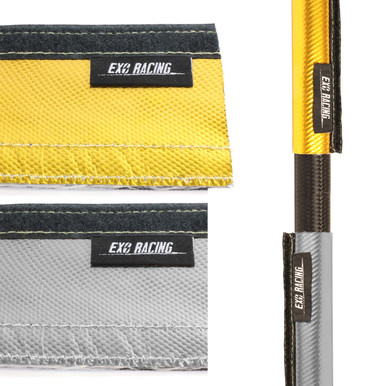 Exoracing Gold and Silver Velcro Heat Sleeve 0.5m
Retrofit protection for fitted wiring, hoses and lines you do not want to fully remove.
From £14.99
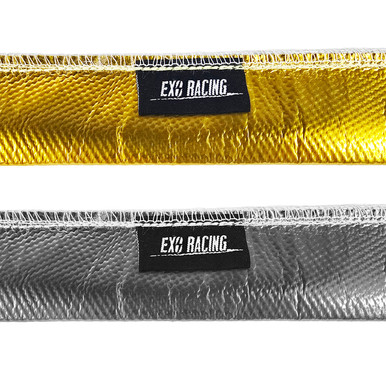 Exoracing Gold And Silver Sewn Heat Sleeve 0.5m
Clean push-over protection for hoses, wiring and lines before final installation.
From £14.99
FAQ
How do I prevent heat soak in a car?
Prevent heat soak by keeping exhaust heat away from the intake and nearby vulnerable parts. Use source control on the turbo, manifold or downpipe, then protect intake pipework, wiring, hoses and surfaces with the correct shielding or sleeve.
Why is my engine bay so hot?
Your engine bay may be hot because the exhaust side is radiating heat into a tight space, airflow is poor, factory shielding has been removed or the car now makes more heat than the original layout was designed to manage.
What is heat soak in an engine?
Heat soak is when parts absorb heat over time and stay hot after driving, idling or shutting the car off. In an engine bay, this can raise intake temperatures and accelerate damage to wiring, hoses and plastics.
Will a turbo blanket damage my turbo?
A correctly fitted turbo blanket on a healthy turbo should not damage the turbo. The key is to fix leaks first, use the correct size and make sure the blanket does not interfere with the actuator, wastegate arm or surrounding parts.
Should I wrap my entire exhaust?
Usually no. Most engine bay benefit comes from wrapping the manifold, header, downpipe or hot sections close to vulnerable parts. Wrapping too far back can trap moisture where the exhaust is cooler.
Where should I use reflective tape first?
Use reflective tape first on clean surfaces facing radiant heat, such as intake pipes, airboxes, intercooler pipework, bonnet undersides, bulkheads and nearby panels. Do not use it directly on exhaust pipework.
Where is the engine bay located?
The engine bay is the area under the bonnet where the engine and related parts sit. On most front-engined cars, it is at the front of the vehicle. On mid-engined or rear-engined cars, the engine bay may sit behind the cabin or at the rear.
Do I need every heat management product mentioned?
No. Start with the product that matches your problem. Turbo heat usually needs a turbo blanket. Hot exhaust pipework usually needs exhaust wrap or a heat shield. Hoses, wiring and lines usually need heat sleeve. Surfaces usually need reflective tape or sheet.
Conclusion
Engine bay heat is much easier to fix when you work in the right order: find the heat source, identify the part at risk, check routing and clearance, control the source where possible, protect the vulnerable part, then recheck everything after heat cycles.
If you are dealing with turbo heat, start with the turbine housing and nearby exhaust pipework. If wiring, hoses or lines are at risk, repair or reroute them first, then add the correct sleeve. If intake pipes, bonnets or panels are absorbing radiant heat, use reflective tape or sheet on clean surfaces facing the heat.
For a broader overview of product choice, our heat shield vs exhaust wrap vs heat tape guide explains how the main heat management products compare. Our guide to reducing engine bay temperatures also covers the wider cooling and airflow side.
Shop Heat Management PartsAbout The Author
I'm Matt, the owner of Exoracing Ltd, a UK-based performance parts brand specialising in automotive heat management and performance parts.
Since 2018, we have helped enthusiasts and workshops reduce heat issues with practical products, installation knowledge and experience from our own builds and customer cars.
If you are not sure which heat management product suits your setup, contact us with a few photos of the heat source, the part you want to protect and the clearance you have available.